

Shipping from China to Brazil

Top Logistics Ltd provides end‑to‑end freight solutions from China to Brazil, serving importers in retail, electronics, machinery, automotive, agribusiness, construction, and e‑commerce. With strong carrier contracts on Asia–East‑Coast‑South‑America routes, experience on Brazil’s complex customs and tax system, and reliable local partners at major ports and airports, Top Logistics Ltd designs secure, compliant, and cost‑effective logistics plans tailored to Brazilian destinations such as Santos, Itajaí, Rio de Janeiro, Vitória, Suape, Manaus, São Paulo, Rio, Belo Horizonte, and beyond. From factory pickup in China to customs clearance and final delivery in Brazil, we manage every stage under one coordinated operation.

Services

What we do

Services

img

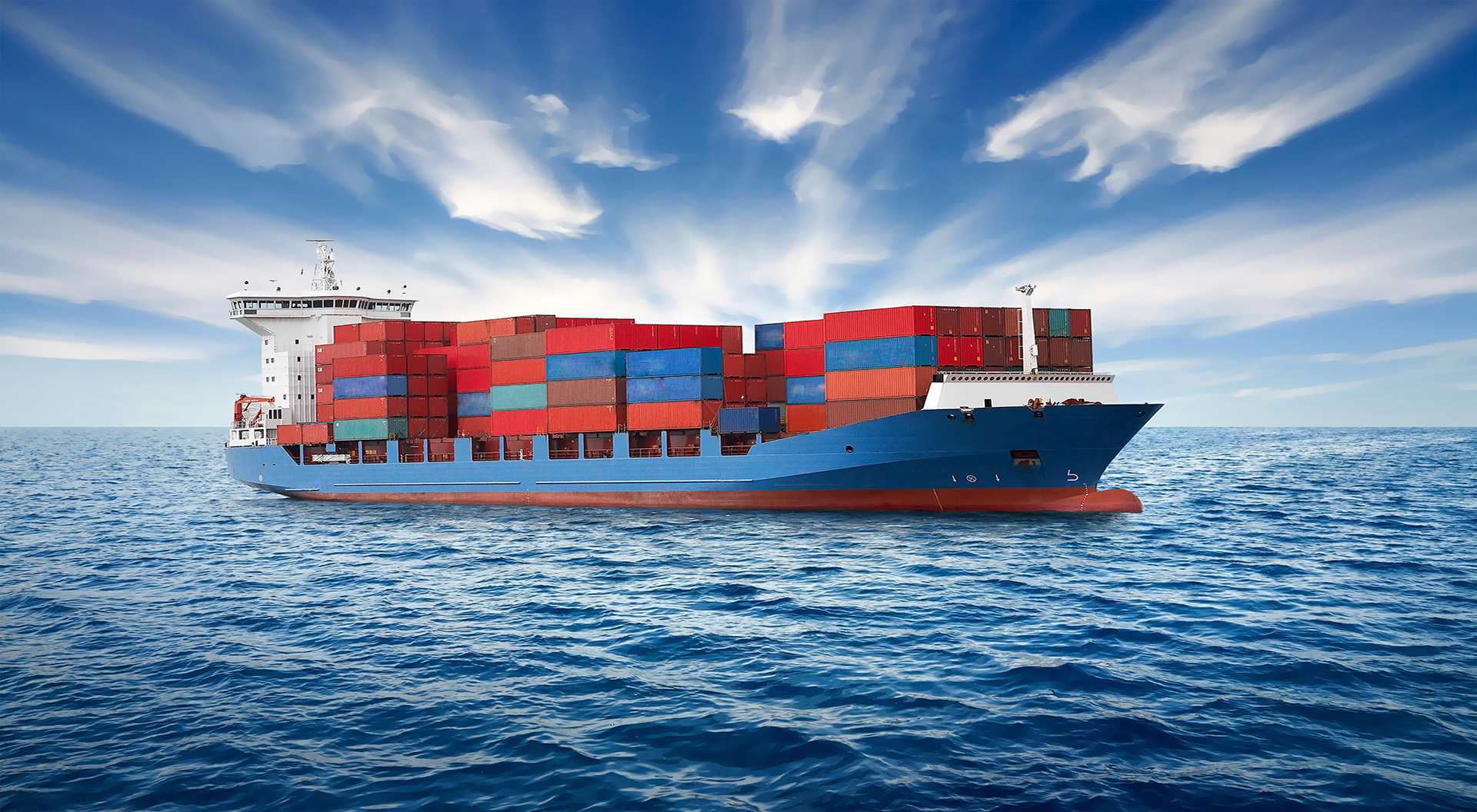
Sea Freight From China To Brazil

Top Logistics Ltd offers reliable sea‑freight services from major Chinese ports—Shanghai, Ningbo, Shenzhen, Guangzhou, Qingdao, Tianjin, Xiamen, among others—to Brazil’s main container terminals, including Santos, Itajaí/Navegantes, Rio de Janeiro, Vitória, Paranaguá, Suape, and Manaus (via feeder). We work with leading carriers on direct or transshipment services, secure space during peak seasons, and optimize routes according to your Brazilian discharge port and inland destination. Sea freight is the backbone for high‑volume imports such as electronics, textiles, toys, machinery, auto parts, steel products, and general retail cargo. Top Logistics Ltd manages booking, container positioning, Chinese export clearance, port handling at origin and destination, and inland trucking or cabotage within Brazil.
img

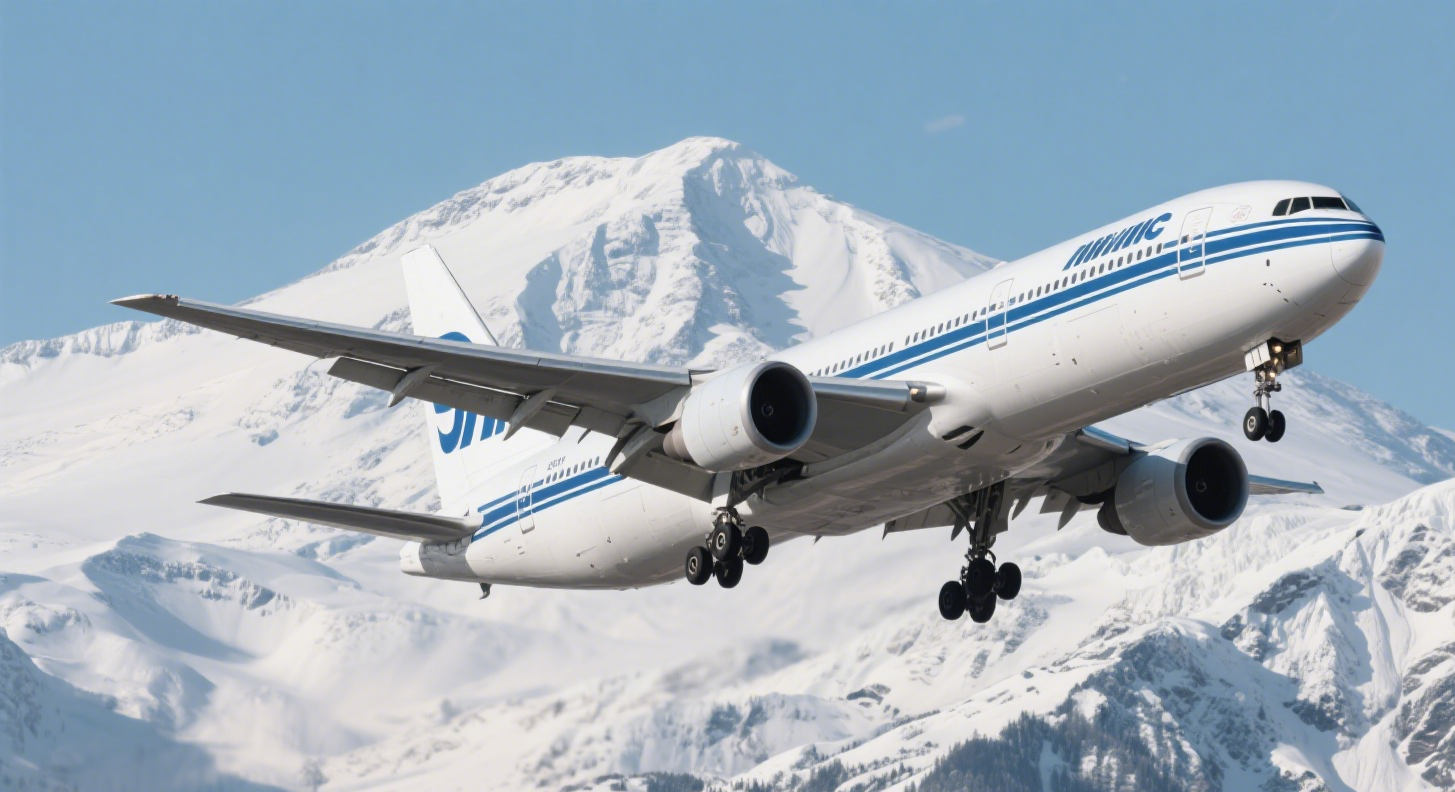
Air Freight From China To Brazil

For urgent or high‑value shipments, Top Logistics Ltd provides air‑freight solutions from Chinese gateways (Shanghai Pudong, Guangzhou, Shenzhen, Beijing, Hong Kong and others) to key Brazilian airports such as São Paulo/Guarulhos (GRU), Campinas/Viracopos (VCP), Rio de Janeiro/Galeão (GIG) and regional hubs. Shipments typically route via Europe, the Middle East, or North America, depending on airline networks and space availability. We design routings that balance transit time, cost, and reliability for products like smartphones, IT hardware, pharmaceuticals, samples, urgent spare parts, and fashion items. From factory pickup and export handling in China to ANVISA and Receita Federal procedures in Brazil and final delivery, Top Logistics Ltd maintains close control over timing and documentation.
img

Door to Door Shipping from China To Brazil

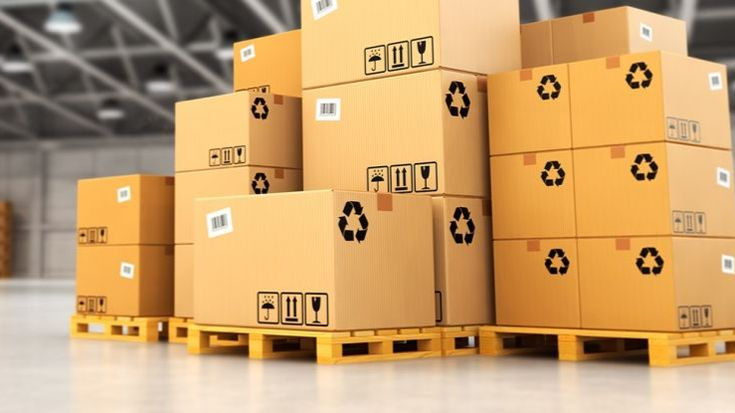
Top Logistics Ltd offers integrated door‑to‑door services from Chinese factories to consignees across Brazil. We handle vendor coordination and pickup in China, consolidation, export declarations, main‑leg sea or air transport, port/airport handling in Brazil, customs clearance, and final‑mile distribution to cities and industrial zones throughout the country. Door‑to‑door service is ideal for importers who want a single partner to manage Chinese suppliers, international freight, and Brazilian bureaucracy. With one all‑inclusive quotation and a single operations contact, Top Logistics Ltd reduces handovers, simplifies communication, and provides full visibility from origin to delivery.


FCL Shipping from China To Brazil

Top Logistics Ltd provides full‑container‑load (FCL) services using 20GP, 40GP, and 40HQ containers, as well as open‑top and flat‑rack units for machinery and project cargo. We supervise loading and sealing at factories or consolidation centers in China, verify container weights for VGM and Brazilian road limits, and select carrier services with suitable transit times and reliability. After arrival at Brazilian ports like Santos, Itajaí, Rio, or Suape, containers are handled under our control through terminal operations, customs processes, and inland transport to your facility. FCL is ideal for large orders of electronics, white goods, machinery, auto parts, furniture, and general merchandise where you want minimal handling and the lowest freight cost per cubic meter.

LCL Shipping from China To Brazil

For shipments that do not fill an entire container, Top Logistics Ltd offers less‑than‑container‑load (LCL) consolidation from key Chinese hubs such as Shenzhen, Guangzhou, Shanghai, Ningbo, and Qingdao into Brazil. We receive cargo from multiple suppliers in our consolidation warehouses, check packing and labels, palletize where necessary, and load shared containers on regular services to Brazilian ports (mainly Santos and Itajaí). At destination, cargo is de‑consolidated in bonded depots, customs‑cleared per consignee, and delivered by truck to your warehouse. LCL is particularly suited to small and medium importers, e‑commerce sellers, and distributors who buy assorted products in moderate volumes from multiple Chinese vendors.

Features

More Services Shipping from China To Brazil

img

Pickup and Delivery

Top Logistics Ltd will provide most fuel efficient pickup service China
img

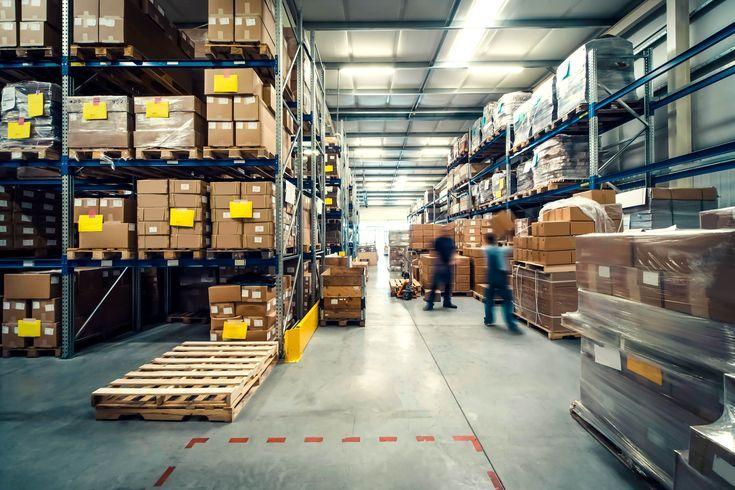
Warehousing

We provide free warehousing services for any of your goods.
img

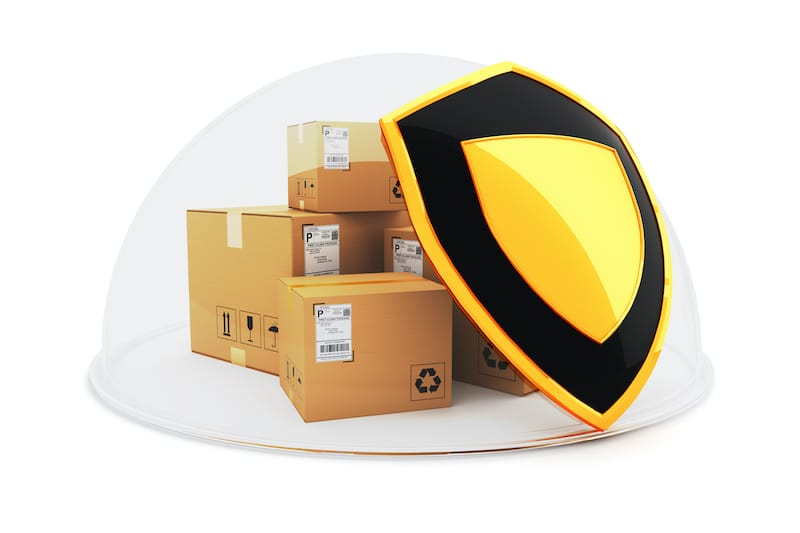
Cargo Insurance

The cargo insurance protects your goods all the way to any Any FBA Warehouse
img

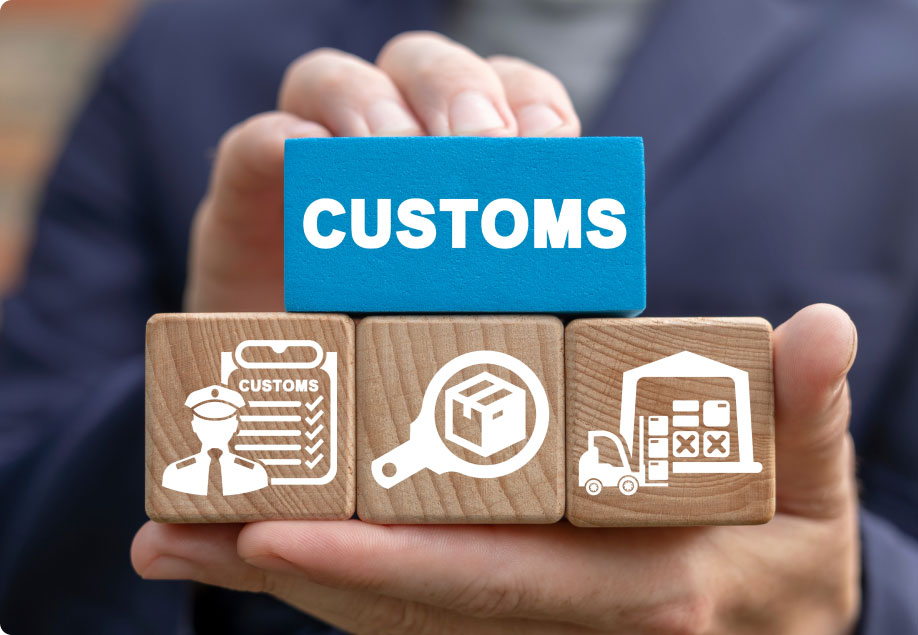
Custom Clearance

We handle all paperwork and other details for you.

img

Loading Inspection

Ensure safe packaging and loading of goods in your suppliers' factory.
Here We Are

GET ANYTYPE QUOTE FROM HERE.

Your Best Freight Forwarder from China to Brazil

  • Provide the best ocean freight from China to Brazil
  • Provide the competitive air freight from China to Brazil
  • The professional work for customs clearance in China
  • Provide the free warehouse service and loading solution
  • The container loading supervision service
  • Pick up and delivery service in China
  • 24/7 online support
What customers also want to know

Professional Shipping from China to Brazil: The Ultimate FAQ Guide

Typical door‑to‑door transit times are:

  • Sea freight (FCL/LCL):

    • China port to main Brazilian ports (Santos, Itajaí, Rio, Suape, etc.): roughly 30–40 days on standard Asia–ECSA loops, depending on port pair and transshipment.
    • Adding factory pickup in China, customs and terminal handling in Brazil, and inland trucking, most door‑to‑door shipments fall in the 38–50 day range.
  • Air freight:

    • Airport‑to‑airport from China to São Paulo/Guarulhos or Viracopos, via one or two hubs, usually takes 3–6 days.
    • With pickup, export clearance, Brazilian customs, and local delivery, you can expect 5–9 days door‑to‑door.

Seasonality matters: before Chinese New Year and during Brazil’s year‑end/Black Friday season, vessels and flights are busier, so Top Logistics Ltd adjusts expected transit and recommends earlier bookings.

The best gateway depends on destination and cargo type:

  • Ports:

    • Santos: Brazil’s largest port, serving São Paulo state and much of the Southeast. Best for cargo to São Paulo, Minas Gerais (via road/rail), and central distribution.
    • Itajaí/Navegantes & Paranaguá: Ideal for cargo destined for the South (Paraná, Santa Catarina, Rio Grande do Sul).
    • Rio de Janeiro & Vitória: Convenient for Rio state and parts of Minas Gerais and Espírito Santo.
    • Suape (Recife area): Good entry for the Northeast (Pernambuco, Paraíba, Alagoas, etc.).
    • Manaus (via feeder on the Amazon): Required for many goods going to the Manaus Free Trade Zone (Zona Franca).
  • Airports:

    • São Paulo/Guarulhos (GRU) and Campinas/Viracopos (VCP): main international cargo hubs.
    • Rio de Janeiro/Galeão (GIG): strong for oil & gas and regional shipments.
    • Other regional airports can be used with domestic connections when needed.

Top Logistics Ltd evaluates your final delivery address, product type, and service expectations to select the most appropriate port/airport and routing.

The main pain points importers face are:

  • Incorrect classification (NCM/HS code): leading to wrong duty rates, fines, or reclassification.
  • Documentation inconsistencies: mismatched invoice, packing list, and B/L/AWB data cause delays in Siscomex and may trigger inspections.
  • Insufficient licenses or registrations: certain products require licenses from bodies like ANVISA (health), MAPA (agriculture), or telecom authorities; without them, clearance stalls.
  • Random or targeted inspections: which can extend port dwell time and cause demurrage if free‑time is exceeded.

Top Logistics Ltd mitigates these by:

  • Pre‑reviewing your product list and working with Brazilian customs brokers to validate NCM codes and licensing needs before cargo leaves China.
  • Checking all commercial documents for consistent data (values, weights, quantities, Incoterms) and ensuring they reflect Brazilian requirements (Portuguese descriptions where necessary).
  • Planning adequate free time and storage options depending on product risk and seasonality.
  • Keeping a local operations team in touch with your broker to react quickly if Receita Federal flags an issue or an inspection is ordered.

Brazil’s tax structure is complex, but for most imports you should consider:

  • Import Duty (II): applied on the CIF value according to the NCM (HS) code.
  • IPI (Tax on Industrialized Products): federal tax applied on certain goods, calculated on CIF + II.
  • PIS/COFINS‑Importação: social contributions that apply to most imports, calculated over CIF + II + IPI.
  • ICMS: state‑level VAT‑type tax, normally calculated over the customs value plus all federal taxes and some local fees; rates vary by state and may be subject to tax incentives or substitution rules.
  • Additional fees: such as SISCOMEX fee, port/terminal charges, scanning or storage fees.

If you provide product descriptions, NCM codes, and values, Top Logistics Ltd can obtain a landed‑cost simulation through Brazilian partners so you understand approximate tax burden and total cost before you place large orders.

Shipping to Manaus is different from shipping to coastal cities:

  • Cargo often moves by sea to a Brazilian port, then by feeder vessel or barge up the Amazon River to Manaus. This adds a leg and may extend transit by 7–15 days.
  • The Free Trade Zone regime offers tax incentives, but requires correct registration, special documents, and sometimes different clearance procedures.
  • Packaging must withstand high humidity and multiple handlings between mainline vessel, feeder, and local storage.

Top Logistics Ltd works with specialists in Manaus who understand ZFM regulations and can:

  • Verify whether your products qualify for tax benefits.
  • Plan the right routing (direct via northbound services or via southern ports + cabotage) based on your lead‑time and cost priorities.
  • Coordinate local handling so cargo remains under the correct customs regime from arrival to factory or warehouse.

To bridge the gap between Chinese exporters and Brazilian customs:

  • We provide your suppliers with document templates and detailed guidelines in English/Chinese, specifying what must appear on commercial invoices and packing lists (NCM codes, Portuguese product description where needed, CNPJ, Incoterms, etc.).
  • Our China team pre‑checks draft documents before cargo leaves, catching issues like missing CNPJ numbers, wrong Incoterms, or incomplete descriptions.
  • For repeat items, we establish standardized descriptions and NCM codes that suppliers reuse, minimizing changes from shipment to shipment.
  • We coordinate closely with your Brazilian customs broker so that any special wording (for example, license numbers or specific declarations) is included correctly on the first attempt.

This proactive control drastically reduces the likelihood of “exigências” (requests for correction) and penalties from Receita Federal.

Risks include rough seas around Cape of Good Hope or the Indian/Atlantic route, multiple terminal handlings, and long port dwell times. Top Logistics Ltd addresses these by:

  • Advising on reinforced export packing—extra strapping, corner protection, moisture barriers, and, when needed, fumigated pallets and desiccants.
  • Recommending FCL for vulnerable goods instead of LCL where shared‑container handling increases risk.
  • Working with reliable carriers and terminals with modern security standards.
  • Keeping a tight eye on container seal integrity, recording seal numbers and providing photos on request.
  • Strongly encouraging All‑Risks cargo insurance and helping you handle any claims with surveyors if an incident occurs.

With proper packing and route selection, the majority of China–Brazil cargo arrives intact despite the distance.

Yes. A typical solution looks like this:

  1. Origin consolidation in China:

    • Top Logistics Ltd collects products from your different suppliers and brings them to consolidation warehouses in Shenzhen, Guangzhou, Shanghai, Ningbo, or Qingdao.
    • We palletize and label by Brazilian destination or customer order.
  2. Main shipment to Brazil:

    • Consolidated into FCL or structured LCL to one or more Brazilian ports, depending on your distribution plan.
  3. In Brazil:

    • Containers are devanned in bonded warehouses where cargo is separated per city or customer.
    • We coordinate customs clearance under a single or multiple declarations, as appropriate.
    • Our domestic partners deliver to your DCs or customer locations in São Paulo, Rio, Belo Horizonte, Curitiba, Recife, etc.

This model reduces international freight and port costs, while still allowing you to serve multiple Brazilian markets from one Chinese purchasing cycle.

Cost‑control options include:

  • Port choice: sometimes using a slightly more distant but less congested port (e.g., Itajaí instead of Santos) reduces total cost once inland transport and storage are considered.
  • Routing and service selection: standard transit services are often much cheaper than “extra‑slow” or premium ones; we help you choose the right balance of cost and schedule.
  • Volume planning: shifting from frequent small LCL shipments to planned FCL loads can cut freight and local charges per unit dramatically.
  • Packaging optimization: adjusting carton/pallet sizes to better use container space reduces the number of containers needed per year.
  • Mode mix: For some SKUs, using rail to port within China or combining sea for bulk and periodic air for top‑up can lower average cost while keeping stockouts low.

Top Logistics Ltd can analyze your last 6–12 months of shipments and propose a tailored optimization plan, including potential savings by changing frequency, port, or mode.

Yes. For goods overseen by ANVISA (health surveillance) or MAPA (agriculture), logistics must be synchronized with regulatory compliance:

  • Before shipment, we work with your Brazilian regulatory team or consultants to confirm whether your products are already registered/authorized or if new registrations/notifications are needed.
  • We ensure suppliers in China provide technical dossiers, ingredient lists, certificates of analysis, GMP certificates, and other documents required for registration and clearance.
  • On the logistics side, we plan routing through ports and airports equipped and authorized to handle ANVISA/MAPA inspections and ensure cargo descriptions and codes match the registered specifications.

This coordination is essential to prevent cargo sitting at the port because paperwork doesn’t match what regulators expect.

Don’t Take Our Words for it

Listen to What Our Clients Say about Our Freight Forwarding Service

Design Quality

The design quality of the international logistics platform emphasizes clarity, efficiency, and usability. The interface is clean and well-organized, allowing users to manage shipments, track cargo status, and access transportation details with minimal effort. Visual hierarchy and consistent layout improve navigation across freight booking, documentation, and delivery modules. The design effectively supports complex logistics operations while maintaining a professional and modern appearance.

Jon D. William
Founder of Mixbix

Customer Support

Our customer support team delivers responsive and knowledgeable assistance throughout the entire international logistics process. From shipment booking and cargo tracking to customs clearance and final delivery, inquiries are handled promptly with clear, accurate communication. The team understands complex transportation routes, carrier schedules, and documentation requirements, ensuring potential issues are resolved before they impact delivery timelines. This high level of support builds trust and provides customers with confidence in every shipment.

Sofia Harvey
Chairman News grove

Code Quality

The overall code quality of the international logistics system demonstrates a solid engineering foundation. The architecture is well-structured, with clear separation between freight management, customs clearance, tracking, and billing modules, which improves maintainability and scalability. Naming conventions are consistent and business-oriented, making complex logistics workflows such as multi-leg transportation, carrier allocation, and door-to-door delivery easier to understand and extend. Error handling and data validation are implemented thoughtfully, reducing risks in high-volume shipment processing. Overall, the codebase reflects a strong balance between performance, reliability, and long-term extensibility, which is critical for global freight operations.

Sakira K. Lilliam
Ceo of Axone