

Shipping from China to Albania

Services

What we do

Services

img

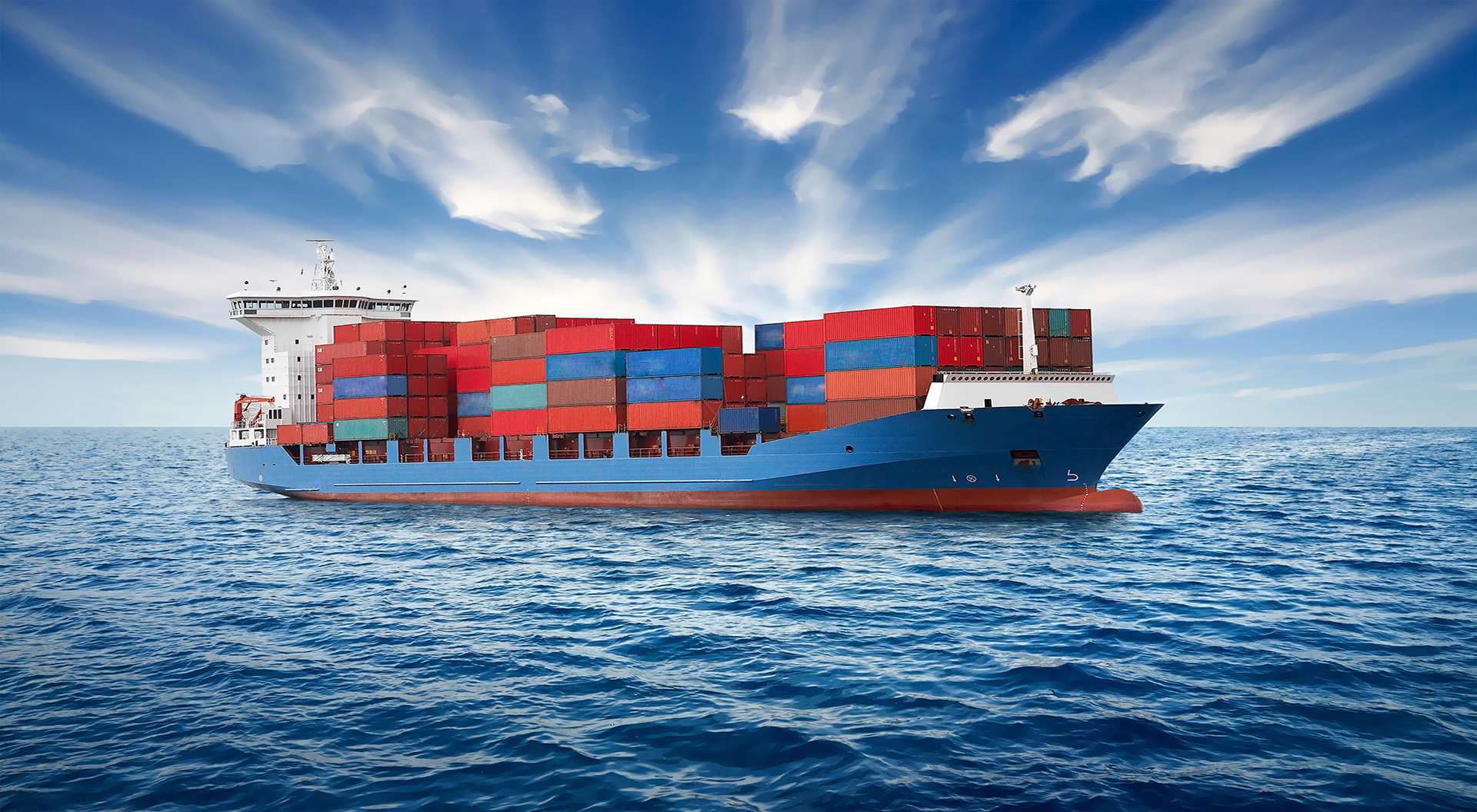
Sea Freight From China To Albania

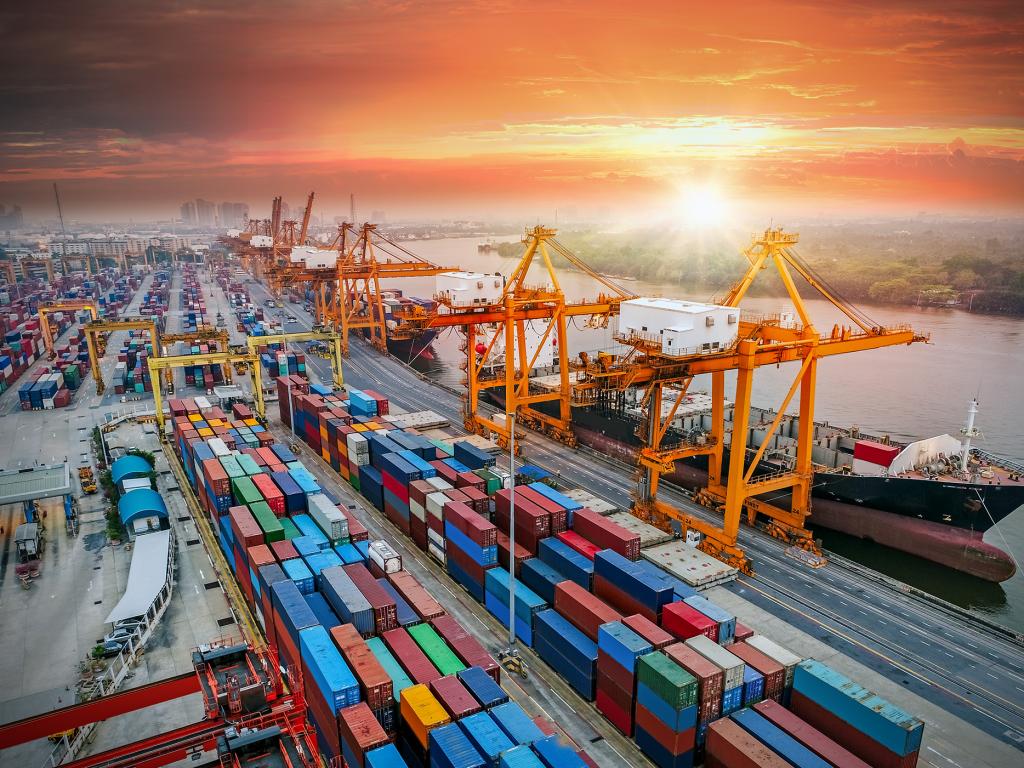
Top Logistics Ltd arranges sea freight shipments from China to Albania via major Chinese ports including Shanghai, Ningbo, Shenzhen, and Qingdao, connecting to key Mediterranean transshipment hubs before arrival at Albanian ports such as Durrës. Sea freight services support both FCL and LCL cargo, offering stable sailing schedules, professional port handling, and cost-controlled ocean transport. This option is suitable for commercial goods, construction materials, household products, and industrial cargo destined for the Albanian market.

img

Air Freight From China To Albania

Top Logistics Ltd provides air freight solutions from leading Chinese international airports to European gateway airports serving Albania. Designed for urgent and high-value shipments, air freight ensures shorter transit times and enhanced cargo handling standards. Air freight services include export documentation support, cargo monitoring, and coordination with destination airport operations. This mode is commonly used for electronics, medical supplies, samples, spare parts, and time-sensitive commercial goods.

img

Door to Door Shipping from China to Albania

Top Logistics Ltd offers fully managed door-to-door shipping from China to Albania, covering factory pickup, export customs clearance, international transportation, import clearance, and final inland delivery. Each shipment is planned according to destination location, cargo type, and delivery requirements. Door-to-door services reduce coordination complexity and provide consistent control for businesses shipping to Albanian cities and inland regions.


FCL Shipping from China To Albania

Top Logistics Ltd provides full container load shipping from China to Albania using dedicated 20GP, 40GP, and 40HQ containers. FCL solutions are structured for heavy, high-volume, or sensitive cargo requiring exclusive container use.

Services include secure container loading, optimized carrier selection, controlled port operations, and full shipment visibility. FCL shipping is widely chosen for machinery, construction equipment, furniture, and large commercial consignments.

LCL Shipping from China To Albania

Top Logistics Ltd offers LCL less-than-container-load shipping from China to Albania for small and medium-sized shipments. Cargo is professionally consolidated, packed, and handled to ensure safe international transport.

LCL services include coordinated port handling, customs processing, and organized deconsolidation at destination. This option allows importers to reduce logistics costs while maintaining delivery reliability and cargo protection.

Features

More Services Shipping from China To Albania

img

Pickup and Delivery

Top Logistics Ltd will provide most fuel efficient pickup service China
img

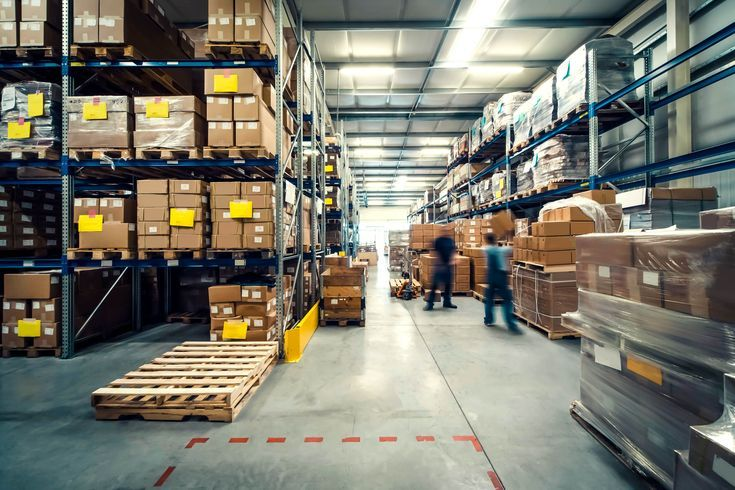
Warehousing

We provide free warehousing services for any of your goods.
img

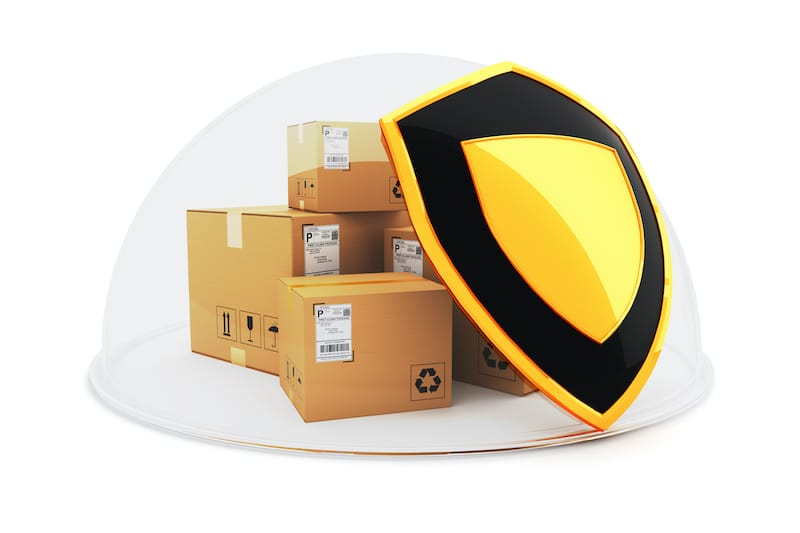
Cargo Insurance

The cargo insurance protects your goods all the way to any Any FBA Warehouse
img

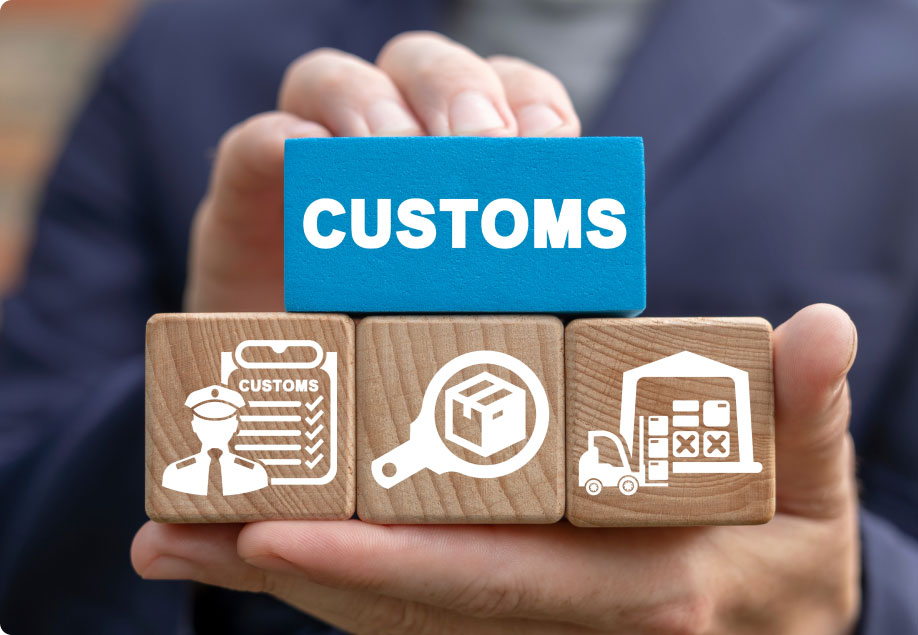
Custom Clearance

We handle all paperwork and other details for you.

img

Loading Inspection

Ensure safe packaging and loading of goods in your suppliers' factory.
Here We Are

GET ANYTYPE QUOTE FROM HERE.

Your Best Freight Forwarder from China to Albania

  • Provide the best ocean freight from China to Albania
  • Provide the competitive air freight from China to Albania
  • The professional work for customs clearance in China
  • Provide the free warehouse service and loading solution
  • The container loading supervision service
  • Pick up and delivery service in China
  • 24/7 online support
What customers also want to know

Professional Shipping from China to Albania: The Ultimate FAQ Guide

    • Sea freight (most common for bulk):
      • Route: China main ports → Med hub (often Piraeus, Gioia Tauro, Port Said, etc.) → feeder to Durres (main Albanian port).
      • Transit time (port–port): about 30–40 days, depending on routing and carrier.
    • Air freight:
      • Route: China (PVG/PEK/CAN/HKG) → main EU hub (e.g. Vienna, Istanbul) → Tirana (TIA).
      • Typical transit: 5–9 days airport–airport; door–door somewhat longer depending on customs.
    • Rail + truck (China–Europe trains):
      • Route: China → rail hub in Central/Eastern Europe (e.g. Budapest, Belgrade) → truck to Albania.
      • Transit: usually 25–35 days door–door, less stable than sea but faster for some inland origins.

    For standard commercial cargo, FCL sea freight to Durres is usually the most economical; air is for urgent/high‑value goods.

  • Direct to Durres (sea):
    • Simpler: one ocean B/L to Durres; customs clearance in Albania only.
    • Sometimes slightly longer transit because of feeder schedules.
  • Via nearby EU port (sea to Piraeus/Thessaloniki/Bar + truck):
    • Can be faster and/or cheaper on some sailings because those ports are bigger hubs.
    • Requires transit procedure (e.g. T1) inside the EU so you don’t pay EU import duties—only Albanian duties/VAT at final clearance.

Ask your forwarder to quote both options (to Durres vs. to an EU port + trucking to Tirana/your warehouse) and compare total cost + total transit time, not just ocean freight.

Standard commercial imports will normally need:

  • Commercial invoice (with seller/buyer details, Incoterm, HS code, unit price, total value, currency);
  • Packing list (net/gross weights, volume, number and type of packages);
  • Bill of Lading / Air Waybill;
  • Certificate of Origin (if requested by buyer/broker; no China–Albania FTA, but origin still needed for proper duty classification);
  • Product‑specific certificates if applicable (e.g. conformity/CE docs, sanitary or phytosanitary certificates, MSDS for chemicals);
  • Import license/permit for controlled goods (food, pharmaceuticals, some chemicals, etc.).

To avoid delays:

  • Make sure product descriptions and HS codes are consistent across invoice, packing list, and shipping documents.
  • Values should be realistic; under‑declaration routinely triggers customs value checks and inspection.
  • Customs duty: depends on HS code; many industrial products have moderate tariffs, but rates vary by category.
  • VAT: standard rate is 20% on CIF value + duty (and sometimes other charges); some goods have reduced rates, but that must be checked for the specific HS code.
  • There is currently no free trade agreement between China and Albania, so normal third‑country rates apply.

To estimate landed cost, ask your Albanian partner or customs broker to:

  • Confirm the HS code they will use and the corresponding duty rate;
  • Calculate sample duty + VAT for your declared price.

This helps you decide whether to sell under FOB/CIF (buyer handles taxes) or consider DAP/DDP arrangements.

No, if handled correctly:

  • The shipment should move under an EU transit procedure (e.g. T1) from the EU port to Albania, sealed and without being released into EU trade.
  • You then pay only Albanian duties and VAT when the cargo is entered into Albanian customs.

Key points:

  • Ask your forwarder explicitly to arrange “in transit” through the EU, not import + re‑export.
  • The Albanian consignee’s broker should be ready with transit and final clearance procedures before the container or truck departs the EU port.

Yes. Albania is not in the EU but has aligned many technical regulations with the EU. For product groups that require CE marking in the EU (e.g.:

  • Low‑voltage electrical equipment;
  • Toys;
  • Machinery;
  • Personal protective equipment;
  • Some construction products, etc.),

Albanian customs and market‑surveillance authorities may request:

  • CE declaration of conformity;
  • Test reports or certificates from accredited labs;
  • User manuals and labels in required languages.

If you ship such regulated products without proper conformity documentation, you risk:

  • Clearance delays, extra checks;
  • Refusal of entry, requirement to re‑export or destroy non‑compliant goods.

Check with your Albanian importer what conformity documents they need for customs and local market compliance.

LCL to Durres usually moves via major Med hubs:

  • China → hub (e.g. Piraeus, Gioia Tauro, Port Said) → feeder to Durres.

Points to check with your forwarder:

  • Number of transshipments and exact hubs; more handlings = more delay risk.
  • Whether they use major carriers and reputable consolidators, or very cheap multi‑hub routings.
  • Quoted transit time range (e.g. 35–50 days), not just a “best case”.
  • Who handles destination charges and how much you or your buyer will pay for LCL local fees in Durres (unloading, documentation, storage, etc.).

Low LCL freight can be offset by high destination surcharges, so always ask for an estimate of Durres LCL local charges before booking.

Effective packaging ensures that goods are protected from damage during transit. Use high-quality, durable materials suited to the type of goods and shipping method. For fragile items, include ample cushioning and use strong, secure containers. Label packages clearly with handling instructions and destination details to facilitate smooth processing.

  • DAP (Delivered At Place, taxes not paid):
    • You arrange transport to a named address in Albania; buyer handles customs duty and VAT.
    • Good compromise if buyer has a local broker but weak logistics capability.
  • DDP (Delivered Duty Paid):
    • You (through your forwarder) are responsible for duties, VAT, and all local charges.
    • Risky if you do not fully understand Albanian customs valuation and tax rules, or if your forwarder intends to under‑declare.

If you use DDP:

  • Get a written, itemized quote from your forwarder, including estimated duty and VAT.
  • Avoid any scheme that relies on very low declared values just to make the DDP price look cheap; this can lead to fines or cargo holds.

For early‑stage business, FOB/CIF or DAP is generally safer than DDP.

Yes. Albania follows international phytosanitary rules similar to the EU:

  • All solid wood packaging materials (pallets, crates, dunnage) should comply with ISPM 15.
  • That means they must be heat‑treated or fumigated and stamped with a recognized ISPM 15 mark.

If you use non‑compliant wood:

  • Customs or quarantine may order on‑arrival fumigation, repacking, or in worst case reject the shipment.
  • This causes delay and extra costs for the consignee.

Instruct your Chinese supplier to use ISPM‑15 certified pallets/crates and keep the treatment certificates on file.

Don’t Take Our Words for it

Listen to What Our Clients Say about Our Freight Forwarding Service

Customer Support

Our customer support team delivers responsive and knowledgeable assistance throughout the entire international logistics process. From shipment booking and cargo tracking to customs clearance and final delivery, inquiries are handled promptly with clear, accurate communication. The team understands complex transportation routes, carrier schedules, and documentation requirements, ensuring potential issues are resolved before they impact delivery timelines. This high level of support builds trust and provides customers with confidence in every shipment.

Sofia Harvey
Chairman News grove

Design Quality

The design quality of the international logistics platform emphasizes clarity, efficiency, and usability. The interface is clean and well-organized, allowing users to manage shipments, track cargo status, and access transportation details with minimal effort. Visual hierarchy and consistent layout improve navigation across freight booking, documentation, and delivery modules. The design effectively supports complex logistics operations while maintaining a professional and modern appearance.

Jon D. William
Founder of Mixbix

Code Quality

The overall code quality of the international logistics system demonstrates a solid engineering foundation. The architecture is well-structured, with clear separation between freight management, customs clearance, tracking, and billing modules, which improves maintainability and scalability. Naming conventions are consistent and business-oriented, making complex logistics workflows such as multi-leg transportation, carrier allocation, and door-to-door delivery easier to understand and extend. Error handling and data validation are implemented thoughtfully, reducing risks in high-volume shipment processing. Overall, the codebase reflects a strong balance between performance, reliability, and long-term extensibility, which is critical for global freight operations.

Sakira K. Lilliam
Ceo of Axone