

LCL Shipping China to Australia: 2026 Guide to Low Costs
Navigating the complexities of LCL shipping China to Australia requires a strategic approach to balance speed and budget. Businesses looking to optimize their supply chain can rely on Top Logistics for comprehensive freight solutions that ensure timely delivery across the ocean. This guide explores how shared container services can reduce your overhead while maintaining high reliability in the 2026 market.
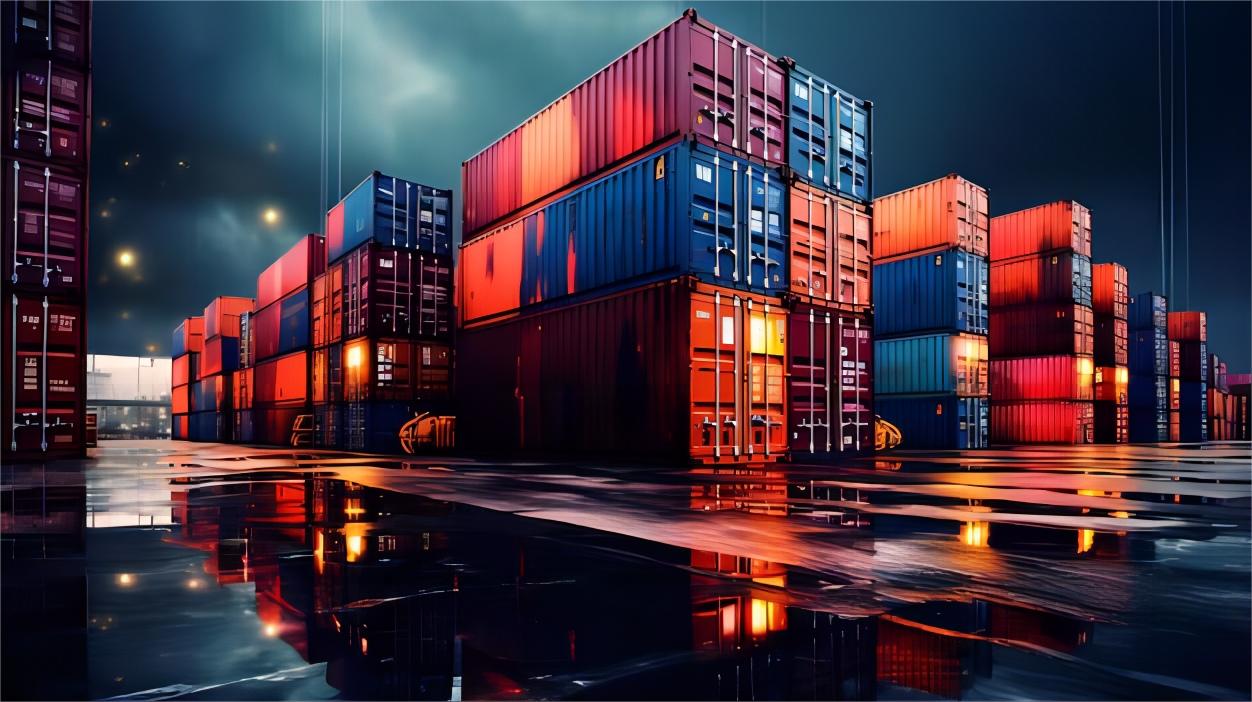
What Is LCL Shipping China to Australia and How Does It Work?
Less than Container Load, commonly known as LCL, is a shipping method where multiple shippers share space within a single ocean container. This approach is ideal for businesses that do not have enough cargo to fill a standard 20ft or 40ft container.
Consolidation centers in major Chinese ports like Shenzhen or Shanghai group these smaller shipments together to maximize efficiency. Consequently, you only pay for the volume your goods occupy, measured in cubic meters (CBM).
Utilizing sea freight through LCL provides a cost-effective alternative to air transport for non-urgent inventory. Furthermore, the 2026 maritime infrastructure has streamlined the degrouping process at Australian ports, reducing historical delays.
Why Choose LCL Shipping China to Australia for Your Business?
Choosing LCL shipping China to Australia offers unparalleled flexibility for small and medium-sized enterprises. Instead of waiting to accumulate enough stock for a full container, you can maintain a steady flow of inventory.
Smaller shipments mean lower capital tied up in stock at any given time, which improves your overall cash flow. Additionally, shared container shipping rates remain more stable compared to the volatile pricing seen in air cargo sectors.
Moreover, this method allows you to test new products in the Australian market without committing to massive shipping volumes. Indeed, most Australian importers find that LCL is the most logical step for scaling their international trade operations.
How Does LCL Shipping Compare to Other Shipping Options?
Evaluating different transport modes is essential for determining the most profitable route for your specific goods. While air freight offers the fastest delivery, the costs can be prohibitive for heavy or bulky items.
LCL serves as the middle ground, offering significant savings over air transport while being more accessible than FCL for smaller volumes. However, you must account for the extra time required for consolidation and deconsolidation at the ports.
Typically, if your shipment is between 1 and 15 CBM, LCL is your best financial bet. For anything larger, the flat rate of a full container often becomes cheaper than the per-CBM price of LCL.
| Shipping Method | Cost Range | Transit Time | Best For |
|---|---|---|---|
| Air Freight | $4.50 – $8.00/kg | 3 – 7 Days | High-value, Urgent |
| LCL Sea Freight | $50 – $120/CBM | 18 – 25 Days | Small-Medium Cargo |
| FCL Sea Freight | $1,200 – $2,200/Cont | 12 – 18 Days | Bulk Shipments |
| Express Service | $8.00 – $12.00/kg | 2 – 5 Days | Samples, Documents |
Understanding 2026 Freight Rates for LCL Shipping China to Australia
Freight rates in 2026 have stabilized following previous global disruptions, but seasonal demand still influences the final price. Specifically, shipping from China to Australia via LCL is priced based on the ‘weight or measure’ rule.
Most carriers charge per CBM, but if your cargo is exceptionally heavy, they may charge based on weight. Therefore, it is crucial to provide accurate dimensions and weight to your freight forwarder to avoid unexpected surcharges.
Market data suggests that rates for the Shanghai-to-Sydney route currently hover between $60 and $95 per CBM, excluding port fees. Meanwhile, routes to Perth or Brisbane might see slightly higher rates due to lower vessel frequency.
Essential Customs Documentation for Australian Imports
Managing the paperwork is often the most challenging part of LCL shipping China to Australia for new importers. Australia has strict biosecurity laws that require precise documentation for all incoming sea freight.
Professional customs brokerage services are highly recommended to ensure your Commercial Invoice and Packing List meet Border Force requirements. Additionally, you must provide a Packing Declaration regarding wood packaging materials.
Failure to comply with these regulations can lead to expensive quarantine inspections or storage fees at the wharf. Consequently, verifying your HS codes and duty rates before the ship leaves China is a vital step for success.
Transit Times: How Long Does LCL Shipping China to Australia Take?
Scheduling your inventory requires a realistic understanding of the maritime delivery schedule 2026. While the sea transit itself is relatively short, the LCL process adds several days at both ends for handling.
Usually, you should allow 3-5 days for consolidation in China and another 3-4 days for deconsolidation in Australia. For instance, a shipment from Ningbo to Melbourne typically takes about 22 days from warehouse to warehouse.
Weather conditions and port congestion can occasionally cause minor delays in the South China Sea. Nevertheless, the direct routes to major Australian hubs remain some of the most reliable in the Asia-Pacific region.
| China Port | Australia Port | Sea Transit | Total Door-to-Door |
|---|---|---|---|
| Shenzhen | Sydney | 12 Days | 20 Days |
| Shanghai | Melbourne | 15 Days | 23 Days |
| Ningbo | Brisbane | 14 Days | 22 Days |
| Qingdao | Fremantle | 18 Days | 28 Days |
Which Option Should You Choose? Decision Framework
Selecting the right method depends on your specific business priorities and the nature of your goods. If budget is your primary concern and your volume is under 15 CBM, LCL shipping China to Australia is almost always the winner.
Speed priority dictates a move toward air freight, especially for electronics or fashion items with short shelf lives. Alternatively, if you are shipping fragile goods that shouldn’t be handled frequently, FCL offers more security as the container remains sealed.
Consider door to door services if you want to minimize the logistical burden on your internal team. This comprehensive solution covers everything from the factory floor in China to your warehouse in Australia.
Real Case Studies: Successful LCL Shipments in 2026
Case Study 1: Electronics from Shenzhen to Sydney. A small retailer imported 4 CBM of smart home devices using LCL. The ocean freight cost was $320, with a total landed cost of $850 including duties. The cargo arrived in 21 days, allowing the client to restock before a major holiday sale.
Case Study 2: Furniture from Ningbo to Melbourne. An interior design firm shipped 8 CBM of custom sofas. By using LCL instead of FCL, they saved over $1,200 in shipping costs. Despite a 2-day delay at customs for a random inspection, the shipment was delivered door-to-door in 26 days.
These examples highlight how LCL shipping China to Australia provides a scalable solution for various industries. Based on early 2026 market rates, these costs represent the typical efficiency found in the current trade corridor.
Final Thoughts on Australian LCL Logistics
Summarizing the benefits, LCL shipping China to Australia remains the most balanced choice for growing businesses. It offers the cost savings of sea freight without the high volume requirements of full containers.
Moreover, the advancements in 2026 logistics technology have made tracking and managing shared shipments easier than ever before. By focusing on accurate documentation and choosing the right freight partner, you can ensure your goods reach Australian shores efficiently.
Note: Freight rates are subject to change based on fuel costs, carrier capacity, and seasonal demand. Contact us for a current quote tailored to your specific shipment.
Start Your Shipment
Ready to streamline your supply chain with affordable LCL shipping China to Australia? Contact our expert logistics team today for a customized quote that fits your business needs. Visit our inquiry page to get started. Send Inquiry: https://toplogisticslt.com/
Request Quote