

China to Europe Shipping Netherlands: The Ultimate Logistics Guide 2025
Managing international trade requires a deep understanding of the logistics landscape, especially when coordinating China to Europe shipping Netherlands. Businesses must navigate fluctuating freight rates, complex customs regulations, and varying transit times to remain competitive in the global market. Visit Top Logistics to discover how our professional team can streamline your entire import process from major Chinese ports to the heart of the Netherlands.
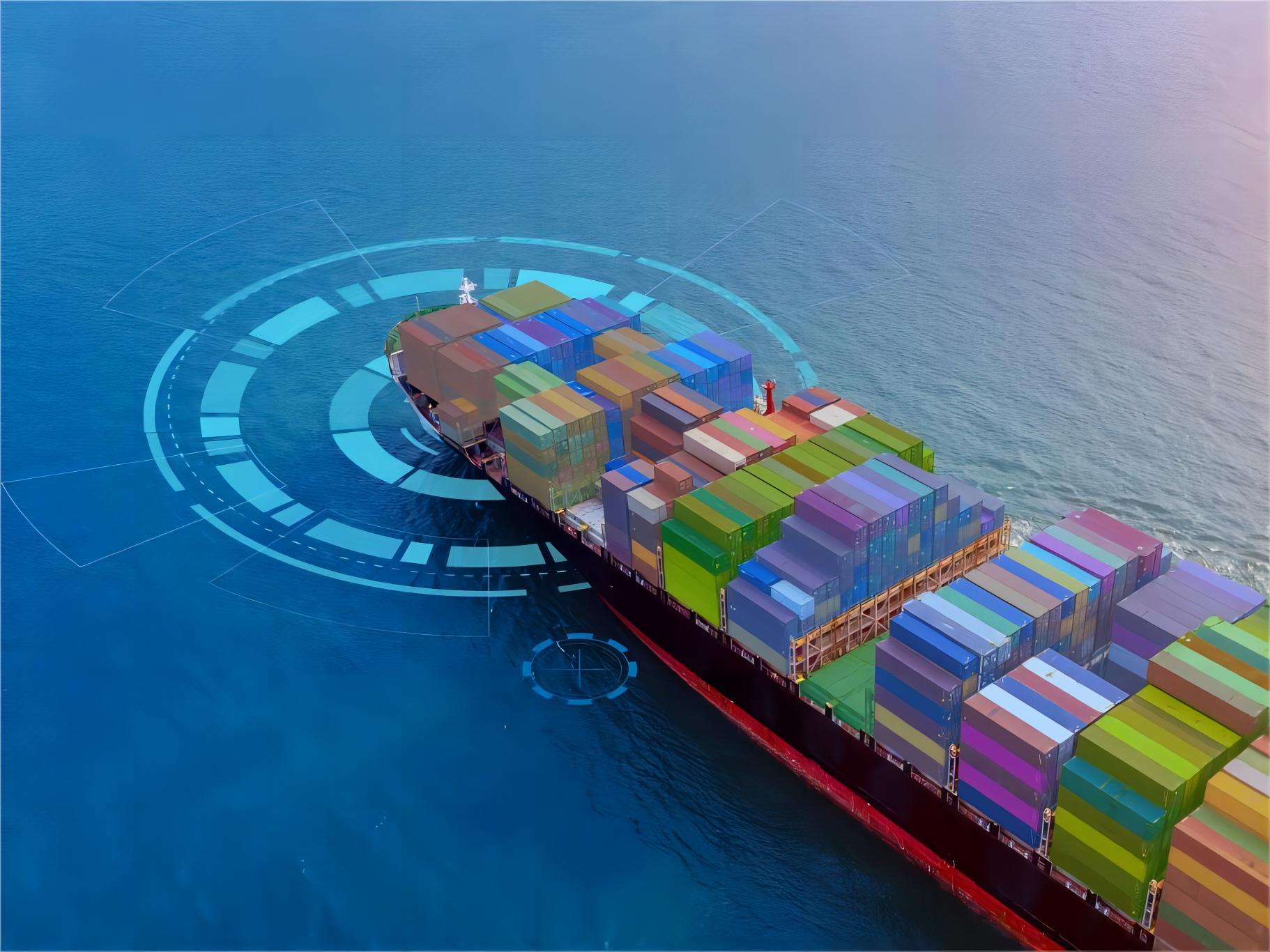
Choosing the Best Method for China to Europe Shipping Netherlands
Initially, selecting the right transportation mode depends heavily on your budget, cargo volume, and required delivery speed. Consequently, most importers choose between sea, air, and rail freight based on their specific supply chain priorities. Furthermore, understanding the nuances of each method ensures that your goods arrive safely while minimizing unnecessary overhead costs.
Sea freight remains the most popular choice for bulk commodities due to its high capacity and cost-effectiveness. However, businesses with urgent deadlines often prefer air freight despite the significantly higher price point. Meanwhile, rail freight offers a balanced middle ground, providing faster transit than the ocean at a lower cost than air transport.
Additionally, you should consider the nature of your products before making a final decision on the shipping method. Fragile or high-value electronics might benefit from the speed and security of air travel. Conversely, large machinery and raw materials are almost always better suited for sea freight containers.
Factors Influencing Your Shipping Strategy
Several variables dictate the efficiency of your logistics operations when importing to the Netherlands. For instance, seasonal demand during the Golden Week or the Lunar New Year can cause significant delays and price spikes. Therefore, planning your shipments at least two months in advance is highly recommended for maintaining consistent inventory levels.
Port congestion and fuel surcharges also play a critical role in determining the final landed cost of your goods. Specifically, the Port of Rotterdam often experiences high traffic volumes, which might require flexible scheduling. Accordingly, working with an experienced freight forwarder helps you navigate these potential bottlenecks effectively.
How Does Sea Freight Compare to Other Shipping Options?
Ocean transport provides the most economical solution for large-scale China to Europe shipping Netherlands operations. Indeed, the ability to move massive quantities of goods in 20ft or 40ft containers allows for significant economies of scale. Nevertheless, the longer transit times require meticulous inventory management to avoid stockouts.
In contrast, air freight reduces the transit time from weeks to just a few days. While this speed is invaluable for perishable items, the cost per kilogram is substantially higher than other modes. To summarize, sea freight is the backbone of global trade, but it requires a strategic approach to timing and logistics planning.
| Shipping Method | Cost Range | Transit Time | Best For |
|---|---|---|---|
| Sea Freight (FCL) | $2,800 – $4,200 | 30-40 Days | Bulk Goods |
| Rail Freight | $1,500 – $2,500 | 18-24 Days | Medium Loads |
| Air Freight | $5.50 – $9.00/kg | 4-7 Days | Urgent Cargo |
| Express Service | $8.00 – $12.00/kg | 3-5 Days | Small Samples |
The Role of Rail Freight in Modern Logistics
Rail freight has emerged as a revolutionary alternative for China to Europe shipping Netherlands in recent years. Specifically, the New Silk Road connects major Chinese industrial hubs like Chengdu and Xi’an directly to European terminals. Consequently, businesses can enjoy transit times that are nearly 50 percent faster than sea freight.
Moreover, rail freight is considered more environmentally friendly than air transport, making it an attractive option for green-conscious companies. As a result, many manufacturers of automotive parts and industrial equipment have shifted their volume to the tracks. Indeed, the stability of rail pricing compared to volatile ocean rates provides better financial predictability.
Typical rail routes enter Europe through Poland or Germany before reaching Dutch distribution centers. Without a doubt, this method bridges the gap between the slow ocean routes and the expensive air corridors. Therefore, if your cargo is too heavy for planes but too urgent for ships, rail is your ideal solution.
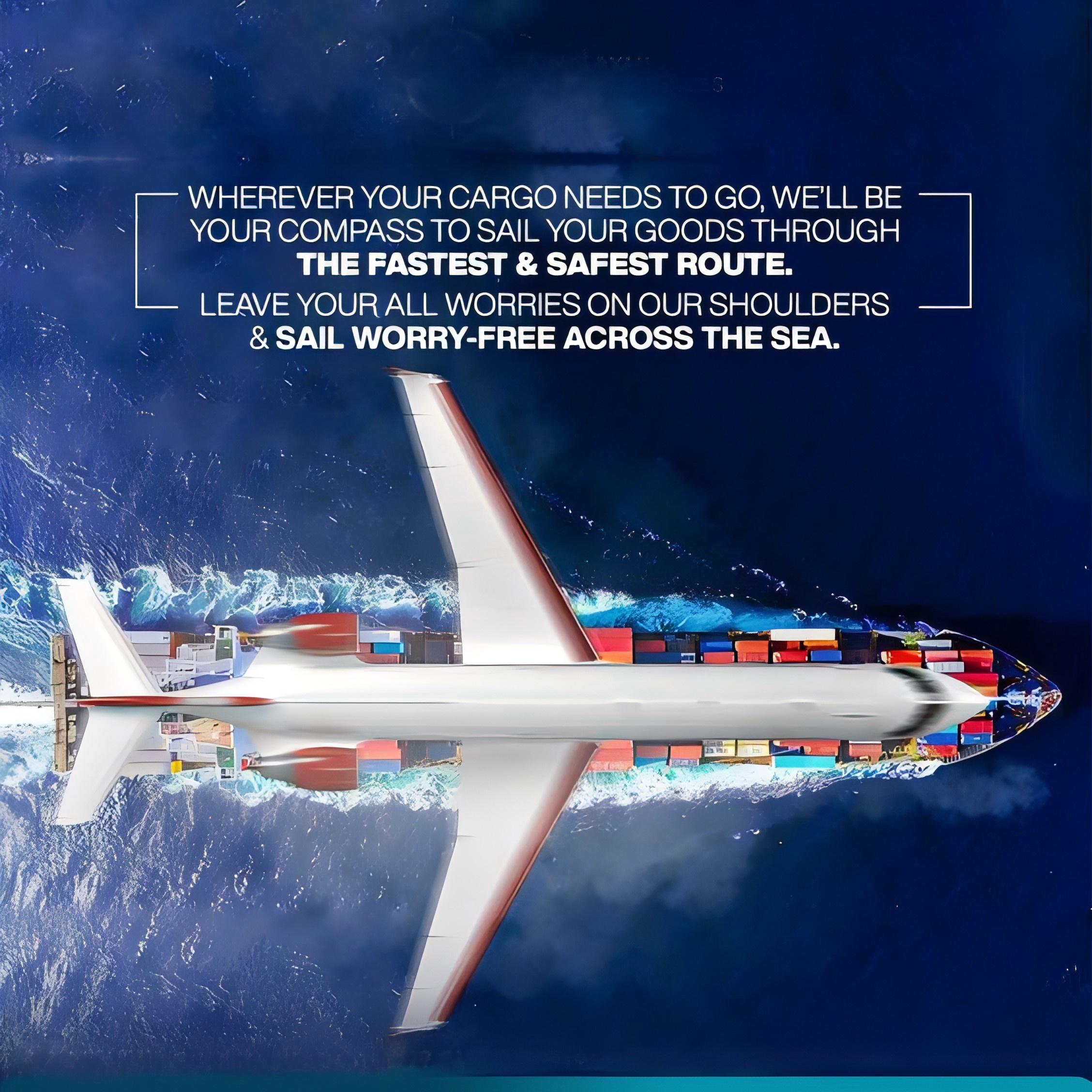
Air Freight Solutions for High-Value Goods
When speed is the absolute priority, air freight stands out as the premier choice for Dutch importers. Most shipments originate from airports in Shanghai, Shenzhen, or Hong Kong and land at Schiphol Airport in Amsterdam. Consequently, this method is perfect for high-fashion items, pharmaceuticals, and time-sensitive electronics.
Furthermore, air transport offers enhanced security and a lower risk of damage compared to long sea voyages. Although the rates are higher, the reduction in insurance premiums and inventory holding costs can offset the initial expense. For example, a shipment of high-end consumer electronics can be on Dutch shelves within a week of leaving the factory floor.
Market data suggests that air freight rates fluctuate based on jet fuel prices and seasonal capacity. Nevertheless, for many businesses, the ability to respond quickly to market trends justifies the premium. Accordingly, maintaining a relationship with a carrier that has blocked space agreements is essential for consistent service.
Navigating Customs Brokerage in the Netherlands
Clearing customs is often the most daunting aspect of China to Europe shipping Netherlands for many new importers. Specifically, the Dutch customs authorities require precise documentation, including commercial invoices, packing lists, and certificates of origin. Therefore, utilizing professional customs brokerage services is vital to avoid costly delays.
In addition, understanding the European Union’s Union Customs Code (UCC) is necessary for compliance. Netherlands-based importers must also manage VAT payments and potential anti-dumping duties on certain Chinese products. Consequently, a small error in classification can lead to significant fines or the seizure of your goods.
Notably, the Netherlands offers a VAT deferment system known as Article 23, which provides significant cash flow benefits. This allows companies to defer the payment of import VAT to their periodic VAT return. As a result, the Netherlands remains one of the most attractive entry points for goods destined for the wider European market.
Door to Door Shipping Services from China
For many small and medium-sized enterprises, door to door service offers the ultimate convenience. This comprehensive solution handles everything from factory pickup in China to final delivery at your warehouse in the Netherlands. Indeed, it removes the complexity of managing multiple intermediaries and separate contracts.
Furthermore, this service usually includes customs clearance and local trucking, providing a truly seamless experience. For instance, an Amazon FBA seller can have their inventory moved directly from a Shenzhen manufacturer to a Dutch fulfillment center. Consequently, business owners can focus on sales and marketing rather than logistics headaches.
While the per-unit cost might be slightly higher than port-to-port shipping, the time saved is substantial. In contrast to traditional freight, door-to-door providers offer a single point of contact and unified tracking. Therefore, it is the preferred choice for companies looking for simplicity and accountability in their supply chain.
Real-World Case Studies for Dutch Imports
Analyzing actual shipping scenarios helps businesses understand the practicalities of China to Europe shipping Netherlands. These examples reflect current market conditions and provide a benchmark for your own logistics planning. Specifically, they highlight the trade-offs between cost and speed in different industries.
Case Study 1: Electronics from Shenzhen to Rotterdam. A Dutch retailer imported 4000kg of consumer electronics using Sea Freight FCL (40HQ). The carrier was Maersk, departing from Shenzhen and arriving at Rotterdam Port. The total landed cost was approximately $4,500, with a transit time of 34 days. Key Insight: Early booking saved the client 15 percent on peak season surcharges.
Case Study 2: Fashion Apparel from Shanghai to Amsterdam. An e-commerce brand required 500kg of seasonal clothing via Air Freight. The cargo was shipped from Shanghai Pudong to Schiphol Airport. The total cost reached $3,800, including customs clearance, with a total door-to-door time of 6 days. Key Insight: Speed allowed the brand to capitalize on a viral trend before competitors could restock.
Case Study 3: Industrial Machinery from Ningbo to Tilburg. A manufacturing firm used Rail Freight for a 15 CBM LCL shipment. The route involved transshipment via Poland, arriving at the Tilburg rail terminal. The total cost was $2,100, and the transit time was 21 days. Key Insight: Rail provided a faster alternative to sea without the extreme costs of air freight.
Strategic Decisions: Which Option Should You Choose?
Determining the most effective strategy for shipping from China to Europe involves balancing several competing factors. If your primary goal is cost reduction and you have flexible timelines, sea freight is undoubtedly the winner. However, if you are handling perishable goods or high-value items, the speed of air freight is non-negotiable.
Additionally, volume thresholds often dictate the switch between LCL and FCL sea freight. Generally, once your shipment exceeds 15 CBM, booking a full 20GP container becomes more economical than paying for individual cubic meters. Consequently, consolidating your orders can lead to significant long-term savings for your business.
Finally, consider hybrid solutions like sea-air or rail-sea combinations if traditional methods do not meet your needs. These strategies can optimize both transit times and budgets for specific cargo types. Therefore, always consult with your logistics partner to explore all available alternatives before finalizing your shipping plan.
Mastering Your Dutch Supply Chain
To summarize, successful China to Europe shipping Netherlands requires a combination of strategic planning, method selection, and expert documentation management. Whether you choose the massive capacity of sea freight, the rapid speed of air freight, or the balanced efficiency of rail, understanding the landscape is key. Furthermore, leveraging Dutch customs advantages like Article 23 can significantly improve your company’s cash flow.
Ultimately, partnering with a reliable freight forwarder ensures that your goods move smoothly across borders and reach their destination on time. By following the insights in this guide, you can minimize risks and maximize the efficiency of your international trade operations. Start planning your next shipment today to stay ahead in the competitive Dutch market.

Ready to streamline your logistics?
Are you ready to optimize your China to Europe shipping Netherlands routes? Contact our expert team today for a customized quote and professional guidance on your next shipment. Send Inquiry:
Request Quote