


Shipping from China to Antigua and Barbuda

Services

What we do

Services

img

Sea Freight From China To Antigua and Barbuda

Top Logistics Ltd arranges sea freight shipments from China to Antigua and Barbuda via major Chinese ports such as Shanghai, Ningbo, and Shenzhen, routing cargo through selected Caribbean transshipment hubs before final delivery. Sea freight supports both FCL and LCL cargo, offering organized sailing schedules, professional container handling, and cost-efficient ocean transportation. This solution is suitable for commercial goods, construction materials, household items, and general merchandise destined for the islands.

img

Air Freight From China To Antigua and Barbuda

Top Logistics Ltd provides air freight solutions from leading Chinese international airports to Caribbean gateway airports serving Antigua and Barbuda. This mode is designed for urgent, high-value, or time-sensitive shipments requiring reduced transit times. Air freight services include export documentation coordination, cargo security control, and transfer management at regional hubs. Common air cargo includes electronics, medical supplies, samples, spare parts, and critical commercial items.

img

Door to Door Shipping from China to Antigua and Barbuda

Top Logistics Ltd offers door-to-door shipping services from China to Antigua and Barbuda, covering factory pickup, export customs clearance, international transportation, transshipment handling, and final island delivery. Each shipment is planned according to cargo type, destination location, and routing requirements. Door-to-door solutions reduce coordination complexity and provide consistent shipment control for businesses supplying the Antiguan and Barbudan markets.

FCL Shipping from China To Antigua and Barbuda

Top Logistics Ltd provides FCL full container load shipping from China to Antigua and Barbuda using dedicated 20GP, 40GP, and 40HQ containers. FCL services are suitable for heavy, high-volume, or sensitive cargo requiring exclusive container usage.

Services include secure container loading, optimized carrier selection, controlled transshipment operations, and full shipment visibility. FCL shipping is commonly used for machinery, commercial equipment, and bulk supplies.

LCL Shipping from China To Antigua and Barbuda

Top Logistics Ltd offers LCL less-than-container-load shipping from China to Antigua and Barbuda for small and medium-sized shipments. Cargo is professionally consolidated, packed, and handled to ensure safe long-distance transportation.

LCL services include coordinated transshipment handling, destination deconsolidation, and customs support. This option allows importers to manage logistics costs while maintaining cargo safety and delivery reliability.

Features

More Services Shipping from China To Antigua and Barbuda

img

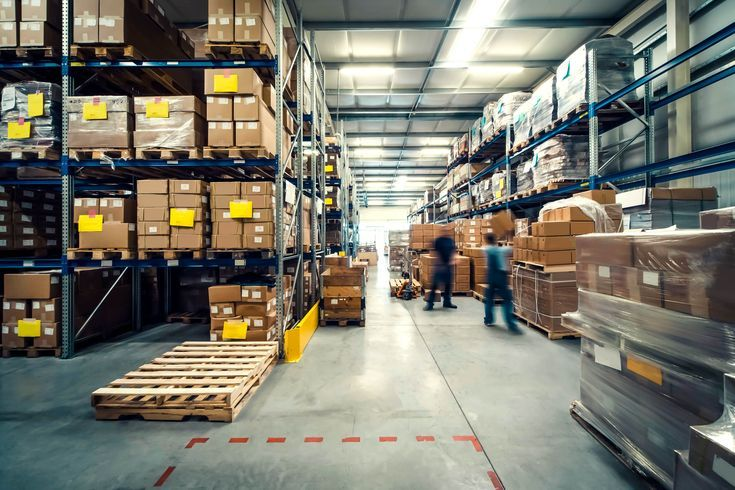
Pickup and Delivery

Top Logistics Ltd will provide most fuel efficient pickup service China
img

Warehousing

We provide free warehousing services for any of your goods.

img

Cargo Insurance

The cargo insurance protects your goods all the way to any Any FBA Warehouse
img

Custom Clearance

We handle all paperwork and other details for you.

img

Loading Inspection

Ensure safe packaging and loading of goods in your suppliers' factory.

Here We Are

GET ANYTYPE QUOTE FROM HERE.

Your Best Freight Forwarder from China to Antigua and Barbuda

  • Top Logistics Ltd delivers premier ocean freight services from China to Antigua and Barbuda, optimizing your shipping solutions.
  • Top Logistics Ltd ensures competitive air freight services from China to Antigua and Barbuda, offering efficient and cost-effective shipping solutions tailored to your needs.
  • Top Logistics Ltd excels in expert customs clearance services in China, ensuring smooth processing for your shipments.
  • Top Logistics Ltd offers complimentary warehouse services and customized loading solutions, enhancing your shipping experience.
  • Top Logistics Ltd ensures meticulous supervision during container loading, safeguarding the integrity of your cargo throughout the process.
  • Top Logistics Ltdprovides efficient pick-up and delivery solutions across China, ensuring timely and reliable transportation of your goods.
  • Top Logistics Ltd offers continuous 24/7 online assistance, ensuring immediate support for all inquiries and needs.
What customers also want to know

Professional Shipping from China to Antigua and Barbuda: The Ultimate FAQ Guide

Primary seaport: St. John’s, Antigua
Main airport: V.C. Bird International Airport (ANU)

Typical sea routes:

  • China → US East Coast → Antigua

    • China main port (Shanghai/Ningbo/Shenzhen) → Miami / Port Everglades / Jacksonville
    • Then feeder service to St. John’s
    • Sea transit China → US East Coast: 25–30 days
    • US East Coast → Antigua: 5–10 days, often weekly or fortnightly
    • Overall door‑to‑port: roughly 35–50 days, depending on feeder frequency.
  • China → Caribbean hub → Antigua

    • China → Kingston (Jamaica) / Port of Spain (Trinidad) / Bridgetown (Barbados)
    • Then feeder to St. John’s
    • Similar total time, but sometimes faster if hub schedules line up better.

For urgent or high‑value cargo, we sometimes use air to Miami / Panama / London / regional hub → ANU, with total transit often 5–10 days door‑to‑airport, subject to flights and connections.

Both models are used in practice:

  • Direct to St. John’s (sea freight)

    • Simpler: one customs regime, one main B/L.
    • Fewer carriers and sailings; some weeks there may be no direct call.
    • Best when you have enough volume and flexible timing.
  • Via a regional hub (St. Maarten / Barbados / Trinidad, etc.)

    • More frequent mainline services and better rates to the hub.
    • Then short sea leg or barge to Antigua & Barbuda.
    • Can be faster overall and easier to book space on popular lanes like China → Miami/Kingston.

If your buyer or their agent is already using a particular hub (e.g. Miami + Caribbean feeder network), routing through that hub can also simplify consolidation with other suppliers.

We usually compare total cost + total transit time for direct vs. via‑hub and let you and the consignee choose the best fit.

No, as long as the intermediate leg is handled correctly:

  • At the US port or Caribbean hub, your cargo should remain in bond / transit status, not cleared for local consumption.
  • It is then shipped onward to Antigua, where it is first and only formally imported and duties/taxes are paid.

You would pay twice only if:

  • A local entity imports the goods into the US or hub country first, then re‑exports to Antigua. That is a commercial choice, not a necessity.

To avoid accidental double import:

  • Make sure all documents and forwarder instructions clearly show final destination: Antigua & Barbuda and that the hub port is “for transshipment” only.

Core documentation:

  • Commercial Invoice

    • Full shipper/consignee details;
    • Clear, specific product descriptions (e.g. “LED light fixtures 220‑240V” instead of “electrical goods”);
    • HS code suggestion;
    • Unit prices and total value in USD or XCD;
    • Incoterm (FOB/CFR/CIF, etc.).
  • Packing List

    • Number and type of packages;
    • Net/gross weights, total volume;
    • Container number(s) if by sea.
  • Bill of Lading / Air Waybill

    • Correct consignee and notify party;
    • Marks & numbers consistent with packing list.
  • Certificate of Origin (China), often helpful for proper tariff classification.

  • Product‑specific certificates, when applicable:

    • Sanitary or phytosanitary certificates for food, plants, and some animal products;
    • MSDS for chemicals, paints, batteries;
    • Technical sheets and safety certificates for electrical and electronic items.

Common clearance delays come from:

  • Vague descriptions not matching HS codes;
  • Obvious under‑valuation;
  • Missing health or safety certificates for food/chemicals/pharma.

Share draft documents with the consignee’s broker in St. John’s before loading so they can request corrections early.

Antigua & Barbuda typically applies:

  • Import duty on CIF value based on HS code (tariff bands follow CARICOM‑style CET ranges; rates vary by product).
  • ABST (Antigua & Barbuda Sales Tax) – currently around 15% for most goods – calculated on CIF + duty (and sometimes other charges).
  • Often a Revenue Recovery Charge (RRC) (around 10% in many cases) and/or environmental levies on certain items (e.g. vehicles, electronics, some plastics).

To avoid surprises:

  1. Have the consignee’s local customs broker:

    • Confirm the HS code they intend to use;
    • Specify duty %, RRC %, ABST %, and any special levies.
  2. Use your realistic CIF price to calculate an example:

    • CIF 10,000 USD → duty X% → RRC Y% → ABST 15% on the subtotal.

That gives your buyer a true landed cost estimate before booking, preventing disputes when the goods are sitting in St. John’s.

LCL can be attractive for small volumes but has Caribbean‑specific issues:

  • LCL containers are consolidated in a hub (Miami, Kingston, etc.), then re‑consolidated to Antigua;
  • Each extra handling step adds time and risk (delays, mis‑routing, partial short‑landed cargo);
  • LCL destination charges in Antigua (unloading, warehouse handling, documentation, storage) are often high per m³.

Typical patterns we see:

  • < 5–7 m³ / light cargo – LCL usually fine, if time is flexible;
  • ≈ 7–12 m³ or 3–6 tons – always compare LCL vs. 20′ FCL;
  • Beyond this, a small FCL to Antigua or to a hub + short sea leg is often cheaper and more predictable.

We normally quote both options with a destination LCL charge estimate so that you’re not misled by low main‑freight only quotes.

Key constraints:

  • Feeder services into St. John’s can be weekly or less frequent;
  • From roughly June to November (Atlantic hurricane season), schedules are more volatile. Vessels may re‑route, be delayed offshore, or have calls skipped.
  • Port of St. John’s has limited yard space; extended dwell times are undesirable.

Planning tips:

  • Get a 3‑month sailing plan for the whole route (China → hub → Antigua) and work backwards from when the buyer really needs the cargo;
  • Add buffer time for projects/events, especially in hurricane season—missing one feeder can postpone ETA by 1–2 weeks;
  • For high‑urgency goods in peak storm months, consider airfreight to ANU or air to nearby islands with short sea/ferry onward.

A specialist like Top Logistics Ltd will flag risky windows and propose alternative routings when schedules are unstable.

Yes, and on a small island they matter a lot:

  • Food, beverages, and agricultural products

    • Need appropriate sanitary/phyto certificates;
    • Subject to health inspections;
    • Some meats, dairy, and fresh produce may be restricted.
  • Pharmaceuticals, medical devices, nutraceuticals

    • Usually require import licences/approvals from health authorities;
    • Registration and labeling standards can apply.
  • Chemicals, pesticides, hazardous goods

    • Need full MSDS and may require special permits;
    • Some substances are banned or heavily controlled.
  • Used vehicles, second‑hand electronics, scrap

    • Environmental, safety, and age restrictions may limit or condition imports;
    • Extra levies can apply.

Before shipping any of these:

  • Have the buyer’s customs broker or competent authority confirm in writing that the product is importable and list required permits/certificates and approximate duty/tax.

Do not “try a test shipment” of sensitive goods—re‑exporting from Antigua is expensive and storage space is limited.

Antigua & Barbuda generally uses:

  • Voltage/frequency: ~230V, 60Hz (some premises may also have 110V supplies);
  • Plug types: mix of North American (Type A/B) and sometimes UK‑style (Type G) depending on building/hotel.

For appliances and electronics:

  • Clarify with your buyer which voltage and plug type their customers need;
  • Make sure labels and manuals (in English) clearly show voltage, frequency, and safety warnings;
  • For building products (e.g. roofing, glass), buyers may ask about hurricane‑resistance standards (not a customs rule, but a commercial requirement).

Provide technical datasheets and conformity documents to your buyer; if customs queries a shipment, having these ready speeds answers and builds confidence.

For small or e‑commerce shipments (1–50 kg):

  • International courier (DHL, UPS, FedEx, etc.)

    • Transit: typically 3–7 working days;
    • Courier clears cargo (often acting as broker) and bills the consignee for duties/taxes;
    • Higher per‑kg price but reliable for samples and high‑value items.
  • Postal channels (China Post → Antigua & Barbuda Post)

    • Lowest base cost, but:
      • 2–6 weeks transit is common;
      • Tracking can be patchy;
      • Parcels may sit awaiting customs/collection.
  • Regional consolidators via Miami or another hub

    • Parcels consolidated in China, flown/sailed to the hub, then moved to Antigua;
    • Pricing and reliability vary by network.

Whichever you choose:

  • Use accurate descriptions and realistic values;
  • Ask your logistics provider what ABST/duty thresholds and admin fees apply to low‑value parcels so your end‑customer isn’t shocked at pickup.
Don’t Take Our Words for it

Listen to What Our Clients Say about Our Freight Forwarding Service

Design Quality

The design quality of the international logistics platform emphasizes clarity, efficiency, and usability. The interface is clean and well-organized, allowing users to manage shipments, track cargo status, and access transportation details with minimal effort. Visual hierarchy and consistent layout improve navigation across freight booking, documentation, and delivery modules. The design effectively supports complex logistics operations while maintaining a professional and modern appearance.

Jon D. William
Founder of Mixbix

Features Availability

The platform offers comprehensive feature availability to support end-to-end international logistics operations. Key functions such as freight booking, real-time shipment tracking, customs documentation management, carrier coordination, and delivery status updates are consistently accessible and reliable. These features ensure smooth handling of complex transportation workflows and provide users with full operational visibility at every stage of the supply chain.

Warleman Joliues
Co-Founder Carion ltd

Code Quality

The overall code quality of the international logistics system demonstrates a solid engineering foundation. The architecture is well-structured, with clear separation between freight management, customs clearance, tracking, and billing modules, which improves maintainability and scalability. Naming conventions are consistent and business-oriented, making complex logistics workflows such as multi-leg transportation, carrier allocation, and door-to-door delivery easier to understand and extend. Error handling and data validation are implemented thoughtfully, reducing risks in high-volume shipment processing. Overall, the codebase reflects a strong balance between performance, reliability, and long-term extensibility, which is critical for global freight operations.

Sakira K. Lilliam
Ceo of Axone