


Shipping from China to Iceland

Services

What we do

Services

img

Sea Freight From China To Iceland

Top Logistics Ltd offers cost-effective and reliable sea freight services from China to Iceland via major Chinese ports and established European gateway ports, followed by onward feeder or direct Iceland service depending on the schedule. Supported by coordinated carrier planning and controlled cargo handling, we help reduce avoidable delays and maintain consistent transit performance. Sea freight is a strong option for retail inventory, project materials, and heavier shipments where economical transportation and scalable capacity are priorities.

img

Air Freight From China To Iceland

For urgent, time-sensitive, or high-value shipments, Top Logistics Ltd arranges fast and secure air freight from China to Iceland through major airline networks into Keflavík and/or via European hubs with onward uplift. We prioritize uplift reliability, export coordination, and end-to-end tracking so your cargo moves with fewer disruptions. Air freight solutions can include documentation support and delivery planning aligned with flight availability and Iceland import procedures.

img

Door to Door Shipping from China to Iceland

Top Logistics Ltd provides fully managed door-to-door shipping from China to Iceland, covering each step from supplier pickup to final delivery. Services can include export paperwork preparation, international transport, customs clearance coordination, duty/VAT planning, and last-mile delivery to your warehouse, store, or project site. With centralized coordination and shipment visibility, we simplify cross-border logistics while balancing speed, cargo security, and total landed cost.

FCL Shipping from China To Iceland

Top Logistics Ltd handles Full Container Load (FCL) shipping from China to Iceland for shippers who need dedicated container capacity, clearer scheduling, and reduced handling exposure. We support standard container types such as 20GP, 40GP, and 40HQ, with coordinated booking to European gateways and onward feeder arrangements into Iceland. FCL is ideal for higher-volume cargo that benefits from sealed container movement and improved cost predictability per unit.

LCL Shipping from China To Iceland

For smaller volumes or consolidated orders, Top Logistics Ltd offers flexible LCL (Less than Container Load) shipping from China to Iceland. Through structured consolidation schedules and controlled cargo handling from origin warehouse to destination deconsolidation, we help keep freight moving smoothly while minimizing unnecessary delays. LCL is a practical option to reduce shipping spend when you do not have enough volume for a full container, while still maintaining reliable transit planning into Iceland.

Features

More Services Shipping from China To Iceland

img

Pickup and Delivery

Top Logistics Ltdwill provide most fuel efficient pickup service China

img

Warehousing

We provide free warehousing services for any of your goods.
img

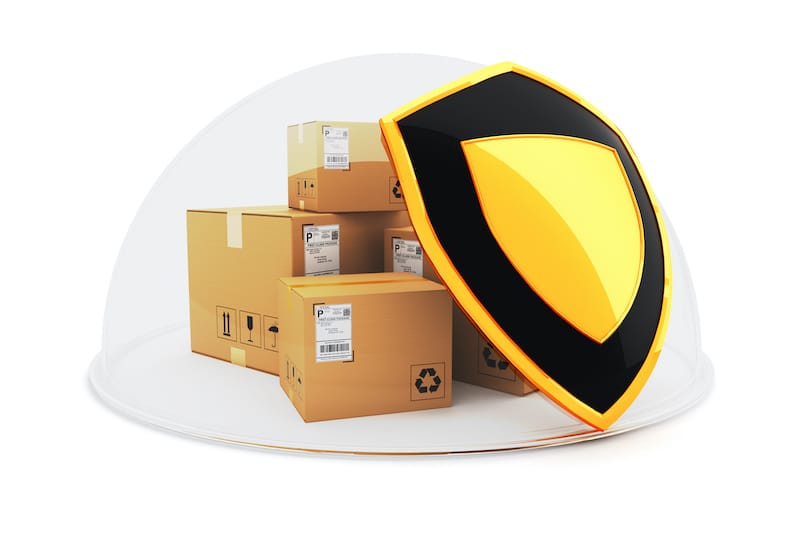
Cargo Insurance

The cargo insurance protects your goods all the way to any Any FBA Warehouse
img

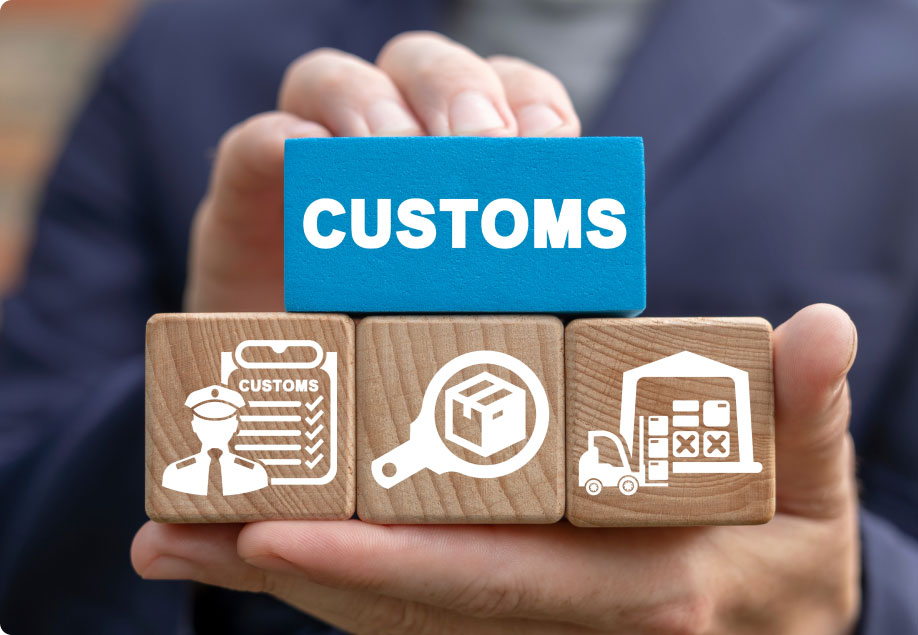
Custom Clearance

We handle all paperwork and other details for you.

img

Loading Inspection

Ensure safe packaging and loading of goods in your suppliers' factory.
Here We Are

GET ANYTYPE QUOTE FROM HERE.

Your Best Freight Forwarder from China to Iceland

  • Provide the best ocean freight from China to Iceland
  • Provide the competitive air freight from China to Iceland
  • The professional work for customs clearance in China
  • Provide the free warehouse service and loading solution
  • The container loading supervision service
  • Pick up and delivery service in China
  • 24/7 online support
What customers also want to know

Professional Shipping from China to Iceland: The Ultimate FAQ Guide

Most containerized imports are handled through Reykjavík area ports and other key terminals depending on carrier service. The right port choice depends on the shipping line’s Iceland call pattern, your final delivery location, and whether the cargo needs direct discharge in Iceland or can move via a European gateway with a feeder connection. We select the route by comparing total transit time, feeder frequency, and destination delivery cost, not only the ocean freight rate.

Iceland services often connect through Northern Europe hubs because direct sailings from Asia to Iceland are limited. This adds a transshipment leg, which can introduce variability if the first vessel is delayed or the feeder schedule is tight. We reduce risk by choosing routings with realistic connection buffers and by aligning factory readiness with consolidation and cutoff times, especially for LCL cargo.

Sea transit is typically measured in weeks, and timing depends on the origin port, the chosen European gateway, and feeder frequency into Iceland. Common delay causes include missed transshipment connections, port congestion at the gateway, and weather-related schedule changes in the North Atlantic. We provide a milestone schedule (pickup, cutoff, mainline sailing, feeder leg, discharge, clearance, delivery) so you can plan inventory with appropriate buffer time.

Iceland is in the EEA and part of the Schengen Area, but it is not in the EU Customs Union. Practically, that means Iceland has its own customs clearance process and import VAT/duty handling, even though many product standards align closely with Europe. Importers should be prepared with accurate declarations, HS codes, and product descriptions. We coordinate documents and clearance steps with local partners so the goods can be released without avoidable holds.

Iceland import charges generally include customs duty (depending on HS code), import VAT, and processing fees. The key to a correct estimate is accurate HS classification and a proper customs value basis. We can help you prepare a landed-cost estimate by confirming product descriptions, checking likely HS codes, and including destination handling and delivery—so you can budget beyond the freight cost alone.

LCL works for smaller volumes but may involve extra handling and additional fees at both the European gateway and in Iceland (CFS deconsolidation). FCL reduces touch points and usually offers better cargo security and schedule control once volume is sufficient. Because feeder frequency to Iceland can be limited, LCL timing is more sensitive to cutoffs. We compare LCL vs FCL using your actual CBM/weight, cargo sensitivity, and the receiving plan in Iceland.

Yes. Delivery is straightforward around Reykjavík, but for remote areas you should plan for longer trucking lead times, limited delivery slots, and seasonal weather impacts. We confirm the delivery address format, contact person, unloading requirements, and whether the consignee can receive during specific hours. For oversized cargo, we also check route restrictions and equipment availability (crane/forklift) to avoid failed deliveries.

Typical requirements include Commercial Invoice, Packing List, Bill of Lading/Air Waybill, and commodity-specific documents such as conformity declarations, MSDS for chemicals, and certificates for regulated items. Delays often occur due to vague descriptions, mismatched weights, missing consignee registration details, or incomplete product specifications. We pre-check documents, ensure consistency, and prepare supporting files so customs questions can be answered quickly.

For fragile cargo, we recommend reinforced packing, palletization, and moisture protection because North Atlantic routes can have humid and cold conditions that increase condensation risk. For temperature-sensitive items, we evaluate whether air freight is necessary and whether thermal packaging or controlled-temperature solutions are required. We also plan the handover and delivery timing to reduce exposure to adverse conditions after discharge.

Cost control usually comes from consolidation and planning: combine multiple suppliers into a single shipment, optimize carton sizes to reduce chargeable volume, and choose the best gateway based on feeder reliability rather than the cheapest initial ocean rate. Shipping earlier to avoid peak season also helps. We provide multiple routing options and explain where each option saves money versus where it increases schedule risk.

Don’t Take Our Words for it

Listen to What Our Clients Say about Our Freight Forwarding Service

Code Quality

The overall code quality of the international logistics system demonstrates a solid engineering foundation. The architecture is well-structured, with clear separation between freight management, customs clearance, tracking, and billing modules, which improves maintainability and scalability. Naming conventions are consistent and business-oriented, making complex logistics workflows such as multi-leg transportation, carrier allocation, and door-to-door delivery easier to understand and extend. Error handling and data validation are implemented thoughtfully, reducing risks in high-volume shipment processing. Overall, the codebase reflects a strong balance between performance, reliability, and long-term extensibility, which is critical for global freight operations.

Sakira K. Lilliam
Ceo of Axone

Customer Support

Our customer support team delivers responsive and knowledgeable assistance throughout the entire international logistics process. From shipment booking and cargo tracking to customs clearance and final delivery, inquiries are handled promptly with clear, accurate communication. The team understands complex transportation routes, carrier schedules, and documentation requirements, ensuring potential issues are resolved before they impact delivery timelines. This high level of support builds trust and provides customers with confidence in every shipment.

Sofia Harvey
Chairman News grove

Design Quality

The design quality of the international logistics platform emphasizes clarity, efficiency, and usability. The interface is clean and well-organized, allowing users to manage shipments, track cargo status, and access transportation details with minimal effort. Visual hierarchy and consistent layout improve navigation across freight booking, documentation, and delivery modules. The design effectively supports complex logistics operations while maintaining a professional and modern appearance.

Jon D. William
Founder of Mixbix