

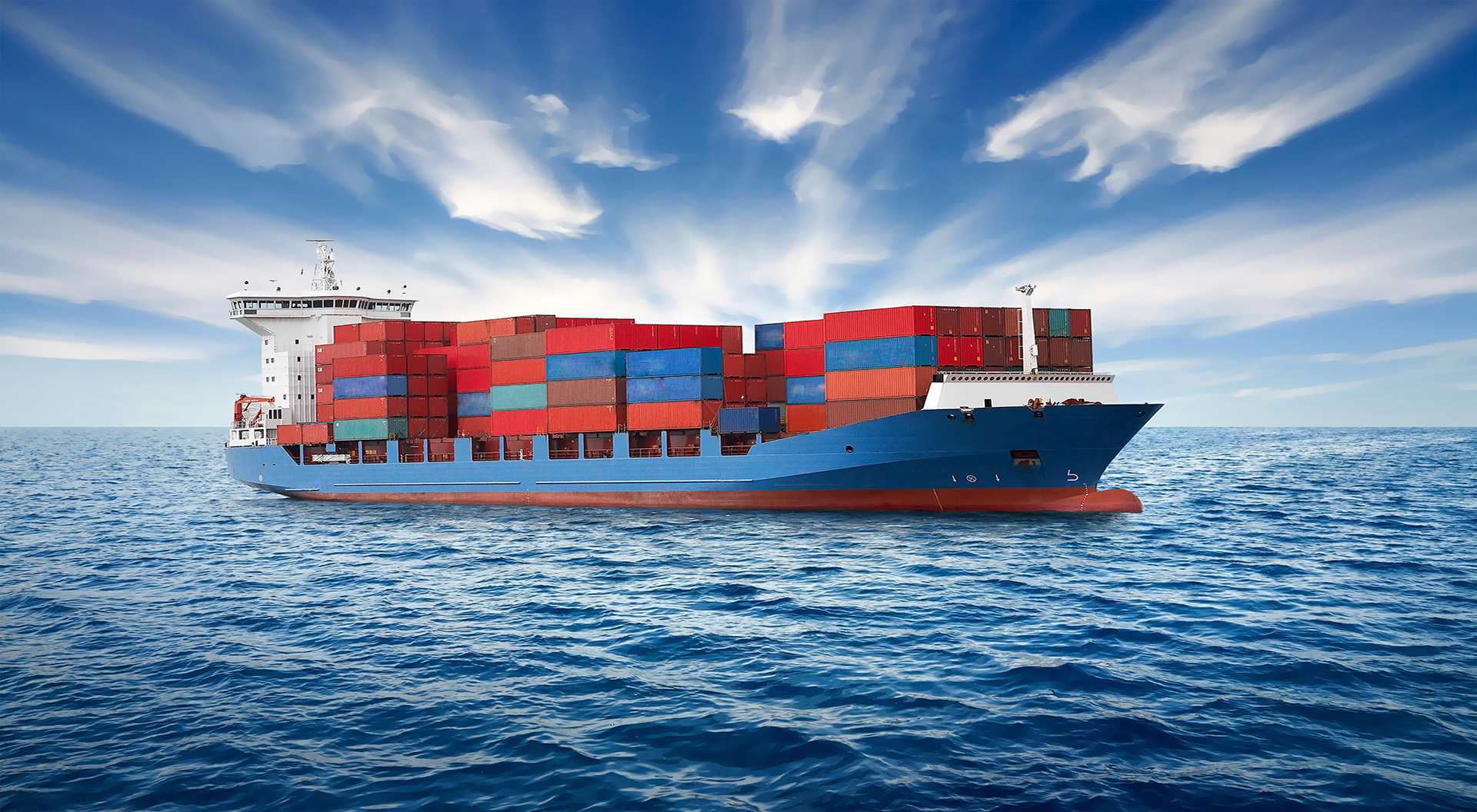
Top Logistics Ltd provides reliable, cost‑effective freight solutions from China to Estonia for importers, manufacturers, wholesalers, and e‑commerce sellers. Using well‑established China–Europe trade lanes and strong partnerships with Baltic and Nordic logistics networks, we design secure, compliant transport plans that match your cargo type, delivery deadlines, and budget targets.
From factory pick‑up in China to final delivery in Tallinn, Tartu, Narva, Pärnu, and industrial parks across Estonia, Top Logistics Ltd manages the entire logistics chain: export formalities, sea, rail, or air transport, EU customs clearance, and domestic distribution. Whether you ship consumer goods, electronics, machinery, building materials, or consolidated e‑commerce parcels, we ensure a smooth, transparent, and hassle‑free shipping experience from China to Estonia.
Top Logistics Ltd organises dependable sea freight from major Chinese ports such as Shanghai, Ningbo, Shenzhen, Qingdao, and Xiamen to Estonia via key Northern European hubs. Containers typically arrive at ports like Hamburg, Rotterdam, or Gdańsk and are then moved by feeder vessels or trucks to Tallinn and other Baltic destinations. With regular sailings, competitive FCL and LCL options, and professional port handling, ocean freight is the most economical choice for high‑volume shipments of consumer products, furniture, textiles, electronics, and industrial materials destined for the Estonian market.
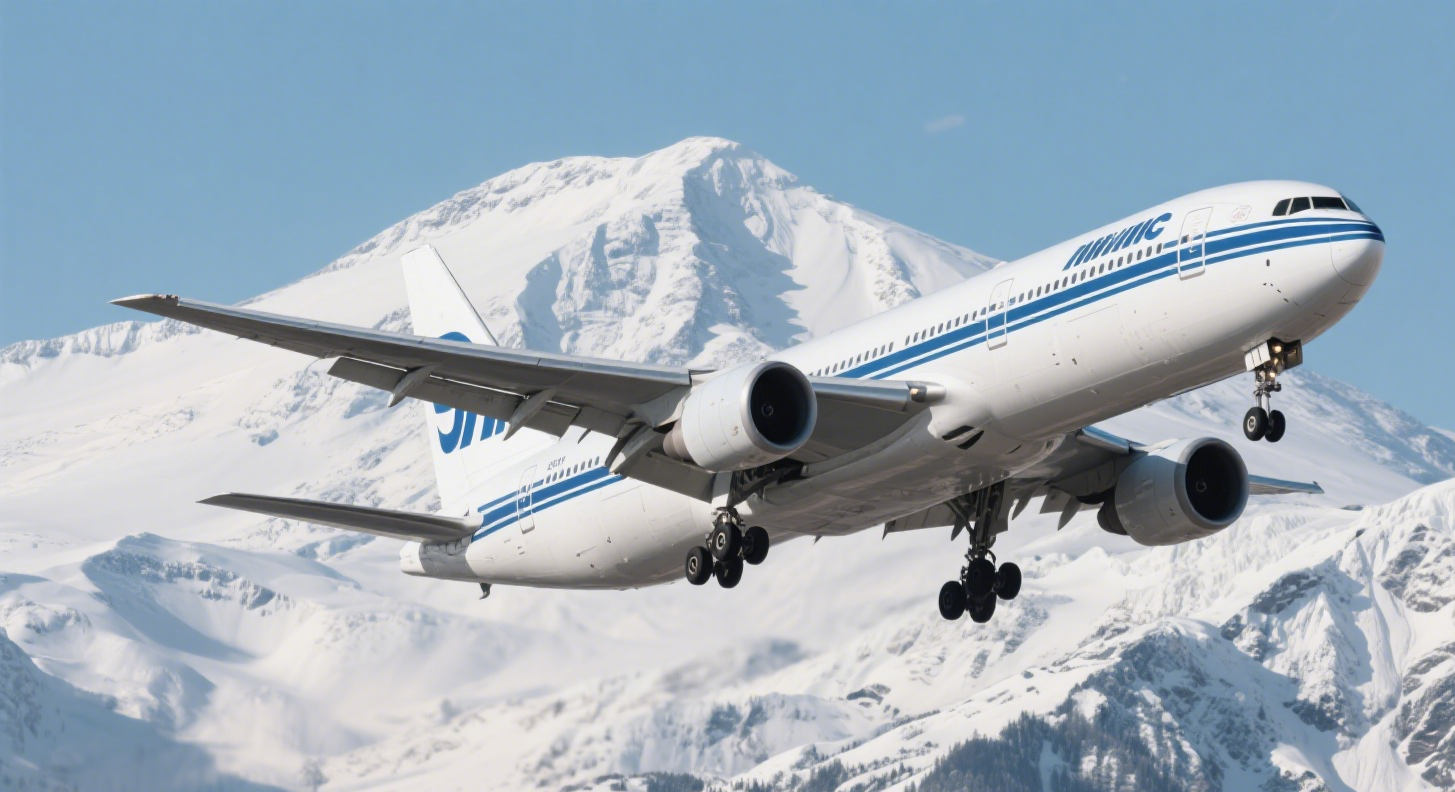
Top Logistics Ltd delivers fast and secure air freight services from major Chinese airports to Tallinn Airport and nearby European hubs such as Helsinki, Riga, or Warsaw. Designed for urgent, high‑value, or temperature‑sensitive goods, our air solutions use optimised connections, priority handling, and full documentation support to ensure short transit times and reliable delivery throughout Estonia, from airport‑to‑airport or complete door‑to‑door service.
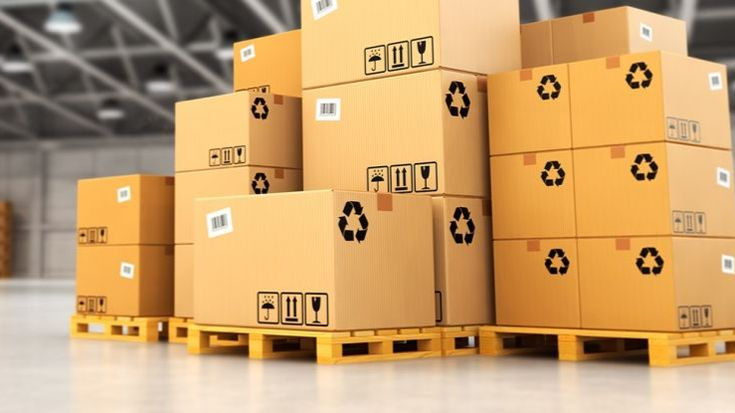
Top Logistics Ltd provides integrated door‑to‑door logistics from China to Estonia, combining sea, rail, air, and road transport as needed. We coordinate pick‑ups from suppliers, manage export clearance, oversee main‑leg transport and EU import procedures, and arrange final delivery to warehouses, distribution centres, retail stores, and fulfilment hubs across Estonia. This end‑to‑end approach removes the need to coordinate multiple service providers and gives you full visibility over timing and cost for every China–Estonia shipment.

Top Logistics Ltd specialises in Full Container Load (FCL) services from China to Estonia, offering 20GP, 40GP, and 40HQ containers for large or heavy consignments. With secure loading at origin, efficient routing via North European ports, and real‑time tracking, FCL is ideal for building materials, machinery, automotive parts, bulk consumer goods, and project cargo where low unit freight cost, minimal handling, and high cargo security are essential.
Top Logistics Ltd provides Less than Container Load (LCL) services from China to Estonia, allowing small and medium‑sized shipments to share container space. Through professional consolidation at Chinese ports and controlled deconsolidation at Baltic or North European hubs, we keep freight costs under control while maintaining dependable transit times into Tallinn and other Estonian cities. LCL is particularly suited to spare parts, small‑batch orders, and diverse product ranges for Estonian distributors and online sellers.
Top Logistics Ltd will provide most fuel efficient pickup service China
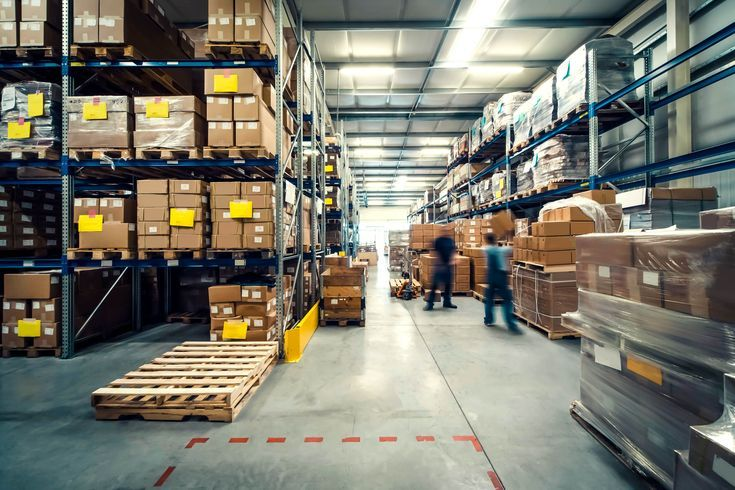
We provide free warehousing services for any of your goods.
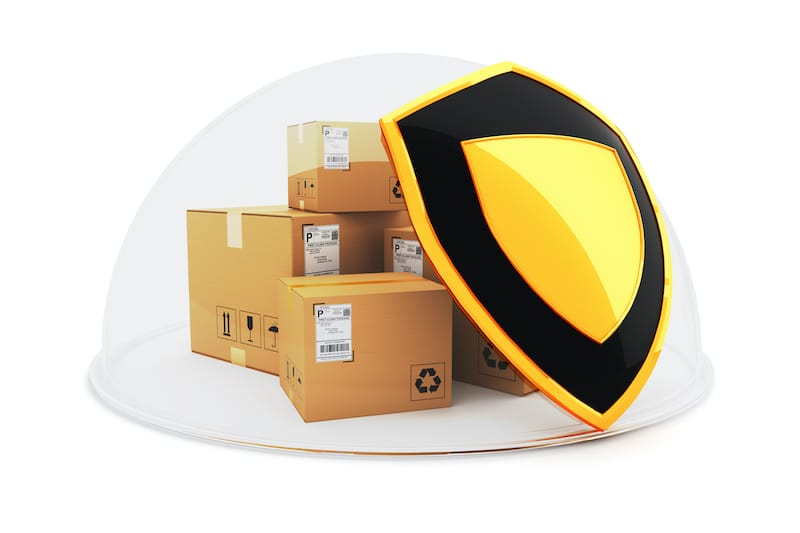
The cargo insurance protects your goods all the way to any Any FBA Warehouse
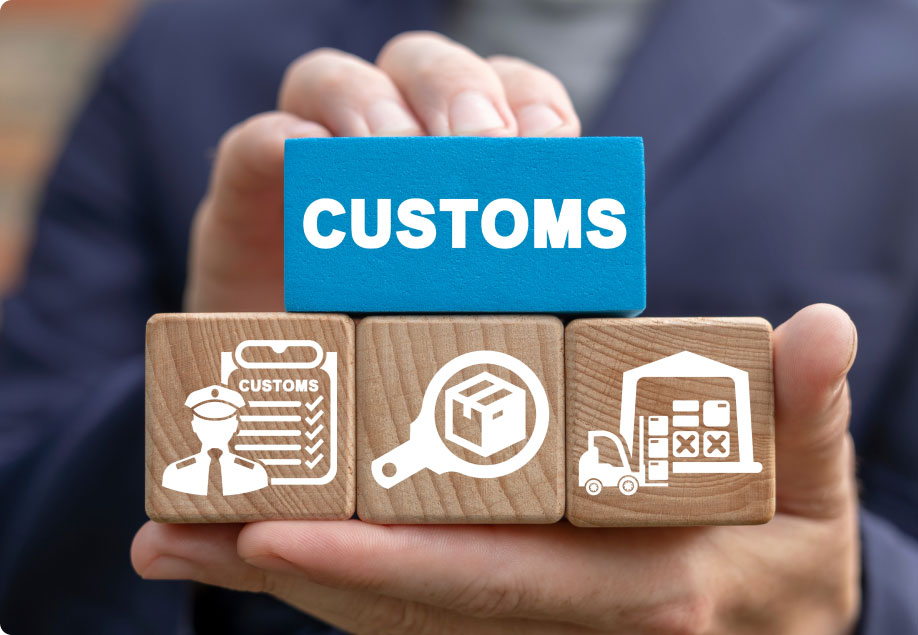
We handle all paperwork and other details for you.

Ensure safe packaging and loading of goods in your suppliers' factory.
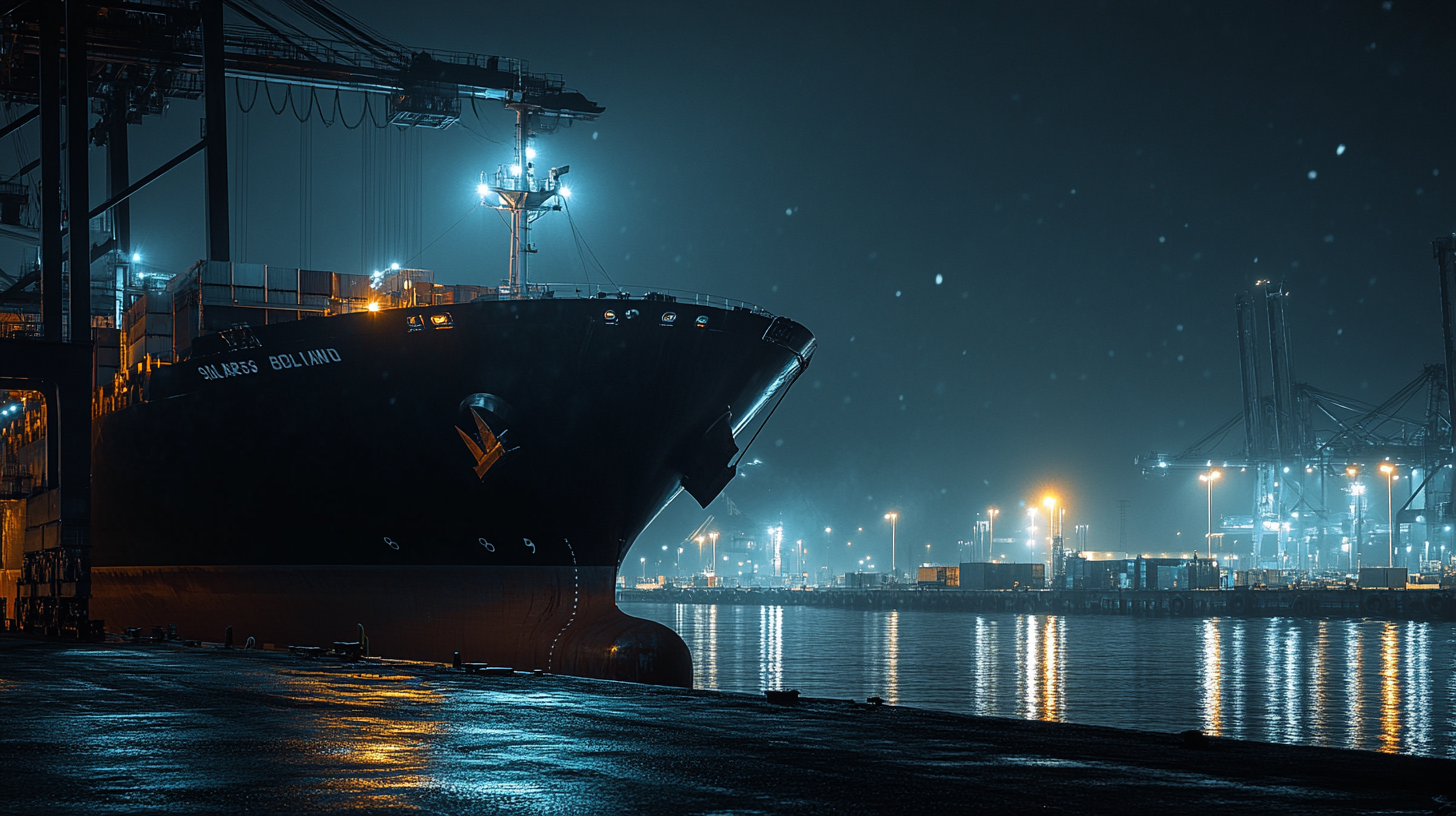
Transit times depend on the origin, routing, and mode of transport. Sea freight from main Chinese ports (Shanghai, Ningbo, Shenzhen, Qingdao) to North European hubs, followed by feeder or trucking to Estonia, usually takes around 30–38 days door‑to‑door, including sailing, transshipment, customs clearance, and inland haulage. Rail freight from Chinese rail hubs such as Xi’an, Chongqing, Chengdu, or Hefei into the Baltic region generally requires 18–24 days to reach Estonian warehouses. Air freight is fastest: most door‑to‑door air shipments from China to Estonia are delivered within 4–7 days, depending on flight frequency, chosen hub (Helsinki, Riga, Warsaw, or direct to Tallinn where available), and customs processing time. Top Logistics Ltd reviews your deadlines and proposes the most appropriate mode or combination.
Estonia applies EU customs rules, so all imports from China must be declared electronically through the EU customs system. A customs declaration with correct HS codes, origin, and customs value is submitted by a customs broker or authorised importer. Duties and Estonian import VAT are then calculated, and customs may decide whether to release the shipment immediately, request further documents, or inspect the cargo. Clearance can occur at the first EU entry port (e.g., Hamburg or Rotterdam) with the goods moved under transit to Estonia, or directly in Estonia if Tallinn is the first point of EU entry. Top Logistics Ltd cooperates with trusted brokers to classify your goods correctly, prepare declarations, and coordinate any inspections, helping you avoid delays and unexpected costs.
Essential documents are a commercial invoice, packing list, and the transport document—bill of lading for sea, rail waybill for rail, or air waybill for air freight. Depending on the products, you may also need:
Customs duties are based on the EU Common Customs Tariff and calculated on the customs value of your goods—usually the CIF value plus certain costs. The duty rate depends on the HS classification and origin. Estonia applies standard EU VAT, generally 22%, to imports, calculated on the customs value plus duties and some fees. Top Logistics Ltd uses your product descriptions and HS codes to estimate duties and VAT before shipping so that you know your likely landed cost. If you are VAT‑registered in Estonia or another EU country, import VAT is typically recoverable through your tax returns; we can coordinate with your tax advisers to choose clearance setups (such as postponed accounting in some cases) that best support your cash flow.
FCL is usually preferable when your goods can fill at least 60–70% of a container or when cargo is high‑value, fragile, or sensitive to handling. Benefits include exclusive use of the container, reduced risk of damage and pilferage, simpler customs treatment, and lower cost per cubic metre. LCL is ideal for smaller, irregular, or test shipments where a full container would be underutilised—perfect for spare parts, small e‑commerce batches, or product launches. LCL involves additional consolidation and deconsolidation steps, adding a few days to overall transit. Top Logistics Ltd compares FCL and LCL options for each booking and advises which choice provides the best cost–service balance for your Estonian imports.
Shipments from China typically call at large North European ports such as Hamburg, Rotterdam, Bremerhaven, or Gdańsk. From these hubs, containers move by feeder vessels to Tallinn or by truck/rail to Estonia. Some services may route via Scandinavian hubs with short‑sea connections. The chosen gateway impacts sailing frequency, port and handling charges, and inland transport distance. Top Logistics Ltd evaluates these factors based on your delivery location, commodity, and timing, then selects the routing that offers the most reliable transit at the most competitive total cost.
After customs release, containers and LCL cargo are moved by truck or combined road‑rail to final destinations such as Tallinn, Tartu, Narva, Pärnu, Rakvere, and logistics parks near major highways. For e‑commerce and parcel traffic, we can inject shipments directly into local courier and postal networks. Top Logistics Ltd chooses suitable vehicles—container chassis, curtain‑siders, box trucks, or smaller vans—based on cargo characteristics and delivery conditions. We plan delivery appointments, arrange unloading equipment if necessary, manage the return of containers to depots to avoid detention charges, and supply proof‑of‑delivery documents for your records.
Many products entering Estonia must comply with EU regulations for safety and environmental protection. Electrical and electronic items typically need CE marking and must meet directives such as LVD, EMC, and RoHS; chemicals must comply with REACH registration and labelling; toys, PPE, machinery, and medical devices have their own specific rules. Market‑surveillance authorities can check your technical documentation and test samples after entry. While legal responsibility rests with the EU importer, Top Logistics Ltd helps you identify which products are regulated, connects you with accredited testing and certification partners in China and the EU, and aligns documentation and labelling with these requirements. This reduces the risk of customs issues or subsequent market‑surveillance actions in Estonia.
For online sellers, Top Logistics Ltd offers cross‑border e‑commerce solutions that combine consolidated air or rail line‑haul from China with parcel‑network delivery in Estonia and the wider EU. We can manage IOSS‑related VAT treatment for low‑value B2C shipments, bulk customs clearance, and final‑mile distribution through Estonian couriers and postal partners. Services include returns handling, labelling and barcoding for Estonian and EU standards, and integration of tracking data with your e‑commerce platforms. This allows you to provide Estonian customers with predictable delivery times and transparent costs.
Cost savings usually come from optimising shipment size, mode, and timing. Consolidating multiple purchase orders into fewer FCL shipments reduces per‑unit freight and handling charges. For moderately urgent cargo, rail can replace some air shipments, cutting costs while still offering faster delivery than sea. Top Logistics Ltd also helps improve container utilisation by adjusting packaging and palletisation, negotiates volume‑based rates with carriers on your behalf, and recommends shipping outside peak seasons such as Chinese New Year, Golden Week, and pre‑Christmas, when rates and congestion increase. Where appropriate, we can design multi‑modal solutions (for example, sea‑rail) that combine low cost with improved transit times.
The design quality of the international logistics platform emphasizes clarity, efficiency, and usability. The interface is clean and well-organized, allowing users to manage shipments, track cargo status, and access transportation details with minimal effort. Visual hierarchy and consistent layout improve navigation across freight booking, documentation, and delivery modules. The design effectively supports complex logistics operations while maintaining a professional and modern appearance.
Our customer support team delivers responsive and knowledgeable assistance throughout the entire international logistics process. From shipment booking and cargo tracking to customs clearance and final delivery, inquiries are handled promptly with clear, accurate communication. The team understands complex transportation routes, carrier schedules, and documentation requirements, ensuring potential issues are resolved before they impact delivery timelines. This high level of support builds trust and provides customers with confidence in every shipment.
The overall code quality of the international logistics system demonstrates a solid engineering foundation. The architecture is well-structured, with clear separation between freight management, customs clearance, tracking, and billing modules, which improves maintainability and scalability. Naming conventions are consistent and business-oriented, making complex logistics workflows such as multi-leg transportation, carrier allocation, and door-to-door delivery easier to understand and extend. Error handling and data validation are implemented thoughtfully, reducing risks in high-volume shipment processing. Overall, the codebase reflects a strong balance between performance, reliability, and long-term extensibility, which is critical for global freight operations.