

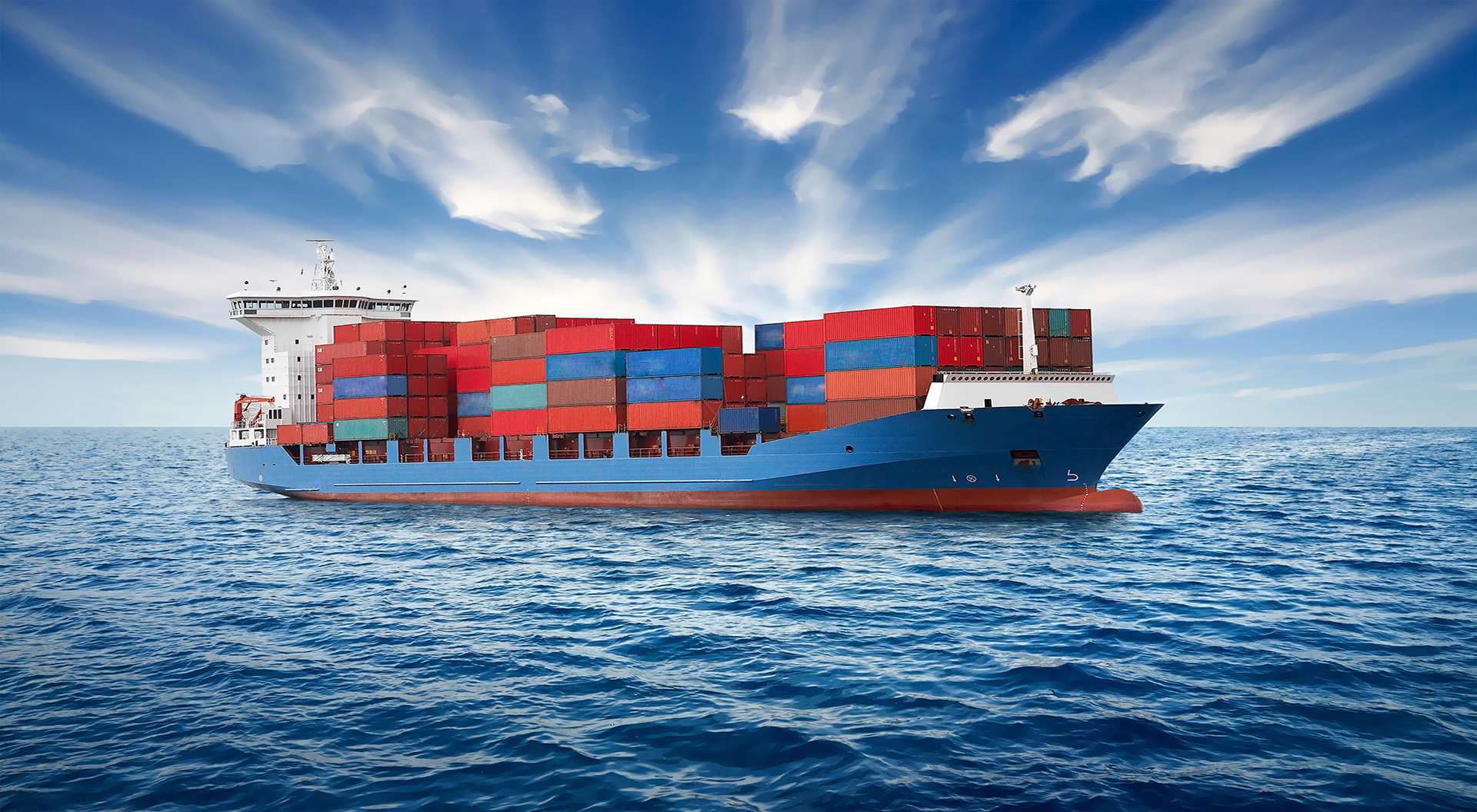
Shipping from China to Djibouti

Services

What we do

Services

img

Sea Freight From China To Djibouti

Top Logistics Ltd organises dependable sea freight from major Chinese ports such as Shanghai, Ningbo, Shenzhen, Qingdao, and Tianjin to the Port of Djibouti and Doraleh terminal. With regular sailings via key transshipment hubs in the Middle East and Asia, flexible FCL and LCL options, and professional container and breakbulk handling, ocean freight is an economical solution for construction materials, machinery, consumer goods, food products, and transit cargo destined for Ethiopia and the wider region.

img

Air Freight From China To Djibouti

Top Logistics Ltd offers fast and secure air freight services from primary Chinese airports to Djibouti–Ambouli International Airport, often routed via major hubs such as Dubai, Addis Ababa, Doha, or Istanbul. Designed for urgent, high‑value, or sensitive shipments, our air solutions feature optimised connections, priority handling, temperature‑controlled options where required, and full documentation support to ensure rapid customs processing and reliable delivery to consignees and bases across Djibouti.
img

Door to Door Shipping from China to Djibouti

Top Logistics Ltd delivers integrated door‑to‑door logistics from China to Djibouti, combining sea, air, and inland transport as needed. We coordinate supplier pick‑up, export customs, main‑leg transport, Djiboutian import or free‑zone procedures, and final delivery to warehouses, construction sites, embassies, and logistics parks. This end‑to‑end solution reduces the need to manage multiple providers, improves shipment visibility, and ensures consistent quality for all China–Djibouti movements, including transit cargo into Ethiopia.

FCL Shipping from China To Djibouti

Top Logistics Ltd specialises in Full Container Load (FCL) services from China to Djibouti, providing 20GP, 40GP, and 40HQ containers for high‑volume or heavy cargo. With secure loading at origin, carrier and route selection tailored to the Red Sea corridor, and full shipment tracking, FCL is ideal for machinery, building materials, relief supplies, and large commercial orders where reduced handling, better cargo security, and competitive unit costs are essential.

LCL Shipping from China To Djibouti

Top Logistics Ltd offers Less than Container Load (LCL) shipping from China to Djibouti, allowing smaller consignments to share container space. Through professional consolidation at Chinese ports and controlled deconsolidation at Djibouti or regional hubs, LCL helps importers and project teams lower freight costs while maintaining dependable lead times. LCL is particularly suitable for spare parts, sample orders, and mixed consumer goods for Djiboutian retailers or Ethiopian buyers using Djibouti as their seaport.

Features

More Services Shipping from China To Djibouti

img

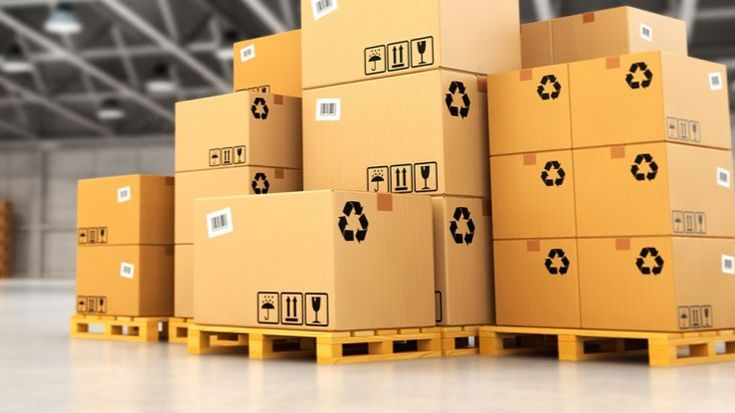
Pickup and Delivery

Top Logistics Ltd will provide most fuel efficient pickup service China
img

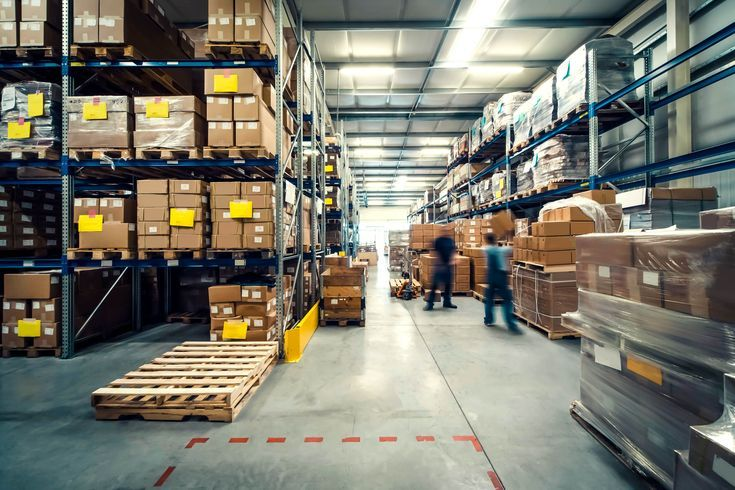
Warehousing

We provide free warehousing services for any of your goods.
img

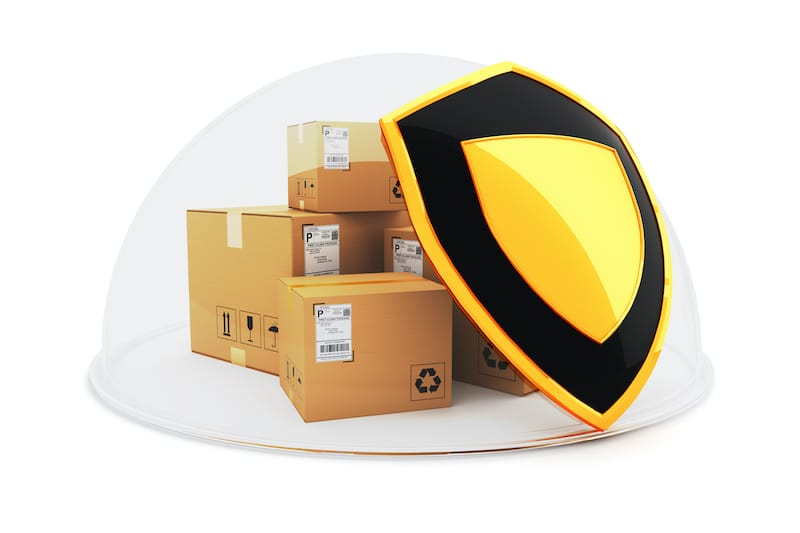
Cargo Insurance

The cargo insurance protects your goods all the way to any Any FBA Warehouse
img

Custom Clearance

We handle all paperwork and other details for you.

img

Loading Inspection

Ensure safe packaging and loading of goods in your suppliers' factory.

Here We Are

GET ANYTYPE QUOTE FROM HERE.

Your Best Freight Forwarder from China to Djibouti

  • Provide the best ocean freight from China to Djibouti
  • Provide the competitive air freight from China to Djibouti
  • The professional work for customs clearance in China
  • Provide the free warehouse service and loading solution
  • The container loading supervision service
  • Pick up and delivery service in China
  • 24/7 online support
What customers also want to know

Professional Shipping from China to Djibouti: The Ultimate FAQ Guide

Transit times depend on the origin port, chosen carrier, and transshipment hubs. Sea freight from major Chinese ports such as Shanghai, Ningbo, or Shenzhen to Djibouti usually takes about 22–32 days port‑to‑port. When including export procedures in China and final delivery in Djibouti, overall door‑to‑door timing is typically 28–38 days. Sailings often route via Singapore, Jebel Ali, or other Gulf hubs, and different carriers may offer slightly faster or slower services. Air freight from China to Djibouti, routed through hubs like Dubai, Addis Ababa, or Doha, generally arrives within 3–7 days door‑to‑door, depending on flight frequency, consolidation time, and customs clearance speed. Top Logistics Ltd compares available routings and schedules for each shipment to match your time and budget needs.

Djibouti operates both national import regimes and special procedures for transit and free‑zone cargo. For goods destined for the Djiboutian market, customs clearance is performed at the Port of Djibouti or Doraleh, with duties and taxes assessed on CIF value using the national tariff. For shipments moving onward to Ethiopia or other neighbours, cargo is often declared under transit or free‑zone procedures, with reduced or deferred local taxes. Top Logistics Ltd works with local brokers to determine the correct regime, prepare import or transit declarations, and obtain necessary guarantees. For Ethiopian cargo, we coordinate with Ethiopian forwarding partners to ensure the paperwork is consistent so that goods can exit Djibouti and be cleared smoothly at the Ethiopian border or inland dry ports.

Essential documents include a commercial invoice, packing list, and transport document (bill of lading for sea shipments or air waybill for air). Depending on the product and whether the cargo is for Djibouti or transit, additional documents may be required: certificate of origin, phytosanitary or veterinary certificates for food and agricultural products, analysis certificates for chemicals, quality certificates, and, in some cases, letters of credit or aid‑agency documentation. Chinese suppliers typically issue the invoice and packing list, carriers issue the transport documents, and chambers of commerce or authorised bodies issue certificates of origin. Top Logistics Ltd reviews draft documents before loading, advises on correct consignee details (e.g., free‑zone entities, Ethiopian consignees using Djibouti), and ensures all paperwork meets local banking and customs requirements to avoid clearance issues.

For imports into Djibouti, duties and taxes are calculated based on the HS classification, customs value (usually CIF), and any applicable excise or additional levies. Different product categories—such as vehicles, fuel, food, and consumer goods—can have significantly different rates. Free‑zone and transit cargo may be exempt from many local duties, but fees still apply for port handling, documentation, and, in some cases, warehouse storage. Top Logistics Ltd works with local customs experts to use your product descriptions and HS codes to estimate expected duties and taxes in advance, giving you visibility on landed costs. For long‑term projects, we can also help you explore investment or free‑zone schemes that offer duty relief for equipment and materials used in approved developments.


FCL is usually preferred for larger volumes or for cargo that will transit onward to landlocked countries such as Ethiopia. With FCL, you maintain better security, minimise re‑handling, and often enjoy faster transit through ports and dry ports, which is important when containers must cross borders. LCL is useful for smaller volumes destined to Djibouti City or free‑zone warehouses, where consolidation services are frequent. However, for transit cargo, LCL may involve additional unpacking and repacking steps, increasing handling time and risk. Top Logistics Ltd reviews your cargo volume, final destination, and risk tolerance to recommend FCL or LCL, and can sometimes consolidate multiple suppliers into one FCL to provide the benefits of full‑container transport without over‑purchasing stock.

The primary maritime entry point is the Port of Djibouti and the adjacent Doraleh terminals, which handle containers, bulk, and oil. Djibouti’s deep‑water facilities serve not only its domestic market but also act as the main seaport for Ethiopia and a transit hub for relief cargo into the Horn of Africa. Because of this regional role, port operations can be busy, with large container volumes and many transit procedures. Top Logistics Ltd maintains close communication with terminal operators and local agents to monitor congestion and schedule changes, and to plan container pick‑up and returns efficiently, reducing storage, demurrage, and detention charges for customers.

Within Djibouti, inland moves are usually by truck from the port or airport to warehouses in Djibouti City, free‑zone facilities, military bases, or project sites. For Ethiopia and other neighbours, containers move by truck or a combination of rail and road along established corridors, particularly the Djibouti–Addis Ababa railway and road network. Top Logistics Ltd partners with vetted trucking and rail operators that understand local regulations, security requirements, and convoy procedures where applicable. We manage gate appointments at terminals, monitor border procedures, arrange unloading at dry ports or customers’ sites, and provide proof of delivery and transit closure documents, which are crucial for recovering any customs guarantees posted for transit cargo.

Humanitarian organisations, UN agencies, and military bases often use Djibouti as a logistics hub for regional operations. Their cargo can be subject to special exemptions, security vetting, and strict timelines. Top Logistics Ltd is familiar with the documentation and coordination requirements of such shipments, including diplomatic notes, exemption letters, and consignment tracking and reporting obligations. We arrange secure handling areas when required, coordinate with base or warehouse receiving teams for scheduled off‑loading, and align ocean and air arrivals with field deployment plans. For aid cargo transiting onward (e.g., to Ethiopia, Somalia, or Yemen), we work with specialised partners to manage cross‑border formalities and ensure traceability throughout the chain.

Cost savings can be achieved by choosing the right combination of mode, routing, and consolidation. For non‑urgent volumes, regular FCL sea freight is usually the most economical. Consolidating multiple orders from different Chinese suppliers into shared containers or scheduled LCL departures reduces per‑unit freight and port charges. Selecting carriers with stable Red Sea services and suitable transshipment hubs helps avoid heavy congestion and extra storage costs. Top Logistics Ltd also works on packaging and palletisation to improve container utilisation, advises on shipping calendars that avoid peak seasons and known disruption periods, and negotiates local handling and trucking tariffs through long‑term partnerships with Djiboutian providers. For high‑value shipments, we balance the use of air freight for critical items with sea freight for bulk components to keep overall logistics budgets under control.

Common causes of delay include incomplete or inconsistent documentation, last‑minute booking changes, port congestion at transshipment hubs or Djibouti, customs queries, and security or weather‑related disruptions in the Red Sea region. Top Logistics Ltd mitigates these risks by performing thorough pre‑shipment checks of invoices, packing lists, and certificates, booking space in advance on reliable services, and maintaining alternative routing options when a particular hub is congested. Our local partners monitor port operations and customs regulations daily and keep us informed of any changes that might affect your cargo. If delays occur, we notify you promptly, provide revised ETAs, and explore contingency measures such as priority discharge, alternative feeder services, or switching part of the supply to air.

Don’t Take Our Words for it

Listen to What Our Clients Say about Our Freight Forwarding Service

Features Availability

The platform offers comprehensive feature availability to support end-to-end international logistics operations. Key functions such as freight booking, real-time shipment tracking, customs documentation management, carrier coordination, and delivery status updates are consistently accessible and reliable. These features ensure smooth handling of complex transportation workflows and provide users with full operational visibility at every stage of the supply chain.

Warleman Joliues
Co-Founder Carion ltd

Code Quality

The overall code quality of the international logistics system demonstrates a solid engineering foundation. The architecture is well-structured, with clear separation between freight management, customs clearance, tracking, and billing modules, which improves maintainability and scalability. Naming conventions are consistent and business-oriented, making complex logistics workflows such as multi-leg transportation, carrier allocation, and door-to-door delivery easier to understand and extend. Error handling and data validation are implemented thoughtfully, reducing risks in high-volume shipment processing. Overall, the codebase reflects a strong balance between performance, reliability, and long-term extensibility, which is critical for global freight operations.

Sakira K. Lilliam
Ceo of Axone

Customer Support

Our customer support team delivers responsive and knowledgeable assistance throughout the entire international logistics process. From shipment booking and cargo tracking to customs clearance and final delivery, inquiries are handled promptly with clear, accurate communication. The team understands complex transportation routes, carrier schedules, and documentation requirements, ensuring potential issues are resolved before they impact delivery timelines. This high level of support builds trust and provides customers with confidence in every shipment.

Sofia Harvey
Chairman News grove