

Shipping from China to Angola

Services

What we do

Services

img

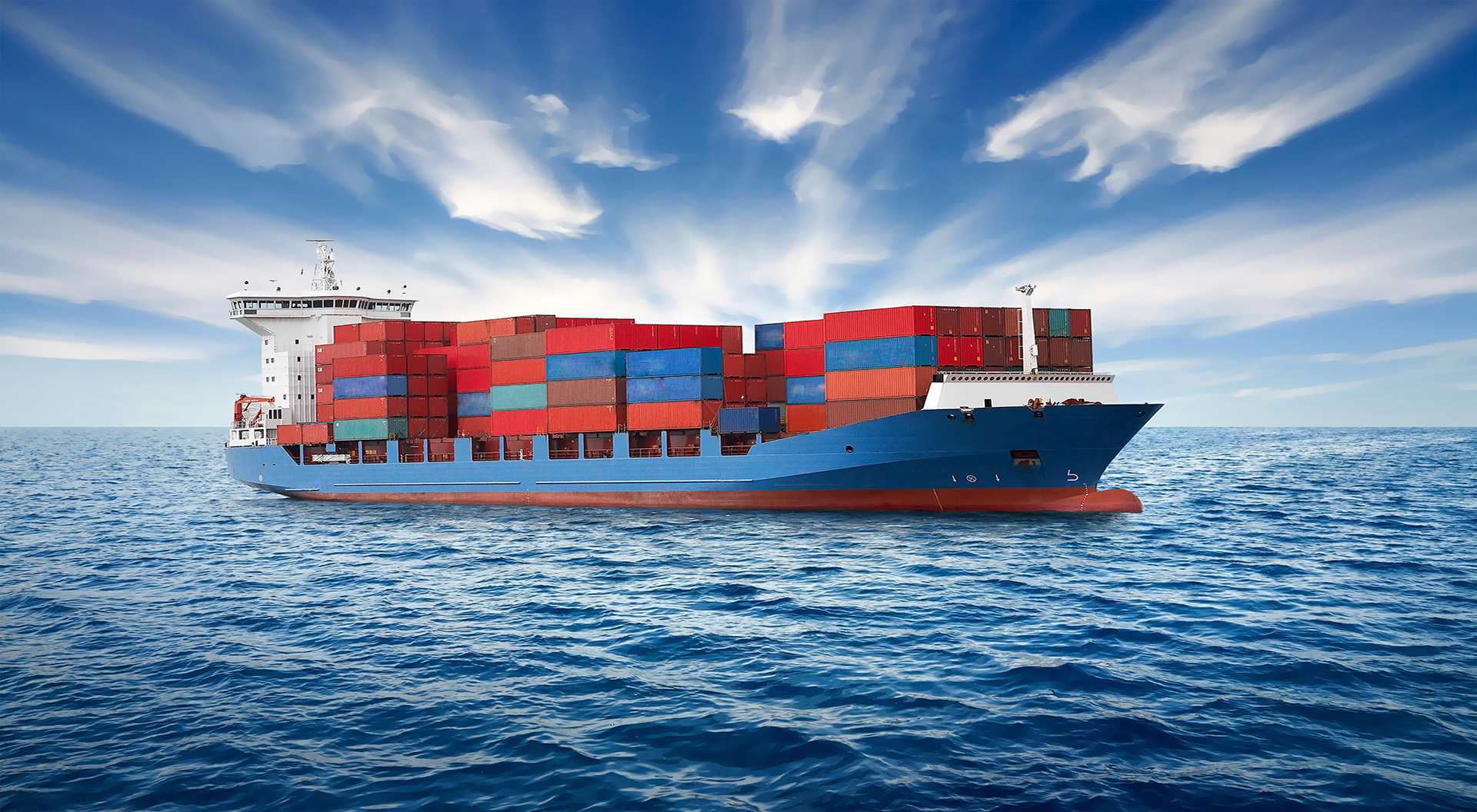
Sea Freight From China To Angola

Top Logistics Ltd arranges sea freight shipments from China to Angola via major Chinese ports such as Shanghai, Ningbo, Shenzhen, and Qingdao, connecting to Angolan seaports including Luanda and Lobito. Sea freight services support both FCL and LCL cargo, offering stable sailing schedules, professional container handling, and cost-efficient ocean transportation. This option is widely used for construction materials, machinery, consumer goods, and large-volume commercial cargo bound for the Angolan market.
img

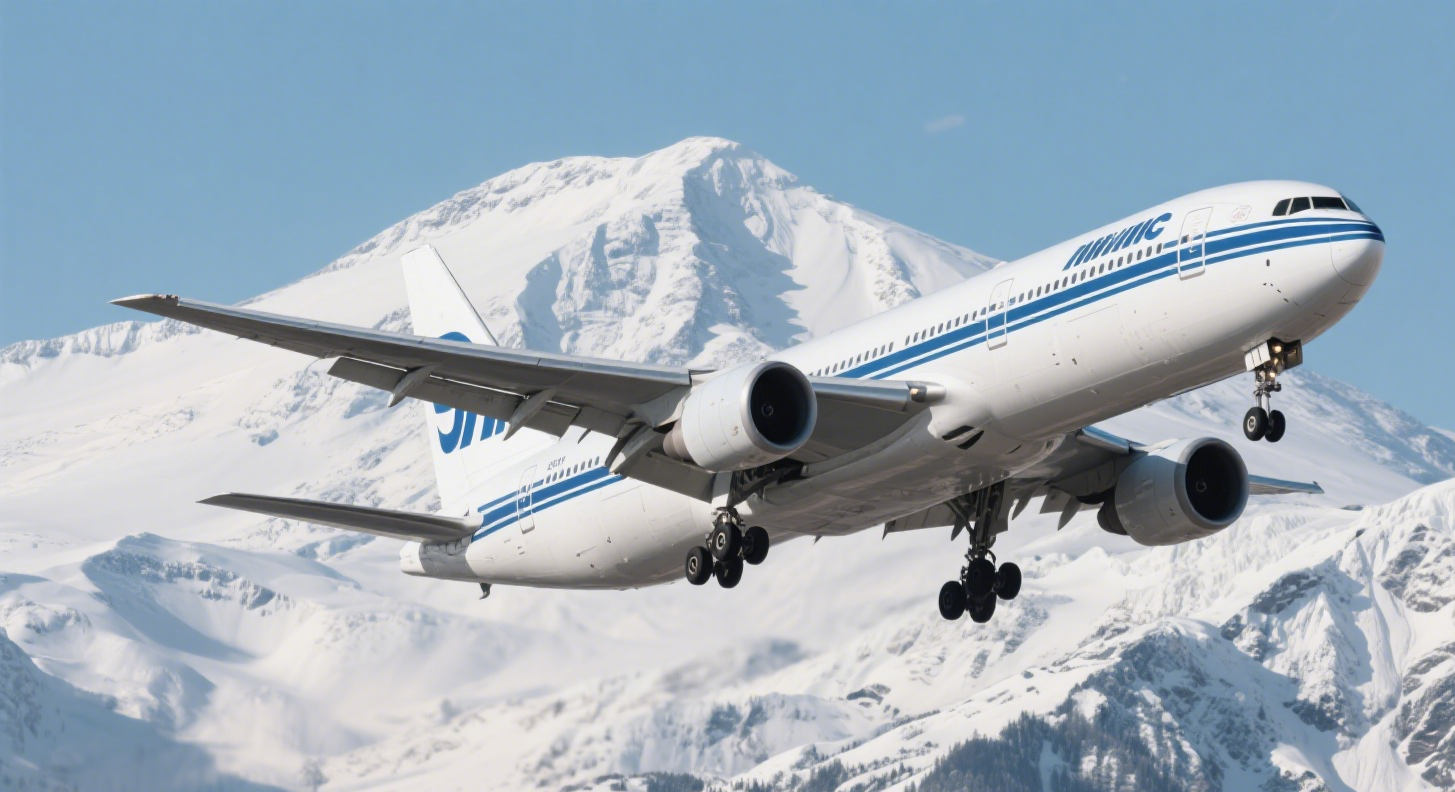
Air Freight From China To Angola

Top Logistics Ltd provides air freight solutions from leading Chinese international airports to Angolan international airports, supporting time-sensitive and high-value shipments. Air freight offers reduced transit times, enhanced cargo handling standards, and coordinated documentation processing. This mode is commonly selected for medical supplies, electronics, spare parts, samples, and urgent commercial goods requiring faster delivery.

img

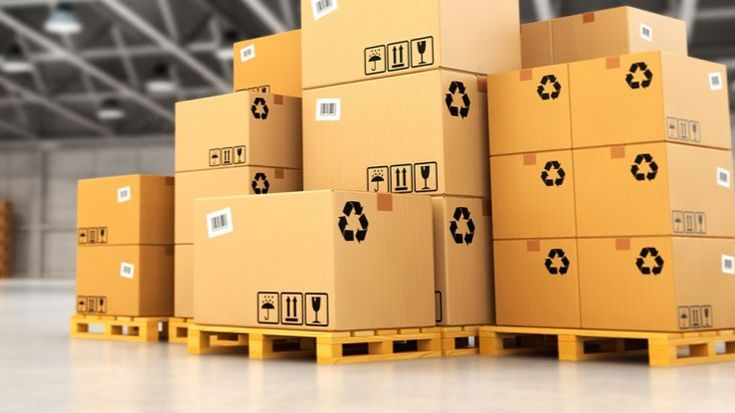
Door to Door Shipping from China to Angola

Top Logistics Ltd offers fully managed door-to-door shipping from China to Angola, covering factory pickup, export customs clearance, international transportation, import handling, and inland delivery to final destinations. Each shipment is planned based on cargo characteristics, delivery location, and Angolan import requirements. Door-to-door services reduce coordination complexity and provide consistent end-to-end shipment control.


FCL Shipping from China To Angola

Top Logistics Ltd provides FCL full container load shipping from China to Angola using dedicated 20GP, 40GP, and 40HQ containers. FCL solutions are designed for heavy, oversized, or high-volume cargo requiring exclusive container use.

Services include secure container loading, optimized carrier selection, controlled port operations, and full shipment visibility. FCL shipping is commonly used for machinery, project cargo, construction equipment, and bulk commercial consignments.

LCL Shipping from China To Angola

Top Logistics Ltd offers LCL less-than-container-load shipping from China to Angola for small and medium-sized shipments. Cargo is professionally consolidated, packed, and handled to ensure safe international transportation.

LCL services include coordinated port handling, destination deconsolidation, and customs processing support. This option allows importers to manage logistics costs while maintaining cargo safety and delivery reliability.

Features

More Services Shipping from China To Angola

img

Pickup and Delivery

Top Logistics Ltd will provide most fuel efficient pickup service China
img

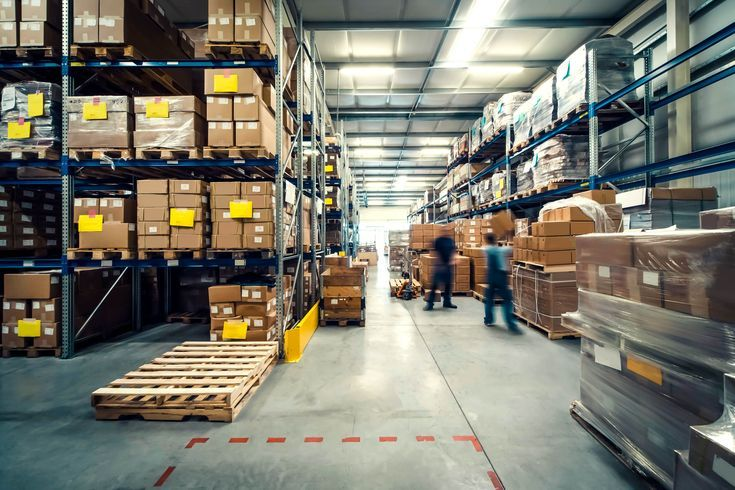
Warehousing

We provide free warehousing services for any of your goods.
img

Cargo Insurance

The cargo insurance protects your goods all the way to any Any FBA Warehouse
img

Custom Clearance

We handle all paperwork and other details for you.

img

Loading Inspection

Ensure safe packaging and loading of goods in your suppliers' factory.

Here We Are

GET ANYTYPE QUOTE FROM HERE.

Your Best Freight Forwarder from China to Angola

  • Provide the best ocean freight from China to Angola
  • Provide the competitive air freight from China to Angola
  • The professional work for customs clearance in China
  • Provide the free warehouse service and loading solution
  • The container loading supervision service
  • Pick up and delivery service in China
  • 24/7 online support
What customers also want to know

Professional Shipping from China to Angola: The Ultimate FAQ Guide

Angola requires a CNCA (Conselho Nacional de Carregadores de Angola) certificate, also called Cargo Tracking Note (CTN), for almost all sea shipments to Angolan ports (Luanda, Lobito, Namibe, etc.).

Key points:

  • CNCA must be issued before vessel arrival (ideally before loading).
  • It is based on your final invoice, B/L draft, packing list, and freight details.
  • In many cases, the CNCA number must appear in the shipping manifest.

If CNCA is missing or incorrect at arrival:

  • Customs can refuse entry or block the cargo;
  • Heavy fines and penalties are applied to the consignee;
  • Your container can sit for weeks accumulating demurrage and storage.

Top Logistics Ltd normally handles CNCA application on your behalf, but you must provide accurate, final documents early enough (before vessel departure) so we can obtain the certificate in time.

Main seaports: Luanda (primary), plus LobitoNamibe, and a few smaller ports.

Typical sea routes we use:

  • Mainline Asia → West Africa service to Luanda

    • China main ports (Shanghai/Ningbo/Shenzhen/Qingdao) → tranship at a hub (e.g. Singapore, Tanjung Pelepas, Tanger Med, Algeciras) → Luanda.
    • Usual port‑to‑port: 30–40 days.
    • Some strings are more reliable than others; missing a feeder can add 1–2 weeks.
  • Via Walvis Bay (Namibia) or Durban (South Africa) + road

    • China → Walvis Bay or Durban → truck into Angola (often to southern or inland provinces).
    • Useful for project cargo or shipments destined to places like Lubango, Huambo, or mining/oil fields, where direct Luanda routing may not be optimal.

Top Logistics Ltd will compare:

  • Direct to Luanda vs. via Walvis Bay/Durban,
  • Not just on sea freight, but also border formalities, transit costs, and transit time to your final destination.

On the Angolan side, the importer must have:

  • Valid tax ID (NIF) and importer registration;
  • Possibly an import license for certain regulated goods (food, pharmaceuticals, chemicals, telecom, etc.);
  • A customs declaration (Documento Único / DU) prepared by a local customs broker.

As exporter, you must make sure that:

  • Your commercial invoice data (name, address, product list, value, Incoterm) match what the importer used to request licenses or bank approvals;
  • HS codes and descriptions are clear and specific (not just “equipment” or “parts”);
  • Any needed certificates (health, quality, origin, CNCA) are issued correctly.

A frequent real‑world problem is: the Angolan importer files one description/price with authorities, but the Chinese exporter issues a different final invoice at shipment. Angola Customs then flags the discrepancy, causing valuation checks, document correction procedures, and long delays.

Top Logistics Ltd can share your draft docs with the Angolan broker before loading so they confirm that everything matches their filings.

Angola’s importers often face limited access to hard currency (USD/EUR). That means:

  • Buyers can be slow to get bank approvals or to pay under open account terms;
  • Some will push for long credit terms or complex payment structures.

For you as a Chinese exporter, this has practical implications:

  • Be cautious with open account;
  • Prefer advance payment, confirmed L/C from reputable banks, or at least strong deposits;
  • Avoid DDP (Delivered Duty Paid): you would be taking on Angolan duties, taxes, and local charges in a volatile FX environment.

Top Logistics Ltd usually encourages:

  • FOB China or CFR/CIF Luanda/Lobito,
  • Letting the Angolan consignee handle customs, local taxes, and Kwanza‑based payments.

We can help your buyer estimate duties and port charges in advance, but the tax payment risk should stay with the importer, not you.

Luanda has historically had congestion and high local charges, although operations have improved. Still, demurrage (shipping line) and storage (terminal) can escalate quickly.

Practical control measures:

  1. Confirm free days in advance

    • Ask precisely: how many demurrage‑free days and storage‑free days are available at Luanda (or Lobito/Namibe)?
    • Get this confirmed in writing with your booking.
  2. Send documents early

    • Invoice, packing list, B/L draft, CNCA data, certificates should reach the Angolan broker well before arrival;
    • This allows them to pre‑register customs entries and avoid last‑minute scrambling.
  3. Avoid arrival just before long holidays or known bottlenecks

    • Public holidays, election periods, or known port congestion windows can slow clearance.
  4. Use telex release where possible

    • If no L/C, avoid relying on physical originals that can get delayed or lost.

Top Logistics Ltd monitors current congestion at Angolan ports and will warn you if certain weeks are riskier for arrival.

For Angola, LCL can be operationally painful because:

  • LCL containers are consolidated with multiple shippers’ goods, so one problematic consignee can hold up the entire container;
  • Destination charges per m³/ton (unloading, warehouse, documentation) at Luanda can be very high compared with ocean freight;
  • Extra handling at transhipment hubs increases risk of delay or mis‑routing.

As a rule of thumb that Top Logistics Ltd sees in practice:

  • If your shipment is under ~8–10 m³ and light, LCL can make sense;
  • From about 10–15 m³ or 7–10 tons upwards, a dedicated 20' FCL often provides:
    • Lower total cost (freight + destination charges);
    • Faster and more predictable clearance.

We always quote both LCL and FCL when your volume is borderline and include an estimate of destination LCL charges so you see the true total.

Yes. Angola restricts or heavily controls:

  • Used vehicles:

    • There are age limits for imported used cars and trucks (exact rules change; older vehicles often banned or heavily taxed).
    • Safety and emission standards may be enforced at import.
  • Used clothing and footwear:

    • Frequently discouraged or restricted for health and economic reasons;
    • Can face high duties or outright bans.
  • Second‑hand/used equipment:

    • Industrial machinery can sometimes be imported, but classification and valuation are sensitive.

Before you ship anything used/second‑hand:

  1. Provide the Angolan broker (via your buyer) with:

    • HS code;
    • Description;
    • For vehicles: year of manufacture, mileage, VIN;
    • For machinery: photos, serial numbers, year, technical description.
  2. Ask for written confirmation that:

    • The goods are importable under current rules;
    • They have an HS code and duty rate plan;
    • No special prohibition applies.

Top Logistics Ltd will not recommend shipping second‑hand goods to Angola without that broker confirmation, because the re‑export risk is very real.

Yes. Angola’s official language is Portuguese, and for many regulated products authorities expect:

  • Labels and user manuals in Portuguese (at least key information);
  • Clear “Made in China” origin marking;
  • For food: ingredient list, net weight, production/expiry date, batch number;
  • For cosmetics/detergents: ingredients, usage, warnings, shelf life;
  • For electrical goods: voltage, frequency (Angola uses 220V / 50Hz), safety warnings.

If your products arrive with only Chinese or vague English labels:

  • Customs or market‑surveillance inspectors can order re‑labeling in Angola, with cost and delay;
  • In some cases, they may block or seize non‑compliant goods.

Top Logistics Ltd advises you to:

  • Coordinate label content with your Angolan customer;
  • Print/apply Portuguese‑compliant labels in China before shipment, wherever possible.

For Angola:

  • FOB China or CFR/CIF Angolan port is usually safest for the exporter.
  • The Angolan importer should handle customs clearance and pay duties/taxes in local currency (Kwanza).

DAP (Delivered at Place, taxes unpaid):

  • Top Logistics Ltd can arrange DAP to a warehouse or site in Angola,
  • But we strongly recommend the buyer still pays all duties, taxes, and customs‑related costs.

DDP (Delivered Duty Paid) to Angola is risky because:

  • You, as exporter, would be responsible for local duties, port charges, and unpredictable extras;
  • Currency fluctuations and valuation disputes can quickly wipe out your margin.

We only consider partial “tax‑inclusive” solutions in Angola when:

  • There is a big, stable project;
  • We have a clear local cost structure with our agent;
  • Responsibilities and price adjustment mechanisms are very clearly defined in contracts.

Angola’s internal logistics can be challenging:

  • Road conditions vary; some corridors (e.g. Luanda–Lobito–Huambo) are relatively better, others degrade in the rainy season;
  • Fuel and truck availability can fluctuate;
  • Cabinda is an exclave separated from mainland Angola by DRC territory.

Common patterns Top Logistics Ltd arranges:

  • Luanda port → truck to central/southern provinces (Huambo, Lubango, etc.);
  • Lobito port for cargo destined to the central belt, reducing back‑haul from Luanda;
  • For Cabinda:
    • Direct shipment to Cabinda port when possible; or
    • Sea/air from Luanda, while handling cross‑border formalities if any transit is via DRC waters/territory.

We quote door‑to‑door from China factory to Angolan inland city, showing you:

  • Main sea freight;
  • Port handling;
  • Inland trucking with realistic transit times (often add several days buffer for inland moves).
Don’t Take Our Words for it

Listen to What Our Clients Say about Our Freight Forwarding Service

Code Quality

The overall code quality of the international logistics system demonstrates a solid engineering foundation. The architecture is well-structured, with clear separation between freight management, customs clearance, tracking, and billing modules, which improves maintainability and scalability. Naming conventions are consistent and business-oriented, making complex logistics workflows such as multi-leg transportation, carrier allocation, and door-to-door delivery easier to understand and extend. Error handling and data validation are implemented thoughtfully, reducing risks in high-volume shipment processing. Overall, the codebase reflects a strong balance between performance, reliability, and long-term extensibility, which is critical for global freight operations.

Sakira K. Lilliam
Ceo of Axone

Design Quality

The design quality of the international logistics platform emphasizes clarity, efficiency, and usability. The interface is clean and well-organized, allowing users to manage shipments, track cargo status, and access transportation details with minimal effort. Visual hierarchy and consistent layout improve navigation across freight booking, documentation, and delivery modules. The design effectively supports complex logistics operations while maintaining a professional and modern appearance.

Jon D. William
Founder of Mixbix

Customer Support

Our customer support team delivers responsive and knowledgeable assistance throughout the entire international logistics process. From shipment booking and cargo tracking to customs clearance and final delivery, inquiries are handled promptly with clear, accurate communication. The team understands complex transportation routes, carrier schedules, and documentation requirements, ensuring potential issues are resolved before they impact delivery timelines. This high level of support builds trust and provides customers with confidence in every shipment.

Sofia Harvey
Chairman News grove