

Shipping from China to Congo

Services

What we do

Services

img

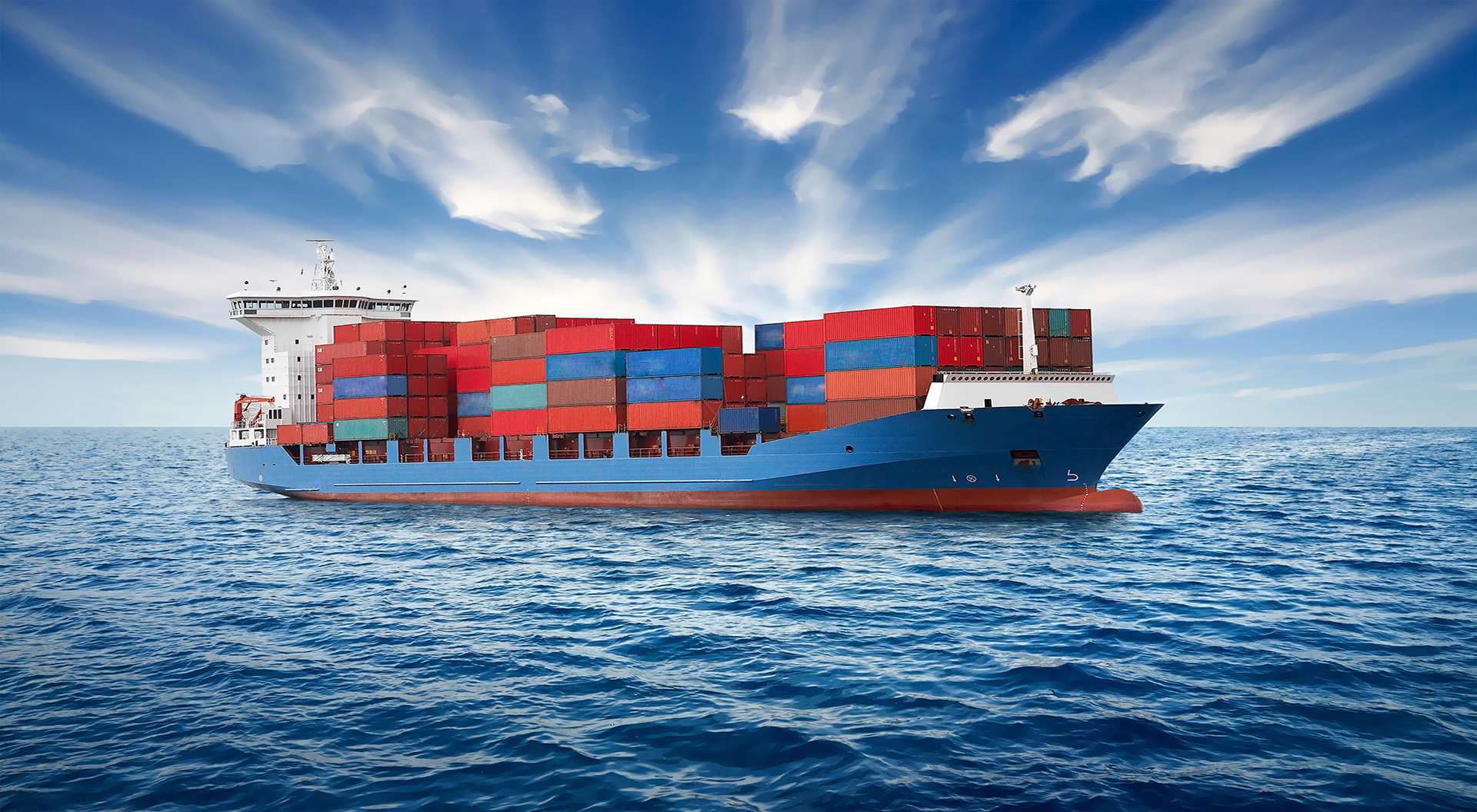
Sea Freight From China To Congo

Top Logistics Ltd offers reliable sea‑freight services from major Chinese ports including Shanghai, Ningbo, Shenzhen, Guangzhou, Qingdao, Tianjin, and Xiamen to key Central African gateways. For the Republic of the Congo, we mainly use Pointe‑Noire, while for the DRC we serve Matadi and, for some routings, Pointe‑Noire with onward inland transport. Cargo usually sails on Asia–West Africa services via transshipment hubs such as Singapore or Port Klang before crossing to the Gulf of Guinea. Our team arranges container booking, export customs in China, and port handling at the African gateway, then coordinates bonded storage and onward road, rail, or river connections into Congo. Sea freight with Top Logistics Ltd is ideal for construction materials, machinery, vehicles and parts (where regulations allow), mining and forestry equipment, FMCG, and project cargo requiring competitive freight rates.
img

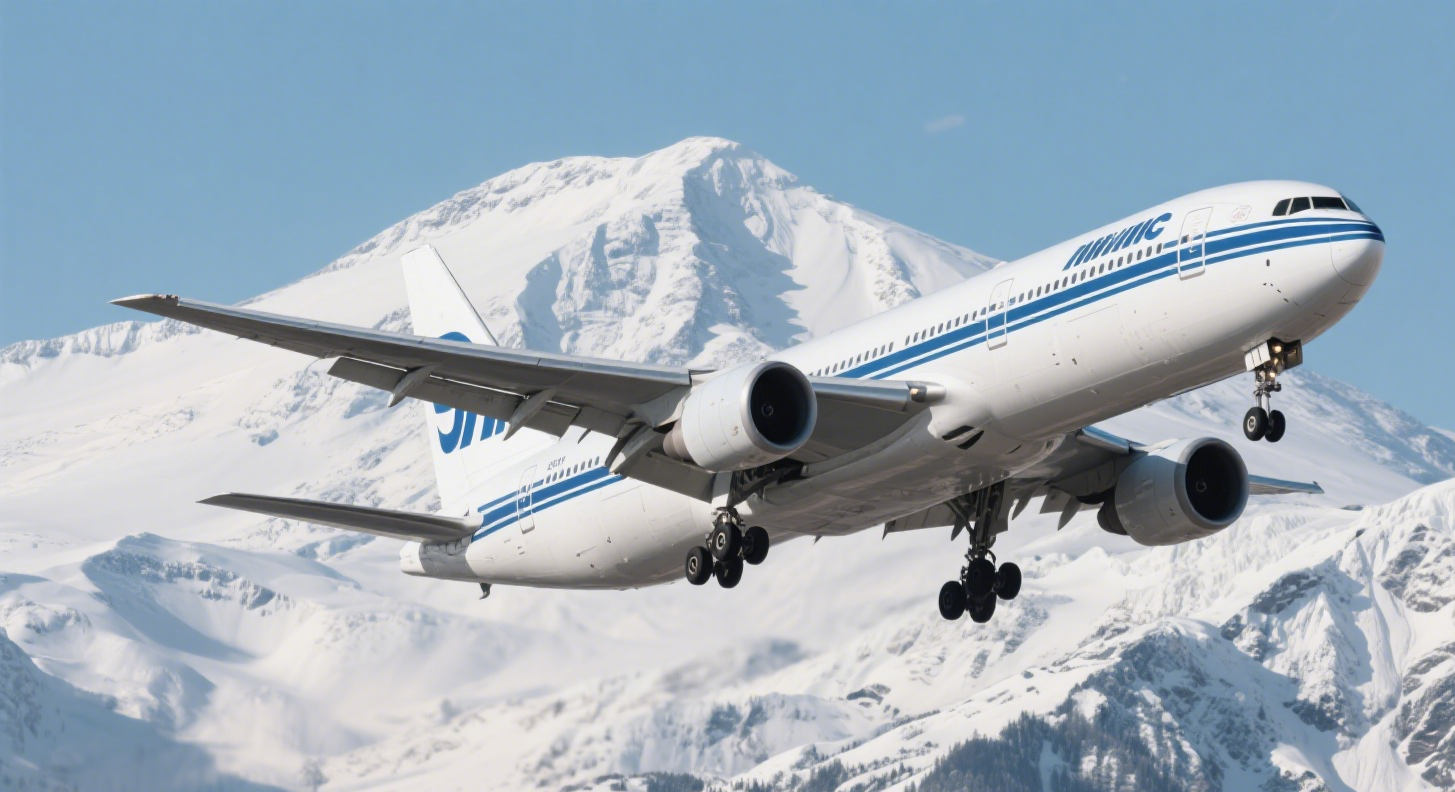
Air Freight From China To Congo

For urgent or high‑value shipments, Top Logistics Ltd provides efficient air‑freight solutions from Chinese gateways such as Shanghai Pudong, Guangzhou, Shenzhen, Beijing, Chengdu, and Hong Kong to main Congolese airports. For Congo‑Brazzaville we serve Brazzaville Maya‑Maya (BZV) and Pointe‑Noire, and for the DRC we serve Kinshasa N’Djili (FIH), Lubumbashi (FBM) and other regional airports, typically via Addis Ababa, Nairobi, Johannesburg, Istanbul, Dubai, Doha, Paris, or Brussels. We plan routings that combine short transit times with stable capacity, making air freight suitable for telecom and IT equipment, pharmaceuticals, humanitarian relief supplies, critical oilfield or mining spares, and high‑value electronics. Top Logistics Ltd handles pickup, export customs, airline booking, transfer supervision, destination handling, customs assistance, and final delivery, giving you a fast, monitored China‑to‑Congo air service.
img

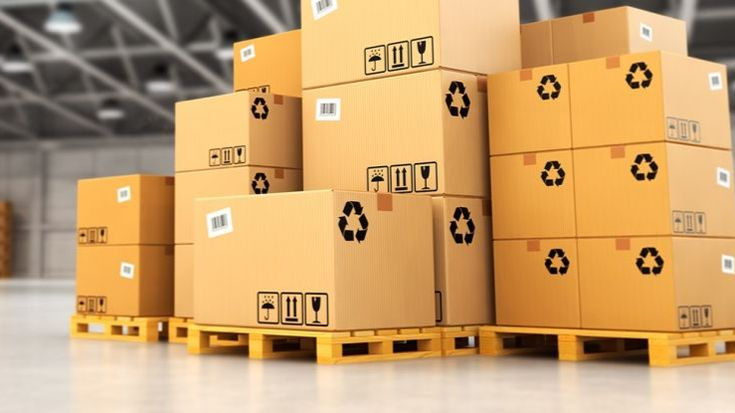
Door to Door Shipping from China to Congo

Top Logistics Ltd delivers true door‑to‑door shipping from Chinese factories directly to receivers across Congo. We collect cargo from one or multiple suppliers in China, consolidate and pack where necessary, complete export documentation, and move shipments by sea or air to the chosen African gateway such as Pointe‑Noire or Matadi. Our regional partners then manage port operations, transit procedures, inland trucking or rail, and, where needed, river barge movements towards Brazzaville, Kinshasa, or interior depots. After customs clearance in Congo, we arrange final‑mile delivery to warehouses, NGO compounds, mining camps, forestry bases, and industrial sites. With a single operations team and one all‑inclusive quotation, Top Logistics Ltd removes the need to coordinate several separate agents along the corridor.


FCL Shipping from China To Congo

Top Logistics Ltd provides full‑container‑load (FCL) services for China–Congo shipments using 20GP, 40GP, and 40HQ containers and, where required, open‑top and flat‑rack equipment for oversized cargo. We supervise container stuffing and sealing at Chinese factories or consolidation warehouses, ensuring proper blocking, bracing, and weight distribution to withstand long ocean crossings and rough corridor roads. We then book appropriate sailings to Pointe‑Noire or Matadi and monitor each leg until the container is discharged. At the gateway port, FCL units move under bond by road, rail, or river toward customs locations such as Brazzaville, Kinshasa, or inland depots, where they are cleared and unloaded at your site. FCL is ideal for cement, steel, pipes, vehicles and parts (subject to regulation), plant equipment, and large FMCG or NGO consignments where you want minimal handling, reduced pilferage risk, and the lowest freight cost per unit.

LCL Shipping from China To Congo

For shipments too small to fill a full container, Top Logistics Ltd offers less‑than‑container‑load (LCL) consolidation from Chinese hubs such as Shenzhen, Guangzhou, Shanghai, and Ningbo into Pointe‑Noire or Matadi. We receive cartons from different factories at our China consolidation depots, palletise and label each consignee’s cargo, and load shared containers on regular Asia–West Africa sailings. At the African port, containers are devanned in bonded CFS facilities; Congo‑bound consignments are regrouped onto trucks, rail, or barges under transit procedures toward Brazzaville, Kinshasa, or other customs points, where each shipment is cleared and delivered separately. LCL with Top Logistics Ltd is a cost‑effective solution for traders, SMEs, and NGOs importing mixed products from several Chinese suppliers without enough volume for FCL.

Features

More Services Shipping from China To Congo

img

Pickup and Delivery

Top Logistics Ltd will provide most fuel efficient pickup service China
img

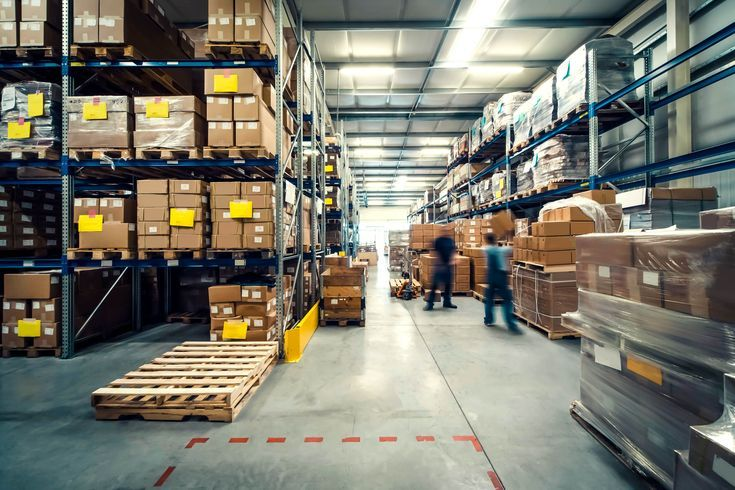
Warehousing

We provide free warehousing services for any of your goods.

img

Cargo Insurance

The cargo insurance protects your goods all the way to any Any FBA Warehouse
img

Custom Clearance

We handle all paperwork and other details for you.

img

Loading Inspection

Ensure safe packaging and loading of goods in your suppliers' factory.

Here We Are

GET ANYTYPE QUOTE FROM HERE.

Your Best Freight Forwarder from China to Congo

  • Provide the best ocean freight from China to Congo
  • Provide the competitive air freight from China to Congo
  • The professional work for customs clearance in China
  • Provide the free warehouse service and loading solution
  • The container loading supervision service
  • Pick up and delivery service in China
  • 24/7 online support
What customers also want to know

Professional Shipping from China to Congo: The Ultimate FAQ Guide

Transit time depends on which Congo, port, and inland corridor you use:

  • To Pointe‑Noire or Matadi by sea (FCL/LCL):

    • China main port → Pointe‑Noire/Matadi: about 30–40 days port‑to‑port, depending on origin, carrier, and transshipment hub.
    • Add 5–12 days for China pickup, export clearance, African port handling, customs, and local delivery to Brazzaville/Kinshasa city limits.
  • To interior mining/forestry areas:

    • From Brazzaville/Kinshasa into remote regions can add 5–15 days depending on distance, road/river conditions, and security.
  • Air freight:

    • China airport → BZV/FIH: usually 3–6 days including hub transfers.
    • Full door‑to‑door including pickup and local delivery: typically 5–9 days.

When planning projects, Top Logistics Ltd suggests using the higher end of these ranges and adding extra buffer during rainy seasons or known election/strike periods.

Both are used; the better option depends on your destination and current corridor conditions:

  • Matadi direct:

    • Shorter inland distance to Kinshasa by road or river.
    • Often preferred for consumer goods and general imports into the capital.
    • Requires careful planning around Congo River navigation, port congestion, and draught limits.
  • Via Pointe‑Noire:

    • Sometimes advantageous for Katanga/Grand Kasai mining regions or when specific carriers have better services to Pointe‑Noire than to Matadi.
    • Cargo may go by rail/road to Brazzaville and then across the river to Kinshasa, or onwards by rail/road deeper into DRC.
    • Can bypass some of the bottlenecks that Matadi occasionally experiences.

Top Logistics Ltd checks current port performance, available carrier loops, and your final delivery point before recommending a route. For example, copper‑belt equipment for Lubumbashi is likely to use a different corridor than food products for Kinshasa supermarkets.

We treat free‑time as a critical part of planning:

  • At the quoting stage we clarify how many free days the ocean carrier and terminal offer and, where your volume justifies it, negotiate extended free‑time.
  • Before the vessel arrives, we run a document pre‑check with your Congo broker so customs can be prepared to lodge the declaration quickly after discharge.
  • We coordinate trucking bookings in advance, reserving trucks for a window right after expected container availability.
  • If we foresee delays (inspection, system outage, strike), we calculate the likely demurrage/detention impact and discuss options such as off‑dock storage, split clearance, or partial airfreight for the most urgent goods.

The goal is to have all paperwork and transport capacity ready before the box hits the stack, not after free‑time has already started counting down.

For project cargo we run a separate engineering workflow:

  1. Data collection: exact dimensions, weights, lifting points, and centre of gravity for every piece.
  2. Mode and equipment choice: flat‑rack vs open‑top vs break‑bulk vs RO‑RO, depending on size, frequency, and port capabilities.
  3. Route survey: our local partners drive or map the planned route from port to site, checking bridge ratings, road width, gradients, low‑hanging cables, and river crossing ramps.
  4. Permits and escorts: we apply for abnormal‑load permits and, where required, police or private escorts; we may organise temporary road works such as removing signs or reinforcing bridges.
  5. On‑site handling: we coordinate cranes, gantries, and rigging crews so that delivery, unloading, and placement are synchronised with your construction schedule.

Top Logistics Ltd treats these shipments as stand‑alone projects with dedicated managers, not as ordinary FCLs, because a single mistake can halt an entire plant construction.

For Congo, mixing DG and regular cargo randomly is risky:

  • Dangerous goods face stricter checks at Chinese ports, transshipment hubs, and African gateways.
  • Incorrect paperwork for just one DG product can cause the entire container to be held.

We usually propose:

  • One or more FCLs only for general cargo (machines, steel, parts that aren’t DG) so they can clear and move quickly.
  • Dedicated DG containers or LCL lots for oils/chemicals, handled under full IMDG/IATA compliance and separate customs attention.
  • If quantities of DG are small but critical, we may suggest airfreight in UN‑approved packaging, which is easier to control than adding them to a sea container that passes through several ports.

This separation keeps your main equipment flow from being hostage to a paperwork issue on a few drums of chemical.

Yes. For humanitarian operations we frequently:

  • Consolidate all supplies in China but mark pallets and cartons by field base or project code—for example, “Goma Programme,” “Kasai WASH,” etc.
  • Create a multi‑tab packing list so each base’s items are clearly listed but still move together in one container.
  • At the Congo port or central warehouse, we split pallets by base and coordinate staggered deliveries via road, river, or local charter to each location.

This retains the cost benefits of consolidated freight while giving your logisticians and donors clear visibility of stock per location.

We use a corridor‑specific carrier strategy:

  • Only work with pre‑vetted hauliers who regularly run on your target corridor and know current obstacles, seasonal issues, and safe stopping points.
  • Check vehicle type against cargo and route: for example, low‑beds and multi‑axle trailers for heavy plant, 6x6 trucks for particularly rough or muddy roads.
  • Plan buffer days during rainy seasons or on routes with known bottlenecks, and share honest ETAs rather than best‑case numbers.
  • Agree on communication routines: GPS tracking when available, plus driver check‑in calls at agreed points so we can intervene early if something goes wrong.

We also keep you updated about route changes—if a bridge is washed out or security deteriorates in an area, we’ll suggest alternate paths or timing.

Documentation is where many Congo shipments go wrong. Top Logistics Ltd manages this by:

  • Providing suppliers with clear templates in English/Chinese outlining required fields: buyer, consignee, detailed product description, HS code, Incoterms, currency, net/gross weights, and origin.
  • Reviewing draft documents before export clearance in China, not after cargo has left.
  • Standardising descriptions for repeat items (e.g., “hydraulic drilling rig spare parts” instead of just “parts”) to help local brokers choose consistent HS codes.
  • Checking that values, weights, and package counts match across invoice, packing list, and B/L so customs systems don’t flag inconsistencies.

This front‑loading of document control dramatically reduces customs queries and the risk of containers stuck while corrections are arranged.

Some realistic levers:

  • Increase planning horizon so that most volume can travel by regular FCL sea freight, reserving air only for small, urgent pieces.
  • Use origin consolidation to combine several Chinese suppliers into full containers, rather than many LCL shipments with repeated fixed charges.
  • Optimise packaging for high but safe container utilisation—e.g., standard pallet sizes, good stackability, and avoiding under‑filled containers.
  • Choose ports and corridors based not only on ocean rate, but on total cost (port charges + inland + risk of delay). Sometimes the slightly more expensive sea route has cheaper inland and fewer incidents.
  • Share an approximate annual or project volume forecast with Top Logistics Ltd so we can negotiate better long‑term rates with carriers and truckers.

We can simulate different scenarios—e.g., 3 x 40HQ per quarter vs monthly 20GPs—and show you the cost and lead‑time impact for each.

For each shipment, we provide:

  • booking confirmation summarising route, ETD/ETA, container numbers, and main milestones.
  • Updates at key points:
    • loaded on vessel in China,
    • arrival at transshipment hub (if any),
    • arrival and discharge at Pointe‑Noire/Matadi,
    • gate‑out from port and start of inland leg,
    • arrival at key inland checkpoints or river terminals,
    • arrival at Congo customs point and release status.
  • Final proof of delivery with time, place, and any exceptions (damaged cartons, shortages, delays) documented.

For large programmes we can also issue weekly overview reports or integrate simple data feeds into your internal systems so procurement, finance, and field teams all see the same live information.

Yes, certain goods may be restricted or require special permits. Examples include hazardous materials, pharmaceuticals, and high-value items. Contact us for specific details.

Yes, we provide door-to-door services, including pickup, transportation, customs clearance, and final delivery to your address in the Congo.

Don’t Take Our Words for it

Listen to What Our Clients Say about Our Freight Forwarding Service

Customer Support

Our customer support team delivers responsive and knowledgeable assistance throughout the entire international logistics process. From shipment booking and cargo tracking to customs clearance and final delivery, inquiries are handled promptly with clear, accurate communication. The team understands complex transportation routes, carrier schedules, and documentation requirements, ensuring potential issues are resolved before they impact delivery timelines. This high level of support builds trust and provides customers with confidence in every shipment.

Sofia Harvey
Chairman News grove

Code Quality

The overall code quality of the international logistics system demonstrates a solid engineering foundation. The architecture is well-structured, with clear separation between freight management, customs clearance, tracking, and billing modules, which improves maintainability and scalability. Naming conventions are consistent and business-oriented, making complex logistics workflows such as multi-leg transportation, carrier allocation, and door-to-door delivery easier to understand and extend. Error handling and data validation are implemented thoughtfully, reducing risks in high-volume shipment processing. Overall, the codebase reflects a strong balance between performance, reliability, and long-term extensibility, which is critical for global freight operations.

Sakira K. Lilliam
Ceo of Axone

Features Availability

The platform offers comprehensive feature availability to support end-to-end international logistics operations. Key functions such as freight booking, real-time shipment tracking, customs documentation management, carrier coordination, and delivery status updates are consistently accessible and reliable. These features ensure smooth handling of complex transportation workflows and provide users with full operational visibility at every stage of the supply chain.

Warleman Joliues
Co-Founder Carion ltd