


Shipping from China to Equatorial Guinea

Services

What we do

Services

img

Sea Freight From China To Equatorial Guinea

Top Logistics Ltd organises dependable sea freight from major Chinese ports such as Shanghai, Ningbo, Shenzhen, Qingdao, and Tianjin to Equatorial Guinea via regional hubs like Douala, Kribi, Lagos, or other Gulf of Guinea ports, with onward feeder or coastal services to Malabo and Bata where available. With regular sailings, competitive FCL and LCL options, and professional handling of containers and breakbulk cargo, ocean freight is the most economical solution for construction materials, consumer goods, industrial equipment, and project cargo bound for Equatorial Guinean markets and energy projects.

img

Air Freight From China To Equatorial Guinea

Top Logistics Ltd offers fast and secure air freight services from key Chinese airports to Malabo International Airport, usually routed via hubs such as Addis Ababa, Istanbul, Paris, Dubai, or Casablanca. Designed for urgent, high‑value, or sensitive shipments, our air solutions provide optimised connections, priority handling, and full documentation support, ensuring short transit times and dependable delivery for oil‑and‑gas spares, telecoms equipment, pharmaceuticals, and other time‑critical cargo across Equatorial Guinea.

img

Door to Door Shipping from China to Equatorial Guinea

Top Logistics Ltd delivers integrated door‑to‑door logistics from China to Equatorial Guinea, combining sea, air, and regional road or coastal services as needed. We coordinate supplier pick‑ups in China, manage export customs, monitor transshipment at West African hubs, handle import procedures in Malabo or Bata, and arrange final delivery to warehouses, job sites, offshore logistics bases, and retail outlets. This end‑to‑end solution eliminates the need to manage multiple agents, improves shipment visibility, and provides a single point of contact for all China–Equatorial Guinea movements.

FCL Shipping from China To Equatorial Guinea

Top Logistics Ltd specialises in Full Container Load (FCL) shipping from China to Equatorial Guinea, offering 20GP, 40GP, and 40HQ containers for large or heavy consignments. With secure stuffing and lashing at origin, carefully chosen carriers on the Asia–West Africa loop, and full tracking, FCL is ideal for building materials, machinery, vehicles, supermarket stock, and oil‑field supplies where low unit freight cost, reduced handling, and strong cargo security are essential.

LCL Shipping from China To Equatorial Guinea

Top Logistics Ltd provides Less than Container Load (LCL) services from China to Equatorial Guinea, allowing smaller consignments to share container space. Through professional consolidation at Chinese ports and controlled deconsolidation at regional hubs before final transport to Malabo or Bata, LCL keeps freight costs manageable while maintaining reasonable lead times. LCL is particularly suitable for spare parts, small equipment, tools, and mixed consumer goods for Equatorial Guinean importers and contractors.

Features

More Services Shipping from China To Equatorial Guinea

img

Pickup and Delivery

Top Logistics Ltd will provide most fuel efficient pickup service China
img

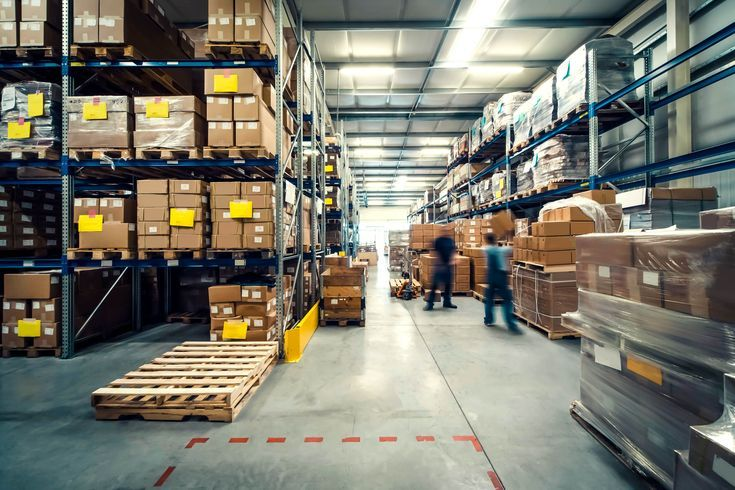
Warehousing

We provide free warehousing services for any of your goods.

img

Cargo Insurance

The cargo insurance protects your goods all the way to any Any FBA Warehouse
img

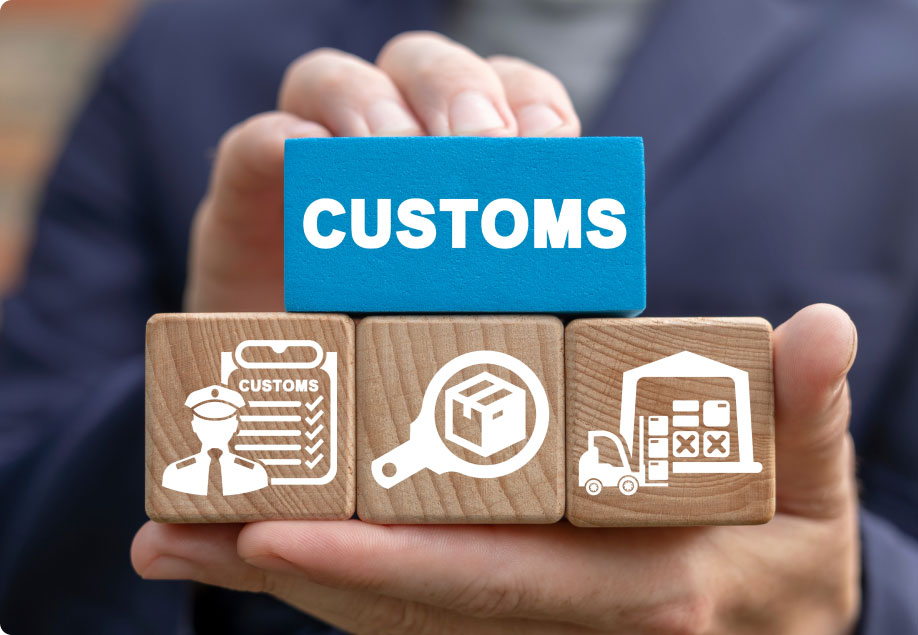
Custom Clearance

We handle all paperwork and other details for you.

img

Loading Inspection

Ensure safe packaging and loading of goods in your suppliers' factory.

Here We Are

GET ANYTYPE QUOTE FROM HERE.

Your Best Freight Forwarder from China to Equatorial Guinea

  • Provide the best ocean freight from China to Equatorial Guinea
  • Provide the competitive air freight from China to Equatorial Guinea
  • The professional work for customs clearance in China
  • Provide the free warehouse service and loading solution
  • The container loading supervision service
  • Pick up and delivery service in China
  • 24/7 online support
What customers also want to know

Professional Shipping from China to Equatorial Guinea: The Ultimate FAQ Guide

Sea freight from major Chinese ports (Shanghai, Ningbo, Shenzhen, Qingdao) to West African hubs such as Douala, Kribi, or Lagos typically takes about 30–40 days at sea. Feeder or coastal services and local handling then add 5–10 days to reach Malabo or Bata. Including export formalities, transshipment, customs clearance, and inland delivery, realistic door‑to‑door sea transit is usually 40–55 days. Air freight from China to Malabo via hubs like Addis Ababa, Istanbul, Paris, or Dubai generally arrives in 5–10 days door‑to‑door, depending on flight frequency, consolidation time, and clearance speed. Differences in transit arise from carrier schedules, chosen hubs, seasonal congestion, and local infrastructure. Top Logistics Ltd evaluates all options to select routings that best match your time and budget requirements.

Customs procedures are governed by national regulations and, to a degree, CEMAC rules. All imports must be declared, with duties and taxes based on HS classification, customs value, and applicable rates. For many cargoes, especially higher‑value shipments, pre‑shipment documentation and sometimes an import licence or special authorisation are needed before loading. On arrival in Malabo or Bata—or at a neighbouring hub if goods move onward by road or coastal vessel—a customs broker submits the import declaration with the invoice, packing list, bill of lading or air waybill, and other required certificates. Customs may conduct physical inspections or request additional information. Top Logistics Ltd works with experienced local brokers to review documents in advance, confirm HS codes, and ensure that any licences or approvals are obtained before shipment, minimising clearance delays and unexpected charges.

Standard documents include a commercial invoice, detailed packing list, and the transport document (ocean bill of lading or air waybill). Depending on the cargo, you may also need:

  • Certificate of origin.
  • Sanitary or phytosanitary certificates for foodstuffs and agricultural products.
  • Certificates of conformity or inspection reports for regulated industrial goods.
  • MSDS and dangerous‑goods declarations for chemicals or hazardous cargo.
  • Import licences or waivers for telecommunications equipment, medical devices, or restricted materials.
    If the shipment is financed by a letter of credit, banks may require specific document formats and additional certificates. Top Logistics Ltd checks all documents issued by your Chinese suppliers before loading, verifying that descriptions, HS codes, values, quantities, and consignee details align with Equatorial Guinean customs and banking requirements. Early correction of discrepancies prevents documentation rejections, clearance delays, and potential fines.

Duties are generally calculated on the CIF value of the goods using tariff rates linked to HS codes. In addition to customs duties, imports may be subject to VAT, statistical or administrative fees, and, in some cases, excise or specific sectoral taxes. Some capital goods for approved investment projects, oil‑and‑gas operations, or infrastructure developments may receive reductions or temporary exemptions. Top Logistics Ltd uses your product descriptions and HS codes to estimate likely duties and taxes prior to shipment, giving you visibility on total landed cost so you can confirm project budgets and selling prices before cargo leaves China.


FCL is generally recommended whenever volumes allow because it provides better security, fewer handling steps, and clearer tracking across several ports and feeder services. For construction materials, vehicles, machinery, and large retail orders, FCL minimises risk of damage and pilferage and often shortens overall transit. LCL works well for small, irregular, or trial shipments—such as spare parts, tools, or limited product lines—but involves additional handling at consolidation and deconsolidation depots and can be slightly slower. Top Logistics Ltd compares FCL and LCL options for each movement, factoring in freight, hub charges, and practical considerations, and can consolidate several small supplier orders in China into a single FCL to give you FCL benefits while controlling cost.

Malabo and Bata are the main entry points into Equatorial Guinea, but direct deep‑sea calls from Asia are limited. Many containers route through regional hubs such as Douala or Kribi (Cameroon), Lagos (Nigeria), or other Gulf of Guinea ports, then connect via feeder or coastal vessels. For special project cargo, alternative ports may be used with road transport into Equatorial Guinea. The chosen hub affects sailing frequency, transit time, port charges, and reliability. Top Logistics Ltd analyses carrier networks and local infrastructure to choose gateways that provide stable connections and effective onward movement to your final destination.

After customs release at Malabo or Bata, cargo is transported by truck to city warehouses, construction sites, industrial zones, or to smaller ports for onward coastal shipment. On Bioko Island, delivery is mainly within Malabo and nearby areas; on the mainland (Río Muni), goods may move from Bata to interior towns or border points. Road conditions can vary and may be affected by heavy rain or maintenance, extending transit times. Top Logistics Ltd works with local hauliers familiar with national regulations, road conditions, and security requirements. We select suitable vehicles—flatbeds for machinery, box trucks for general cargo, low‑beds for heavy equipment—and coordinate delivery appointments, unloading equipment, and documentation so that your goods arrive safely and on schedule.

These sectors frequently involve oversized, heavy, or high‑value equipment such as drilling tools, generators, pipelines, or prefabricated modules. Such cargo often requires detailed route surveys, special lifting gear, and permits for abnormal loads, as well as strict adherence to project timelines and HSE standards. Top Logistics Ltd develops project‑specific logistics plans, choosing ports with appropriate heavy‑lift capabilities, arranging chartered or part‑charter vessels where needed, and coordinating with local authorities for transport permits and escorts. We create handling plans addressing lifting points, lashing, and storage, and integrate delivery schedules with your site mobilisation plans to minimise laydown congestion and demurrage.

Cost optimisation focuses on consolidation, routing, and timing. Grouping multiple orders from different suppliers into shared FCL containers reduces per‑unit freight and port charges. Selecting efficient hubs that offer reliable feeder connections to Malabo or Bata can avoid prolonged storage and demurrage. For less urgent cargo, standard sea freight rather than premium transit services keeps costs down, while air freight is reserved for critical items. Top Logistics Ltd helps you refine packaging and palletisation to maximise container utilisation, negotiates competitive rates with carriers and local service providers, and advises on shipment timing to avoid known congestion periods and seasonal rate spikes on the Asia–West Africa trade.

Delays can result from incomplete or inconsistent documentation, missing import licences, port congestion at regional hubs, limited feeder schedules to Malabo or Bata, customs inspections, and weather‑related disruptions along the Gulf of Guinea. Top Logistics Ltd mitigates these risks through thorough pre‑shipment document checks, early coordination with customs brokers to confirm required permits, and timely booking on reliable services. We monitor vessel movements and port status in real time, keep buffer time for feeder connections where practical, and maintain alternative routing options. If inspections or unforeseen events arise, we coordinate closely with local agents and authorities to minimise storage and demurrage and keep you fully informed of revised ETAs.

Don’t Take Our Words for it

Listen to What Our Clients Say about Our Freight Forwarding Service

Customer Support

Our customer support team delivers responsive and knowledgeable assistance throughout the entire international logistics process. From shipment booking and cargo tracking to customs clearance and final delivery, inquiries are handled promptly with clear, accurate communication. The team understands complex transportation routes, carrier schedules, and documentation requirements, ensuring potential issues are resolved before they impact delivery timelines. This high level of support builds trust and provides customers with confidence in every shipment.

Sofia Harvey
Chairman News grove

Design Quality

The design quality of the international logistics platform emphasizes clarity, efficiency, and usability. The interface is clean and well-organized, allowing users to manage shipments, track cargo status, and access transportation details with minimal effort. Visual hierarchy and consistent layout improve navigation across freight booking, documentation, and delivery modules. The design effectively supports complex logistics operations while maintaining a professional and modern appearance.

Jon D. William
Founder of Mixbix

Code Quality

The overall code quality of the international logistics system demonstrates a solid engineering foundation. The architecture is well-structured, with clear separation between freight management, customs clearance, tracking, and billing modules, which improves maintainability and scalability. Naming conventions are consistent and business-oriented, making complex logistics workflows such as multi-leg transportation, carrier allocation, and door-to-door delivery easier to understand and extend. Error handling and data validation are implemented thoughtfully, reducing risks in high-volume shipment processing. Overall, the codebase reflects a strong balance between performance, reliability, and long-term extensibility, which is critical for global freight operations.

Sakira K. Lilliam
Ceo of Axone