

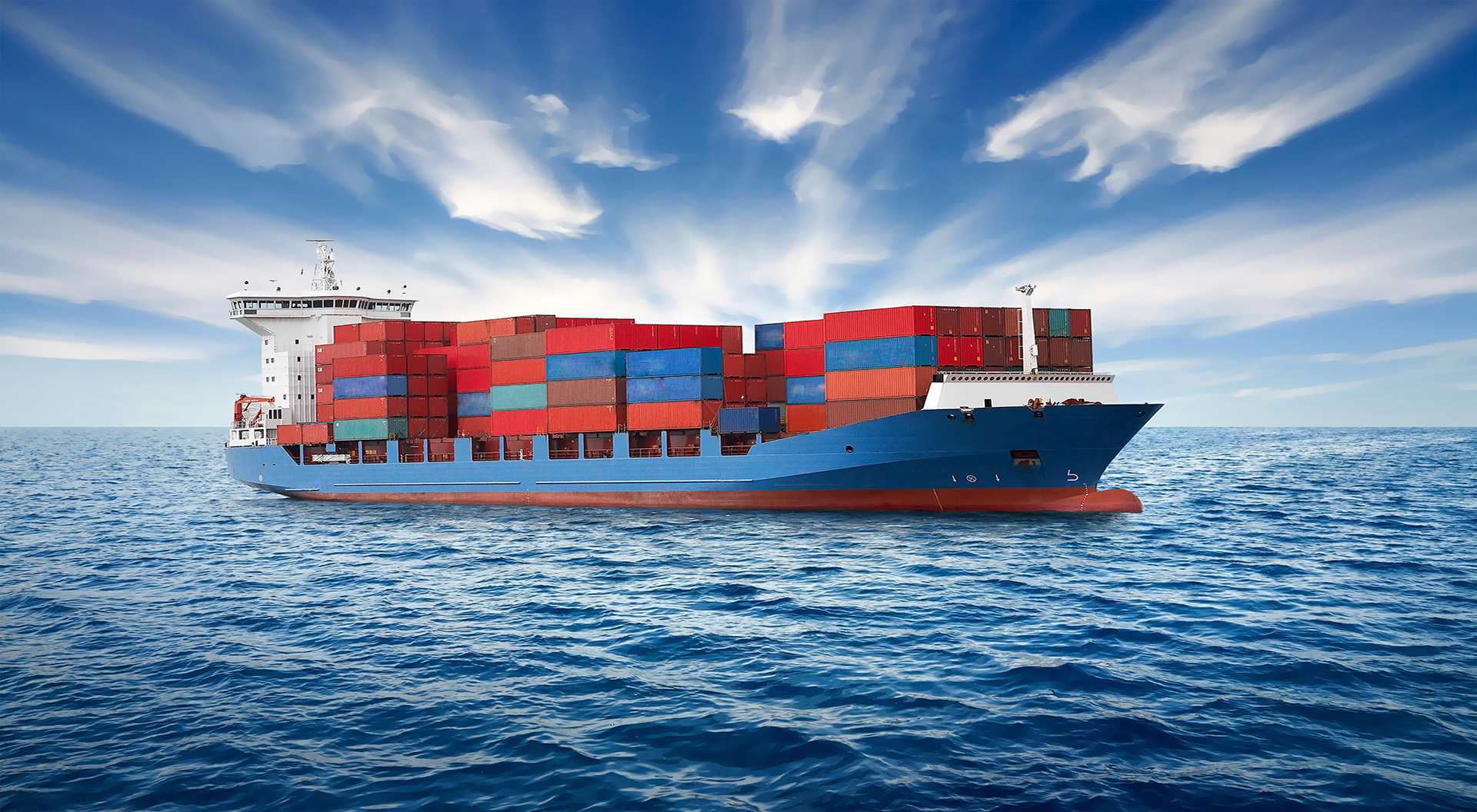
Top Logistics Ltd provides reliable, cost‑effective freight solutions from China to Ecuador, serving importers, manufacturers, traders, infrastructure projects, and e‑commerce businesses. Leveraging established Asia–Pacific–Latin America trade lanes and strong partnerships at Ecuadorian ports and airports, we design secure, compliant transport plans matched to your cargo type, delivery deadlines, and budget.
From factory pick‑up in China to final delivery in Guayaquil, Quito, Cuenca, Manta, and industrial zones across the country, Top Logistics Ltd manages the entire logistics chain: export procedures, sea or air transport via major hubs, Ecuadorian customs clearance, and domestic distribution. Whether you move consumer goods, machinery, textiles, electronics, building materials, or consolidated shipments, we ensure a smooth, transparent, and hassle‑free shipping experience from China to Ecuador.
Top Logistics Ltd organises dependable sea freight from key Chinese ports such as Shanghai, Ningbo, Shenzhen, Qingdao, and Xiamen to Ecuadorian gateways including Guayaquil, Posorja, and Manta. Services usually operate via transshipment hubs in Asia, the US West Coast, or the Panama region. With regular sailings, competitive FCL and LCL options, and professional handling of containers and breakbulk cargo, ocean freight is the most economical solution for large‑volume imports such as consumer goods, tyres, steel, ceramics, solar panels, and project cargo destined for the Ecuadorian market.
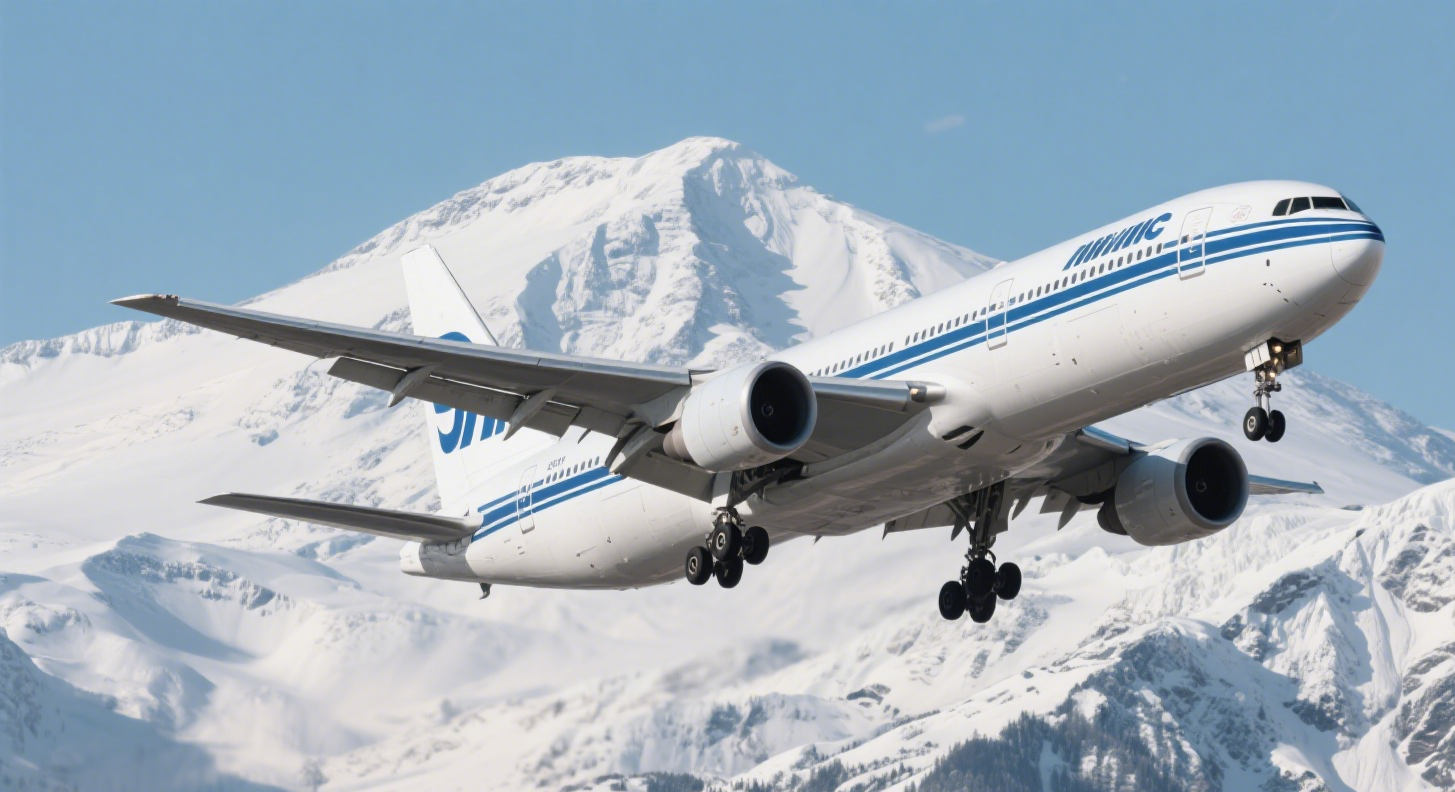
Top Logistics Ltd offers fast and secure air freight solutions from major Chinese airports to Quito (UIO) and Guayaquil (GYE), typically routed through hubs like Madrid, Amsterdam, Miami, Panama City, or Bogotá. Designed for urgent, high‑value, or temperature‑sensitive shipments, our air services provide optimised connections, priority handling, and full documentation support to achieve short transit times and reliable delivery to businesses and distributors across Ecuador.
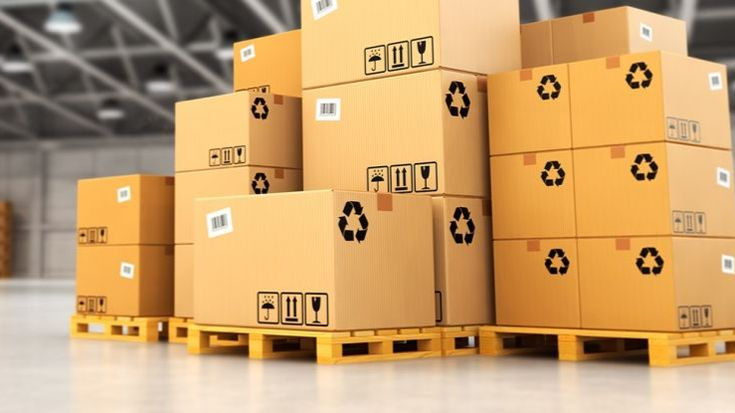
Top Logistics Ltd delivers integrated door‑to‑door logistics from China to Ecuador, combining sea, air, and domestic trucking as required. We coordinate supplier pick‑ups, manage export customs in China, monitor main‑leg transport and transshipment, handle Ecuadorian import formalities, and arrange final delivery to warehouses, free‑trade zones, factories, retail chains, and project sites. This end‑to‑end service removes the need to work with multiple providers, increases shipment visibility, and ensures consistent service quality for all your China–Ecuador movements.

Top Logistics Ltd specialises in Full Container Load (FCL) shipping from China to Ecuador, offering 20GP, 40GP, and 40HQ containers for high‑volume or heavy cargo. With secure stuffing at origin, careful lashing where needed, optimised routing via stable carrier services, and full tracking, FCL is ideal for construction materials, machinery, automotive parts, furniture, appliances, and supermarket inventory where low unit freight cost, reduced handling, and higher cargo security are priorities.
Top Logistics Ltd provides Less than Container Load (LCL) shipping from China to Ecuador, allowing smaller consignments to share container space. Through professional consolidation at main Chinese ports and controlled deconsolidation at hubs serving Guayaquil and other Ecuadorian destinations, we keep freight costs manageable while maintaining reliable transit times. LCL is especially suitable for spare parts, sample orders, small‑batch production, and multi‑SKU imports for Ecuadorian wholesalers and online retailers.
Top Logistics Ltd will provide most fuel efficient pickup service China
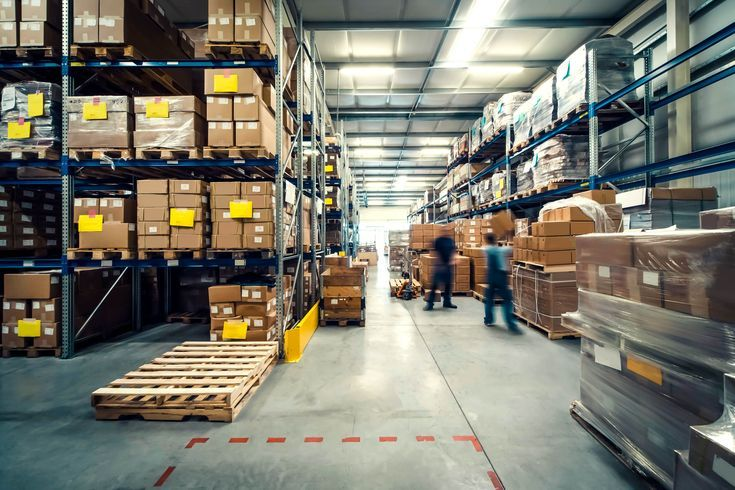
We provide free warehousing services for any of your goods.

The cargo insurance protects your goods all the way to any Any FBA Warehouse
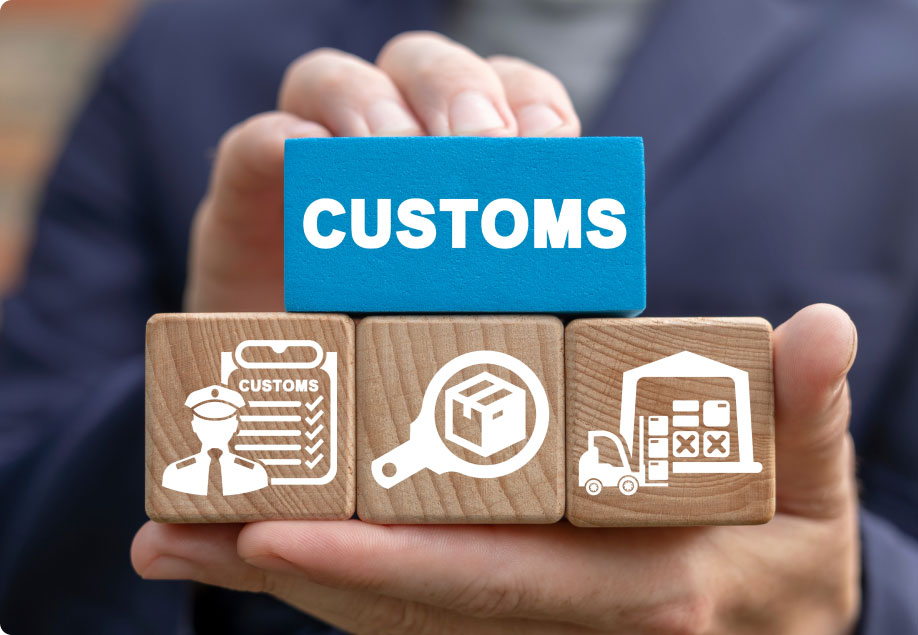
We handle all paperwork and other details for you.

Ensure safe packaging and loading of goods in your suppliers' factory.
Sea freight from ports like Shanghai, Ningbo, Shenzhen, or Qingdao to Guayaquil or Posorja typically takes about 28–36 days port‑to‑port, depending on the carrier, chosen transshipment hub (for example Busan, Manzanillo, or Balboa), and seasonal conditions. When you include export procedures, possible waiting time at hubs, customs clearance in Ecuador, and inland trucking, realistic door‑to‑door transit is usually 35–45 days. Air freight from major Chinese airports to Quito or Guayaquil via hubs such as Madrid, Amsterdam, Miami, or Panama generally arrives within 4–8 days door‑to‑door. Transit can lengthen slightly if cargo must wait for consolidation or if specific temperature‑controlled services are used. Top Logistics Ltd compares current schedules and routings for each shipment to select the best combination of speed and cost.
Ecuadorian customs (SENAE) requires all imports to be declared electronically via the ECUAPASS system, usually by a licensed customs broker. Each shipment must have a valid Import Declaration (Declaración Aduanera de Importación) with accurate HS codes, customs values, and origin information. In many cases you must obtain an Import License or Registration (Registro de Importador) and sometimes pre‑approval documents such as INEN quality certificates, health permits, or telecommunications licences depending on the product. Upon arrival at the port or airport, customs assesses duties and taxes and assigns the shipment to a green, yellow, or red channel, indicating documentation review or physical inspection. Top Logistics Ltd works closely with experienced Ecuadorian brokers to ensure correct classification, prepare and pre‑register documentation, and coordinate any inspections so that your cargo is released as quickly as possible and unexpected storage or demurrage charges are minimised.
Basic documents include a commercial invoice, detailed packing list, and the relevant transport document—original or express bill of lading for sea freight, or air waybill for air shipments. Depending on the product, you may also need:
Import duties are based on the CIF value of the goods plus certain surcharges, and rates depend on the HS classification and origin. In addition, Ecuador levies VAT (IVA), generally 12%, on imports, as well as the FODINFA tax (0.5%) and, in some cases, anti‑dumping duties or safeguard measures. Certain categories—such as capital goods for specific projects or products imported into free‑trade zones—may benefit from reduced or zero duties. Top Logistics Ltd uses your detailed product list and HS codes to estimate duties, VAT, and other official charges in advance, giving you a clear view of total landed cost so you can set selling prices and decide whether to import finished products or components.
FCL is generally recommended when your cargo can fill at least 60–70% of a 20‑ or 40‑foot container or when goods are high‑value, fragile, or at higher risk of pilferage. With FCL, you benefit from exclusive use of the container, fewer handling points at transshipment hubs, and often a slightly faster door‑to‑door transit. It is ideal for machinery, project cargo components, furniture, and large retail orders. LCL suits smaller or irregular consignments, such as spare parts, pilot orders, or multiple low‑volume SKUs, because you pay only for the space used. However, it involves additional consolidation/deconsolidation and can extend transit by a few days. Top Logistics Ltd compares FCL and LCL options on each lane—including freight, handling, and local charges—to recommend the most economical and operationally sound choice for your Ecuador imports.
Guayaquil and Posorja are the main container ports for imports, handling most FCL and LCL cargo. Manta also receives some services and can be advantageous for shipments serving nearby regions. For air freight, Quito’s Mariscal Sucre Airport and Guayaquil’s José Joaquín de Olmedo Airport are the primary gateways. The chosen port or airport influences carrier options, sailing/flight frequencies, local terminal and handling fees, and inland trucking distances to your warehouse or client. Top Logistics Ltd selects gateways based on your delivery location, required transit time, and the cost structure of each option, ensuring a competitive and predictable route from China to your Ecuadorian facility.
After customs releases the cargo, containers and loose shipments are moved by truck to destinations such as Quito, Guayaquil, Cuenca, Ambato, Manta, Loja, and key industrial parks and free‑trade zones. Ecuador’s main highways between coastal ports and the highlands are relatively good but can be affected by landslides, heavy rain, or roadworks, especially in Andean regions. Top Logistics Ltd works with vetted local hauliers, choosing appropriate vehicles—container chassis, flatbeds, curtain‑siders, or smaller trucks for urban delivery—and coordinating appointment times with your warehouse or client. We manage the return of empty containers to terminals to avoid detention charges and provide proof of delivery and tracking updates for your internal systems.
Ecuador has strict technical regulations for many products, especially those related to safety, health, and consumer protection. Electrical appliances, toys, tyres, helmets, building materials, and certain textiles may require compliance with mandatory INEN standards and, in some cases, prior registration or certification before shipment. Food products need health registration (Registro Sanitario) and appropriate labelling in Spanish, while pharmaceuticals and medical devices require approval from ARCSA. Some telecoms and radio‑frequency equipment must be authorised by ARCOTEL. Top Logistics Ltd helps you identify which products are regulated, coordinates with recognised testing and certification bodies, and plans shipping schedules so that necessary approvals are obtained before cargo leaves China, reducing the risk of cargo being held at Ecuadorian ports.
Cost reduction often comes from optimising shipment size, mode, and routing. Consolidating purchase orders into fewer, fuller containers lowers freight and terminal charges per unit. For regular flows, we negotiate service contracts with carriers serving key Chinese and Ecuadorian ports. Top Logistics Ltd also helps you review packaging to improve container utilisation and avoid unnecessary weight or dimension surcharges. We recommend mixing sea and air strategically—for example, shipping core volumes by sea while using air only for urgent replenishment. Planning shipments around peak seasons such as Chinese New Year, Golden Week, and year‑end in Ecuador helps avoid congestion and rate spikes that can increase your total logistics spend.
Typical causes of delay include incorrect or incomplete documentation, failure to obtain required Ecuadorian permits in advance, missed vessel cut‑offs, congestion at transshipment hubs, customs inspections, and weather‑related disruptions in the Pacific or Andean regions. Top Logistics Ltd mitigates these issues through rigorous pre‑shipment document checks, early booking on reliable carrier services, and continuous monitoring of vessel progress and port conditions. We assist with obtaining necessary licences and certificates before loading and coordinate closely with customs brokers to respond quickly to any queries. If disruptions occur, we provide updated ETAs and, where reasonable, propose alternative routings or partial air upgrades for time‑critical cargo.
The design quality of the international logistics platform emphasizes clarity, efficiency, and usability. The interface is clean and well-organized, allowing users to manage shipments, track cargo status, and access transportation details with minimal effort. Visual hierarchy and consistent layout improve navigation across freight booking, documentation, and delivery modules. The design effectively supports complex logistics operations while maintaining a professional and modern appearance.
Our customer support team delivers responsive and knowledgeable assistance throughout the entire international logistics process. From shipment booking and cargo tracking to customs clearance and final delivery, inquiries are handled promptly with clear, accurate communication. The team understands complex transportation routes, carrier schedules, and documentation requirements, ensuring potential issues are resolved before they impact delivery timelines. This high level of support builds trust and provides customers with confidence in every shipment.
The platform offers comprehensive feature availability to support end-to-end international logistics operations. Key functions such as freight booking, real-time shipment tracking, customs documentation management, carrier coordination, and delivery status updates are consistently accessible and reliable. These features ensure smooth handling of complex transportation workflows and provide users with full operational visibility at every stage of the supply chain.