

Shipping from China to Argentina

Services

What we do

Services

img

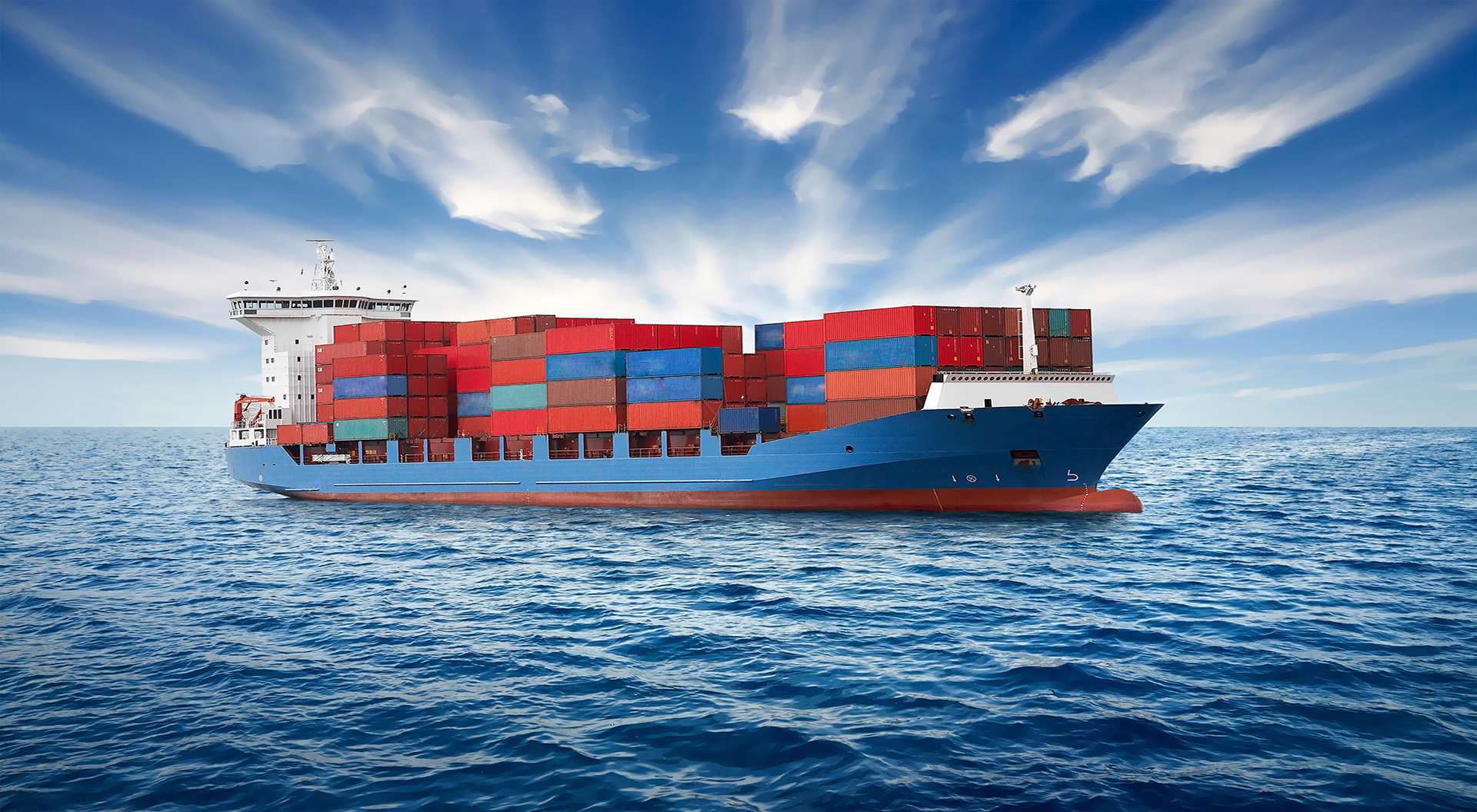
Sea Freight From China To Argentina

Ocean freight remains the dominant transport solution for China–Argentina trade due to its capacity and cost efficiency. Containers typically depart from Shanghai, Ningbo, Shenzhen, and Qingdao, arriving at Argentine ports such as Buenos Aires. Carrier selection, sailing frequency, and port congestion all influence delivery performance. Within these operations, container flow and port-side execution are coordinated to keep schedules aligned, tasks that are handled in practice by Top Logistics Ltd for both FCL and LCL sea freight movements.
img

Air Freight From China To Argentina

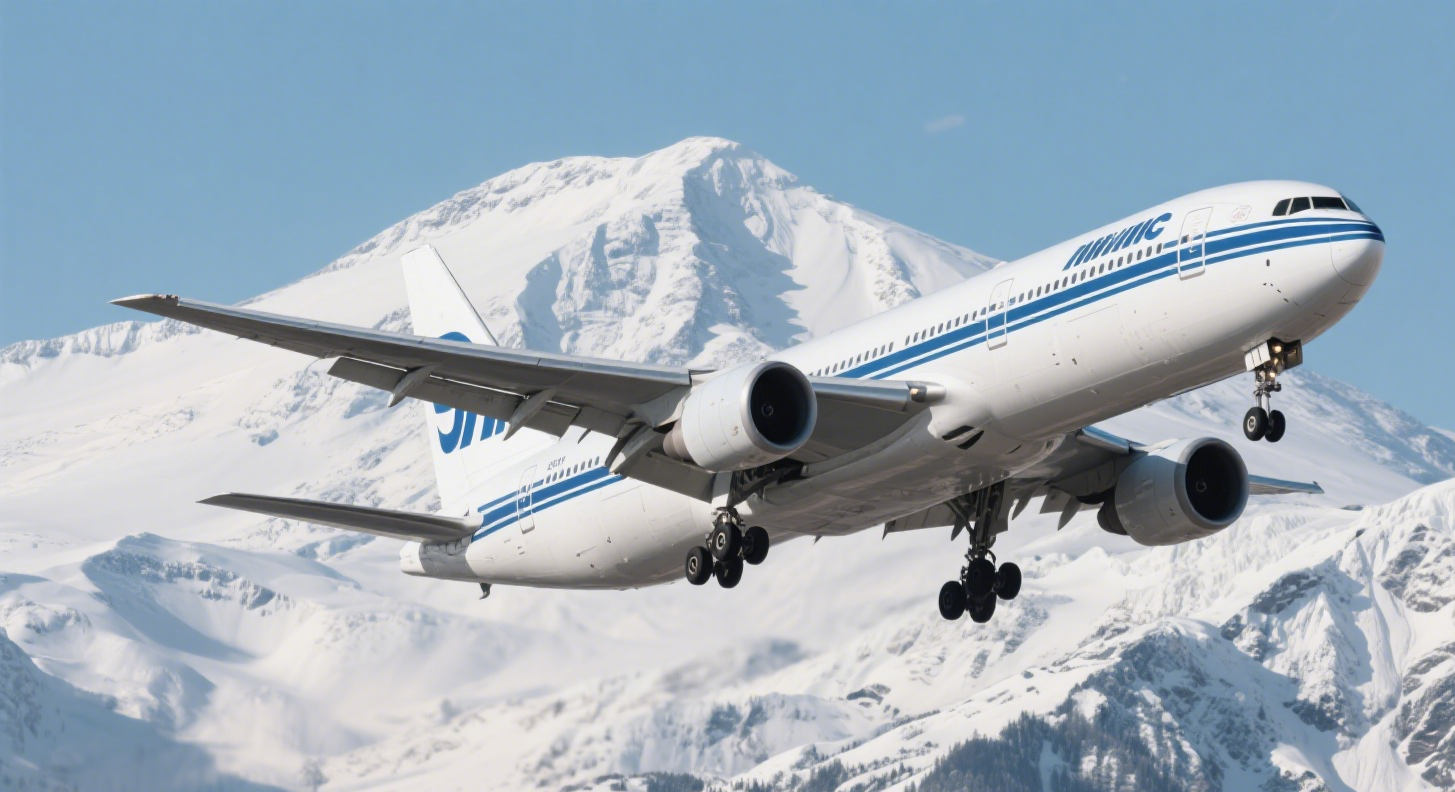
For urgent or high-value cargo, air freight offers a significant reduction in transit time compared with ocean transport. Electronics, medical supplies, samples, and critical spare parts are commonly shipped by air into Argentina. Top Logistics Ltd supports these air movements by aligning export documentation, flight planning, and destination handling requirements, especially when timing margins are narrow and regulatory accuracy is critical.


img

Door to Door Shipping from China to Argentina

Door-to-door shipping is often chosen by importers who want to avoid fragmented coordination between multiple logistics providers. Under this model, factory pickup, export clearance, international transport, import processing, and inland delivery are managed as one continuous workflow. Responsibility across these stages is centralized, with execution carried out through an integrated structure that Top Logistics Ltd operates within to maintain shipment continuity.

FCL Shipping from China To Argentina

Full container load shipping is widely used for machinery, construction equipment, and large commercial consignments entering Argentina.

Top Logistics Ltd manages FCL shipments using dedicated containers, focusing on secure loading, routing stability, and controlled port operations. This approach reduces handling frequency and supports better control over cargo integrity throughout the journey.

LCL Shipping from China To Argentina

Less-than-container-load shipping allows smaller shipments to access ocean freight services without booking full containers. Cargo is consolidated, grouped, and separated according to destination routing.

Because LCL involves multiple shippers and additional handling stages, coordination becomes more critical. Consolidation, deconsolidation, and customs processing are carried out under a structured framework to keep shared shipments on schedule, a process supported throughout by Top Logistics Ltd.

Features

More Services Shipping from China To Argentina

img

Pickup and Delivery

Top Logistics Ltd will provide most fuel efficient pickup service China
img

Warehousing

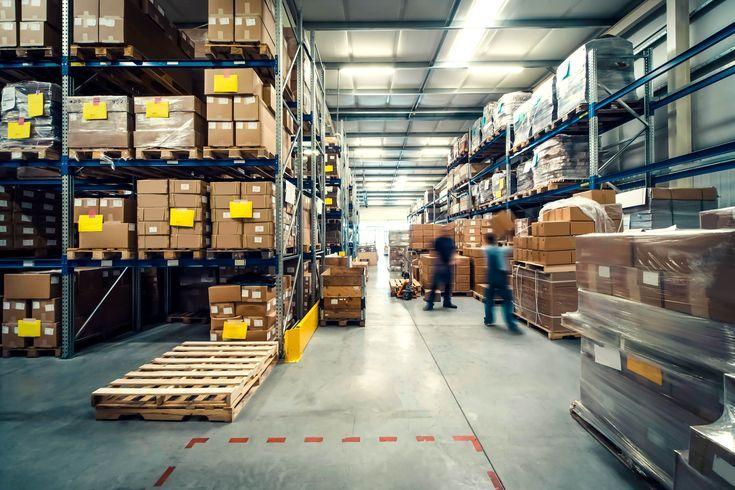
We provide free warehousing services for any of your goods.
img

Cargo Insurance

The cargo insurance protects your goods all the way to any Any FBA Warehouse
img

Custom Clearance

We handle all paperwork and other details for you.

img

Loading Inspection

Ensure safe packaging and loading of goods in your suppliers' factory.
Here We Are

GET ANYTYPE QUOTE FROM HERE.

Your Best Freight Forwarder from China to Argentina

  • Provide the best ocean freight from China to Argentina
  • Provide the competitive air freight from China to Argentina
  • The professional work for customs clearance in China
  • Provide the free warehouse service and loading solution
  • The container loading supervision service
  • Pick up and delivery service in China
  • 24/7 online support
What customers also want to know

Professional Shipping from China to Argentina: The Ultimate FAQ Guide

Main seaports for containers: Buenos Aires (various terminals such as Exolgan, TRP, etc.) and, to a lesser extent, Zárate / Rosario / Bahía Blanca depending on cargo type.

Typical routings:

  • Direct Asia–East Coast South America services

    • China main ports (Shanghai, Ningbo, Shenzhen, Qingdao) → hubs (often Singapore/Tanjung Pelepas/Colombo) → Brazil (Santos) → Argentina (Buenos Aires).
    • Port‑to‑port transit: usually 35–45 days depending on port pair and carrier.
    • If the sailing skips Buenos Aires and you discharge at a Brazilian port for feedering, add 5–10 days.
  • Air freight (to Ezeiza, EZE)

    • China → major hubs (São Paulo/GRU, Santiago/SCL, Panama/PTY, Madrid/MAD, etc.) → Buenos Aires.
    • Airport‑to‑airport: 3–7 days, depending on connections; expensive but reliable for urgent or high‑value cargo.

Ask for exact port rotation and hubs in the quote. Some services list “Argentina” but actually discharge in Brazil first and rely on a less frequent feeder to Buenos Aires.

Argentina uses an import authorization system (currently SIRA – Sistema de Importaciones de la República Argentina; name and rules can change) plus import licences (automatic and non‑automatic):

  • The importer must get SIRA approval and, where applicable, a non‑automatic import licence for certain HS codes before goods are shipped.
  • Approvals can be delayed, rejected, or limited in value/quantity due to FX controls and trade policy.

If you ship before your buyer’s SIRA/licence is approved:

  • Customs may refuse clearance or leave goods in limbo;
  • The importer may not get access to foreign currency to pay you;
  • Cargo sits at port accumulating demurrage and storage.

Your best practice:

  • Ask the buyer (or their broker) to confirm in writing that SIRA and any required licences are granted for your pro forma;
  • Keep your final commercial invoice aligned with what they filed (values, HS codes, descriptions).

Argentina has strict FX controls and chronic USD shortages:

  • Importers often face delayed access to dollars to pay suppliers;
  • Even after customs clearance, banks may release FX only after certain waiting periods;
  • This leads to requests for long credit terms or creative payment structures.

As a Chinese exporter, this means:

  • Be very cautious with open account;
  • Prefer advance payments, confirmed L/Cs from solid banks, or at least sizeable deposits;
  • Avoid structures where you pay local Argentine costs (like DDP), because those are in pesos, with high inflation and shifting taxes.

From the logistics side, don’t load until your buyer shows they have both SIRA approval and a realistic payment plan; otherwise you risk cargo stuck + unpaid.

Customs (AFIP) uses reference values and databases to check if declared values are too low:

  • Obvious under‑valuation triggers value adjustments, fines, and delays;
  • Customs may ask for catalogues, previous invoices, price lists, or transfer pricing info for related parties.

To avoid problems:

  • Declare realistic transaction values in your commercial invoice;
  • Ensure consistency between: contract/PI, invoice, packing list, and any bank documents;
  • If your pricing is significantly lower than typical market values (e.g. due to large volumes or special discount), provide supporting explanation and documents that your buyer/broker can show customs.

Under‑declaring to “help the buyer reduce taxes” is especially dangerous in Argentina; it usually backfires with long delays and higher landed costs.

For most containerized imports from China, Buenos Aires (including Exolgan/Dock Sud area) is the default:

  • Strongest connectivity with Asia–ECSA services;
  • Best access to the main consumption area (Buenos Aires, Greater Buenos Aires).

Other ports:

  • Zárate / Campana: often for vehicles or certain project/bulk cargo.
  • Rosario / San Lorenzo area: mainly grains and bulk; limited use for China imports unless project‑specific.
  • Bahía Blanca: bulk, petroleum, some general cargo.

Consider:

  • Final inland destination: if cargo is mainly for interior provinces (Córdoba, Mendoza, etc.), test total cost/time via Buenos Aires vs. alternative ports if any service exists;
  • Local port charges and congestion;
  • Whether your buyer has a preferred terminal (e.g. for better trucking access or union arrangements).

A forwarder with Argentina experience can compare not just ocean rates but total door‑to‑door cost and risk for your specific flows.

Reality: terminal handling, port fees, and demurrage/storage in Argentina can be substantial. To control these:

  1. Clarify free time before booking

    • How many demurrage‑free days (line) and storage‑free days (terminal)? From which date?
    • Get it in writing with the booking confirmation.
  2. Send docs early to the Argentine broker

    • Final invoice, packing list, draft B/L, and any licences/certificates should reach them days before ETA, not after;
    • They can pre‑register customs entries and spot mistakes.
  3. Use telex release where bank/payment terms allow

    • Avoid delays while originals travel and are negotiated.
  4. Check labour/strike patterns and holidays

    • Port and trucking strikes are not rare; arrivals right before long weekends or known conflict periods raise storage risk.

An organised pre‑arrival process often saves more than the difference between “cheap” and “normal” ocean freight.

LCL into Buenos Aires has some specific downsides:

  • Consolidation is usually via one or more hubs (e.g. Singapore + Santos/Montevideo) → each hub adds handling and delay risk;
  • LCL destination charges (de‑consolidation, warehouse, documentation) in Buenos Aires can be high per m³/ton;
  • One problematic consignee in the same LCL container can delay the entire box.

In practice:

  • < 5–7 m³ and not urgent: LCL is often OK;
  • Around 7–12 m³ or > 4–5 tons: always ask for a 20′ FCL comparison;
  • Above that, a small FCL is usually more predictable and not much more expensive in total.

Ask your forwarder to quote all‑in LCL cost including destination fees, not just the sea freight, before you decide.

Yes, many product categories require local approvals from agencies such as:

  • ANMAT – pharmaceuticals, cosmetics, some medical devices and foods;
  • SENASA – animal and plant products, many foods;
  • IRAM and other bodies – electrical safety certifications, some industrial standards;
  • ENACOM – telecoms and radiofrequency devices (mobile phones, routers, Wi‑Fi equipment, etc.).

If you ship regulated products without:

  • Proper certification or registration in Argentina,
  • Correct Spanish‑language labels and manuals,

then:

  • Customs may hold the shipment until the importer completes registrations;
  • In some cases, goods may not be allowed in at all.

Before quoting, have your buyer check with their local consultant/broker:

  • Whether the product is already homologated/registered in Argentina;
  • If not, ask how long and costly the process is, and whether it must be completed before first shipment.

Given Argentina’s import controls and taxes:

  • Safest for the exporter:

    • FOB Chinese port – buyer handles freight and all local logistics;
    • Or CFR/CIF Buenos Aires – you handle sea freight (and insurance for CIF), buyer clears and pays local costs/taxes.
  • DAP (Delivered At Place, taxes unpaid):

    • Possible if you have a strong logistics partner;
    • You manage transport to buyer’s door;
    • Buyer still handles duties, import taxes, and customs formalities.
  • DDP (Delivered Duty Paid) is generally not advisable:

    • You’d be assuming responsibility for complex, changing Argentine taxes (duty, IVA, statistical tax, perception taxes, local fees);
    • Volatile FX and inflation can erase your margin quickly.

A pragmatic approach is: FOB or CFR for early transactions; only consider DAP once you have a reliable local partner and full clarity on cost structure.

Argentina has a history of:

  • Port strikes;
  • Truckers’ protests;
  • Policy shifts that suddenly slow imports.

You cannot eliminate risk, but you can reduce impact:

  • Avoid planning critical arrivals exactly around elections, major political events, or widely publicised union negotiation deadlines;
  • For time‑sensitive cargo (machinery to start a production line, exhibition goods), build in extra buffer days/weeks;
  • Use airfreight for truly critical components that cannot tolerate sea‑side disruption.

A forwarder familiar with Argentina should warn you early when risk indicators are rising (e.g. frequent strikes at a specific terminal) so you can adjust bookings or routes.

Don’t Take Our Words for it

Listen to What Our Clients Say about Our Freight Forwarding Service

Customer Support

Our customer support team delivers responsive and knowledgeable assistance throughout the entire international logistics process. From shipment booking and cargo tracking to customs clearance and final delivery, inquiries are handled promptly with clear, accurate communication. The team understands complex transportation routes, carrier schedules, and documentation requirements, ensuring potential issues are resolved before they impact delivery timelines. This high level of support builds trust and provides customers with confidence in every shipment.

Sofia Harvey
Chairman News grove

Code Quality

The overall code quality of the international logistics system demonstrates a solid engineering foundation. The architecture is well-structured, with clear separation between freight management, customs clearance, tracking, and billing modules, which improves maintainability and scalability. Naming conventions are consistent and business-oriented, making complex logistics workflows such as multi-leg transportation, carrier allocation, and door-to-door delivery easier to understand and extend. Error handling and data validation are implemented thoughtfully, reducing risks in high-volume shipment processing. Overall, the codebase reflects a strong balance between performance, reliability, and long-term extensibility, which is critical for global freight operations.

Sakira K. Lilliam
Ceo of Axone

Design Quality

The design quality of the international logistics platform emphasizes clarity, efficiency, and usability. The interface is clean and well-organized, allowing users to manage shipments, track cargo status, and access transportation details with minimal effort. Visual hierarchy and consistent layout improve navigation across freight booking, documentation, and delivery modules. The design effectively supports complex logistics operations while maintaining a professional and modern appearance.

Jon D. William
Founder of Mixbix