

Shipping from China to Australia

Services

What we do

Services

img

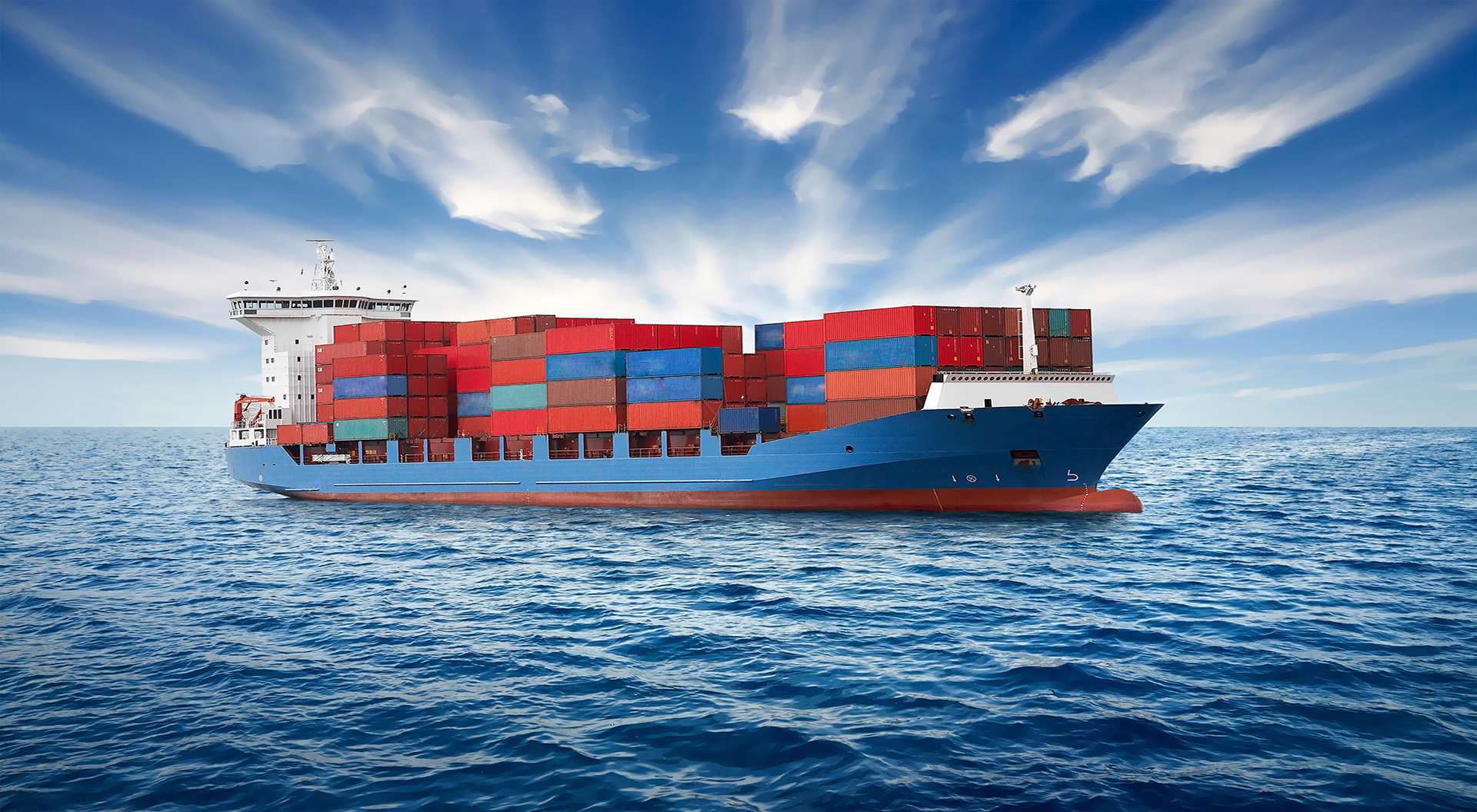
Sea Freight From China To Australia

Container shipping is the primary mode for goods moving from China to Australia. Regular services connect ports such as Shanghai, Ningbo, Qingdao, Tianjin, Xiamen, Shenzhen, and Guangzhou with Australian gateways including Sydney, Melbourne, Brisbane, Fremantle (Perth), Adelaide, and sometimes Darwin or Townsville. Typical port‑to‑port transit ranges from about 12–20 days depending on the port pair and service type. Both FCL and LCL options are available, with weekly—or on many routes, multiple weekly—sailings. Carriers offer direct services and transshipment via regional hubs, allowing flexibility on price and schedule. By coordinating bookings, container pickup/return, and documentation, Top Logistics Ltd helps you minimize detention, demurrage, and terminal storage while taking full advantage of competitive Asia–Australia ocean rates.
img

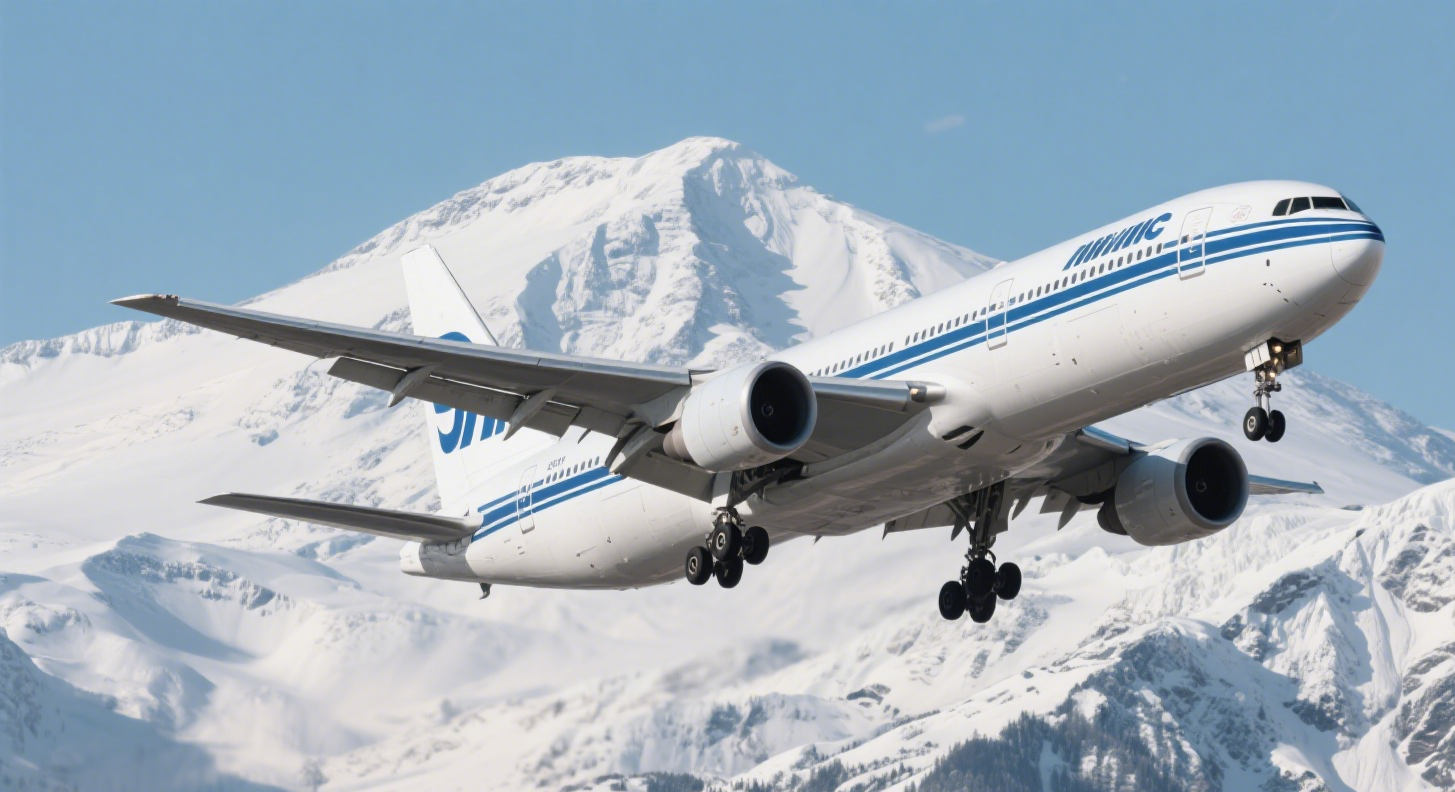
Air Freight From China To Australia

For time‑critical or high‑value cargo, air freight links major Chinese airports with Australian cities such as Sydney, Melbourne, Brisbane, Perth, and Adelaide. Flights operate both directly and via hubs like Hong Kong, Singapore, and Kuala Lumpur, providing frequent departures for electronics, fashion, pharmaceuticals, perishables, and urgent industrial parts. Air solutions can be structured as airport‑to‑airport or full door‑to‑door, combining pickup at your Chinese suppliers, security screening, export clearance, line‑haul flights, and import processing in Australia. With carefully chosen routings and consolidation where appropriate, transit times of 2–5 days door‑to‑door are achievable for many origins, giving Australian importers a reliable option for rush orders and product launches.
img

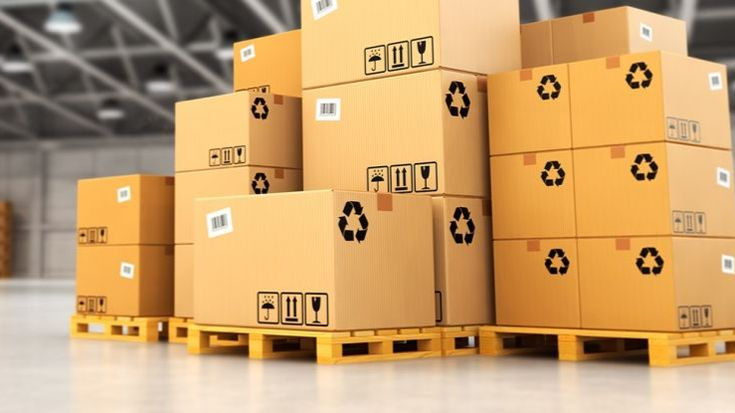
Rail Freight from China To Australia

Door‑to‑door services combine origin collection, international transport, customs and biosecurity clearance, and final delivery to your site in a single coordinated movement. This is particularly valuable in Australia, where the distance between ports and inland destinations can be significant and domestic linehaul must be tightly managed. Whether your cargo is destined for metropolitan DCs around Sydney or Melbourne, mining operations in Western Australia, or regional customers in Queensland and the Northern Territory, Top Logistics Ltd arranges the appropriate mix of container delivery, devanning, pallet distribution, or parcel services. We can structure shipments under terms such as DAP or, with the help of licensed partners, DDP where import charges are wrapped into a landed‑cost solution.

FCL Shipping from China To Australia

Full container load (FCL) shipping is ideal for stable or high‑volume trade lanes. Standard 20GP, 40GP, and 40HQ units handle most consumer goods, machinery, and building materials, while open‑top and flat‑rack containers can be arranged for oversize project cargo. Containers are stuffed at the factory or a nearby depot in China, sealed, and shipped directly or via a hub to the nominated Australian port.

Because you do not share space with other shippers, FCL offers better control over loading, reduced handling risk, and shorter dwell times at deconsolidation points. Top Logistics Ltd plans equipment pickup, verifies VGM (Verified Gross Mass) submissions, selects suitable sailings, and manages arrival formalities so you can turn containers around quickly and avoid unnecessary detention or demurrage.

LCL Shipping from China To Australia

Less than container load (LCL) services allow smaller consignments to move economically between China and Australia. Cargo from multiple shippers is consolidated at CFS facilities in Chinese hubs such as Shanghai, Ningbo, Shenzhen, Guangzhou, and Hong Kong, then loaded into shared containers on regular services to ports like Sydney, Melbourne, Brisbane, and Fremantle.

On arrival, containers are unpacked in bonded depots and each individual shipment proceeds through customs and biosecurity checks under its own documents before final delivery. LCL is well suited to SMEs, seasonal or trial shipments, and multi‑supplier orders, enabling frequent replenishment without the cost or inventory commitment of full containers, while still benefiting from professional packing, documentation control, and predictable sailing schedules.

Features

More Services Shipping from China To Australia

img

Pickup and Delivery

Top Logistics Ltd will provide most fuel efficient pickup service China
img

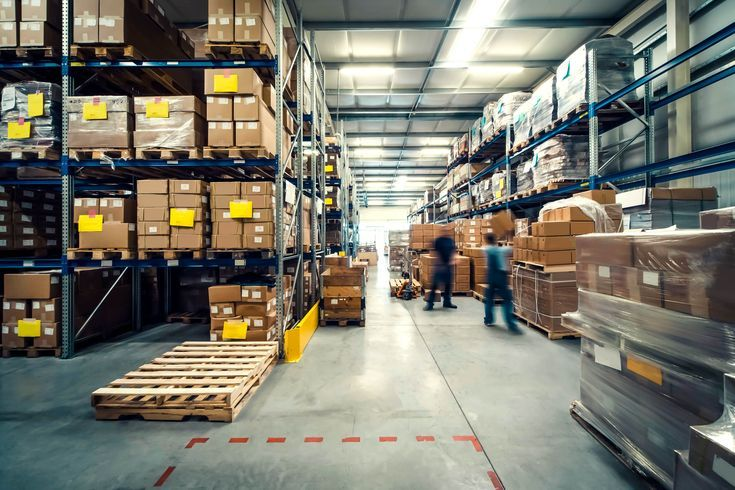
Warehousing

We provide free warehousing services for any of your goods.

img

Cargo Insurance

The cargo insurance protects your goods all the way to any Any FBA Warehouse
img

Custom Clearance

We handle all paperwork and other details for you.

img

Loading Inspection

Ensure safe packaging and loading of goods in your suppliers' factory.
Here We Are

GET ANYTYPE QUOTE FROM HERE.

Your Best Freight Forwarder from China to Australia

  • Offer very competitive shipping rates
  • Pick up and delivery service
  • Professional brokerage
  • Paper work
  • The best logistics solution
  • Rich experiences for  shipment goods
  • Consolidate and Distribution service
  • FBA shipment goods
  • Personal shipment goods
  • Door to Door shipping service
  • 24/7 on line support
What customers also want to know

Professional Shipping from China to Australia: The Ultimate FAQ Guide

For sea freight, port‑to‑port transit from major Chinese ports to East Coast Australia (Sydney, Melbourne, Brisbane) is usually around 12–18 days on direct services. West Coast arrivals at Fremantle may be slightly shorter or longer depending on routing. Door‑to‑door lead times, including origin pickup, export formalities, arrival handling, customs/biosecurity clearance, and inland delivery, often range between 20–30 days, assuming no abnormal delays.

LCL consignments can add a few days at both ends for consolidation and deconsolidation. Peak seasons—such as pre‑Chinese New Year or before Australian Christmas—may also lengthen transit if vessels are full or ports are congested.

By air, shipments from Shanghai, Shenzhen, Guangzhou, Hong Kong, or Beijing to major Australian airports usually fly in 1–3 days, and full door‑to‑door transit is often 3–5 days. Same‑week delivery is realistic for many origins if cargo is ready in time for booked flights.

Australian Border Force (ABF) requires a complete set of commercial and transport documents, and the data must be lodged electronically via the Integrated Cargo System (ICS) by your customs broker or freight forwarder. Core documents include:

  • Commercial invoice with detailed description, HS codes, unit prices, Incoterms, and currency.
  • Packing list specifying package count, type, dimensions, and gross/net weights.
  • Bill of lading (sea), air waybill (air), or seaway bill with correct consignor/consignee details.
  • Certificates of origin where preferential duty under ChAFTA or other schemes is being claimed.
  • Certificates or permits for regulated goods (e.g., AQIS/DAFF import permits, health certificates for food, MSDS for chemicals, test reports for electrical products).

Invoices must show the terms of trade and any assists, royalties, or buying commissions that might affect customs value. Incomplete or inconsistent data can cause holds in ICS, leading to delays and storage charges. Many importers therefore ask their logistics provider to pre‑check documentation from Chinese suppliers before shipment.

  • Australia enforces some of the world’s toughest biosecurity standards to protect its agriculture and natural environment. The Department of Agriculture, Fisheries and Forestry (DAFF) oversees these controls and may require inspection, treatment, or even destruction of goods that present contamination risks. Common risk factors include untreated wooden packaging, soil or plant matter on machinery, organic residues on second‑hand equipment, and certain foodstuffs or animal products.

    All wooden packaging and dunnage (including pallets, crates, and skids) must comply with ISPM‑15—heat‑treated or fumigated and stamped accordingly. Non‑conforming timber can lead to re‑export or costly on‑arrival treatment. Some commodities require import permits before shipping and may need mandatory fumigation, cleaning, or other treatments either before departure in China or upon arrival in Australia.

    Random or targeted biosecurity inspections at depots and ports are common, especially for high‑risk goods or suppliers with poor compliance history. Preparing cargo properly—cleaning equipment, using compliant packaging, and providing accurate commodity descriptions—greatly reduces the likelihood of delays and additional costs. Top Logistics Ltd works with Chinese origins to ensure biosecurity requirements are addressed before loading whenever possible.

Australia calculates customs duty on the customs value of the goods, which is generally the FOB value (price paid to the supplier including local charges up to loading on the vessel or aircraft in China). Freight and insurance to Australia are then added to create the “taxable importation value” used to calculate Goods and Services Tax (GST).

Standard customs duty rates vary by HS code, typically from 0% to 5% for many industrial and consumer products, though some items may have higher or special rates. GST is generally 10% and is charged on the sum of customs value + duty + international freight + insurance + certain local charges. For business importers who are GST‑registered, this is usually claimable as an input tax credit.

Other fees may include import processing charges (IPC), terminal handling, quarantine inspection and treatment costs, and storage if cargo is held at the port or depot for any reason. Working with a broker to classify goods correctly and forecast duty/GST in advance helps avoid budget surprises and supports accurate landed‑cost calculations.

The China–Australia Free Trade Agreement (ChAFTA) eliminates or significantly reduces customs duties on many goods of Chinese origin imported into Australia. To claim these preferential rates, your products must meet the rules of origin and be accompanied by valid documentation—typically a ChAFTA Certificate of Origin issued by an authorized body in China or an origin declaration from an approved exporter.

If your goods qualify, duty may be reduced to 0% even where the normal Most Favored Nation (MFN) rate would apply a charge. GST is still payable, but the saving on customs duty can be substantial for high‑value or high‑volume items. It is important that HS codes and product descriptions on the origin certificate exactly match those used on customs entries; discrepancies may lead ABF to deny the preference.

Importers should review their product range with suppliers and customs specialists to identify which items qualify under ChAFTA, ensure correct documentation flows, and build these reduced duty rates into pricing and sourcing decisions.

FCL is usually the most economical option when your shipment approaches or exceeds about 15–18 cubic meters or 10–12 tonnes, or when cargo is sensitive, high value, or requires secure, dedicated handling. It also simplifies biosecurity management because the container is normally loaded by a single shipper under controlled conditions.

LCL is ideal for smaller volumes, irregular orders, or when stocking many SKUs from different suppliers. You only pay for the space you use, but the cargo may be handled more often and be exposed to slightly longer transit due to consolidation steps. LCL is common for start‑up importers or those testing new product lines in the Australian market.

Air freight is best reserved for high‑value, time‑critical, or perishable goods where the speed of delivery outweighs the added cost—such as electronics, fashion collections tied to specific seasons, urgent spare parts, or temperature‑sensitive pharmaceuticals. In many supply chains, a mix works well: base stock is moved by sea (FCL or LCL) while urgent top‑ups are flown in as needed. Top Logistics Ltd can analyze your order history to suggest the best combination.

When ABF or DAFF selects a shipment for inspection, containers must be delivered to approved depots, unpacked fully or partially, and examined. This process can add several days to transit time and generate extra costs for depot handling, devanning, re‑stowing, inspection fees, and potentially fumigation or cleaning if issues are found. If non‑compliance is serious, goods may be re‑exported or destroyed at the importer’s expense.

You cannot entirely eliminate the chance of inspection, as some checks are random, but you can reduce the likelihood of problems. Clean machinery thoroughly, avoid soil and organic contamination, use properly treated timber, and provide accurate, detailed commodity descriptions and HS codes. High‑risk products (such as food, seeds, or animal products) should always travel with appropriate permits and certificates issued before departure.

Maintaining a good compliance record over time also helps; repeat offenders are more likely to be targeted. Working with experienced logistics partners and customs brokers ensures that documentation and packing meet Australian expectations, which in turn minimizes delays and unplanned costs.

Amazon FBA in Australia and large retail chains have strict receiving requirements. These include pallet standards (often CHEP or Loscam in AU), maximum carton weight, barcoding and labeling (FNSKU or retailer‑specific labels), and booking delivery windows into their distribution centers. Non‑compliant shipments may be refused, fined, or reworked at additional cost.

For FBA, goods often arrive in Australia under a single commercial import and are then distributed to one or more fulfillment centers. Cartons must be labelled individually for Amazon, and pallets must match their height and stability standards. Retailers like Coles, Woolworths, or Bunnings impose their own delivery and packaging rules.

Before shipping, ensure your Chinese suppliers understand these requirements and build them into packaging and labeling. Many importers ask Top Logistics Ltd to coordinate pre‑packing and labeling at origin, arrange palletization to Australian specifications, and manage delivery bookings with FBA or retailer DCs so that cargo flows smoothly into their networks.

Cost savings typically come from optimizing shipment size, mode, and timing rather than simply chasing the lowest spot rate. Consolidating orders into fewer, fuller FCL containers reduces per‑unit freight, port handling, and sometimes biosecurity risk. Coordinating purchase orders from multiple Chinese suppliers into shared containers can achieve similar benefits while keeping invoices and customs entries separate.

Choosing the right Australian port can also make a difference. For consignees in southern or eastern states, direct calls to Melbourne or Sydney may reduce domestic linehaul compared with routing everything through one port. Adjusting your shipping calendar to avoid the highest peak periods—such as the weeks before Chinese New Year and Australian Christmas—helps prevent rate spikes and vessel rollings.

Documentation accuracy is another hidden but important cost factor: incorrect HS codes, weights, or packing lists can cause delays and extra fees that quickly exceed any savings on ocean freight. A structured logistics plan, reviewed periodically with your forwarder and customs broker, can uncover further opportunities such as hub distribution, long‑term rate agreements, or a balanced mix of sea and air.

Cross‑border e‑commerce into Australia can move via postal channels, commercial express carriers, or specialized “direct injection” services that hand parcels to Australia Post or local couriers after bulk customs clearance. Postal options (e.g., China Post to Australia Post) are usually the cheapest but have longer and less predictable transit times, making them more suitable for low‑value items where buyers accept slower delivery.

Express integrators offer faster, tracked door‑to‑door service, often within 3–7 days, but per‑parcel rates are higher and dimensional weight rules can significantly affect cost for bulky but light items. Direct‑injection services consolidate many parcels into an airfreight or high‑priority sea shipment, clear them as a bulk import, and then distribute domestically as local mail or courier deliveries—often achieving a good balance between price and speed.

Australia applies GST to low‑value goods sold to Australian consumers, typically collected by online marketplaces or overseas sellers at the point of sale, so e‑commerce businesses must ensure they are compliant with Australian Taxation Office (ATO) rules if their turnover exceeds the threshold. Understanding these obligations and choosing the right logistics channel for your product category and delivery promise is key to running a profitable cross‑border store.

Don’t Take Our Words for it

Listen to What Our Clients Say about Our Freight Forwarding Service

Design Quality

The design quality of the international logistics platform emphasizes clarity, efficiency, and usability. The interface is clean and well-organized, allowing users to manage shipments, track cargo status, and access transportation details with minimal effort. Visual hierarchy and consistent layout improve navigation across freight booking, documentation, and delivery modules. The design effectively supports complex logistics operations while maintaining a professional and modern appearance.

Jon D. William
Founder of Mixbix

Customer Support

Our customer support team delivers responsive and knowledgeable assistance throughout the entire international logistics process. From shipment booking and cargo tracking to customs clearance and final delivery, inquiries are handled promptly with clear, accurate communication. The team understands complex transportation routes, carrier schedules, and documentation requirements, ensuring potential issues are resolved before they impact delivery timelines. This high level of support builds trust and provides customers with confidence in every shipment.

Sofia Harvey
Chairman News grove

Features Availability

The platform offers comprehensive feature availability to support end-to-end international logistics operations. Key functions such as freight booking, real-time shipment tracking, customs documentation management, carrier coordination, and delivery status updates are consistently accessible and reliable. These features ensure smooth handling of complex transportation workflows and provide users with full operational visibility at every stage of the supply chain.

Warleman Joliues
Co-Founder Carion ltd