

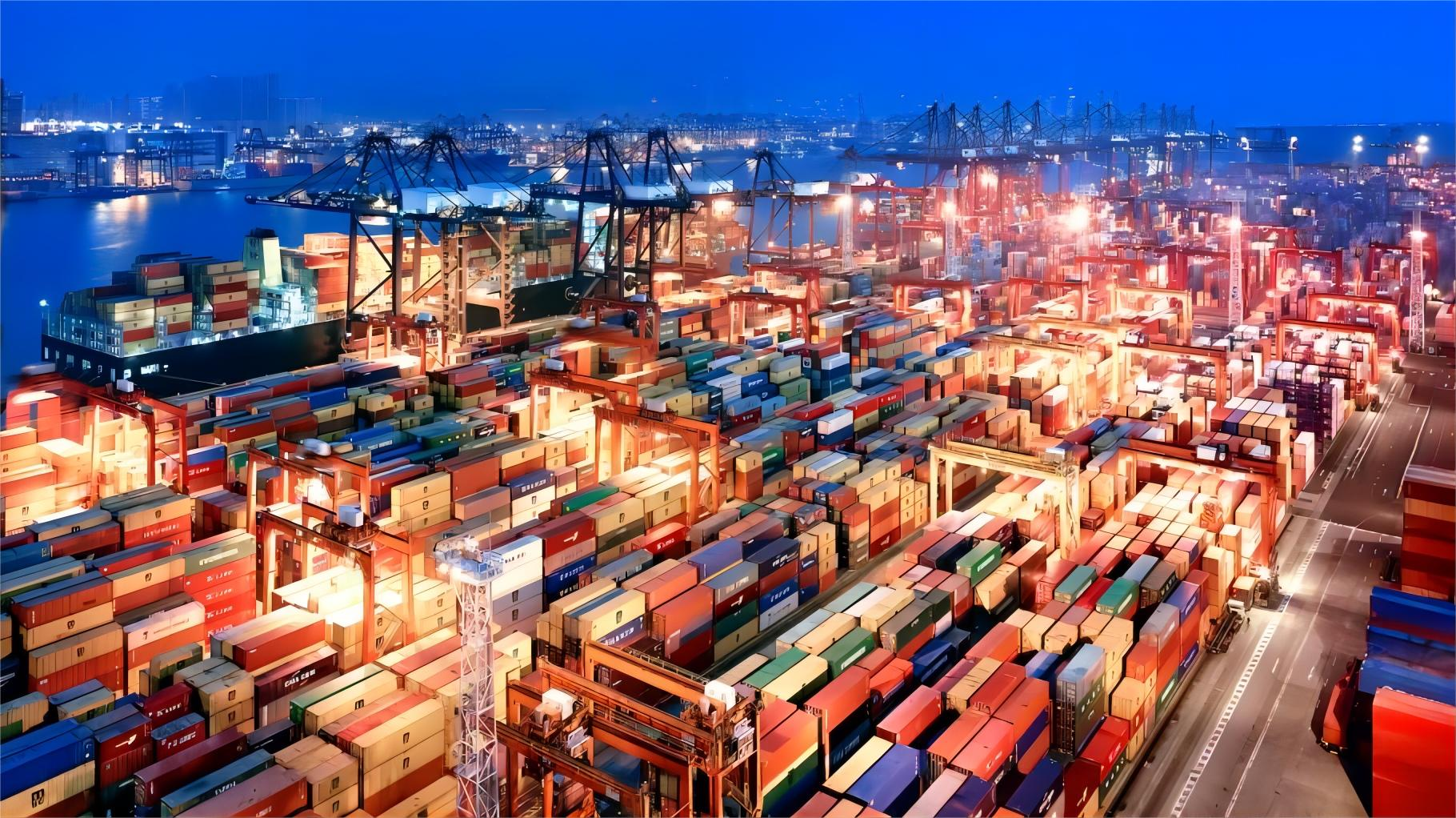
Why China Australia Freight Rates Rise During Peak Season: A 2026 Logistics Guide
Understanding why China Australia freight rates rise during peak season is essential for importers aiming to maintain profitability amidst volatile market conditions. As global demand surges, carrier capacity tightens, often leading to significant cost spikes that catch unprepared procurement teams off guard. Top Logistics Ltd provides the necessary transparency to navigate these fluctuations, ensuring your landed costs remain predictable even during the busiest shipping months of the year. This guide provides a strategic framework for managing your supply chain effectively while mitigating the impact of seasonal surcharge adjustments.
Key Takeaways
Peak season surcharges typically add 15-30% to base ocean freight rates between August and November.
A standard 40HQ container holds approximately 68-76 CBM; aim for 65-70 CBM to avoid equipment utilization penalties.
Air chargeable weight is calculated as the greater of actual weight or volumetric weight (L x W x H cm / 6000).
DAFF biosecurity inspections on Australian arrivals can add 3-5 days to transit and incur additional handling fees.
Incoterms like EXW often hide origin accessorials that inflate the final landed cost compared to FOB quotes.
What Core Components Make Up Australia Shipments in 2026?
The landed cost of an Australia-bound shipment is a complex mosaic of base freight, regulatory compliance fees, and terminal handling charges. For importers, the base freight rate is merely the starting point, as carriers often apply variable surcharges that fluctuate based on global bunker prices and container availability. Understanding how these components interact allows for more accurate budgeting and prevents the common pitfall of assuming an all-inclusive quote covers every possible eventuality during the transit process.
Operational success begins with identifying the specific port-to-port or door-to-door requirements early in the procurement phase. For ocean shipments, the core components include ocean freight, bunker adjustment factors (BAF), and the destination terminal handling charge (DTHC) upon arrival at ports like Sydney or Melbourne. Each of these elements can shift rapidly, particularly when demand from Chinese manufacturing hubs outstrips the available slot capacity on vessels servicing the trans-Pacific or trans-Tasman lanes.
To mitigate financial risk, importers must demand a line-item breakdown from their forwarder instead of accepting opaque all-in pricing structures. By isolating the base rate from mandatory accessorials, you can better track which specific variables are driving cost increases when market volatility strikes. Maintaining a clear view of these components ensures that your sea freight strategy remains aligned with your overall financial objectives for the 2026 calendar year.
Field note: Ensure all quotes specify whether DTHC is included.
Common mistake: Ignoring the impact of seasonal GRI/PSS on long-term contracts.
Risk alert: Peak season surcharges can be applied retrospectively if not clearly defined in the booking contract.
All-In vs Itemized Billing: Which Quote Structure Fits Your Budget?
Choosing between an all-in quote and an itemized bill is a strategic decision that affects your ability to audit shipping expenses effectively. An all-in quote offers simplicity and predictability, as the forwarder assumes the risk of minor cost fluctuations; however, this convenience often comes with a premium. Conversely, an itemized quote provides full visibility into every fee, allowing you to challenge specific charges or optimize your supply chain by identifying the most expensive components of the transit.
For high-volume shippers, itemized billing is typically the superior choice because it allows for granular analysis of cost drivers over time. By breaking down the invoice into base freight, fuel, security, and administrative fees, you can negotiate specific line items when market conditions improve or when carrier performance warrants a discount. This approach requires more administrative effort but prevents the ‘hidden fee’ surprises that are common with simplified all-in pricing models during peak season volatility.
If you are unsure which structure suits your business model, consider the nature of your cargo and your frequency of shipments. Occasional shippers may prefer the convenience of an all-in quote to minimize administrative headaches, whereas frequent importers should prioritize itemized transparency to maintain control over their landed costs. Our team can help you evaluate your logistics strategy to determine which approach provides the most value for your specific trade lane requirements.
Field note: Request a ‘pro-forma’ invoice to preview how the final bill will be structured.
Common mistake: Failing to ask about excluded destination fees in all-in quotes.
Risk alert: All-in quotes do not protect against massive, market-wide rate adjustments (GRI).
What Transit Timeline Should You Expect?
Transit timelines from China to Australia are subject to significant variation based on vessel routing, port congestion at the origin, and biosecurity clearance speed at the destination. While standard direct services might take 12-18 days, transshipment routes or delays at major hubs can extend this by a week or more. Importers must build a buffer into their supply chain schedules to account for these inherent uncertainties, particularly during peak seasons when port dwell times inevitably increase.
When planning your deliveries, consider the impact of the ‘cargo-ready’ date versus the actual vessel departure. Getting your goods out of the factory and into the port terminal is an operational milestone that often experiences the most friction. Once the cargo is on the water, tracking becomes more reliable, but the final leg—customs clearance and drayage—remains a potential bottleneck. Ensuring your documentation is perfect before the vessel arrives is the most effective way to avoid unnecessary delays.
To manage expectations, treat the transit time as a range rather than a fixed deadline. If your business depends on strict stock replenishment cycles, consider utilizing air freight for a portion of your inventory to buffer against potential ocean delays. By diversifying your mode mix, you create the flexibility needed to navigate the inevitable disruptions that characterize high-demand shipping seasons. Monitoring your cargo through reliable tracking systems is essential for maintaining visibility across every stage of the transit.
Field note: Always add a 5-day contingency buffer to your expected delivery date.
Common mistake: Counting transit from the date of booking instead of vessel departure.
Risk alert: Peak season congestion at destination ports can add 7+ days to original ETAs.
How Are Landed Costs Typically Built?
Building an accurate landed cost requires comprehensive visibility into every expense incurred from the factory floor in China to your warehouse in Australia. The formula is cumulative: Product Cost + Export Fees + Ocean/Air Freight + Insurance + Customs Duties + GST + Local Drayage/Handling. If any of these elements are underestimated, your margin analysis will be flawed, potentially leading to poor procurement decisions and unexpected financial losses for your organization.
The most critical aspect of landed cost calculation is the treatment of HS-code-specific duties and the Australian GST. Because these are calculated based on the CIF (Cost, Insurance, and Freight) or FOB value, the freight rate itself directly impacts the tax burden. Importers should work closely with their forwarder to ensure that the declared values align with official customs requirements, as misreporting can lead to severe penalties and significant delays during the clearance process.
Beyond the hard costs of freight and duty, consider the ‘soft costs’ of administrative time and potential inventory holding costs. If a shipment is delayed due to incomplete documentation, the cost of capital tied up in that inventory can be substantial. By streamlining your supply chain management processes, you can reduce the administrative drag on your landed cost, making your business more agile and responsive to the fluctuating demands of the Australian market.
| Equipment Type | Internal Volume (CBM) | Max Payload (kg / lbs) | Optimal Commodity Fit |
|---|---|---|---|
| 20ft Standard (20GP) | 28–30 CBM (26 usable) | 21,800 kg / 48,000 lbs | Dense, heavy cargo (machinery, auto parts, metals) |
| 40ft Standard (40GP) | 58–60 CBM (54 usable) | 26,500 kg / 58,400 lbs | General packaged cargo, standard palletized loads |
| 40ft High Cube (40HQ) | 68–76 CBM (68 usable) | 26,500 kg / 58,400 lbs | Bulky, lightweight goods (furniture, textiles, electronics) |
| 45ft High Cube (45HQ) | 85–86 CBM (78 usable) | 27,500 kg / 60,600 lbs | High-volume consumer retail distribution |
Field note: Include a 3-5% margin in your landed cost for unforeseen exchange rate volatility.
Common mistake: Neglecting to include Australian GST in the initial landed cost calculation.
Risk alert: Incorrect HS code classification is the leading cause of unexpected duty audits.
How Do Duty, GST/VAT, and Broker Fees Enter the True Landed Cost?
In Australia, the Australian Border Force (ABF) and the Department of Agriculture, Fisheries and Forestry (DAFF) enforce strict compliance standards that directly impact your landed cost. Duty rates are determined by the HS code of your product, while GST is calculated at 10% of the value of the imported goods (plus insurance and freight). Failing to account for these taxes early in the process is a common oversight that leads to severe budget shortfalls when the final tax invoice arrives.
Customs broker fees are another essential component of the landed cost that many importers fail to budget for appropriately. These fees are not just for filing the import declaration; they cover the professional expertise required to navigate biosecurity holds and complex classification disputes. When your cargo arrives, having a pre-cleared status is the best way to minimize the time your goods spend at the port, thereby avoiding the accumulation of storage and port infrastructure fees.
To ensure your landed cost modeling is accurate, update your duty and tax assumptions whenever there are changes in trade policy or tax legislation. Regular audits of your historical shipments can reveal if you are consistently overpaying on certain categories or failing to leverage available free trade agreements. Our expert resources can help you stay informed on the latest compliance requirements, ensuring your business remains competitive and compliant in the Australian market.
| Cost Component | Typical Assessment Base | Who Usually Pays | Planning Note |
|---|---|---|---|
| CIF / customs value | Goods value + freight + insurance (as declared) | Importer of record | Wrong valuation drives duty and VAT/GST miscalc |
| Import duty / tariff | % of customs value by HS chapter | Importer / DDP seller (by Incoterms) | Confirm HS binding before award |
| VAT / GST / sales tax | Duty-paid value (or local statutory base) | Importer / fiscal representative | Registration and reclaim rules vary by market |
| Customs broker / clearance fee | Per entry or per shipment band | Importer / nominating party | Separates from freight; exams add extras |
| Exam / storage / disbursement | Event-driven (exam, demurrage, advance) | Importer / broker client account | Often outside base ocean/truck quote |
Field note: Verify if your goods qualify for reduced duty under the China-Australia Free Trade Agreement (ChAFTA).
Common mistake: Using generic HS codes instead of specific item-level classifications.
Risk alert: DAFF biosecurity holds are non-negotiable; prepare all ISPM-15 compliant packaging in advance.
How Do Peak Seasons Affect Capacity and Pricing?
Peak season in the China-Australia trade lane is characterized by a dramatic imbalance between cargo volume and vessel capacity. As manufacturers rush to fulfill orders before end-of-year holidays, the demand for container space skyrockets, leading to immediate rate increases. Carriers often implement General Rate Increases (GRI) and Peak Season Surcharges (PSS) to manage this demand, which can effectively double your shipping costs if you have not secured your space well in advance.
Capacity management is the primary challenge during these months, as ‘rolled cargo’ becomes a significant risk for shippers who rely on spot-market bookings. Being ‘rolled’ means your cargo failed to make the vessel it was booked on and must wait for the next sailing—a delay that can easily cascade into a multi-week service disruption. To avoid this, successful importers shift their procurement strategy to long-term space guarantees or early booking windows starting at least 6 weeks before the expected departure.
Importers who treat peak season as a business-as-usual logistics event are almost certain to face increased costs and reduced reliability. The key to navigating this period is to work with a logistics partner who has established relationships with major carriers, providing you with better access to space when the market is tight. By planning your peak season shipping schedule as early as the first quarter, you can lock in favorable rates and ensure your inventory arrives in time for your peak sales windows.
Field note: Book your peak season space at least 45 days in advance.
Common mistake: Relying on spot-market bookings during the September-November window.
Risk alert: Carriers frequently prioritize long-term contract holders over spot-market shippers during high-demand periods.
What Is the Step-by-Step Process from Quote to Delivery?
The journey from a supplier’s warehouse in China to your final destination in Australia is a structured process that demands precise coordination. It begins with the initial quote capture, where you define the Incoterms—such as FOB or EXW—that dictate who is responsible for each leg of the journey. Once the booking is confirmed, the focus shifts to origin operations, including cargo pickup, consolidation, and the critical pre-shipment documentation required for export clearance.
After the vessel or aircraft departs, the ‘in-transit’ phase involves active monitoring and the preparation of destination entry documents. This is the stage where you should be working with your customs broker to ensure the N20 import declaration is ready for submission to the ABF. Managing this documentation proactively is the only way to ensure your cargo clears customs immediately upon arrival, avoiding the costly storage fees that accumulate at the port while waiting for paperwork to be processed.
The final phase is the destination delivery, which involves coordinating the drayage from the port to your warehouse or final customer. This step often requires local knowledge of port gate operations and driver availability, which is why working with a local professional is so important. By following a standardized SOP—from the initial inquiry to the final proof of delivery—you can establish a baseline for performance, allowing you to identify and address bottlenecks in your supply chain with precision.
Field note: Confirm the ‘ready date’ with your supplier at least 5 days before the scheduled pickup.
Common mistake: Starting the customs entry process only after the vessel has docked.
Risk alert: Missing documentation at the port can result in daily storage charges that quickly exceed the cost of the freight.
Decision Framework
By volume: Capture CBM/kg first; under ~2 CBM often fits express/air, mid volumes need LCL/FCL comparison, and oversized lots require dedicated equipment quotes.
By speed: Urgent windows under ~7 days favor air/express; standard replenishment can use ocean, rail, or multimodal once cargo-ready timing and destination entry data are locked.
By cargo profile: Flag DG, temperature-control, or oversized handling before award — these change documentation and carrier acceptance. Use destination national filings only.
Real-World Corridor Case Studies
A food & beverage ingredients shipper moved shelf-stable food & beverage ingredients from Shanghai, China to Sydney on a scoped ocean lane. The forwarder locked FSMA prior notice, temperature monitoring, and sanitary carton standards before CY gate-in, aligned commercial invoice and packing list data with the carrier booking, and tracked destination release so demurrage clocks stayed inside negotiated free time.
A consumer electronics shipper moved consumer electronics and accessories from Ningbo, China to Melbourne on a scoped ocean lane. The forwarder locked battery/MSDS declarations, anti-static packing, and high-value cargo insurance before CY gate-in, aligned commercial invoice and packing list data with the carrier booking, and tracked destination release so demurrage clocks stayed inside negotiated free time.
Landed-Cost Action Plan for Australia Shipments
Successfully navigating the China-Australia trade lane requires a shift from reactive to proactive supply chain management. By understanding the core components of your landed cost, demanding transparency in billing, and planning around seasonal capacity constraints, you can protect your margins even when market rates are rising.
Documenting every accessorial and planning for biosecurity compliance early will prevent the invoice shocks that often plague new importers. Contact Top Logistics Ltd today to secure an itemized landed-cost breakdown and ensure your next shipment arrives on time, on budget, and without hidden surprises.
Process and Checkpoints
Scope & Incoterm Capture
Define EXW/FOB/DDP scope and confirm what the quote must include regarding destination accessorials.
Line-Item Rate Build
Separate base freight, bunker surcharges, customs clearance, and destination handling into distinct line items.
Duty & Tax Estimate
Calculate HS-driven duty and Australian GST based on the CIF value to ensure accurate landed-cost forecasting.
Scenario Comparison
Compare at least two modes or service levels to understand the trade-offs between cost and transit speed.
Quote Validation
Reconcile packing list weights and volumes against quoted bands to ensure no overcharging at the port.
Award & Booking
Lock the awarded lane and document all excluded accessorials in a written service agreement.
Confirm the right route for your shipment
Need an itemized landed-cost breakdown for your next shipment? Share your CBM, Incoterms, HS code, and destination zip code to receive a competitive, transparent quote today.
Request a route reviewFrequently Asked Questions
What is the Importer of Record (IOR) role under DDP door delivery?
The IOR is legally responsible for entry filings, duties, and compliance; without one, cargo can be seized.
Which fees are often excluded from headline DDP quotes?
Customs exams, liftgate/residential delivery, and storage during tax review frequently sit outside base DDP.
How does HS code misclassification change the all-in DDP duty line?
Wrong HS chapters can raise duty rates materially and trigger amendments, exams, or bond issues.
When should buyers request a continuous bond instead of single-entry bonds?
High-frequency or high-value importers usually need a continuous bond to avoid per-shipment shortfalls.
What happens if destination customs holds a DDP shipment for exam?
Exam fees plus yard or rail-terminal storage accrue until release—even when freight and duties were prepaid under DDP.
How can shippers control demurrage, detention, or terminal storage after a customs hold?
Pre-lodge entry data, keep HS/value packs audit-ready, and escalate broker responses inside free time before last-mile trucks are dispatched.
Rates and surcharges fluctuate; request an itemized quote.
Informational only; not binding legal/tax/customs advice.
Benchmarks reflect standard 2026 practice for this corridor.