

Air Freight China to Australia: 2026 Shipping Costs and Transit Guide
“Air freight china to australia remains the most reliable solution for businesses requiring rapid delivery and secure cargo handling in 2026. When you partner with DSV-Freight, you access a global network optimized for the modern supply chain. This guide explores the intricacies of international logistics to help you navigate the evolving trade landscape between these two major economic partners.”
How Does Air Freight China to Australia Compare to Other Shipping Options?
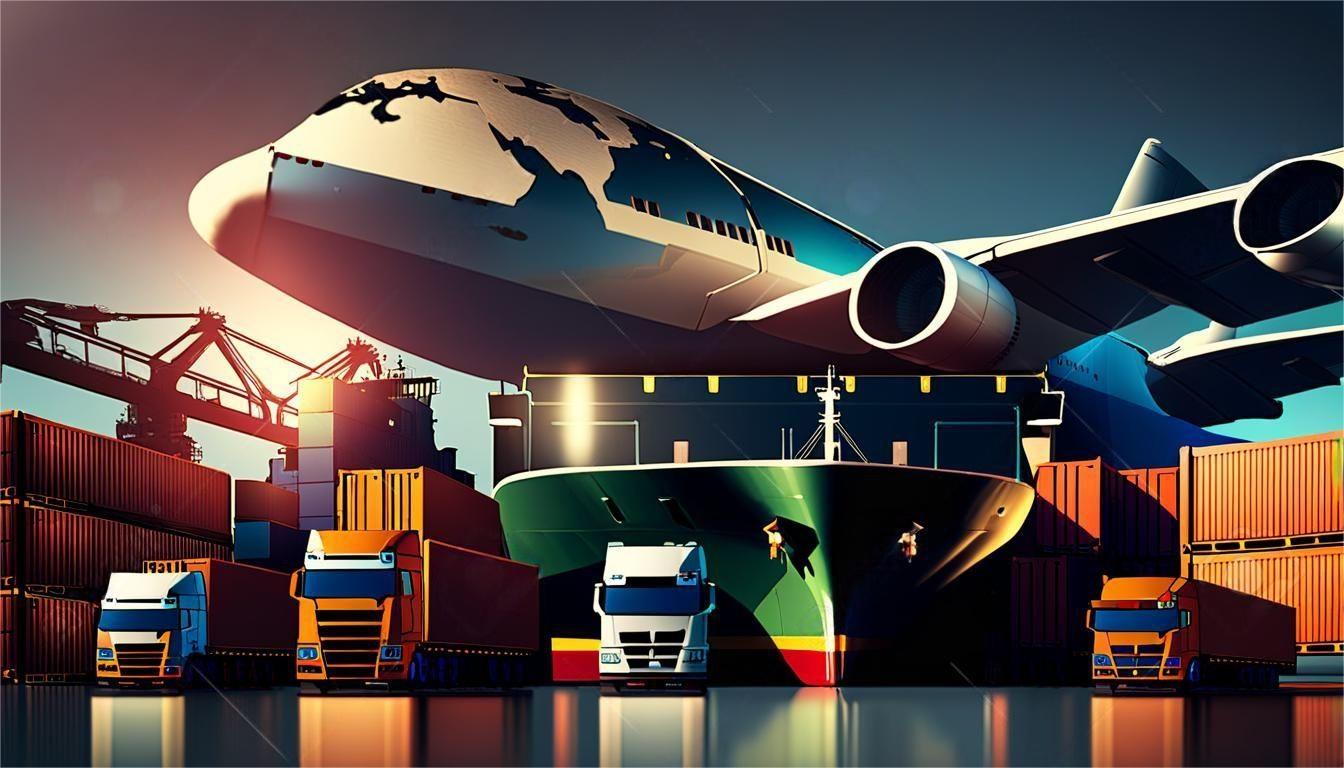
❖Choosing the right transportation mode is a critical decision for any import-export business operating in 2026. While sea freight offers significant cost savings for massive volumes, it cannot match the speed of aviation. Air transport reduces the total transit time from weeks to just a few days, which is essential for high-value or time-sensitive items.
Additionally, the security protocols at major Chinese airports like Shanghai Pudong and Shenzhen Baoan are world-class. Consequently, the risk of theft or damage is significantly lower compared to long-haul maritime routes. Shippers often find that the higher upfront cost is offset by reduced inventory holding costs and faster market entry.
Moreover, the reliability of flight schedules in 2026 has stabilized after previous global disruptions. Therefore, businesses can plan their inventory cycles with much greater precision than they could with ocean-bound cargo. In contrast, sea routes may still face port congestion at major Australian gateways like Sydney or Melbourne.
| Shipping Method | Cost Range | Transit Time | Best For |
|---|---|---|---|
| Air Freight | $4.50 – $8.50/kg | 3-7 Days | Urgent/High-Value |
| Sea Freight | $850 – $1,300/20GP | 12-18 Days | Bulk/Low-Value |
| Express Service | $7.50 – $13.00/kg | 2-4 Days | E-commerce/Samples |
| Sea-Air Hybrid | $2.50 – $4.00/kg | 10-12 Days | Mid-range Budget |

Which Option Should You Choose?
❖Budget priorities usually dictate that sea freight is the default choice for large, heavy shipments. However, if your cargo is under 500 kilograms, the price gap between air and sea narrows significantly due to minimum billable volumes in ocean transport. Specifically, using an Express Service might even be more economical for very small parcels under 45 kilograms.
Speed priority is the primary driver for air cargo adoption across the Pacific. If your products have a short shelf life or are part of a seasonal launch, the three-to-five-day transit time is non-negotiable. Furthermore, electronics and medical supplies frequently utilize air routes to maintain product integrity and meet urgent demand.
Volume thresholds play a major role in the decision-making framework for logistics managers. Typically, once a shipment exceeds 15 cubic meters, a full container load becomes the most cost-effective method. Nevertheless, for urgent restocks of popular items, air freight remains the strategic choice to prevent stockouts.
Key Factors Influencing Air Freight Rates from China
❖Fuel surcharges represent a significant portion of the total shipping costs from China to Australia 2026. Because aviation fuel prices fluctuate based on global oil markets, airlines adjust their rates monthly or even weekly. Consequently, shippers must remain flexible and account for these variations in their landed cost calculations.
Peak season shipping surcharges 2026 are another critical factor to monitor closely. During the months of September through December, demand for air space skyrockets as retailers prepare for the holiday season. As a result, freight rates can increase by 20% to 40% compared to the quieter first quarter of the year.
Cargo handling requirements also impact the final invoice for air shipments. For instance, shipping hazardous materials or lithium batteries requires specialized packaging and documentation, which incurs additional fees. Indeed, perishable goods logistics China Australia often requires temperature-controlled environments, further increasing the logistics investment.
Essential Documentation for Shipping to Australia
❖Navigating the paperwork is often the most challenging part of international trade. You must ensure that every document is accurate to avoid costly delays at the border. Working with a professional Customs Brokerage service can streamline this process and ensure compliance with Australian Border Force regulations.
Commercial invoices must clearly state the value of the goods and the country of origin. Additionally, a detailed packing list is required to help customs officials verify the contents of each pallet. Furthermore, the Air Waybill serves as the contract between the shipper and the carrier, detailing the terms of transportation.
Specific permits may be required for certain categories of goods entering Australia. For example, agricultural products or timber items often need biosecurity clearances to protect the local environment. Therefore, verifying these requirements before the plane leaves China is essential for a smooth arrival.
| Document Name | Required For | Purpose | Issuer |
|---|---|---|---|
| Commercial Invoice | All Shipments | Tax Assessment | Shipper/Seller |
| Packing List | All Shipments | Cargo Inspection | Shipper/Seller |
| Air Waybill | All Shipments | Legal Contract | Airline/Agent |
| Certificate of Origin | Duty Reductions | Trade Agreement | Chamber of Commerce |
Real-World Case Studies: Air Freight in Action
❖Case Study 1: Electronics from Shenzhen to Melbourne. Route: Shenzhen, China to Melbourne, Australia. Cargo: High-end tablets, 4 CBM, 1200 kg. Carrier: Major carrier. Port of Loading: Shenzhen SZX. Port of Discharge: Melbourne MEL. Route Type: Direct. Cost Breakdown: Air Freight: $7,800. Origin Charges: $450. Destination Charges: $600. Customs and Duties: $1,200. Total Landed Cost: $10,050. Timeline: Booking to Loading: 2 days. Air Transit: 1 day. Customs Clearance: 1 day. Total Door-to-Door: 4 days. Key Insight: Choosing a direct flight avoided transshipment delays in Singapore, ensuring the product launch stayed on schedule.
Case Study 2: Fashion Apparel from Guangzhou to Sydney. Route: Guangzhou, China to Sydney, Australia. Cargo: Seasonal clothing, 2 CBM, 450 kg. Carrier: Commercial airline belly cargo. Port of Loading: Guangzhou CAN. Port of Discharge: Sydney SYD. Route Type: Transshipment via Hong Kong. Cost Breakdown: Air Freight: $3,150. Origin Charges: $300. Destination Charges: $400. Customs and Duties: $800. Total Landed Cost: $4,650. Timeline: Booking to Loading: 3 days. Air Transit: 2 days. Customs Clearance: 2 days. Total Door-to-Door: 7 days. Key Insight: Utilizing a transshipment route through Hong Kong saved the client 15% on freight rates compared to a direct Guangzhou flight.
Case Study 3: Industrial Parts from Shanghai to Perth. Route: Shanghai, China to Perth, Australia. Cargo: Replacement machinery components, 0.5 CBM, 150 kg. Shipping Method: Door to Door air freight. Carrier: Major international carrier. Port of Loading: Shanghai PVG. Port of Discharge: Perth PER. Route Type: Direct. Cost Breakdown: Air Freight: $1,400. Origin Charges: $200. Destination Charges: $250. Customs and Duties: $300. Total Landed Cost: $2,150. Timeline: Booking to Loading: 1 day. Air Transit: 1 day. Customs Clearance: 1 day. Total Door-to-Door: 3 days. Key Insight: The urgency of the machinery repair justified the premium cost of express air cargo to minimize factory downtime.
Transit Times and Major Routes in 2026
❖Transit times for Air Freight remain consistently fast despite the increasing volume of global trade. Most direct flights between major Chinese hubs and Australian cities take between 9 and 12 hours of actual flying time. However, the total door-to-door timeline usually spans 3 to 7 days when accounting for ground handling and customs.
Major routes typically originate from the manufacturing powerhouses in the Pearl River Delta and the Yangtze River Delta. Shenzhen, Guangzhou, and Shanghai serve as the primary exit points for the majority of Australian-bound cargo. Consequently, these airports offer the highest frequency of flights and the most competitive rates.
Direct routes cost 10-15% more but save 5-7 days compared to transshipment via Singapore or Port Klang. For many businesses, the time saved is worth the additional investment, especially when dealing with perishable goods or urgent contracts. In addition, direct flights reduce the number of times cargo is handled, lowering the risk of damage.
| Origin City | Destination City | Direct Transit | Frequency |
|---|---|---|---|
| Shanghai (PVG) | Sydney (SYD) | 10-11 Hours | Daily |
| Shenzhen (SZX) | Melbourne (MEL) | 11-12 Hours | 5x Weekly |
| Guangzhou (CAN) | Brisbane (BNE) | 9-10 Hours | Daily |
| Beijing (PEK) | Perth (PER) | 12-14 Hours | 3x Weekly |
Tips for Reducing Your Air Cargo Expenses
❖Consolidating shipments is one of the most effective ways to lower your average cost per kilogram. By grouping smaller orders into a single larger shipment, you can take advantage of volume discounts offered by airlines. Moreover, this approach simplifies the customs clearance process by reducing the number of individual entries required.
Optimizing your packaging is another crucial step in managing air freight costs. Since airlines charge based on either actual weight or volumetric weight, bulky but light packaging can lead to unnecessarily high fees. Therefore, using compact, high-strength materials can help you stay within lower weight brackets without sacrificing protection.
Booking in advance is a simple yet often overlooked strategy for securing better rates. While air freight is known for its speed, giving your forwarder a few days of lead time allows them to shop for the best available space. Accordingly, you can avoid the premium prices associated with last-minute, urgent bookings.
Navigating Customs and Duties in Australia
❖Customs clearance Australia 2026 involves strict adherence to the latest trade agreements and tariff classifications. Most goods with a value under 1,000 Australian Dollars may be eligible for simplified entry procedures. However, commercial shipments usually require a formal entry and the payment of Goods and Services Tax (GST).
Free Trade Agreements between China and Australia can significantly reduce or even eliminate import duties on many product categories. To benefit from these agreements, you must provide a valid Certificate of Origin that proves the goods were manufactured in China. Consequently, failing to provide this document could result in paying the standard 5% duty rate.
Biosecurity risks are taken very seriously by Australian authorities, especially for items containing wood, plant matter, or animal products. Indeed, even the wooden pallets used for shipping must be treated and stamped according to ISPM 15 standards. Meanwhile, any non-compliance can lead to expensive fumigation fees or even the destruction of the cargo.
Conclusion
Mastering the nuances of air freight china to australia is essential for any business looking to thrive in the 2026 global market. By understanding the balance between cost and speed, you can make informed decisions that enhance your competitive edge. Whether you are shipping high-tech electronics or seasonal fashion, the efficiency of air cargo remains unmatched.
Success in international trade requires more than just moving goods; it demands a strategic partnership with experienced logistics professionals. As freight rates and regulations continue to evolve, staying informed and adaptable will ensure your cargo arrives safely and on time. To summarize, investing in quality air freight services is an investment in the growth and reliability of your business.

Ready to streamline your logistics?
Ready to streamline your supply chain with reliable air freight china to australia? Contact our expert logistics team today to receive a customized quote tailored to your specific shipping needs. Visit our inquiry page to get started: Send Inquiry
Request Quote