


Shipping Quote China to Tonga: 2026 Freight Rates and Logistics Guide
Securing a reliable shipping quote china to tonga is the first step toward building a successful supply chain in the South Pacific. Businesses often face unique challenges when importing goods to island nations, ranging from limited port infrastructure to fluctuating fuel surcharges. Consequently, understanding the latest logistics trends and cost variables for 2026 allows you to optimize your budget and ensure timely delivery to Nuku’alofa. This guide provides a comprehensive breakdown of freight options, transit times, and strategic advice to help you navigate the route from China to Tonga efficiently.

Factors Influencing Your Shipping Quote China to Tonga
Several critical variables determine the final price of your logistics operations when moving goods across the Pacific. Market data suggests that fuel costs and carrier capacity remain the most volatile factors impacting freight rates from China to Nuku’alofa in early 2026. Furthermore, the distance between major Chinese ports like Shenzhen or Shanghai and the Port of Nuku’alofa necessitates strategic routing, often involving transshipment hubs in Fiji or New Zealand.
Seasonal demand also plays a significant role in price fluctuations throughout the year. For instance, shipping costs typically increase by 15-25% during the peak season from August to October as retailers prepare for the holiday period. Additionally, the type of cargo you are transporting influences the handling requirements and the specific equipment needed, such as refrigerated containers for perishables or flat racks for oversized machinery.
Local port fees and administrative charges in Tonga can impact the total landed cost of your shipment. It is essential to account for these destination charges when evaluating any initial quote from a freight forwarder. Moreover, current logistics trends in the South Pacific indicate a shift toward more sustainable shipping practices, which may introduce small environmental surcharges but improve long-term reliability for island trade.
Sea Freight vs. Air Freight: Which Method Fits Your Budget?
Choosing between ocean and air transport requires a careful balance of speed and cost-effectiveness. For most businesses, sea freight remains the primary choice for bulk commodities and heavy machinery due to its significantly lower price point per cubic meter. In contrast, air freight offers unparalleled speed for high-value electronics or urgent medical supplies that must reach Tonga within days rather than weeks.
Transit time for sea cargo to Tonga generally ranges from 30 to 45 days, depending on the number of transshipment stops. On the other hand, air cargo costs China to Tonga are calculated by weight, making it expensive for large volumes but highly efficient for small, time-sensitive parcels. Therefore, importers must evaluate their inventory turnover rates and customer expectations before selecting a preferred shipping mode.
To summarize the differences, sea freight is ideal for shipments exceeding 2 CBM, whereas air freight is more economical for loads under 100 kg. Industry benchmarks for 2026 indicate that while sea rates have stabilized, air cargo remains subject to rapid price shifts based on global aviation fuel prices. Accordingly, requesting a multi-modal quote can help you identify the most cost-effective solution for your specific cargo profile.
| Method | Cost Range | Transit Time | Best For |
|---|---|---|---|
| Sea Freight (LCL) | $180 – $350 per CBM | 35-45 Days | General Merchandise |
| Sea Freight (FCL) | $3,800 – $5,500 per 20GP | 30-40 Days | Bulk Goods/Furniture |
| Air Freight | $6.50 – $11.00 per kg | 7-12 Days | Electronics/Urgent |
| Express Service | $12.00 – $18.00 per kg | 5-8 Days | Documents/Samples |
How Does Sea Freight Compare to Other Shipping Options?
Evaluating alternative strategies is vital for optimizing your supply chain and reducing unnecessary expenditures. While direct sea freight is the standard, some businesses utilize express service for small batches to test the Tongan market before committing to full container loads. This approach minimizes risk and allows for faster response times to local consumer trends.
Hybrid solutions, such as sea-air combinations, are gaining popularity for shipments that require a balance between cost and speed. For example, cargo can be shipped by sea from China to a hub like Singapore or Dubai and then flown to Tonga, saving approximately 15 days compared to a full ocean route. Nevertheless, these solutions require precise coordination to avoid delays at transfer points.
Comparison of various shipping methods reveals that each has distinct trade-offs regarding reliability and flexibility. Specifically, LCL vs FCL shipping Tonga decisions should be based on whether your volume can fill a 20-foot or 40-foot container. For shipments under 15 CBM, Less than Container Load (LCL) usually provides the best value, despite slightly longer handling times at consolidation centers.
| Shipping Method | Cost Level | Transit Time | Limitations |
|---|---|---|---|
| Direct Sea Freight | Lowest | 30-40 Days | Slowest delivery |
| Transshipment Sea | Low | 40-50 Days | Higher delay risk |
| Sea-Air Hybrid | Medium | 18-25 Days | Complex paperwork |
| International Express | Highest | 5-8 Days | Strict size limits |
Understanding LCL vs FCL Shipping to Tonga
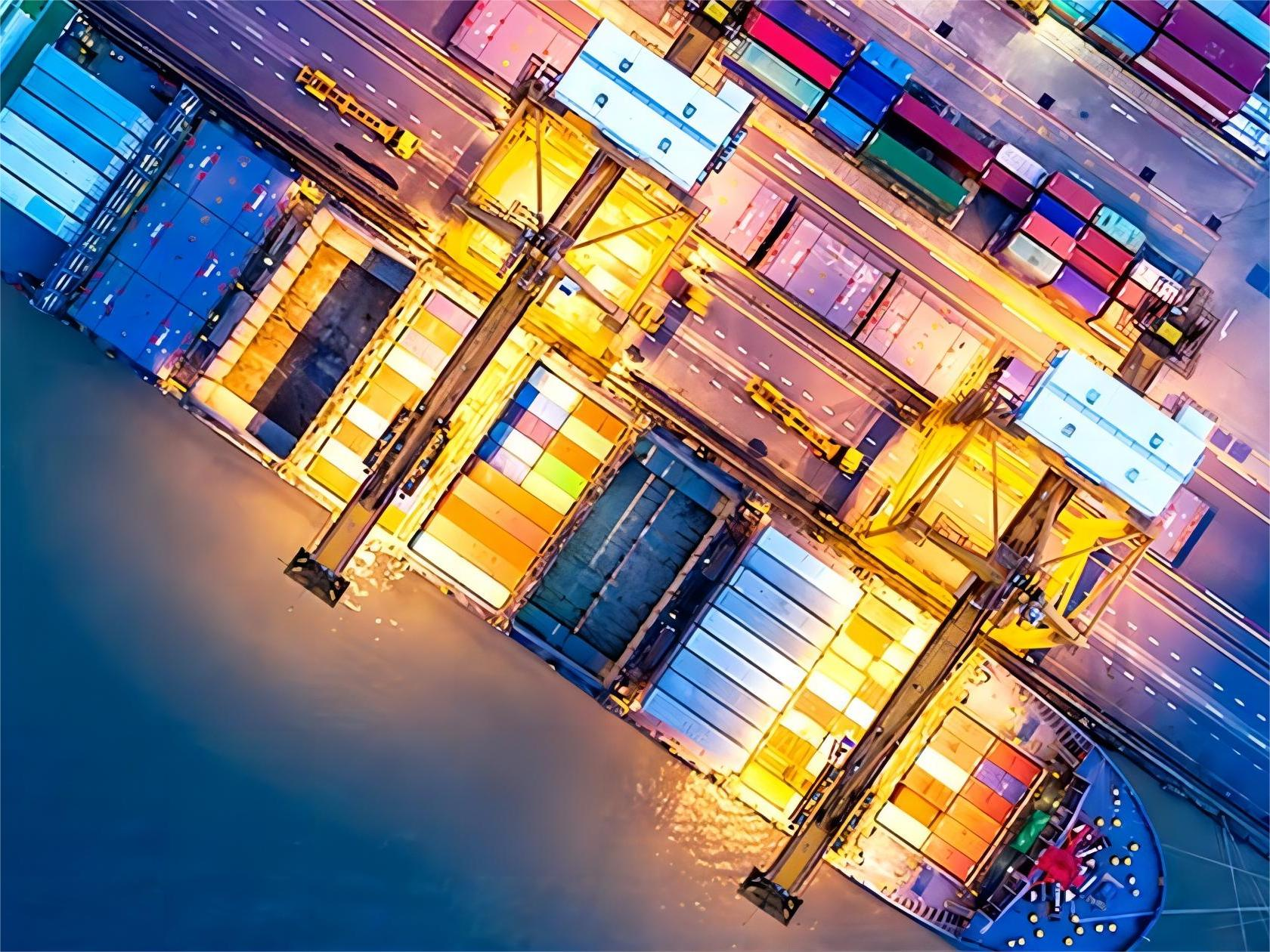
Navigating the choice between Full Container Load (FCL) and Less than Container Load (LCL) is a fundamental part of requesting a shipping quote China to Tonga. FCL shipping offers the highest level of security and speed for large shipments because the entire container is dedicated to your goods. Consequently, you avoid the delays associated with consolidating and deconsolidating cargo from multiple shippers.
Importers dealing with smaller volumes often prefer LCL to keep their shipping costs per CBM to Tonga manageable. This method allows you to pay only for the space you occupy within a shared container. However, you should be aware that LCL shipments are handled more frequently, which increases the potential for minor damages if packaging is not robust.
Container shipping prices 2026 for a 20GP container currently range between $3,800 and $5,200, while a 40HQ can cost upwards of $6,500 depending on the departure port. In contrast, LCL rates are more stable but include additional handling fees at both the origin and destination. Ultimately, if your shipment exceeds 15 CBM, booking a full 20-foot container is almost always more economical than LCL.
Navigating Customs Brokerage and Regulations in Tonga
Compliance with local regulations is paramount to avoiding costly delays and penalties at the Tongan border. Utilizing a professional customs brokerage service ensures that all documentation, including commercial invoices and packing lists, meets the requirements of the Tonga Customs Service. Furthermore, understanding the specific import duties in Tonga for your product category is essential for calculating your total landed cost.
Tonga has specific biosecurity laws that apply to agricultural products, wood packaging, and used machinery. For instance, any wooden crates must be heat-treated and stamped with the ISPM 15 logo to prevent the introduction of pests. Additionally, providing an accurate Bill of Lading and a certificate of origin can help expedite the clearance process and potentially qualify your goods for preferential tariff rates.
Customs clearance fees Tonga vary based on the complexity of the shipment and the number of line items involved. Notably, the government often updates its duty schedules annually, so staying informed about 2026 policy changes is crucial for accurate budgeting. Indeed, proactive communication with your logistics provider about customs requirements can reduce the time your cargo spends in the port by several days.
| Document Name | Primary Purpose | Required For |
|---|---|---|
| Commercial Invoice | Value declaration for duties | All shipments |
| Packing List | Detailed inventory of items | All shipments |
| Bill of Lading | Proof of ownership/carriage | Sea Freight |
| Phytosanitary Cert | Biosecurity compliance | Plant/Wood products |
Door to Door Delivery: Simplifying South Pacific Logistics
Managing the entire logistics chain from the factory floor in China to a warehouse in Nuku’alofa can be overwhelming for many businesses. Choosing a door to door service simplifies this process by consolidating all costs into a single, comprehensive quote. This solution typically includes inland trucking in China, ocean or air freight, customs clearance, and final mile delivery in Tonga.
Specifically, door-to-door logistics providers handle the coordination between different carriers and local agents, reducing the risk of communication breakdowns. Moreover, this service level offers better visibility through integrated tracking systems, allowing you to monitor your cargo’s progress in real-time. Therefore, small to medium enterprises often find the convenience of door-to-door shipping worth the slightly higher service fee.
Final mile delivery in Tonga can be challenging due to limited infrastructure outside the main port area. Consequently, ensuring your provider has a strong local network in Nuku’alofa is essential for a smooth handover. Without a doubt, a seamless door-to-door strategy is the most efficient way to maintain a consistent supply of goods for the Tongan market.
Real-World Case Studies: Shipping from China to Tonga
Case Study 1: Solar Energy Project. Route: Ningbo, China to Nuku’alofa, Tonga. Cargo: Solar panels and mounting systems, 12 CBM. Method: LCL Sea Freight. Total Landed Cost: $2,450. Transit Time: 42 days. Key Insight: By using LCL, the client saved $1,800 compared to booking a half-empty 20GP container. Proper palletization prevented any damage during transshipment in Suva.
Case Study 2: Retail Stock Replenishment. Route: Guangzhou, China to Nuku’alofa, Tonga. Cargo: Clothing and consumer goods, 20GP Container. Method: FCL Sea Freight. Total Landed Cost: $5,100. Transit Time: 34 days. Key Insight: Shipping during the Q1 lull in 2026 allowed the client to secure a rate 20% lower than the Q4 peak season average. Direct booking through a major carrier reduced transit time by 5 days.
Case Study 3: Urgent Construction Parts. Route: Shanghai, China to Nuku’alofa, Tonga. Cargo: Specialized hydraulic valves, 85 kg. Method: Air Freight. Total Landed Cost: $1,150. Transit Time: 9 days. Key Insight: Although the cost per kg was high, the rapid delivery prevented a construction site shutdown that would have cost $2,000 per day in labor delays.
Which Shipping Option Should You Choose?
Determining the best logistics strategy depends entirely on your specific business priorities and cargo characteristics. If your primary goal is budget optimization and you are shipping large volumes, sea freight is the logical choice. Conversely, if you are dealing with perishable goods or critical spare parts, the speed of air freight justifies the higher investment.
Volume thresholds often dictate when you should switch from LCL to FCL shipping. Market data suggests that once your shipment reaches 14-16 CBM, a full 20-foot container becomes more cost-effective due to lower per-unit handling fees. Additionally, consider the value of your goods; high-value items benefit from the reduced handling and increased security of FCL or air transport.
Note: Freight rates are subject to change based on fuel costs, carrier capacity, and seasonal demand. Contact us for a current quote tailored to your specific shipment. Ultimately, a balanced approach that utilizes different methods for different product lines often yields the best results for South Pacific importers.
Final Thoughts on Shipping to Tonga
Successfully managing the route from China to Tonga requires a combination of strategic planning and local expertise. By understanding the factors that influence your shipping quote china to tonga, you can make informed decisions that protect your profit margins and ensure customer satisfaction. Whether you choose the cost-efficiency of ocean freight or the speed of air transport, partnering with an experienced freight forwarder is essential.
As we move through 2026, staying adaptable to market changes and regulatory updates will remain a competitive advantage for Tongan importers. Consequently, we encourage you to review your logistics strategy regularly and explore multi-modal options to optimize your delivery schedules. With the right approach, your business can thrive in the growing trade corridor between China and the South Pacific.
Get Your Shipping Quote Today
Ready to streamline your South Pacific supply chain? Contact our logistics experts today to receive a personalized shipping quote china to tonga tailored to your specific business needs. Our team is standing by to help you navigate customs and secure the best 2026 freight rates for your next shipment. Send Inquiry: Visit toplogisticslt.com to get started.
Request Quote