

Air Freight China to Papua New Guinea: 2026 Shipping Guide
Navigating the complexities of international trade requires a reliable partner for your logistics needs. If you are looking to move goods quickly, choosing toplogisticslt.com ensures your supply chain remains uninterrupted and efficient. This guide explores the essential aspects of air freight China to Papua New Guinea to help you make informed shipping decisions in 2026.
Why Choose Air Freight China to Papua New Guinea in 2026?
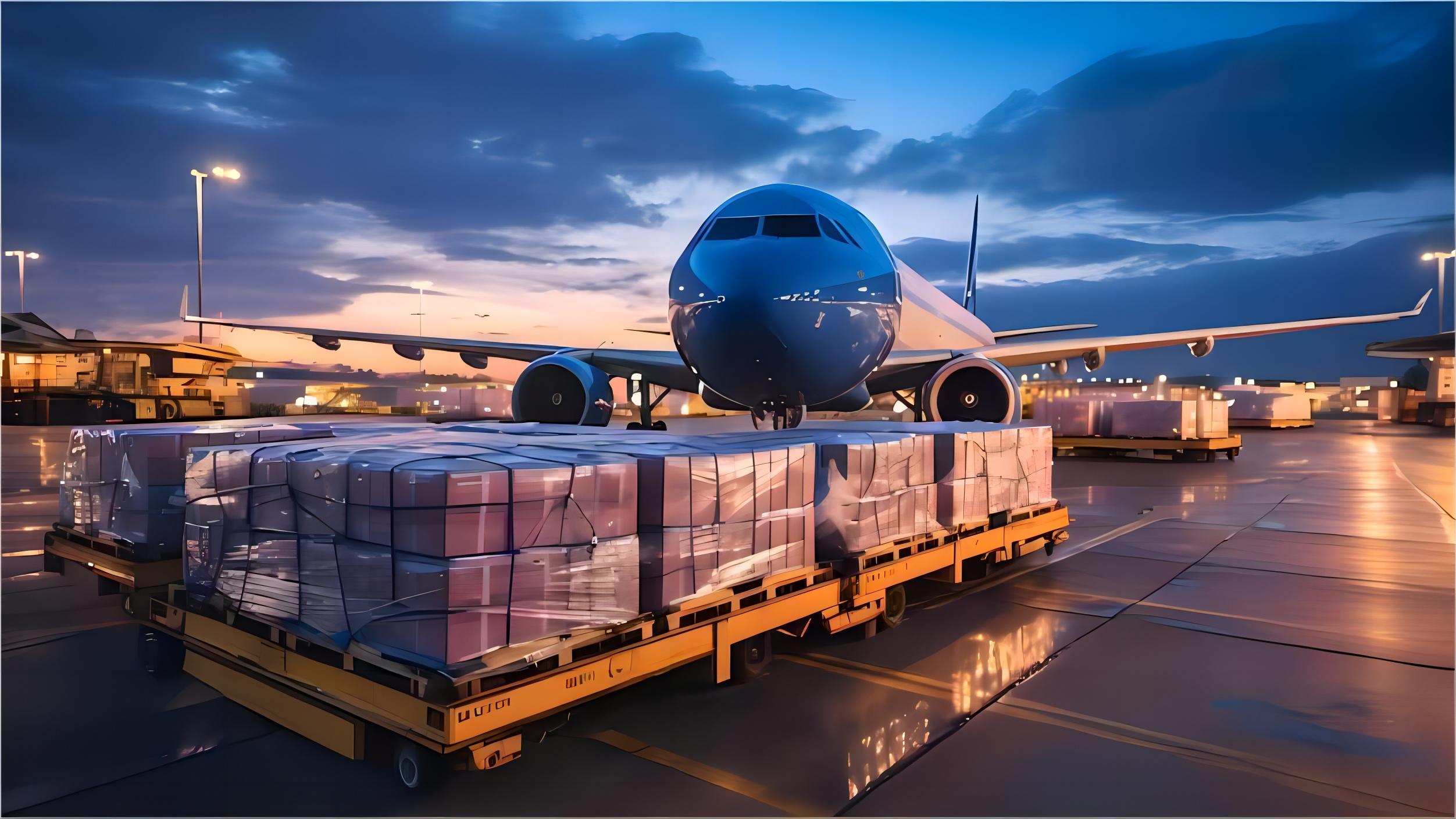
Speed remains the primary advantage for businesses transporting high-value or perishable goods across the Pacific. While other methods exist, air freight China to Papua New Guinea offers the most consistent delivery schedule for urgent inventory requirements. Moreover, the security protocols at major airports significantly reduce the risk of theft or damage during transit.
Reliability is another critical factor that drives the demand for aerial transport solutions. Consequently, many importers in Port Moresby prefer air cargo to avoid the longer lead times associated with maritime routes. Furthermore, the frequency of flights between major Chinese hubs and PNG ensures that your cargo does not sit idle in a warehouse for extended periods.
Safety standards for air transport are exceptionally high compared to other logistics modes. Specifically, the handling processes for air shipments are streamlined to minimize physical contact and potential impact. Therefore, fragile electronics or sensitive medical equipment often travel via air to ensure they arrive in pristine condition.
Understanding Air Freight China to Papua New Guinea Costs
Pricing for air transport is determined by several fluctuating factors, including fuel surcharges and seasonal demand. In 2026, market data suggests that rates typically range from 5.50 to 9.50 USD per kilogram depending on the volume. Additionally, the chargeable weight is calculated based on either the actual weight or the volumetric weight of the package.
Carriers often apply different rate brackets for larger shipments to encourage bulk booking. For instance, shipping 500 kilograms will usually result in a lower price per unit than shipping 50 kilograms. Meanwhile, you should also account for local handling fees and airport security charges at both the origin and destination.
Market intelligence indicates that Q4 peak season rates often increase by 15-25 percent due to higher global demand. Nevertheless, securing a contract with a freight forwarder can help stabilize these costs throughout the year. Indeed, planning your shipments in advance is the most effective way to manage your logistics budget.
| Weight Bracket | Estimated Rate (USD/kg) | Service Level | Typical Transit |
|---|---|---|---|
| 45-100 kg | $8.50 – $9.50 | Standard Air | 5-7 Days |
| 101-300 kg | $7.00 – $8.20 | Standard Air | 5-7 Days |
| 301-500 kg | $6.00 – $6.80 | Economy Air | 7-9 Days |
| 500+ kg | $5.50 – $5.90 | Economy Air | 7-10 Days |
How Does Air Freight Compare to Other Shipping Options?
Comparing different transport modes is essential for optimizing your total landed cost. While sea freight is significantly cheaper for bulk commodities, it cannot match the transit speed of air transport. As a result, businesses must weigh the trade-off between cost savings and inventory turnover speed.
Hybrid solutions like sea-air combinations have become more popular for companies seeking a middle ground. On the other hand, direct air transport remains the only viable option for time-sensitive contracts or emergency spare parts. Without a doubt, the choice depends heavily on your specific cargo type and delivery deadlines.
Choosing the right method requires a deep understanding of your supply chain priorities. For example, if you are moving heavy machinery, ocean transport is likely the better choice. However, for high-fashion apparel or seasonal consumer electronics, air freight is the superior strategy.
| Shipping Method | Cost Range | Transit Time | Best For | Limitations |
|---|---|---|---|---|
| Air Freight | $5.50-$9.50/kg | 3-7 Days | Urgent/High Value | Weight Limits |
| Sea Freight | $1,200-$2,100/TEU | 25-35 Days | Bulk/Heavy Goods | Slow Speed |
| Express Service | $12.00-$18.00/kg | 2-4 Days | Samples/Docs | Very Expensive |
| Sea-Air Hybrid | $3.50-$5.00/kg | 14-18 Days | Cost Balancing | Complex Logistics |
Transit Times and Major Airport Hubs
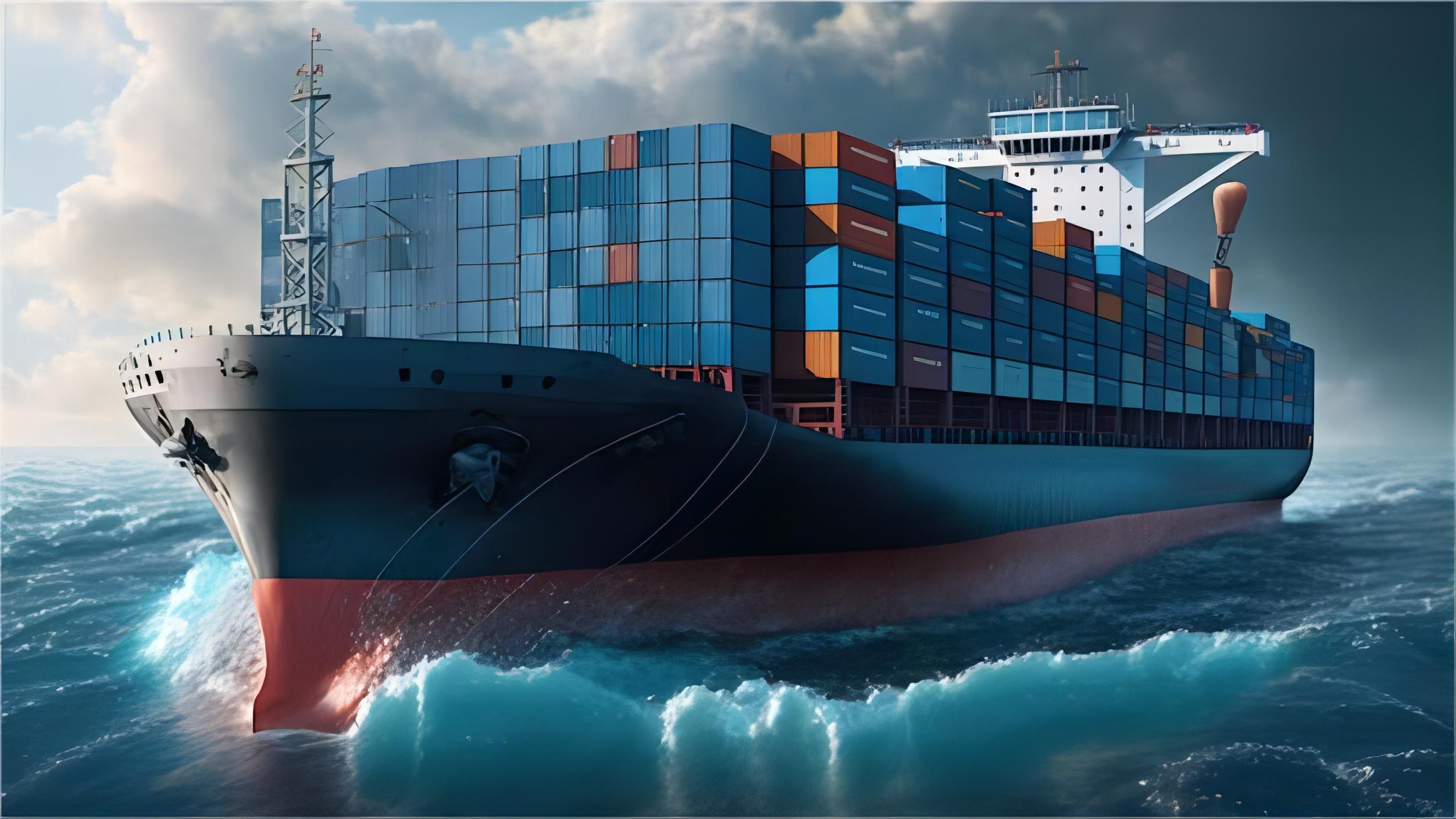
Transit times for air freight China to Papua New Guinea generally range from three to seven business days. This duration includes the time required for export customs in China and import processing in Port Moresby. Consequently, your goods can move from a factory in Shenzhen to a retail shelf in PNG within a single week.
Major hubs like Guangzhou (CAN), Shanghai (PVG), and Hong Kong (HKG) serve as the primary gateways for this route. Specifically, most flights transit through regional centers like Brisbane or Singapore before reaching Jacksons International Airport. Therefore, the efficiency of these transit points directly impacts your total delivery timeline.
Customs processing at the destination can occasionally add one or two days to the total schedule. In addition, local holidays in either China or PNG may cause temporary delays in ground handling. Accordingly, always include a small buffer in your planning to account for these minor variations.
Efficient Customs Clearance in Papua New Guinea
Navigating the regulatory environment in PNG requires precise documentation to avoid costly delays. Using a professional customs brokerage service can streamline the entry of your goods into the country. Moreover, the PNG Customs Service strictly enforces rules regarding valuation and commodity classification.
Importers must provide a commercial invoice, packing list, and a bill of lading or airway bill for every shipment. Furthermore, certain items like food products or chemicals may require additional permits from local health or environmental agencies. Consequently, verifying these requirements before the cargo leaves China is essential for a smooth process.
Errors in paperwork are the most common cause of shipment seizures or fines at the border. Indeed, ensuring that the HS codes on your documents match the actual goods is a vital step in compliance. Therefore, working with experienced logistics partners reduces the risk of administrative hurdles.
| Document Name | Purpose | Required By | Format |
|---|---|---|---|
| Airway Bill | Contract of Carriage | Carrier/Customs | Digital/Paper |
| Commercial Invoice | Valuation for Duty | Customs | Original |
| Packing List | Inventory Verification | Port Authority | Original |
| Import Permit | Restricted Goods | Government Dept | Pre-Approved |

Door to Door Logistics Solutions
Managing multiple vendors can be a logistical headache for many business owners. Choosing a door to door service simplifies the entire process by providing a single point of contact. Additionally, this comprehensive solution covers everything from factory pickup in China to final delivery at your warehouse in PNG.
Integrated logistics providers handle the inland trucking, export filing, and international transport on your behalf. As a result, you can focus on your core business operations while experts manage the movement of your inventory. Furthermore, these services often include real-time tracking so you always know the location of your cargo.
Small and medium enterprises find these end-to-end solutions particularly beneficial for maintaining lean operations. Meanwhile, larger corporations use them to ensure consistency across their global supply chains. Indeed, the convenience of a managed service often outweighs the slightly higher service fee.
Realistic Case Studies for China-PNG Air Routes
Examining real-world examples provides valuable insight into the practicalities of international shipping. These cases reflect typical scenarios encountered by importers in the region during the 2025 and 2026 period. Consequently, they serve as a benchmark for your own logistics planning and cost estimations.
Case Study 1: Electronics Distribution. A retailer in Port Moresby imported 450 kg of smartphones from Shenzhen via air. The total transit time was 5 days, including customs clearance, costing approximately $3,800. This allowed the client to meet a product launch deadline that sea freight would have missed.
Case Study 2: Mining Equipment Parts. An industrial firm in Lae required urgent replacement parts weighing 120 kg from Shanghai. By utilizing an Express Service, the parts arrived in 72 hours. Although the cost was higher at $1,400, it prevented a multi-day shutdown of the mining site.
Which Option Should You Choose for Your PNG Shipments?
Deciding on the best shipping method requires an analysis of your budget, timeline, and cargo specifications. If your priority is speed, air freight China to Papua New Guinea is the undisputed winner for your logistics needs. On the other hand, for non-urgent shipments over 15 CBM, maritime transport offers better cost efficiency.
Volume thresholds often dictate when it is time to switch from air to sea or vice versa. Specifically, shipments under 100 kilograms are almost always more economical when sent via air due to high minimum fees for ocean containers. Conversely, heavy industrial goods are rarely suitable for air transport unless an emergency situation arises.
Consider the destination infrastructure as well, as Port Moresby is better equipped for rapid air cargo handling than some smaller provinces. If you are shipping to neighboring regions, you might also look at logistics for shipping from China to Australia as a transshipment hub. Ultimately, a balanced approach using multiple modes often provides the best results for growing businesses.
Final Thoughts on Air Cargo to Papua New Guinea
Mastering air freight China to Papua New Guinea involves understanding the balance between speed, cost, and regulatory compliance. Throughout 2026, air transport will continue to be a vital link for businesses requiring rapid inventory replenishment in the Pacific region. By selecting the right partners and preparing your documentation accurately, you can avoid common pitfalls and ensure seamless delivery.
Freight rates and transit conditions are subject to change based on market dynamics and global events. Therefore, staying informed about industry trends and maintaining flexible logistics strategies is the key to long-term success. Whether you are shipping small parcels or large commercial cargo, the air route remains the most reliable path for your high-priority goods.
Ready to streamline your logistics?
Streamline your supply chain today with professional air freight China to Papua New Guinea services. Contact our expert team at toplogisticslt.com to receive a customized quote and optimize your international shipping strategy for 2026. Send Inquiry:

Frequently Asked Questions
What is the average cost of air freight China to Papua New Guinea?
In 2026, prices typically range from 5.50 to 9.50 USD per kilogram. Rates vary based on total weight, fuel surcharges, and current market demand.
How long does air shipping take from China to PNG?
Standard air freight usually takes between 3 and 7 business days. This includes flight time and standard customs processing at both ends.
Which airports in China handle cargo to Papua New Guinea?
Major hubs include Guangzhou (CAN), Shenzhen (SZX), Shanghai (PVG), and Hong Kong (HKG). Most cargo transits through Singapore or Australia.
Are there weight limits for air freight to PNG?
While there is no strict limit, packages over 150 kg or 120 cm in length may require specialized handling or freighter aircraft.
What documents do I need for PNG customs?
You must provide a commercial invoice, a detailed packing list, and an airway bill. Some goods require specific import permits from PNG authorities.
Can I ship hazardous materials by air to PNG?
Yes, but they must follow strict IATA regulations for packaging and labeling. You must declare all dangerous goods before booking the flight.
Is door-to-door service available for this route?
Yes, many forwarders offer end-to-end solutions. This includes pickup in China, international air transport, and final delivery in Port Moresby or Lae.
How is chargeable weight calculated for air cargo?
Chargeable weight is the higher value between actual gross weight and volumetric weight. The standard ratio is 1:6000 or 167 kg per cubic meter.