

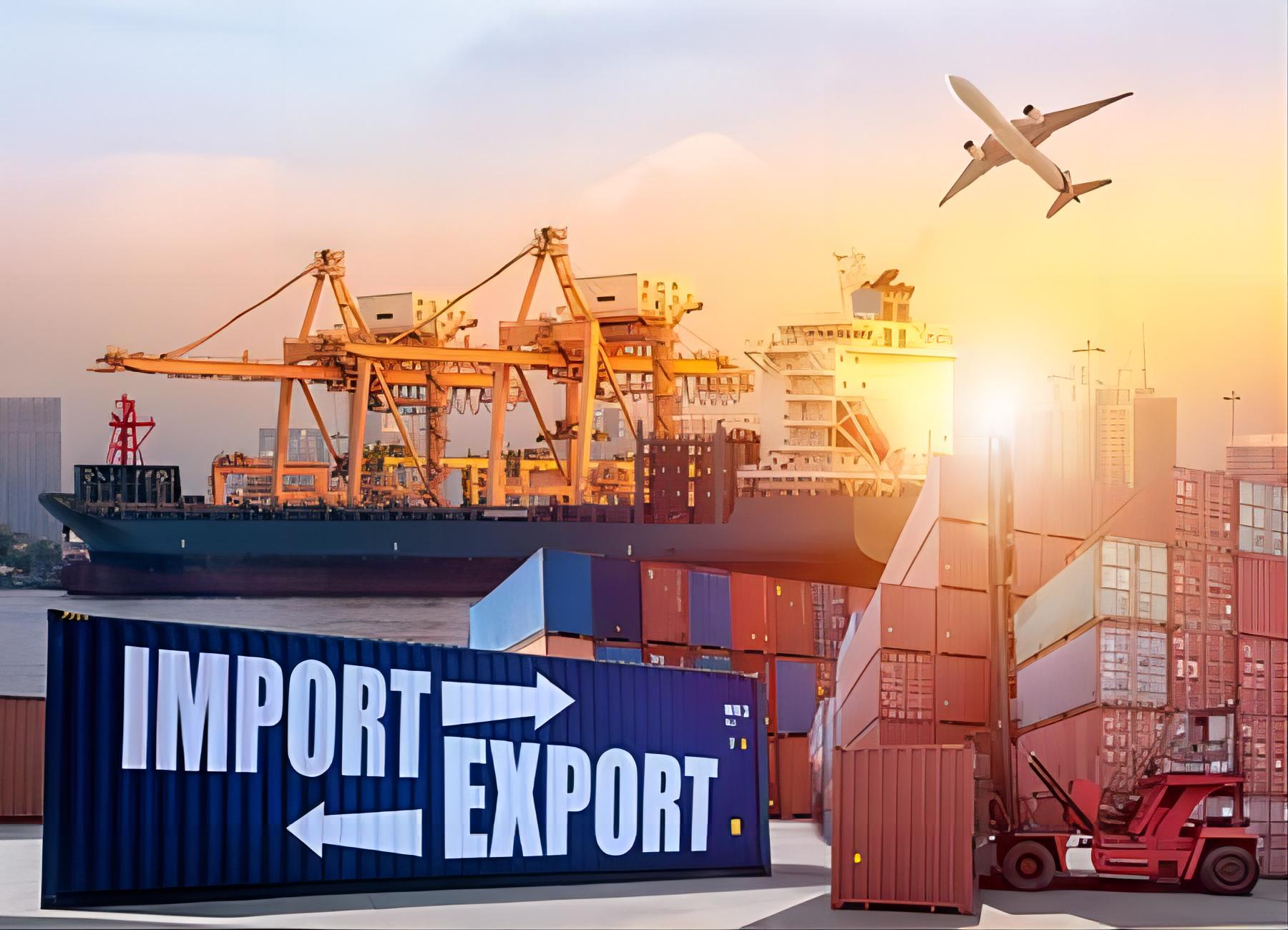
China to New Zealand Freight Solutions: 2026 Shipping Guide
Navigating the complexities of international trade requires robust china to new zealand freight solutions to ensure your goods arrive safely and on time. Whether you are a small business owner importing from Alibaba or a large corporation managing a complex supply chain, choosing the right partner is essential. At Top Logistics, we provide comprehensive support tailored to the unique demands of the 2026 market landscape. This guide explores the most efficient methods to move your cargo across the Pacific while maintaining cost-effectiveness.

Understanding the Logistics Landscape in 2026
Global trade dynamics have shifted significantly as we enter 2026, with a renewed focus on sustainability and digital integration. Shippers must now consider not only the cost of transport but also the environmental impact and real-time visibility of their cargo. Consequently, the demand for integrated china to new zealand freight solutions has reached an all-time high among Kiwi importers.
Moreover, the stabilization of fuel prices in late 2025 has provided a more predictable environment for budgeting. Businesses are increasingly looking for long-term logistics partnerships rather than spot-market deals to secure capacity. Therefore, understanding the current port conditions in Auckland and Tauranga is vital for planning your delivery schedule effectively.
Additionally, the implementation of new trade agreements has streamlined some processes between Chinese manufacturing hubs and New Zealand distributors. High-quality logistics providers now leverage AI-driven forecasting to help clients avoid seasonal congestion. This proactive approach ensures that your supply chain remains resilient despite global fluctuations.
How Does Sea Freight Compare to Other Shipping Options?
Choosing between different transport modes is the most critical decision in your logistics strategy. While sea freight remains the backbone of international trade due to its capacity for heavy loads, it requires careful timing. Most businesses opt for ocean transport when shipping furniture, machinery, or bulk consumer goods.
Furthermore, the cost-per-unit for sea transport is significantly lower than air cargo, making it ideal for high-volume shipments. However, the longer transit times mean you must hold more inventory to cover the gap. In contrast, express services offer speed but at a premium price point that may not suit every budget.
Specifically, the choice between Full Container Load (FCL) and Less than Container Load (LCL) depends on your specific volume. For shipments exceeding 15 cubic meters, FCL is typically more economical and offers better security. Smaller shipments benefit from LCL, where you share space with other importers to reduce costs.
| Shipping Method | Cost Range | Transit Time | Best For |
|---|---|---|---|
| Sea Freight (FCL) | $1,400 – $2,200 | 18 – 25 Days | Bulk Goods |
| Sea Freight (LCL) | $80 – $150/CBM | 22 – 30 Days | Small Batches |
| Air Freight | $4.50 – $7.50/kg | 3 – 7 Days | Urgent Cargo |
| Express Service | $8.00 – $12.00/kg | 2 – 4 Days | E-commerce |
Air Freight vs. Sea Freight: Which Solution Fits Your Timeline?
Speed is often the deciding factor when businesses evaluate air freight for their high-value or perishable items. Because New Zealand is geographically isolated, air cargo provides a vital link for time-sensitive components and fashion apparel. Consequently, many tech companies rely on this method to meet tight product launch deadlines.
Nevertheless, the environmental footprint of air transport is a growing concern for modern corporations. Many brands are now adopting a hybrid approach, using sea freight for the bulk of their inventory and air freight for emergency restocks. This strategy balances the need for speed with the necessity of maintaining a sustainable supply chain.
Importantly, the 2026 market has seen an increase in dedicated freighter capacity between Shanghai and Auckland. This has helped stabilize rates, although they remain higher than pre-2025 levels. Shippers should always compare the total landed cost, including warehousing and insurance, before making a final decision.
Navigating Customs Brokerage and Compliance in New Zealand
Efficiently managing the paperwork is just as important as the physical movement of goods. Engaging a professional customs brokerage service ensures that your shipment complies with all New Zealand Customs Service regulations. Failure to provide accurate documentation can lead to costly delays and unexpected storage fees at the port.
Moreover, New Zealand has strict biosecurity laws managed by the Ministry for Primary Industries (MPI). Any cargo containing wood packaging or organic materials must undergo rigorous inspection and potential treatment. Therefore, ensuring your Chinese suppliers follow ISPM 15 standards is a non-negotiable requirement for smooth entry.
Additionally, understanding the Goods and Services Tax (GST) and applicable import duties is essential for accurate pricing. Most commercial imports valued over 1,000 NZD require a formal entry and the payment of relevant taxes. A seasoned freight forwarder will help you calculate these costs upfront to avoid surprises upon arrival.
| Document Name | Purpose | Required By | Timeline |
|---|---|---|---|
| Commercial Invoice | Valuation | Customs | At Booking |
| Packing List | Cargo Verification | MPI / Customs | At Loading |
| Bill of Lading | Title of Goods | Carrier | Post-Departure |
| MPI Declaration | Biosecurity | MPI | Pre-Arrival |
Door-to-Door Freight Solutions: Simplifying Your Supply Chain
Many businesses now prefer door-to-door delivery to minimize the complexity of managing multiple vendors. This all-inclusive service covers everything from the factory pickup in China to the final delivery at your warehouse in Christchurch or Wellington. As a result, you can focus on sales and marketing while we handle the logistical heavy lifting.
Furthermore, this model provides superior tracking capabilities, as a single entity is responsible for the entire journey. You no longer need to coordinate between local trucking companies, international carriers, and customs agents. Consequently, the risk of communication breakdowns and lost cargo is significantly reduced.
In addition, door-to-door china to new zealand freight solutions often include value-added services like labeling and palletizing. These small details can make a significant difference in how quickly your goods are ready for the retail shelf. For many growing brands, the convenience of a single point of contact outweighs the slightly higher service fee.
Real-World Case Studies: Successful Shipping Scenarios
Case Study 1: Electronics Distribution. A tech startup in Auckland needed 5 CBM of high-end headsets from Shenzhen. They chose LCL sea freight to manage costs while ensuring the cargo was protected in a shared container. Total landed cost was $1,250 with a transit time of 24 days, allowing them to meet their Q3 inventory targets efficiently.
Case Study 2: Furniture Retailer. A Christchurch-based store imported a 40HQ container of outdoor furniture from Ningbo. By booking a direct route, they avoided transshipment delays in Singapore, resulting in a 20-day transit. The ocean freight cost was $2,100, which represented a 15% saving compared to the peak rates seen in late 2025.
Case Study 3: Urgent Apparel Launch. A Wellington fashion brand used air freight for 200kg of seasonal samples from Shanghai. The shipment arrived in just 4 days, including customs clearance. While the cost was $1,600, the speed allowed them to launch their collection two weeks ahead of competitors, justifying the premium spend.
Which Option Should You Choose? Decision Framework
Determining the best logistics path requires a clear understanding of your business priorities and cargo characteristics. If your primary goal is cost reduction and you have a flexible timeline, sea freight is undoubtedly the winner. For those shipping to nearby regions like shipping to Australia or New Zealand, ocean routes are highly developed and reliable.
Conversely, if you are dealing with high-value electronics or urgent medical supplies, air freight is the only viable choice. The high cost is offset by the reduced risk of theft and the immediate availability of the product. Many businesses find that a 70/30 split between sea and air freight provides the perfect balance of cost and agility.
Finally, always consider the seasonal impact on freight rates and capacity. During the lead-up to the Chinese New Year or the Christmas season, demand spikes and prices can double. Booking your china to new zealand freight solutions at least 4-6 weeks in advance during these periods is a critical best practice for any serious importer.
Final Thoughts on New Zealand Logistics
In summary, finding the right china to new zealand freight solutions involves balancing speed, cost, and reliability. By leveraging the latest 2026 market data and choosing the appropriate transport mode, you can significantly enhance your competitive advantage. Whether you utilize FCL sea freight for bulk orders or express air services for urgent needs, the key is proactive planning.
Top Logistics is committed to providing transparent and efficient services that help your business grow in the New Zealand market. Remember to stay updated on customs regulations and biosecurity requirements to ensure a seamless experience. With the right partner, importing from China becomes a streamlined part of your business operations.
Get Your Shipping Quote Today
Ready to optimize your supply chain with reliable china to new zealand freight solutions? Contact our expert team today to receive a customized quote tailored to your specific cargo needs. Visit our inquiry page to get started: Visit https://toplogisticslt.com/
Frequently Asked Questions
What is the average transit time for sea freight from China to NZ?
Typically, sea freight takes between 18 to 28 days depending on the specific ports and whether the route is direct or involves transshipment.
How are shipping costs calculated for China to New Zealand freight solutions?
Costs are based on cargo weight, volume (CBM), the chosen transport mode, fuel surcharges, and current market demand in 2026.
Do I need a customs broker for importing goods into New Zealand?
Yes, hiring a professional broker is highly recommended to handle complex MPI biosecurity requirements and ensure accurate GST payments.
What is the difference between FCL and LCL shipping?
FCL means you rent a whole container for your goods, while LCL involves sharing container space with other shippers to save costs on smaller volumes.
Can I ship hazardous materials from China to New Zealand?
Yes, but it requires specialized packaging, specific documentation, and compliance with international maritime dangerous goods (IMDG) regulations.
Are there seasonal price increases for China to NZ freight?
Indeed, rates often rise during the peak season from September to January and before the Chinese New Year holiday period.
How does biosecurity affect my shipment to New Zealand?
MPI requires all containers to be free of pests and soil, and wood packaging must be heat-treated or fumigated according to ISPM 15.
Is insurance necessary for international freight?
Without a doubt, cargo insurance is essential to protect your investment against potential damage, loss, or maritime accidents during transit.