

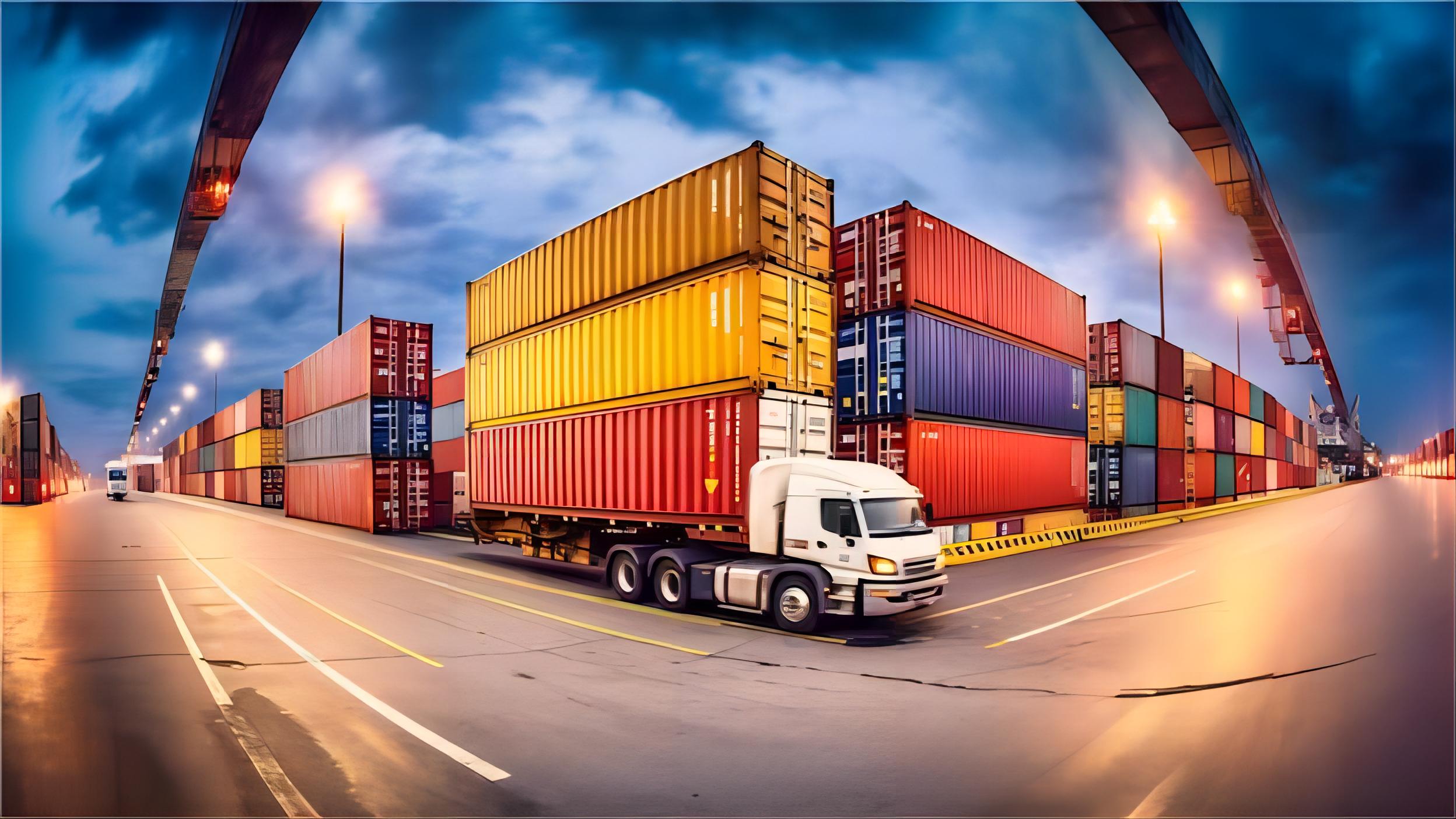
China to Australia Supply Chain Partner: Optimizing Your 2026 Logistics
Finding a reliable china to australia supply chain partner is the most critical decision for businesses looking to scale their operations in 2026. However, navigating the complexities of international trade requires more than just a simple carrier. Consequently, this comprehensive guide explores how a strategic partnership can streamline your logistics, reduce overhead costs, and ensure your cargo arrives on schedule.

Why You Need a Strategic China to Australia Supply Chain Partner
Managing international logistics in 2026 involves balancing speed, cost, and reliability across multiple touchpoints. Indeed, a professional china to australia supply chain partner provides the expertise needed to navigate fluctuating freight rates and port congestion. Moreover, they act as a central point of contact, ensuring that every link in the chain remains strong from the factory floor to the final destination.
Furthermore, businesses often struggle with the nuances of Australian import regulations and Chinese export compliance. Therefore, having a dedicated partner ensures that all documentation is accurate and submitted on time. Without a doubt, this proactive approach prevents costly delays and storage fees at major Australian ports like Sydney, Melbourne, and Brisbane.
Additionally, the logistics landscape has evolved significantly over the last year. Consequently, companies must adapt to new digital tracking requirements and sustainability standards. Meanwhile, a top-tier partner leverages advanced technology to provide real-time visibility into your shipment status, allowing you to make informed inventory decisions.
In addition, local expertise in both the Chinese and Australian markets is indispensable. For example, understanding the peak seasons in China, such as the weeks leading up to the Lunar New Year, can help you plan your inventory cycles more effectively. Accordingly, a strategic partner will suggest booking space well in advance to avoid the inevitable price hikes and capacity shortages.
Analyzing Shipping Methods: Choosing the Right Mode of Transport
Selecting the appropriate shipping method is a fundamental aspect of your logistics strategy. For instance, sea freight remains the most cost-effective solution for high-volume shipments or heavy machinery. On the other hand, air freight is the preferred choice for time-sensitive goods or high-value electronics that require rapid delivery.
Moreover, the choice between Full Container Load (FCL) and Less than Container Load (LCL) can significantly impact your bottom line. Consequently, a knowledgeable china to australia supply chain partner will analyze your cargo volume to recommend the most economical option. For example, if your shipment exceeds 15 cubic meters, FCL is often more efficient than paying for multiple LCL slots.
Indeed, transit times play a crucial role in your decision-making process. While sea freight typically takes between 12 and 18 days from major Chinese ports to Australia, air freight can deliver goods in as little as 3 to 7 days. Therefore, you must weigh the urgency of your inventory needs against the higher costs associated with air transport.
| Shipping Method | Average Cost (2026) | Transit Time | Best For |
|---|---|---|---|
| Sea Freight (FCL 20GP) | $800 – $1,200 | 12-18 Days | Bulk Goods, Furniture |
| Sea Freight (LCL) | $50 – $90 per CBM | 15-22 Days | Small Shipments |
| Air Freight | $4.50 – $8.00 per kg | 3-7 Days | Electronics, Fashion |
| Express Service | $9.00 – $15.00 per kg | 2-4 Days | Urgent Samples |
How Does Sea Freight Compare to Other Shipping Options?
In the context of the China to Australia route, sea freight is the dominant mode of transport due to the geographical distance and the nature of trade. However, it is essential to compare it with alternatives like air freight and hybrid solutions to ensure you are getting the best value. For instance, while sea freight is significantly cheaper, the longer lead times require more robust inventory planning.
Furthermore, sea freight offers a level of scalability that air freight cannot match. For example, transporting a 40HQ container of consumer goods via sea might cost $1,800, whereas the same volume moved by air would be prohibitively expensive. Consequently, most businesses utilize sea freight for their primary stock and reserve air freight for emergency restocks or product launches.
Additionally, businesses should consider the environmental impact of their shipping choices. Indeed, sea freight has a much lower carbon footprint per ton-mile compared to air transport. Therefore, if your company has strict ESG goals for 2026, sea freight should be your primary focus for long-term sustainability.
| Shipping Method | Cost Range | Transit Time | Limitations |
|---|---|---|---|
| Sea Freight | Low ($800-$2,000) | 12-20 Days | Longer lead times |
| Air Freight | High ($5,000+) | 3-7 Days | Weight restrictions |
| Sea-Air Hybrid | Medium | 8-12 Days | Complex handling |
| Direct Vessel | Premium Sea | 11-14 Days | Limited port calls |

Case Studies: Successful China to Australia Logistics Operations
Understanding how other businesses manage their logistics can provide valuable insights into your own operations. Below are two realistic case studies based on typical 2026 market conditions for the China-Australia trade lane.
Case Study 1: Electronics Distribution to Sydney. Route: Shenzhen, China to Sydney, Australia. Cargo: Consumer electronics, 68 CBM, 12,000 kg. Container: 40HQ. Shipping Details: Direct service via major carrier from Yantian Port to Port Botany. Cost Breakdown: Ocean Freight $1,850, Origin Charges $320, Destination Charges $450, Customs and Duties $1,200. Total Landed Cost: $3,820. Timeline: Booking to Loading 3 days, Sea Transit 14 days, Customs Clearance 2 days. Total Door-to-Door: 19 days. Key Insight: Utilizing a 40HQ container optimized the space for lightweight but bulky electronics, reducing the per-unit shipping cost significantly.
Case Study 2: Furniture Retailer in Melbourne. Route: Ningbo, China to Melbourne, Australia. Cargo: Flat-pack furniture, 28 CBM, 8,500 kg. Container: 20GP. Shipping Details: Transshipment via Singapore from Ningbo Port to Port of Melbourne. Cost Breakdown: Ocean Freight $1,050, Origin Charges $280, Destination Charges $410, Customs and Duties $950. Total Landed Cost: $2,690. Timeline: Booking to Loading 4 days, Sea Transit 17 days, Customs Clearance 3 days. Total Door-to-Door: 24 days. Key Insight: Choosing a 20GP container allowed the retailer to maintain a steady flow of inventory without waiting to fill a larger container, improving cash flow.
Note: Freight rates are subject to change based on fuel costs, carrier capacity, and seasonal demand. Contact us for a current quote tailored to your specific shipment.
Navigating Customs and Compliance with Your Partner
One of the most complex aspects of importing is dealing with the Australian Border Force and ensuring all duties are paid correctly. Consequently, a china to australia supply chain partner that offers integrated customs brokerage services is invaluable. Indeed, they will handle the classification of goods under the correct HS codes, which directly impacts the amount of duty you pay.
Moreover, Australia has strict biosecurity laws that must be followed to avoid heavy fines or the destruction of cargo. For example, wood packaging materials must be treated and certified according to ISPM 15 standards. Therefore, your partner must ensure that your Chinese suppliers are compliant with these regulations before the goods are even loaded onto the vessel.
In addition, the China-Australia Free Trade Agreement (ChAFTA) provides opportunities for significant duty savings on many products. However, you must provide a valid Certificate of Origin to claim these benefits. Without a doubt, a professional logistics partner will verify all documentation to ensure you are taking full advantage of available trade agreements.
| Document Type | Purpose | Required By | Criticality |
|---|---|---|---|
| Commercial Invoice | Valuation of goods | Customs | High |
| Bill of Lading | Title to the cargo | Carrier/Customs | High |
| Packing List | Inventory verification | Warehouse/Customs | Medium |
| ChAFTA Certificate | Duty reduction | Customs | High (for savings) |

Cost-Saving Strategies for Australian Importers in 2026
Reducing logistics expenses requires a multi-faceted approach that goes beyond simply finding the lowest freight rate. For instance, consolidating multiple small shipments into a single LCL or FCL shipment can lead to substantial savings on port fees and documentation charges. Furthermore, optimizing your packaging to reduce wasted space within a container ensures you are not paying to ship air.
Additionally, utilizing door to door services can simplify your accounting and reduce the risk of hidden costs. Instead of managing multiple invoices from different providers, you receive a single, transparent quote that covers everything from factory pickup to final delivery. Consequently, this streamlined approach allows your team to focus on sales and marketing rather than logistics administration.
Moreover, timing your shipments can lead to significant cost variations. For example, shipping during the off-peak months of May through July often results in lower rates compared to the Q4 holiday rush. Therefore, if your products are not seasonal, planning your bulk imports during these quieter periods is a highly effective way to improve your margins.
Which Option Should You Choose for Your Business?
Determining the best logistics strategy depends on your specific business priorities and cargo characteristics. If your primary goal is budget optimization, sea freight is the clear winner for almost all scenarios. However, if you are dealing with perishable goods or urgent contract requirements, the speed of air freight justifies the additional expense.
Furthermore, consider the volume of your shipments as a deciding factor. For businesses moving less than 10 CBM per month, LCL is typically the most flexible and cost-effective entry point. Meanwhile, as your volumes grow, transitioning to FCL will provide better security for your goods and lower per-unit costs. Indeed, a reliable china to australia supply chain partner will help you identify the exact moment when it makes sense to switch methods.
Finally, do not overlook the importance of cargo insurance. Regardless of the shipping method chosen, the risks of transit remain a reality in international trade. Consequently, ensuring your goods are fully covered against loss or damage is a small price to pay for peace of mind. Accordingly, always ask your partner for comprehensive insurance options as part of your shipping package.
Logistics Trends and Market Intelligence for 2026
As of Q1 2026, the trade route between China and Australia has seen a stabilization in freight rates following the disruptions of previous years. Moreover, the introduction of more fuel-efficient vessels has helped mitigate some of the rising costs associated with global fuel surcharges. Consequently, shippers are now benefiting from more predictable schedules and increased capacity.
In addition, the adoption of blockchain technology for documentation is gaining momentum among major carriers. Indeed, this shift is reducing the time required for customs clearance and improving the security of trade data. Therefore, staying informed about these technological trends is essential for any business looking to maintain a competitive edge in the Australian market.
Furthermore, the demand for shipping from China to Australia continues to grow as consumer spending remains resilient. Accordingly, businesses that secure long-term agreements with their supply chain partners are better positioned to weather any sudden market shifts or capacity crunches that may occur during peak seasons.
Summary of Logistics Success
In summary, choosing the right china to australia supply chain partner is a foundational element of a successful import business in 2026. By understanding the differences between sea and air freight, navigating customs with expert help, and implementing cost-saving strategies, you can significantly enhance your operational efficiency. Furthermore, staying informed about market trends and utilizing data-driven decision-making will ensure your supply chain remains resilient. Ultimately, the right partnership allows you to focus on what you do best while leaving the complexities of international shipping to the experts.
Need a tailored shipping solution?
Are you ready to optimize your logistics and reduce your landed costs? Partner with a professional china to australia supply chain partner today to streamline your 2026 operations. Send Inquiry link: Visit https://toplogisticslt.com/ to request your personalized quote and discover how we can help your business grow.
Frequently Asked Questions
What is the fastest way to ship from China to Australia?
How much does a 20ft container cost from China to Australia in 2026?
Do I need a customs broker for Australian imports?
What are the main ports for shipping to Australia?
Can I save money by using LCL instead of FCL?
What documents are required for ChAFTA duty rates?
Is insurance necessary for China to Australia shipping?
How does seasonality affect shipping rates?