

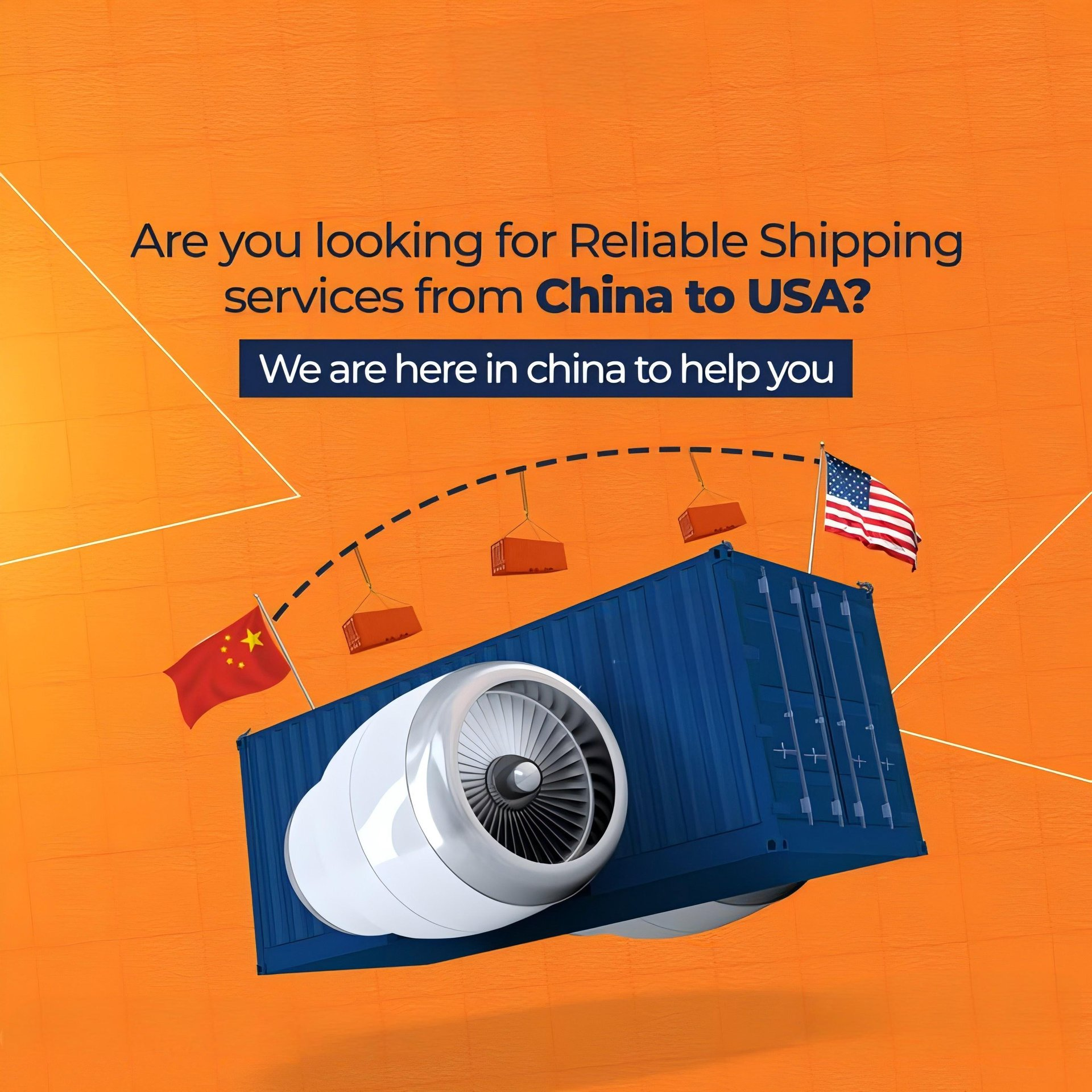
China to Australia Cargo Forwarding: The Complete 2026 Shipping Guide
Navigating the complexities of international trade requires a deep understanding of logistics and local regulations. For businesses looking to optimize their supply chain, choosing a reliable partner for china to australia cargo forwarding is essential to ensure goods arrive safely and on time. This comprehensive guide explores the best shipping methods, current market rates, and strategic insights for 2026.
✦
Understanding the Landscape of China to Australia Cargo Forwarding
Economic ties between China and Australia remain robust in 2026, driving a continuous demand for efficient transport solutions. Consequently, importers must stay updated on the latest logistics trends and infrastructure developments at major ports like Shanghai and Sydney.
Furthermore, current market data suggests that freight rates have stabilized after the fluctuations seen in previous years. Indeed, the integration of digital tracking and automated cargo handling has significantly improved the transparency of the shipping process.
Meanwhile, businesses are increasingly focusing on sustainability and carbon-neutral shipping options to meet modern environmental standards. Therefore, selecting a forwarder who prioritizes green logistics can provide a competitive advantage in the Australian market.
What Are the Primary Shipping Methods for Australia?
Selecting the right mode of transport depends heavily on your budget, cargo volume, and required delivery schedule. Most businesses utilize sea freight for large-scale shipments due to its cost-effectiveness over long distances.
However, when speed is the primary concern, air freight remains the preferred choice for high-value or perishable goods. Additionally, express services are available for smaller parcels that require urgent door-to-door delivery.
Moreover, hybrid solutions such as sea-air combinations are gaining popularity for balancing cost and speed. Without a doubt, understanding the trade-offs between these methods is crucial for maintaining an efficient supply chain.
| Sea Freight (FCL) | $1,400 – $2,000 | 12-18 Days | Bulk Goods |
| Sea Freight (LCL) | $80 – $150/CBM | 18-25 Days | Small Shipments |
| Air Freight | $4.50 – $8.00/kg | 3-7 Days | High Value |
| Express | $9.00 – $15.00/kg | 2-4 Days | Urgent Samples |
How Does Sea Freight Compare to Other Shipping Options?
Comparing sea freight to air freight involves more than just looking at the base price. For instance, while sea freight costs significantly less for a 40HQ container, the inventory carrying costs during a 15-day transit must be considered.
On the other hand, air freight eliminates the need for large warehouse stocks but can erode profit margins on low-value items. Consequently, many importers use a tiered strategy, shipping the bulk of their stock via sea and using air for urgent restocks.
Similarly, the choice between Full Container Load (FCL) and Less than Container Load (LCL) depends on volume thresholds. Generally, if your shipment exceeds 15 CBM, FCL becomes more economical than LCL due to reduced handling fees.
| Direct Sea | High | Medium | Fixed Schedules |
| Transshipment | Very High | Low | Delay Risk |
| Standard Air | Low | High | Weight Limits |
| Sea-Air Hybrid | Medium | Medium | Complex Docs |

Which Option Should You Choose?
Budget priority dictates a focus on sea freight, specifically targeting major ports to minimize inland haulage costs. If your primary goal is speed, then air cargo or express services are the only viable paths for your china to australia cargo forwarding needs.
Cargo type considerations also play a vital role in the decision-making process. For example, hazardous materials or oversized machinery may require specialized sea freight containers that air transport cannot accommodate.
Volume thresholds often determine the most efficient path forward for growing businesses. Typically, once a business reaches a consistent volume of 20+ CBM per month, moving from LCL to FCL provides better security and lower unit costs.
Navigating Customs Clearance and Documentation
Legal compliance is the backbone of successful international logistics. Utilizing a professional customs brokerage service ensures that all paperwork adheres to the latest Australian Border Force requirements.
Additionally, the China-Australia Free Trade Agreement (ChAFTA) offers significant duty reductions for many product categories. Therefore, providing an accurate Certificate of Origin is essential to claim these financial benefits.
Moreover, certain items such as wood products or food items require strict quarantine inspections. Consequently, failure to provide the correct phytosanitary certificates can lead to expensive delays or cargo destruction at the port of discharge.
| Commercial Invoice | Value Declaration | Supplier | Mandatory |
| Packing List | Cargo Detail | Supplier | Mandatory |
| Bill of Lading | Title of Goods | Forwarder | Mandatory |
| ChAFTA COO | Duty Reduction | Exporter | Optional/Rec |
Real Case Studies: Successful Logistics Operations
Examining real-world examples provides a clearer picture of the costs and timelines involved in modern logistics. Below are three scenarios based on early 2026 market rates and conditions for the China-Australia route.
Case Study 1: Electronics Distribution. Route: Shenzhen to Sydney. Cargo: 500kg of consumer electronics. Method: Air Freight. Total Landed Cost: $3,200. Transit Time: 5 days. Key Insight: Speed allowed the client to meet a product launch deadline despite manufacturing delays.
Case Study 2: Furniture Import. Route: Ningbo to Melbourne. Cargo: 28 CBM (1x20GP). Method: Sea Freight. Total Landed Cost: $2,450. Transit Time: 16 days. Key Insight: Using FCL reduced damage risks compared to previous LCL shipments.
Case Study 3: E-commerce Restock. Route: Guangzhou to Brisbane. Cargo: 5 CBM. Method: LCL Sea Freight. Total Landed Cost: $950. Transit Time: 21 days. Key Insight: Consolidation services allowed the small business to maintain low shipping costs for low-margin items.
Door to Door Services for Seamless Logistics
Efficiency is greatly enhanced when using door to door solutions that manage the entire journey. This approach eliminates the need for the importer to coordinate with multiple local transport companies and customs agents.
Furthermore, door-to-door services often include final-mile delivery to residential or commercial addresses across Australia. Accordingly, this service is highly recommended for businesses that do not have their own logistics department.
Indeed, the convenience of a single point of contact simplifies communication and accountability. As a result, any issues during transit can be resolved quickly by the primary cargo forwarder.
Optimizing Your Supply Chain with Amazon FBA
Sellers on the Australian marketplace can leverage Amazon FBA services to streamline their fulfillment operations. Specifically, forwarders can prep and ship goods directly from Chinese factories to Amazon fulfillment centers in Sydney, Melbourne, or Brisbane.
Moreover, specialized FBA forwarders understand the strict labeling and palletization requirements set by Amazon. Consequently, this prevents costly rejection of goods at the warehouse gates.
In addition, using a specialized service for FBA often includes automated tracking updates that sync with the Amazon Seller Central platform. Therefore, sellers can focus on marketing while the logistics partner handles the heavy lifting.
Cost Management and Price Stability in 2026
Financial planning for china to australia cargo forwarding requires an understanding of seasonal surcharges and fuel costs. Typically, rates increase by 15-20% during the peak season from September to November in preparation for the holiday sales period.
To summarize, locking in annual contracts with freight forwarders can provide price stability against market volatility. However, spot rates may offer better value during the off-peak months of February and March.
Note: Freight rates are subject to change based on fuel costs, carrier capacity, and seasonal demand. Contact us for a current quote tailored to your specific shipment.
Mastering Your Cargo Forwarding Strategy
Successful china to australia cargo forwarding depends on a combination of strategic planning, choosing the right transport mode, and ensuring full customs compliance. By understanding the differences between sea and air freight, businesses can better manage their budgets and delivery timelines.
Indeed, the logistics landscape of 2026 offers more transparency and efficiency than ever before. Partnering with a professional forwarder allows you to navigate these complexities with confidence, ensuring your goods reach the Australian market without unnecessary delays.