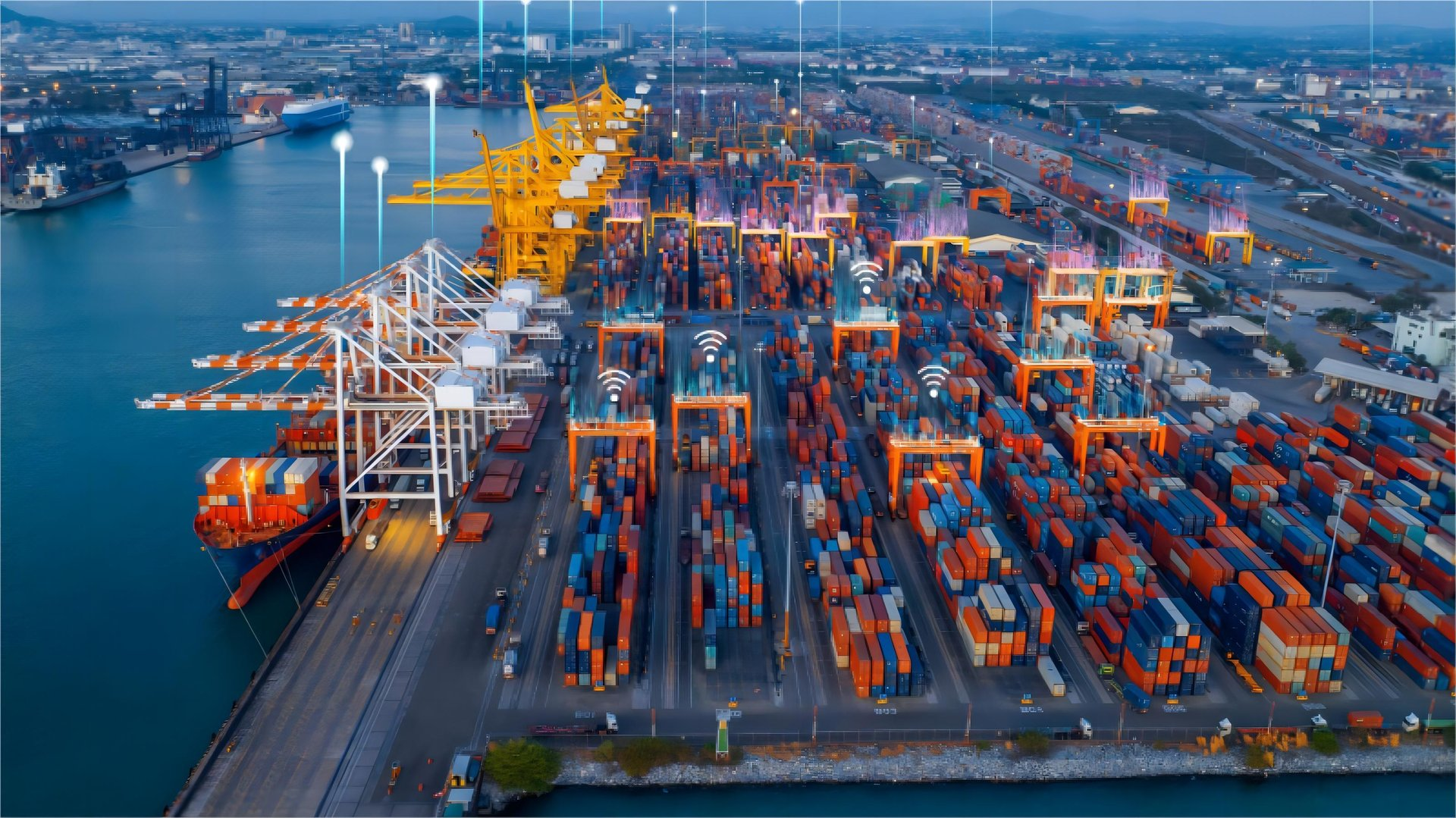

China to Australia Freight Management: Comprehensive 2026 Logistics Guide
Navigating the complexities of international trade requires a robust strategy for china to australia freight management to ensure profitability and reliability. Businesses often struggle with fluctuating rates and complex compliance standards when importing goods from major Chinese hubs to Australian ports. By partnering with DSV-Freight, you can streamline your supply chain and ensure timely deliveries across the ocean. This guide provides a detailed analysis of the current shipping landscape, helping you make informed decisions for your 2026 logistics planning.
✦
What Defines Effective China to Australia Freight Management?
Effective logistics management involves more than just moving boxes from point A to point B. Specifically, it encompasses the strategic coordination of suppliers, carriers, and customs agents to minimize delays. Modern importers must account for seasonal demand shifts and port congestion that frequently occur during the peak 2026 shipping cycles. Consequently, understanding the nuances of the shipping from China to Australia route is essential for maintaining a competitive edge.
Moreover, the integration of digital tracking and real-time data has revolutionized how businesses handle their cargo. Importers now expect full visibility into their supply chains to manage inventory levels accurately. Furthermore, choosing the right shipping partner can reduce the administrative burden associated with international trade. Professional management ensures that every stage of the journey, from the factory floor in Shenzhen to the warehouse in Melbourne, remains efficient and cost-effective.
How Does Sea Freight Compare to Other Shipping Options?
Sea freight remains the most popular choice for large-scale shipments due to its significant cost advantages over long distances. While air transport offers speed, the sheer volume capacity of ocean vessels makes sea freight the backbone of China-Australia trade. However, businesses must weigh the lower costs against the longer transit times inherent in maritime transport. For instance, a shipment from Shanghai to Sydney typically takes between 14 and 22 days depending on the carrier and route.
Alternatively, air cargo serves as a vital solution for high-value or time-sensitive products that cannot afford weeks at sea. Although the expense is considerably higher, the speed of delivery often justifies the investment for electronics or fashion items. Notably, rail freight is not a viable option for this specific route due to the geographical separation of the two nations by the Pacific Ocean. Therefore, shippers must decide between sea, air, and multi-modal combinations to meet their specific delivery deadlines.
| Shipping Method | Cost Range (2026) | Transit Time | Best For |
|---|---|---|---|
| Sea Freight (FCL) | $1,200 – $2,200 | 15-25 Days | Bulk & Heavy Goods |
| Sea Freight (LCL) | $80 – $150 per CBM | 18-28 Days | Small Volumes |
| Air Freight | $4.50 – $9.00 per kg | 3-7 Days | High Value/Urgent |
| Express Service | $8.00 – $14.00 per kg | 2-5 Days | Samples & Documents |

Which Option Should You Choose for Your Shipments?
Selecting the ideal shipping method depends heavily on your budget, cargo volume, and urgency. If your primary goal is cost reduction and you have a flexible schedule, sea freight is undoubtedly the superior choice. On the other hand, if you are replenishing stock for a sudden market surge, air freight provides the necessary agility. Additionally, consider the nature of your cargo; fragile or perishable items often require the controlled environment of air transport.
Volume thresholds also play a critical role in the decision-making process for china to australia freight management. For shipments under 15 cubic meters (CBM), Less than Container Load (LCL) shipping offers a budget-friendly middle ground. However, once your volume exceeds 15 CBM, booking a Full Container Load (FCL) usually becomes more economical and secure. Consequently, analyzing your typical shipment sizes can lead to significant long-term savings in your logistics budget.
Navigating Customs Brokerage and Australian Compliance
Clearing customs in Australia requires meticulous attention to detail and a deep understanding of local regulations. The Australian Border Force (ABF) maintains strict standards regarding biosecurity and prohibited imports. Therefore, engaging a professional customs brokerage service is often the best way to avoid costly fines or seizure of goods. Specifically, ensuring that all documentation, such as the Commercial Invoice and Packing List, is accurate will expedite the clearance process.
Furthermore, importers should be aware of the China-Australia Free Trade Agreement (ChAFTA), which can significantly reduce or eliminate import duties. To benefit from these concessions, you must provide a valid Certificate of Origin from your Chinese supplier. Meanwhile, GST (Goods and Services Tax) of 10% generally applies to most taxable importations. By planning for these costs in advance, you can accurately calculate the total landed cost of your products.
| Document Name | Purpose | Required For | Responsibility |
|---|---|---|---|
| Bill of Lading | Title of Goods | All Sea Shipments | Carrier |
| Commercial Invoice | Value Declaration | Customs Clearance | Supplier |
| Packing List | Cargo Details | Inspection | Supplier |
| Certificate of Origin | Duty Reduction | ChAFTA Benefits | Supplier/Agent |
The Benefits of Door to Door Logistics Solutions
Many modern businesses prefer a hands-off approach to shipping by utilizing door to door services. This comprehensive solution covers everything from factory pickup in China to final delivery at your Australian doorstep. As a result, you can focus on your core business operations while experts handle the logistical heavy lifting. Indeed, this method minimizes the risk of communication gaps between multiple service providers.
Additionally, door-to-door services often include inland transportation, which is a critical component of the supply chain. Whether your goods arrive at the Port of Brisbane or Sydney, a coordinated trucking network ensures they reach their final destination promptly. Moreover, integrated tracking systems allow you to monitor the progress of your shipment through every transition point. Consequently, this end-to-end visibility provides peace of mind and improves customer satisfaction.
Realistic Case Studies for China to Australia Routes
Examining real-world scenarios helps illustrate the practical application of china to australia freight management strategies. Below are two examples based on typical 2026 market conditions and shipping routes.
Case Study 1: Electronics Distribution Route: Shenzhen, China to Sydney, Australia Cargo: Consumer electronics, 12 CBM, 2,500 kg Method: Sea Freight LCL Shipping Details: – Carrier: Major Ocean Carrier – Port of Loading: Shenzhen (Yantian) – Port of Discharge: Sydney (Botany) – Route Type: Direct Cost Breakdown: – Ocean Freight: $1,450 – Origin Charges: $320 – Destination Charges: $450 – Customs & Duties: $1,200 (Estimated) – Total Landed Cost: $3,420 Timeline: – Booking to Loading: 3 days – Sea Transit: 16 days – Customs Clearance: 2 days – Total Door-to-Door: 21 days Key Insight: The client saved 60% compared to air freight by planning their inventory 4 weeks in advance.
Case Study 2: Fast Fashion Launch Route: Shanghai, China to Melbourne, Australia Cargo: Apparel, 450 kg Method: Air Freight Shipping Details: – Carrier: International Air Cargo – Port of Loading: Shanghai (PVG) – Port of Discharge: Melbourne (MEL) – Route Type: Direct Cost Breakdown: – Air Freight: $2,925 ($6.50/kg) – Origin Charges: $150 – Destination Charges: $200 – Customs & Duties: $850 (Estimated) – Total Landed Cost: $4,125 Timeline: – Booking to Loading: 1 day – Transit: 1 day – Customs Clearance: 1 day – Total Door-to-Door: 4 days Key Insight: Using air freight allowed the brand to meet a strict marketing launch date that sea freight would have missed.
Market Trends Affecting Freight Rates in 2026
The logistics landscape in 2026 is characterized by a strong emphasis on sustainability and fuel efficiency. Many carriers have introduced ‘Green Surcharges’ to offset the costs of transitioning to low-emission fuels. Furthermore, global economic shifts continue to influence the availability of container space on major trade lanes. Consequently, freight rates from China to Australia have stabilized after the volatility seen in previous years, yet they remain sensitive to fuel price fluctuations.
Moreover, the rise of e-commerce has led to increased demand for express service options for smaller parcels. Consumers now expect faster delivery times, forcing importers to optimize their distribution networks within Australia. In addition, technological advancements in port automation have improved turnaround times at major Australian hubs. Therefore, staying informed about these trends is crucial for any business involved in china to australia freight management.
Final Thoughts on Australian Freight Management
Successfully navigating the world of china to australia freight management requires a balance of cost, speed, and compliance. By understanding the differences between sea and air freight, and utilizing professional customs brokerage, you can avoid common pitfalls. Remember that the cheapest option is not always the best if it results in missed deadlines or regulatory issues. As we move through 2026, staying adaptable and informed will be the key to maintaining a resilient and efficient supply chain for your Australian imports.