

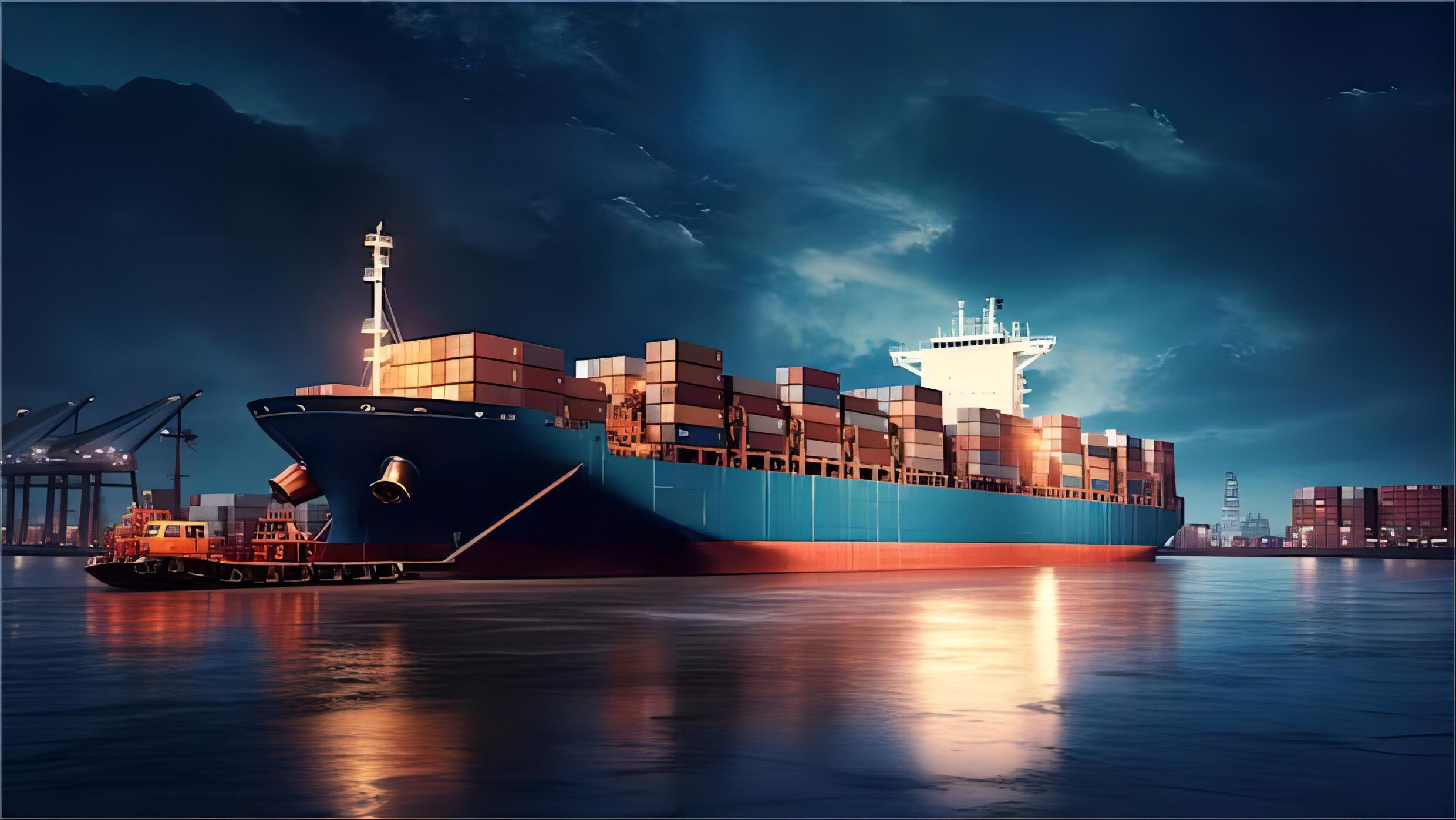
Why You Need a China Australia Import Broker in 2026: A Complete Guide
Navigating the complexities of international trade requires a strategic approach to ensure your cargo reaches its destination efficiently. Partnering with a professional china australia import broker allows businesses to mitigate risks and manage customs regulations effectively. Consequently, you can focus on scaling your operations while experts handle the logistical hurdles that often delay shipments in the 2026 market.

What Does a China Australia Import Broker Do?
A specialized broker acts as an essential intermediary between your business and the Australian Border Force. Indeed, they manage the intricate details of customs brokerage to ensure every shipment complies with the latest 2026 regulations. This role involves classifying goods under the correct tariff codes, which directly impacts the amount of duty you pay.
Moreover, these experts handle the preparation and submission of all necessary documentation to prevent costly port hold-ups. They coordinate with carriers to track your cargo and provide real-time updates on its status. Without a doubt, their expertise in local laws helps avoid penalties that arise from incorrect paperwork or undeclared items.
Specifically, your broker will advise on the China-Australia Free Trade Agreement (ChAFTA) benefits. This agreement can significantly reduce or eliminate tariffs on many products. Therefore, utilizing a broker ensures you maximize your profit margins by taking full advantage of international trade deals.
Key Benefits of Hiring a Professional Broker in 2026
Efficiency remains the primary reason companies invest in professional brokerage services for their supply chain. Since the logistics landscape has evolved in 2026, staying updated on biosecurity requirements is more challenging than ever. A broker ensures your goods meet strict Australian standards, particularly for organic or timber-based products.
Financial savings often result from accurate tariff classification and duty drawbacks. Furthermore, brokers have established relationships with port authorities, which can expedite the release of your goods. Consequently, you reduce storage fees that accumulate when containers sit idle at the terminal.
Risk mitigation is another crucial factor for modern importers. Brokers identify potential issues before your cargo even leaves the Port of Shanghai or Shenzhen. By conducting pre-shipment audits, they protect your business from legal complications and ensure a smooth transit process.
How Does Sea Freight Compare to Other Shipping Options?
Selecting the right transportation mode is vital for balancing speed and expenditure. While sea freight remains the most popular choice for bulk cargo, other methods serve specific needs. For instance, high-value electronics often travel via air to minimize time-to-market.
In contrast, sea transport offers the lowest cost per unit for large volumes. As of early 2026, ocean freight rates have stabilized, making it an attractive option for predictable supply chains. However, you must account for longer lead times compared to express services.
The following table provides an objective analysis of the viable shipping methods for the China-Australia route in 2026:
| Sea Freight (FCL) | $1,200 – $2,000 | 14 – 22 Days | Large Shipments | Slower transit |
| Sea Freight (LCL) | $60 – $120/CBM | 18 – 25 Days | Small Volumes | Handling risks |
| Air Freight | $4.50 – $9.00/kg | 3 – 7 Days | Urgent Goods | High cost |
| Express Courier | $8.00 – $15.00/kg | 2 – 5 Days | Samples/Docs | Weight limits |
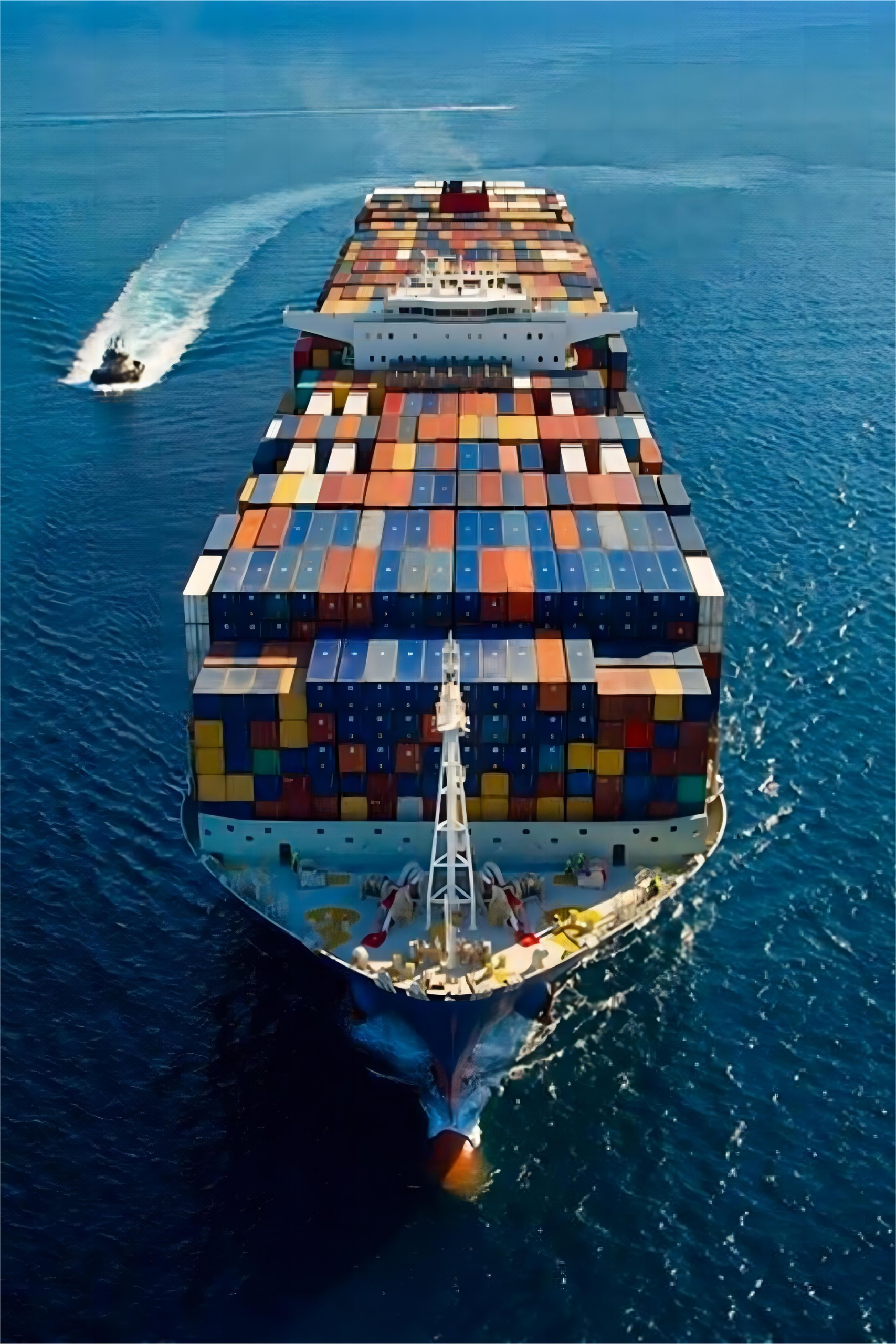
Strategic Decision Framework: Which Option Should You Choose?
Choosing the best method requires evaluating your specific business priorities. If your primary goal is budget optimization, sea freight is the clear winner for most commercial goods. On the other hand, if you are launching a new product and need it in stores immediately, air freight is the necessary investment.
Volume thresholds also play a significant role in your decision. For shipments under 1 CBM, express services are often more economical than LCL because they include door-to-door handling. Meanwhile, once you exceed 15 CBM, a 20ft Full Container Load (FCL) usually becomes more cost-effective than shipping via LCL.
Cargo type considerations are equally important. Perishable items or sensitive pharmaceuticals require temperature-controlled air freight. Conversely, heavy machinery and construction materials are almost exclusively shipped via ocean carriers to manage weight and size constraints efficiently.
Realistic Case Studies for China to Australia Shipping
Understanding real-world scenarios helps importers visualize the process and costs involved. These examples reflect typical market conditions and pricing as of early 2026. Indeed, seeing the breakdown of a successful shipment can help you plan your own logistics strategy more accurately.
Case Study 1: Office Furniture from Shenzhen to Sydney Route: Shenzhen, China to Sydney, Australia Cargo: 50 sets of ergonomic chairs, 12 CBM, 1,800 kg Container: LCL (Less than Container Load) Shipping Details: – Carrier/Service: COSCO Shipping – Port of Loading: Shenzhen – Port of Discharge: Port Botany (Sydney) – Route Type: Direct Cost Breakdown: – Ocean Freight: $1,050 – Origin Charges: $320 – Destination Charges: $450 – Customs & Duties: $0 (ChAFTA applied) – Total Landed Cost: $1,820 Timeline: – Booking to Loading: 3 days – Sea Transit: 16 days – Customs Clearance: 2 days – Total Door-to-Door: 21 days Key Insight: Using a China Australia import broker ensured the ChAFTA Certificate of Origin was correctly filed, saving the client 5% in import duties.
Case Study 2: Consumer Electronics from Ningbo to Melbourne Route: Ningbo, China to Melbourne, Australia Cargo: Smart home devices, 2 CBM, 450 kg Container: Air Freight Shipping Details: – Carrier/Service: Cathay Pacific Cargo – Port of Loading: Ningbo (via Shanghai) – Port of Discharge: Melbourne Airport – Route Type: Transshipment via Hong Kong Cost Breakdown: – Air Freight: $2,475 ($5.50/kg) – Origin Charges: $150 – Destination Charges: $210 – Customs & Duties: $650 (GST included) – Total Landed Cost: $3,485 Timeline: – Booking to Loading: 2 days – Air Transit: 4 days – Customs Clearance: 1 day – Total Door-to-Door: 7 days Key Insight: Speed was the priority for this seasonal product launch. Despite higher costs, the rapid transit allowed the client to meet retail deadlines. Note: Freight rates are subject to change based on fuel costs, carrier capacity, and seasonal demand. Contact us for a current quote tailored to your specific shipment.
Understanding Customs Documentation and Compliance
Proper documentation is the backbone of successful importing. Without the correct paperwork, your shipment could face indefinite delays or seizure by authorities. Therefore, working with a shipping from China to Australia expert is vital for document accuracy.
Additionally, you must ensure that all wood packaging materials comply with ISPM 15 standards. Australia has some of the strictest biosecurity laws in the world to protect its ecosystem. Consequently, failing to provide a valid fumigation certificate can result in expensive treatment fees or the re-export of your goods.
The following checklist outlines the essential documents required for Australian customs in 2026:
| Commercial Invoice | Value & description | Supplier | Mandatory |
| Packing List | Weight & dimensions | Supplier | Mandatory |
| Bill of Lading | Title to goods | Carrier | Mandatory |
| ChAFTA Certificate | Duty reduction | Supplier/Broker | Highly Recommended |

Current Market Trends and Logistics Forecast for 2026
As of Q1 2026, the logistics sector has embraced digital transformation more than ever. Many brokers now use AI-driven platforms to predict port congestion and suggest alternative routes. Furthermore, there is a significant push toward sustainable shipping, with carbon-neutral options becoming more available for Australian importers.
Market data suggests that freight rates from China to Australia have stabilized after the minor disruptions seen in late 2025. However, rates typically increase by 15-25% during the August-October peak season. Accordingly, planning your shipments well in advance of the Christmas rush is a wise financial strategy.
Indeed, the integration of blockchain technology in documentation is reducing the time required for customs clearance. This trend is expected to continue throughout 2026, making the role of the broker more about strategic advisory rather than just manual paperwork. Importers who adapt to these technological shifts will gain a significant competitive advantage.
How to Reduce Your Total Landed Cost
Lowering expenses requires a holistic view of the entire supply chain. One effective strategy is consolidating multiple small shipments into a single FCL to save on handling fees. Moreover, negotiating better terms with your suppliers, such as FOB (Free on Board), gives you more control over the shipping costs.
Another approach involves utilizing door to door services that provide all-inclusive pricing. This eliminates the surprise of hidden destination charges that often catch new importers off guard. By having a single point of contact, you also reduce the administrative burden on your team.
Finally, always verify the HS codes used for your products. Even a small error in classification can lead to paying a higher duty rate than necessary. A professional broker will audit your product list to ensure you are paying the absolute minimum required by law.
Mastering Your Imports with a China Australia Import Broker
To summarize, navigating the trade route between China and Australia in 2026 requires more than just booking a container. It demands a deep understanding of customs regulations, tariff benefits, and logistics trends. By hiring a china australia import broker, you gain a partner dedicated to your success and compliance.
Whether you choose sea freight for its cost-effectiveness or air freight for its speed, the right broker ensures a seamless transition through customs. Remember to plan for seasonal fluctuations and keep your documentation in perfect order to avoid unnecessary delays. Ultimately, a proactive approach to logistics is the key to maintaining a healthy bottom line in international trade.

Ready to streamline your logistics?
Streamline your supply chain today by partnering with an expert china australia import broker. Our team provides comprehensive logistics solutions tailored to your business needs. Contact us now to receive a competitive quote and ensure your next shipment arrives on time and within budget. Send Inquiry:
Request Quote