
DDP Shipping China to Auckland: 2026 Comprehensive Freight Guide
Navigating the complexities of international trade requires a reliable logistics partner to ensure goods arrive safely and on time. Many businesses looking for ddp shipping china to auckland find that managed solutions reduce the stress of handling complex customs regulations. You can explore comprehensive logistics solutions by visiting DSV-Freight to streamline your entire supply chain today. This guide explores how Delivered Duty Paid services simplify the process for New Zealand importers in 2026.

What is DDP Shipping China to Auckland?
Delivered Duty Paid (DDP) is a shipping arrangement where the seller assumes all responsibility, risks, and costs associated with transporting goods. Specifically, this includes paying for export and import duties, taxes, and other charges incurred during the journey to Auckland. Consequently, the buyer is only responsible for receiving the goods at the final destination without worrying about hidden fees.
Choosing a door to door service under DDP terms provides unmatched convenience for small and medium enterprises. Moreover, it eliminates the need for the importer to deal with local customs brokers or tax authorities directly. This method has become the preferred choice for New Zealand businesses aiming for predictable landed costs in 2026.
Why Choose DDP for Your Auckland Shipments?
Predictability remains the most significant advantage when importing goods from major Chinese hubs like Shenzhen or Shanghai. Because the freight forwarder handles all local charges, you can calculate your exact profit margins before the shipment even leaves the warehouse. Additionally, this approach minimizes the risk of unexpected delays at the Port of Auckland due to payment issues.
New Zealand has unique biosecurity requirements that can often complicate the importing process for the uninitiated. However, professional logistics providers familiar with shipping from China to Australia and Oceania understand these nuances perfectly. They ensure that all wooden packaging and organic materials meet the strict standards required by New Zealand authorities.
Comparing Shipping Methods: Sea vs Air Freight
Selecting the right transport mode depends heavily on your budget, cargo volume, and required delivery speed. For instance, sea freight is the most economical choice for large volumes or heavy machinery. It offers a balance between cost-efficiency and reliability, despite the longer transit times across the Pacific.
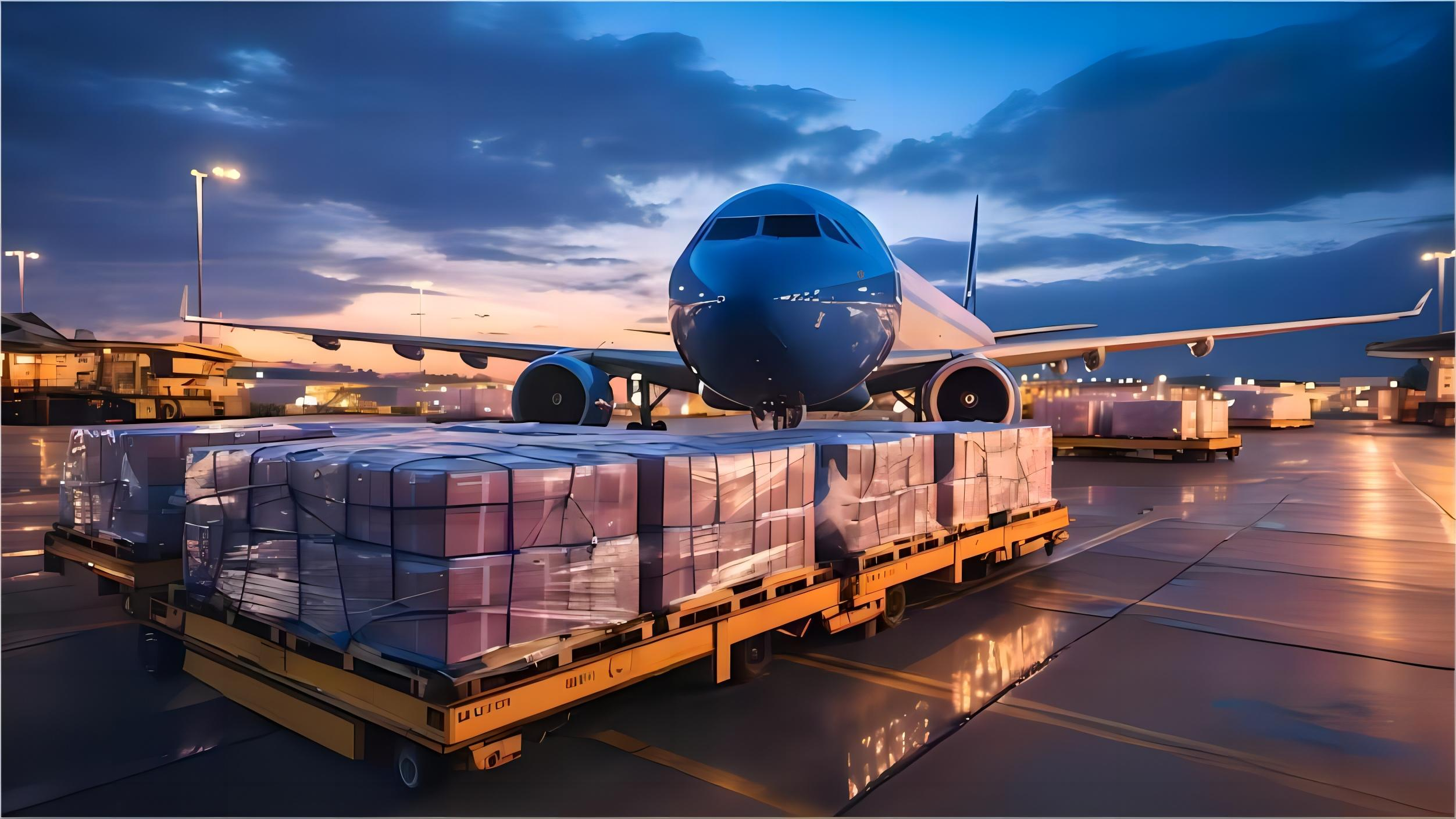
Alternatively, air freight serves as the ideal solution for high-value electronics or urgent inventory restocks. While the cost per kilogram is significantly higher, the reduction in transit time can be crucial for maintaining supply chain agility. Most 2026 market data suggests that businesses are increasingly using a mix of both methods to optimize their inventory flow.
| Method | Transit Time | Cost Level | Best For |
|---|---|---|---|
| Sea Freight (FCL) | 18-25 Days | Low | Bulk Goods |
| Sea Freight (LCL) | 22-30 Days | Medium | Small Pallets |
| Air Freight | 3-7 Days | High | Urgent Items |
| Express | 2-5 Days | Very High | Samples/Docs |

How Does DDP Compare to Other Shipping Options?
Understanding the differences between Incoterms is vital for any professional importer looking to optimize their logistics spend. While FOB (Free on Board) is common, it requires the buyer to manage everything once the goods are on the ship. In contrast, DDP offers a hands-off experience that covers everything from the factory floor to your Auckland warehouse.
Furthermore, CIF (Cost, Insurance, and Freight) only covers the journey to the destination port, leaving you to handle local clearance and final delivery. This often leads to unexpected port congestion fees or storage charges if documentation is not handled perfectly. Therefore, DDP remains the most transparent option for those who value time and simplicity over micro-managing every logistics step.
| Shipping Method | Cost Range | Transit Time | Limitations |
|---|---|---|---|
| DDP Sea | $800-$1500 | 20-28 Days | Higher Unit Cost |
| FOB Sea | $400-$900 | 15-22 Days | Hidden Local Fees |
| DDP Air | $6-$12/kg | 5-8 Days | Weight Limits |
| Express | $10-$18/kg | 3-5 Days | Strict Dimensions |
Cost Breakdown for DDP Shipping to Auckland
Calculating the total cost of a DDP shipment involves several components that the forwarder bundles into a single quote. Firstly, the base ocean or air freight rate is determined by current fuel surcharges and carrier capacity in early 2026. Secondly, origin charges such as trucking to the port and export documentation are factored into the price.
Import duties and the New Zealand GST (Goods and Services Tax) represent a significant portion of the total landed cost. Consequently, the forwarder must accurately classify your goods using the correct HS codes to avoid overpayment or legal issues. As of Q1 2026, freight rates have stabilized, making it an excellent time to lock in long-term shipping contracts for consistent pricing.
Transit Time Analysis for 2026 Routes
Shipping from major Chinese ports like Ningbo or Guangzhou to Auckland typically involves a direct route or transshipment via Singapore. Direct services are faster but slightly more expensive, usually taking around 15 to 18 days for the sea leg. Meanwhile, transshipment routes can extend the journey to 25 days but often offer lower freight rates for non-urgent cargo.
Customs clearance in Auckland is generally efficient, often completed within 24 to 48 hours for DDP shipments with pre-filed paperwork. However, seasonal peaks during the Q4 holiday rush can lead to port congestion and minor delivery delays. Planning your shipments at least 4-6 weeks in advance is recommended to ensure your supply chain remains resilient against these fluctuations.
Navigating Customs and Documentation in Auckland
Accurate documentation is the backbone of a successful import operation, especially when dealing with strict New Zealand biosecurity laws. You must provide a commercial invoice, packing list, and a bill of lading for every shipment entering the country. Utilizing a professional customs brokerage ensures that all paperwork complies with the latest 2026 regulations.
Moreover, specific items like food products or chemicals may require additional permits from the Ministry for Primary Industries (MPI). Your DDP provider should handle these applications as part of their comprehensive service package. Failure to provide correct documentation can result in heavy fines or the destruction of cargo, emphasizing the importance of expert oversight.
Real-World Case Studies: China to Auckland
Case Study 1: Electronics Distribution. A company in Auckland imported 5 CBM of consumer electronics from Shenzhen using LCL sea freight. The cargo was shipped via a major carrier from the Port of Yantian to Auckland Port. Total landed cost was $1,450, including all duties and taxes, with a door-to-door timeline of 24 days. The key insight was that pre-clearing the goods saved 3 days at the terminal.
Case Study 2: Home Furniture. An interior design firm ordered a 20GP container of custom furniture from Foshan. Using DDP terms, the total ocean freight was $1,100 with destination charges and GST bringing the total to $3,200. The shipment arrived in 19 days via a direct route from Nansha. This successful delivery highlighted the benefits of FCL for fragile items that require minimal handling.
Case Study 3: Urgent Fashion Samples. A retail brand used express service for 50kg of seasonal samples from Shanghai. The total cost was $650, and the goods arrived at their Auckland office in just 4 days. Despite the high cost per kilogram, the speed allowed the brand to launch their marketing campaign on schedule, proving the value of premium air services.
Which Shipping Option Should You Choose?
Deciding on the best shipping strategy requires evaluating your specific business needs and cargo characteristics. If your primary goal is budget optimization and you have flexible timelines, sea freight LCL or FCL is the logical choice. For those handling perishable goods or high-demand tech products, air freight provides the necessary speed to stay competitive.
Additionally, consider the volume of your shipments; once you exceed 15 CBM, a full container (FCL) often becomes more cost-effective than LCL. Hybrid solutions, such as sea-to-air transshipment, can also offer a middle ground for both cost and speed. Ultimately, consulting with a logistics expert will help you tailor a solution that aligns with your 2026 financial goals and delivery requirements.
Final Thoughts on Auckland DDP Logistics
In conclusion, ddp shipping china to auckland offers a robust and predictable framework for businesses of all sizes. By shifting the burden of customs and tax compliance to the freight forwarder, importers can focus on growth and customer satisfaction. The current 2026 logistics landscape favors those who utilize integrated door-to-door solutions to mitigate global supply chain risks.
Whether you are shipping small parcels or full containers, selecting the right partner is the most critical decision in your importing journey. We recommend staying informed about market trends and maintaining clear communication with your logistics provider to ensure long-term success.
Ready to streamline your logistics?
Ready to simplify your supply chain with reliable ddp shipping china to auckland? Contact our expert team today to receive a personalized quote and discover how we can optimize your logistics for 2026. Send Inquiry to get started with a professional freight partner who understands the Auckland market.
Request Quote