
Sea Cargo China to Australia: 2026 Shipping Guide and Costs
Navigating the complexities of international trade requires a reliable partner and a clear understanding of the logistics landscape. At Top Logistics, we specialize in streamlining your supply chain to ensure your goods arrive safely and on time. Finding the most cost-effective sea cargo China to Australia solution is essential for businesses looking to maintain a competitive edge in 2026. This comprehensive guide explores the nuances of ocean freight, providing you with the data and strategies needed to succeed.

How Sea Cargo China to Australia Works in 2026
The maritime route between China and Australia remains one of the busiest and most efficient trade lanes in the Southern Hemisphere. Consequently, businesses can benefit from frequent departures and a wide range of carrier options from major Chinese ports. As of early 2026, the industry has seen a significant stabilization in freight rates and vessel availability.
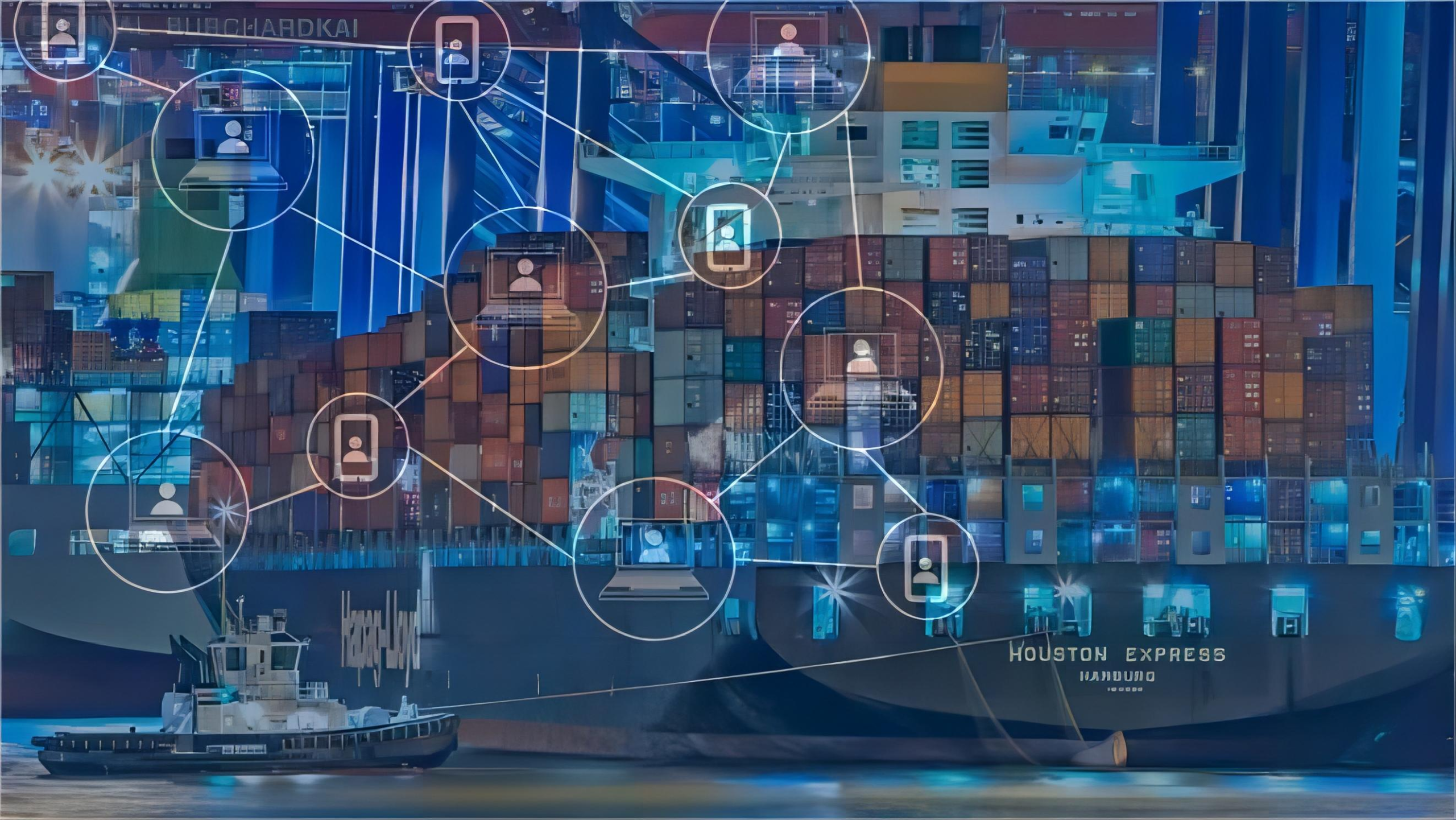
Moreover, the integration of digital tracking technologies has made monitoring your sea cargo China to Australia more transparent than ever before. Most carriers now provide real-time updates, allowing importers to plan their inventory cycles with greater precision. Therefore, choosing the right shipping method is the first step toward a successful import operation.
FCL vs LCL: Choosing the Right Container Option
When planning your shipment, you must decide between Full Container Load (FCL) and Less than Container Load (LCL) options. FCL is typically the most efficient choice for large volumes, as it provides you with the exclusive use of a 20ft or 40ft container. For smaller shipments, sea freight via LCL allows you to share container space with other importers, significantly reducing costs.
Additionally, FCL shipments often experience faster transit times because they do not require the consolidation and deconsolidation processes associated with LCL. However, LCL remains a vital tool for small and medium enterprises that do not have enough volume to fill a whole container. In 2026, many logistics providers have optimized LCL routes to minimize handling delays.
| Feature | FCL (Full Container) | LCL (Shared) | Best For |
|---|---|---|---|
| Cost Structure | Flat rate per container | Priced per cubic meter | FCL: High volume |
| Transit Time | Direct and faster | Slower due to sorting | LCL: Small loads |
| Security | Lower risk of damage | Higher handling risk | FCL: Fragile goods |
| Flexibility | Limited by volume | High flexibility | LCL: Samples |
How Does Sea Cargo Compare to Other Shipping Options?
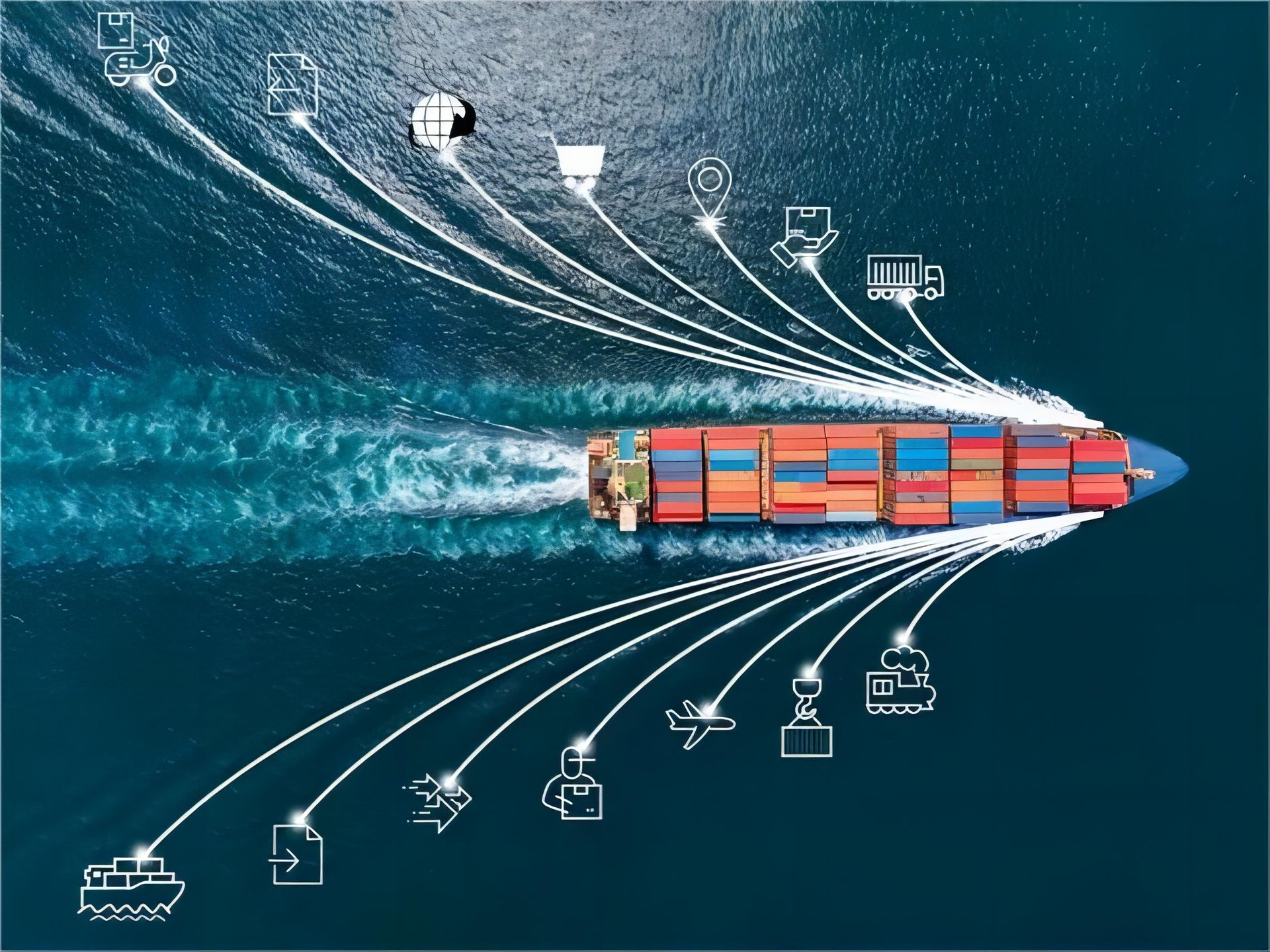
While ocean freight is the backbone of global trade, it is important to consider how it compares to faster alternatives. For instance, air freight offers unparalleled speed but comes at a much higher price point. In contrast, sea cargo China to Australia provides the lowest cost per unit, making it ideal for bulk commodities and heavy machinery.
Furthermore, businesses must weigh the trade-offs between budget and urgency when selecting their transport mode. While sea-air hybrid solutions exist for some regions, the direct maritime route to Australia is generally the most economical choice. Meanwhile, express services are best reserved for critical documents or high-value electronics that require immediate delivery.
| Method | Cost Range | Transit Time | Best For |
|---|---|---|---|
| Sea Freight | $800 – $2,000 | 12 – 25 Days | Bulk / Large Goods |
| Air Freight | $5.00 – $12.00/kg | 3 – 7 Days | Urgent / High Value |
| Express | $8.00 – $18.00/kg | 2 – 5 Days | Small Parcels |
| Sea-Air | Moderate | 10 – 15 Days | Balanced Needs |
Major Ports and Estimated Transit Times
Shipping from China typically begins at major hubs such as Shanghai, Ningbo, or Shenzhen, which offer the highest frequency of sailings. Specifically, the transit time to major Australian ports like Sydney, Melbourne, and Brisbane varies depending on the port of origin. For example, a direct vessel from Shenzhen to Sydney can arrive in as little as 12 days under optimal conditions.
On the other hand, shipments originating from northern Chinese ports like Qingdao may take up to 22 days to reach Fremantle. Consequently, your choice of loading port can have a measurable impact on your overall delivery schedule. Indeed, understanding these geographic variables is essential for accurate supply chain forecasting in 2026.
| Origin Port | Destination Port | Average Days | Frequency |
|---|---|---|---|
| Shenzhen | Sydney | 12 – 15 Days | Daily |
| Shanghai | Melbourne | 15 – 18 Days | Bi-weekly |
| Ningbo | Brisbane | 14 – 17 Days | Weekly |
| Qingdao | Fremantle | 20 – 25 Days | Weekly |
Which Option Should You Choose? Decision Framework
Selecting the right sea cargo China to Australia strategy depends on your specific business priorities and cargo characteristics. If your primary goal is budget optimization, LCL shipping for volumes under 15 CBM is usually the most logical choice. However, once your volume exceeds the 15 CBM threshold, the cost of a 20GP container often becomes more economical.
Additionally, you should consider the nature of your goods when making this decision. For perishable or high-demand items, the speed of FCL or even air freight might justify the higher initial expense. Conversely, for non-urgent inventory replenishment, sea cargo remains the undisputed leader in cost efficiency.
Customs Clearance and Essential Documentation
Navigating Australian Customs requires meticulous attention to detail and a thorough understanding of current import regulations. Specifically, you must ensure that all documentation, including the Bill of Lading and Commercial Invoice, is accurate and complete. Using a professional customs brokerage service can prevent costly delays and potential fines.
Furthermore, Australia has strict biosecurity laws that apply to various types of sea cargo China to Australia, especially timber and organic materials. As a result, ensuring your packing materials meet ISPM 15 standards is a critical step in the shipping process. Therefore, working with an experienced logistics partner can help you navigate these regulatory hurdles with ease.
Specialized Logistics: Amazon FBA and Door to Door Services
For e-commerce sellers, specialized services like Amazon FBA shipping from China are increasingly popular. These services handle everything from the initial pickup at the factory to the final delivery at an Australian fulfillment center. Consequently, this allows business owners to focus on marketing and sales rather than logistics management.
In addition, many importers now prefer door to door solutions for their simplicity and transparency. This comprehensive service model covers every stage of the journey, including ocean freight, customs clearance, and local trucking. Indeed, this end-to-end approach significantly reduces the administrative burden on your team.
Real Case Studies: Successful Shipments to Australia
Reviewing real-world examples can provide valuable insights into the practicalities of sea cargo China to Australia. These cases highlight the importance of proper planning and the impact of choosing the right shipping method for different cargo types. Notably, our recent operations in 2025 and early 2026 demonstrate the efficiency of modern trade routes.
Case Study 1: Electronics Distribution. Route: Shenzhen to Sydney. Cargo: Consumer electronics, 28 CBM. Container: 40GP. Shipping Details: Direct carrier service with 14-day transit. Total Landed Cost: $3,200 including local charges. Key Insight: FCL provided the necessary security for high-value goods while keeping unit costs low.
Case Study 2: Furniture Retailer. Route: Ningbo to Melbourne. Cargo: Flat-pack furniture, 6 CBM. Method: LCL shipping. Timeline: 18 days sea transit plus 3 days for deconsolidation. Total Landed Cost: $950. Key Insight: LCL allowed the retailer to maintain stock levels without the expense of a full container.
Cost-Saving Strategies for Your 2026 Supply Chain
To maximize your profitability, it is essential to implement cost-saving strategies throughout your shipping process. For instance, consolidating multiple small orders into a single LCL shipment can significantly reduce your per-unit freight costs. Moreover, booking your sea cargo China to Australia at least 3-4 weeks in advance can help you secure better rates during peak seasons.
Additionally, optimizing your packaging to reduce wasted space within the container is a simple yet effective way to lower expenses. However, you should never compromise on the quality of packing materials, as damage during transit can lead to much higher costs in the long run. Consequently, a balanced approach to cost and safety is the key to long-term success.
Final Thoughts on Shipping to Australia
In summary, managing sea cargo China to Australia effectively requires a combination of strategic planning, regulatory knowledge, and the right logistics partner. By understanding the differences between FCL and LCL, and staying informed about market trends in 2026, you can optimize your supply chain for both speed and cost.
Whether you are shipping bulk industrial goods or managing an e-commerce store, the maritime route remains the most reliable option for Australian imports. Therefore, we encourage you to leverage the insights provided in this guide to enhance your shipping operations and drive your business forward in the coming year.
Get Your Shipping Quote Today
Streamline your international logistics today by choosing a partner that understands the nuances of sea cargo China to Australia. Our team is ready to provide you with a customized quote and expert guidance for your next shipment. Visit our inquiry page to get started: Send Inquiry at https://toplogisticslt.com/
Request Quote