

Export Logistics China Australia: 2026 Comprehensive Shipping Guide
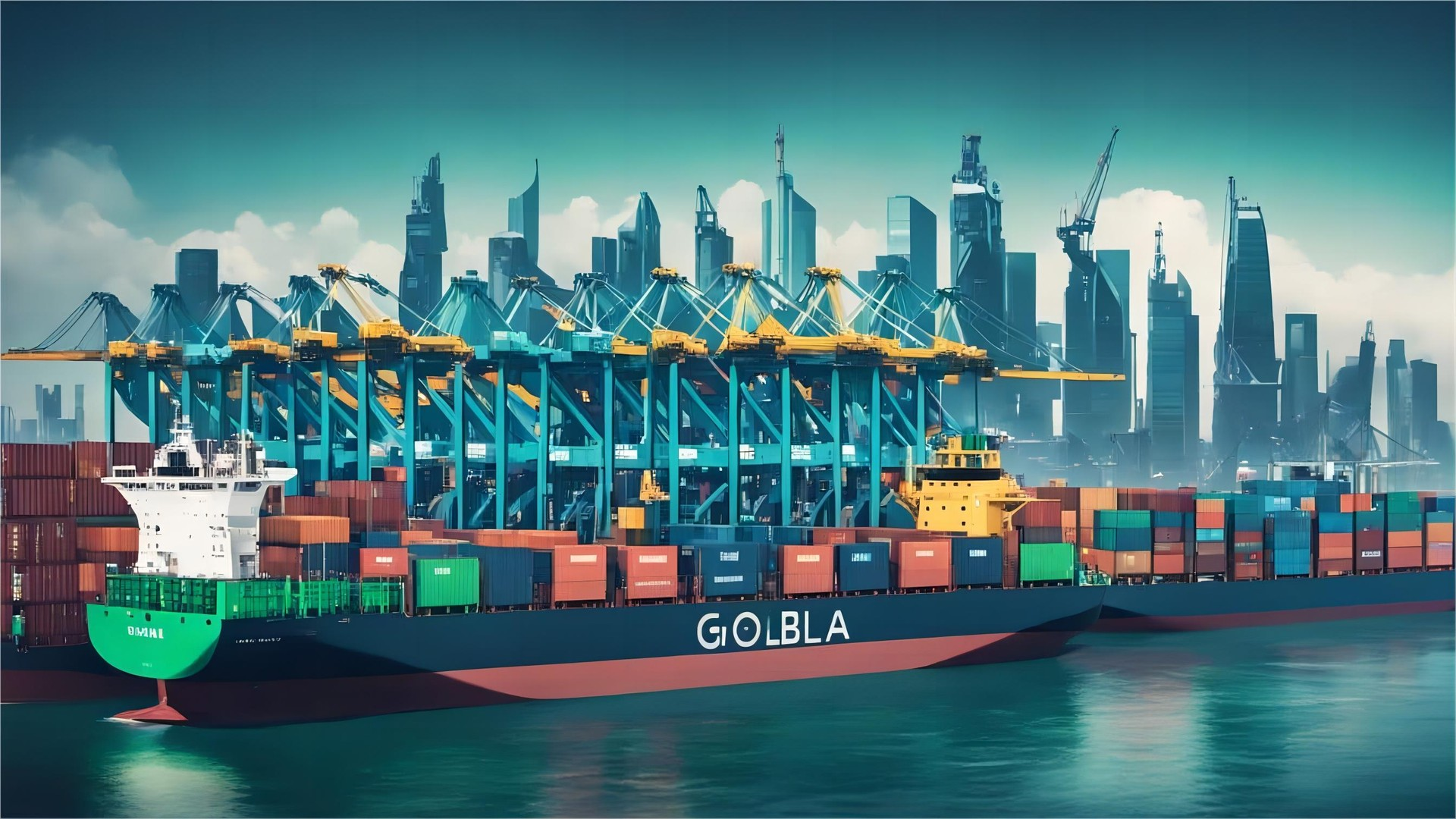
Navigating the complexities of export logistics china australia requires a strategic approach to ensure your goods arrive safely and on time. As trade volumes between these regions continue to grow in 2026, businesses must adapt to evolving port regulations and fluctuating market demands. Partnering with a reliable expert like Toplogisticslt ensures your supply chain remains resilient against global disruptions while maintaining cost-effectiveness.
How Does Sea Freight Compare to Other Shipping Options?
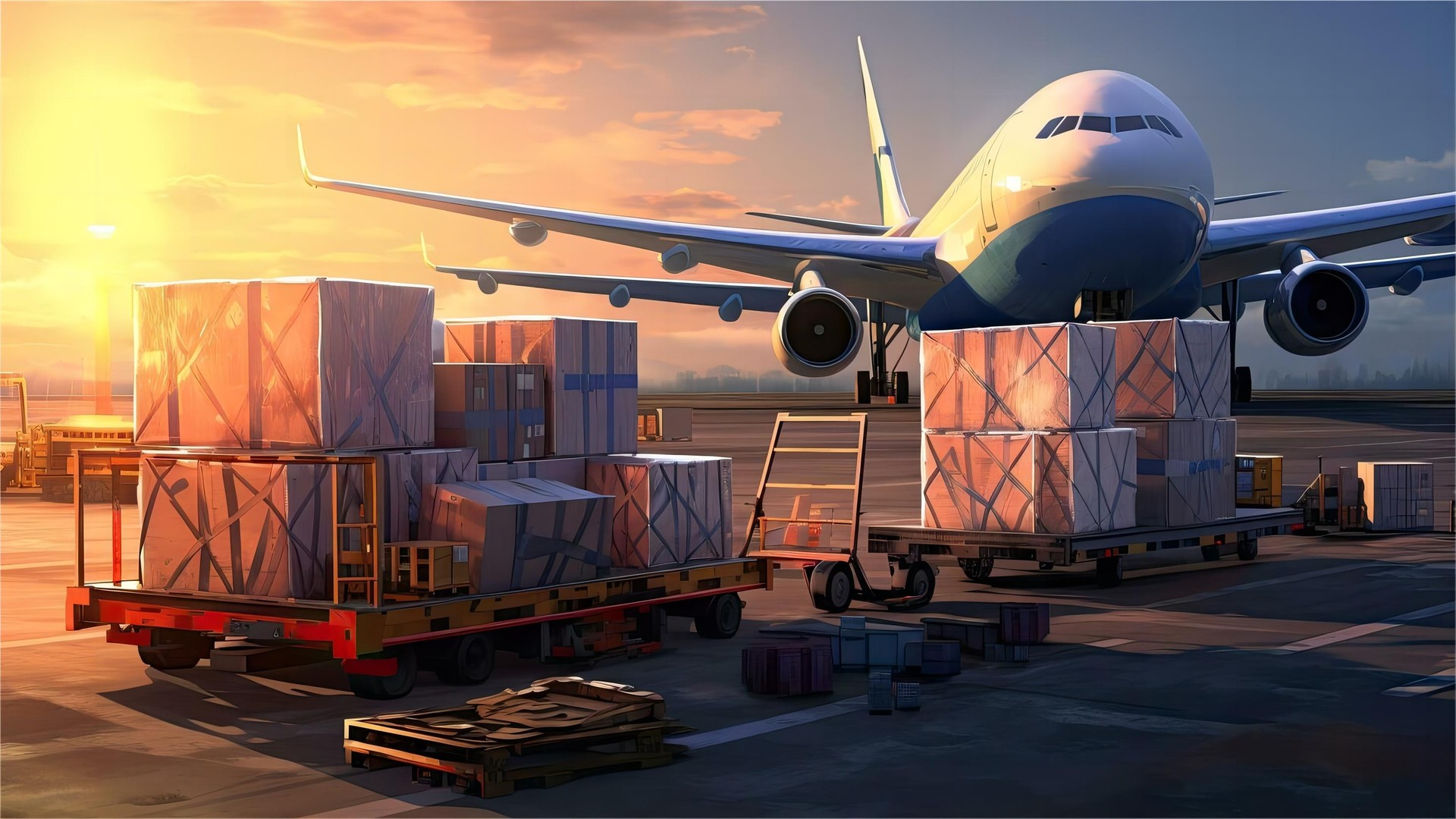
Sea freight remains the backbone of trade between Chinese manufacturing hubs and Australian ports. This method provides the most economical solution for bulk commodities and large-scale inventory movements. However, businesses must weigh the lower costs against the longer transit times compared to air transport.
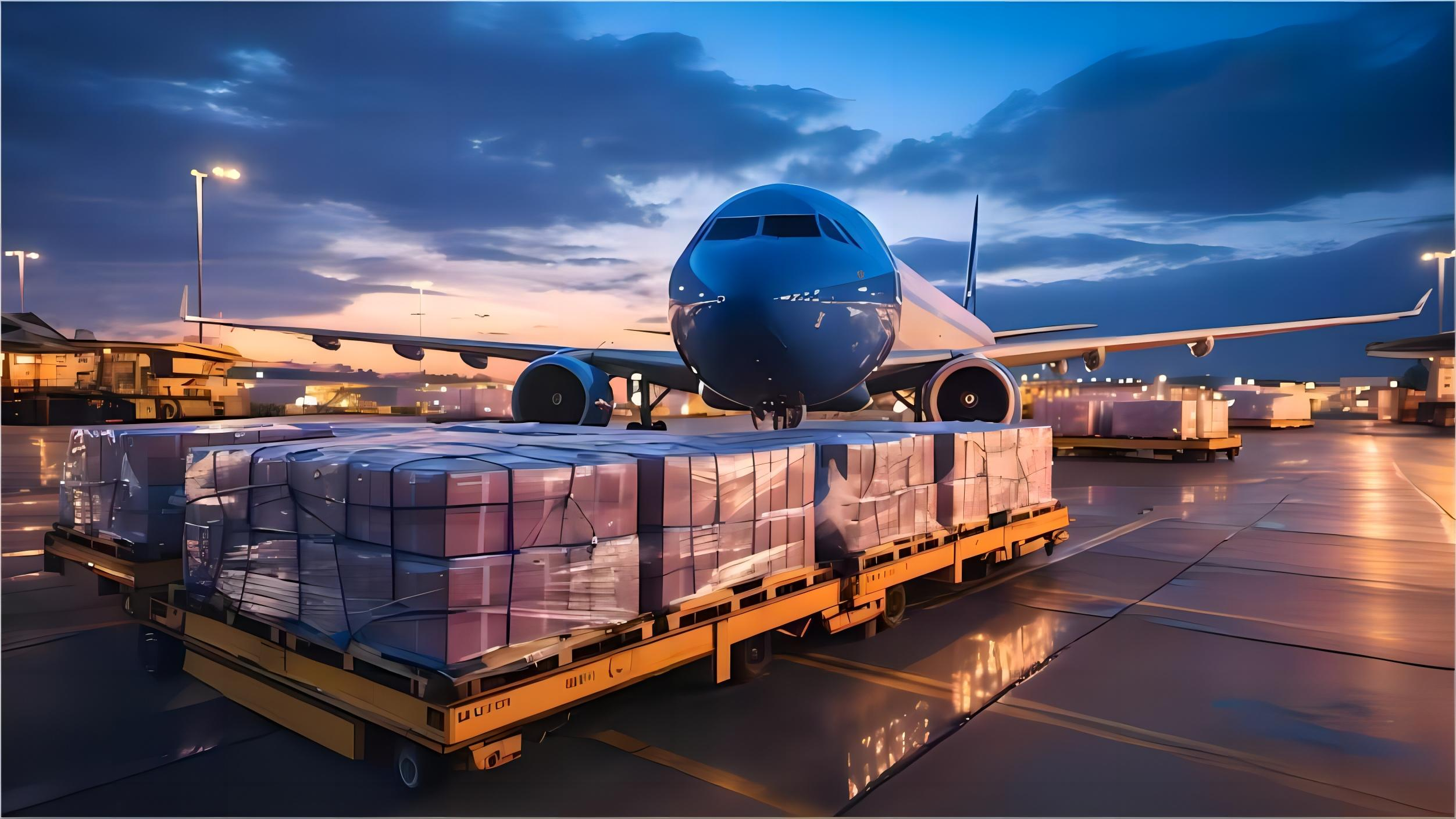
Choosing between different modes of transport depends heavily on your specific cargo volume and budget constraints. While sea freight offers high capacity, air cargo provides the speed necessary for high-value or perishable items. Consequently, many importers utilize a mix of services to balance their logistics expenses throughout the year.
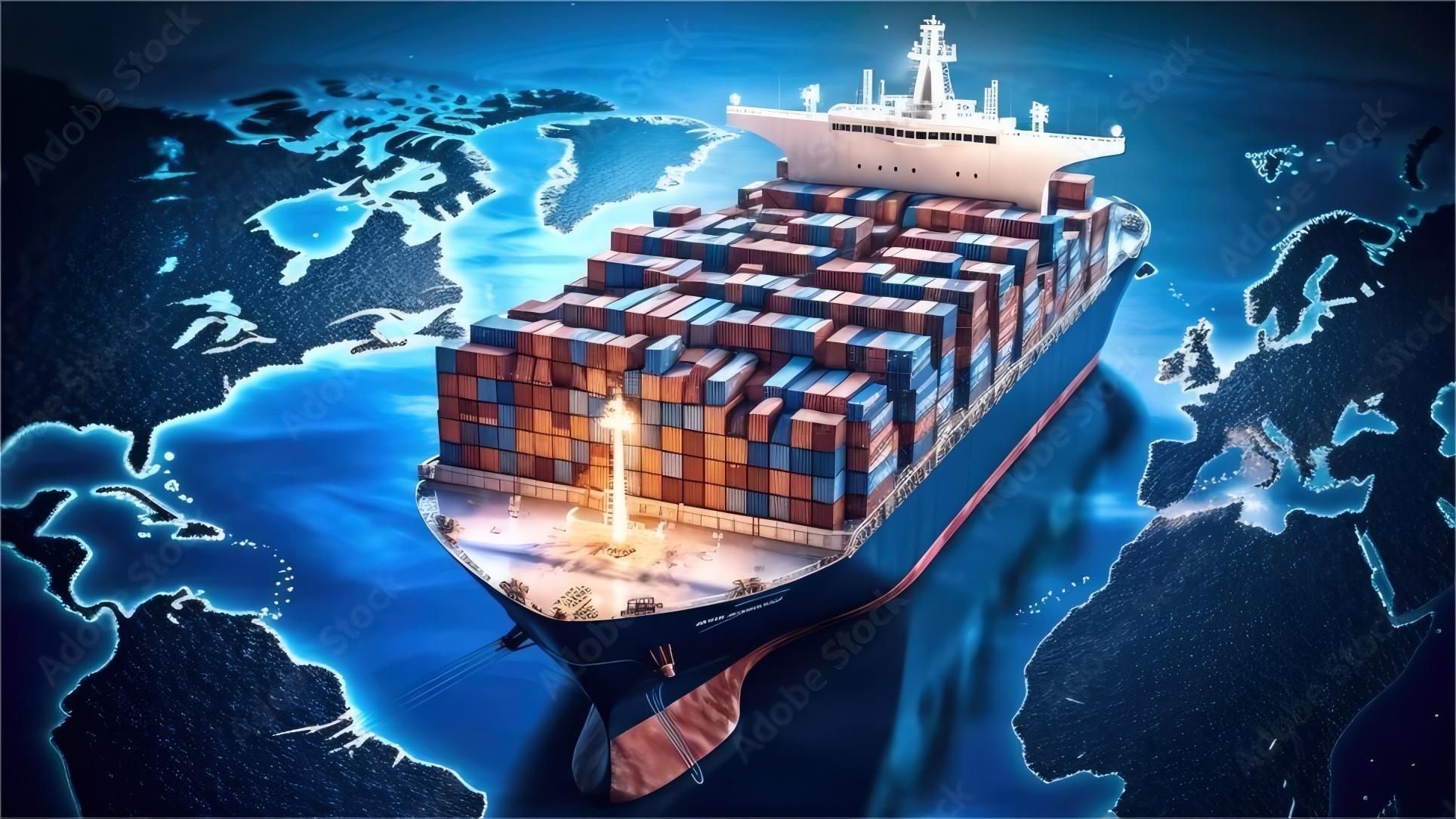
Alternative strategies such as multi-modal transport are gaining popularity in 2026. For instance, some companies combine sea transit with localized express delivery to optimize the final mile. This approach often reduces the total landed cost while maintaining a predictable delivery schedule for the end consumer.
| Shipping Method | Cost Range | Transit Time | Best For | Limitations |
|---|---|---|---|---|
| Sea Freight (FCL) | $1,200 – $2,000 | 12-18 Days | Bulk Goods | Longer Lead Time |
| Sea Freight (LCL) | $80 – $150/CBM | 15-22 Days | Small Batches | Handling Risks |
| Air Freight | $4.50 – $8.00/kg | 3-7 Days | Urgent Cargo | High Expense |
| Express Service | $7.00 – $12.00/kg | 2-5 Days | E-commerce | Weight Limits |
What Are the Key Steps in Export Logistics China Australia?
Efficient planning starts with selecting the right shipping container based on your total cargo volume. Most exporters choose sea freight for its ability to handle 20GP, 40GP, and 40HQ containers efficiently. Moreover, proper packaging and labeling are essential to prevent damage during the long ocean voyage.
Documentation plays a critical role in avoiding unnecessary delays at the Port of Loading or Discharge. You must ensure that the Bill of Lading, Commercial Invoice, and Packing List are accurate and match the physical cargo. Furthermore, obtaining a Certificate of Origin can often help you leverage trade agreements for reduced tariffs.
Managing the transit process involves constant communication with your freight forwarder to track the vessel’s progress. Modern tracking systems in 2026 allow importers to monitor their shipments in real-time across the Pacific. Indeed, visibility into the supply chain helps businesses plan their inventory levels with much greater precision.
Why Should You Consider Air Freight for Urgent Shipments?
Speed is the primary advantage when you opt for air freight services for your Australian imports. This method is ideal for electronics, fashion items, or emergency replacement parts that cannot wait for sea transit. Additionally, air transport reduces the risk of theft and damage due to shorter handling times at terminals.
Costs for air cargo are calculated based on either actual weight or volumetric weight, whichever is higher. Therefore, optimizing your packaging to reduce empty space can lead to significant savings on your total freight bill. Meanwhile, the reliability of flight schedules ensures that you meet tight retail deadlines consistently.
Market data from early 2026 suggests that air rates remain sensitive to fuel surcharges and seasonal demand spikes. Consequently, booking your space at least two weeks in advance is recommended during peak shopping periods. This proactive approach secures your capacity and helps avoid premium last-minute pricing.
How Do Customs Regulations Affect Your Delivery Schedule?
Navigating the Australian Border Force requirements is a specialized task that requires professional expertise. Engaging a customs brokerage service ensures that your goods comply with all local biosecurity and safety standards. Furthermore, incorrect classifications can lead to heavy fines or even the seizure of your entire shipment.
Australia has strict quarantine laws, especially regarding wooden packaging and organic materials. You must ensure that all pallets are heat-treated and bear the appropriate ISPM15 stamp to pass inspection. As a result, many savvy importers work closely with their suppliers to verify compliance before the cargo leaves China.
Processing times at major ports like Sydney or Melbourne can vary based on current congestion levels. Typically, customs clearance takes between 1 and 3 days if all paperwork is perfectly in order. However, missing documents or vague descriptions will inevitably cause bottlenecks in your distribution chain.
What Are the Real Costs of Shipping to Australia in 2026?
Landed costs include more than just the ocean or air freight charges paid to the carrier. You must also account for port handling fees, terminal security charges, and local trucking costs at the destination. For a seamless experience, many businesses choose door to door solutions that bundle these expenses into a single quote.
Taxes and duties represent a significant portion of the total investment for any Australian importer. The Goods and Services Tax (GST) is generally 10% of the value of the taxable importation. Additionally, specific products may attract customs duties ranging from 0% to 5% depending on their classification and origin.
Note: Freight rates are subject to change based on fuel costs, carrier capacity, and seasonal demand. Contact us for a current quote tailored to your specific shipment. Industry averages for 2026 show that FCL rates have stabilized after the minor fluctuations seen in the previous year.
Which Option Should You Choose? A Decision Framework
Budget Priority
If your primary goal is to minimize expenditure, sea freight is the clear winner for most scenarios. This is especially true for shipments exceeding 2 CBM in volume or 500 kg in weight. By choosing LCL for smaller loads, you only pay for the space you actually use.
Speed Priority
When time is of the essence, air freight or express courier services are the most suitable choices. These methods can deliver goods from Shenzhen to Sydney in as little as 3 days. This speed is essential for maintaining high turnover rates for trending products.
Volume Thresholds
For shipments between 10 and 15 CBM, it is often more economical to book a 20GP container rather than paying for LCL. This switch provides you with a dedicated space and reduces the risk of damage during consolidation. Always ask your forwarder to compare both rates for mid-sized shipments.
Real Case Studies: China to Australia Logistics Success
Case Study 1: Electronics Distribution. Route: Shenzhen to Sydney. Cargo: Consumer electronics, 12 CBM, 2,500 kg. Method: Sea Freight LCL. Sea Transit: 14 days. Total Door-to-Door: 21 days. Total Landed Cost: $3,200. Key Insight: Consolidating multiple small orders into one LCL shipment saved the client 15% compared to individual air shipments.
Case Study 2: Furniture Import. Route: Ningbo to Melbourne. Cargo: Home furniture, 1x40HQ Container. Method: Sea Freight FCL. Sea Transit: 17 days. Total Door-to-Door: 25 days. Total Landed Cost: $5,800. Key Insight: Utilizing a 40HQ instead of two 20GP containers reduced the ocean freight cost by nearly $900 based on Q1 2026 market rates.
Case Study 3: Urgent Spare Parts. Route: Shanghai to Brisbane. Cargo: Industrial machinery parts, 150 kg. Method: Air Freight. Transit Time: 4 days. Total Door-to-Door: 6 days. Total Landed Cost: $1,450. Key Insight: Despite the higher cost, air freight prevented a production line shutdown that would have cost the client thousands per day.
How to Optimize Your Supply Chain for 2026?
Successful shipping from China to Australia requires more than just picking a carrier. You should analyze your historical data to predict peak periods and book your shipments well in advance. Moreover, diversifying your supplier base across different Chinese provinces can mitigate risks related to local port lockdowns.
Digital tools are becoming increasingly important for managing modern export logistics. Implementing an integrated inventory management system allows you to sync your shipping data with your sales forecasts. Consequently, you can maintain lower stock levels while ensuring you never run out of popular items.
Sustainability is another factor influencing logistics trends in 2026. Many Australian consumers now prefer brands that use eco-friendly shipping options or carbon-offset programs. Therefore, choosing carriers with modern, fuel-efficient fleets can improve your brand image while potentially reducing long-term costs.
Final Thoughts on Export Logistics China Australia
Mastering export logistics china australia is a continuous process of adaptation and strategic decision-making. By understanding the differences between sea and air freight, you can choose the method that best aligns with your business objectives. Remember that documentation and customs compliance are just as important as the physical transport of your goods.
As we move through 2026, staying informed about market trends and freight rates will give you a competitive edge. Partnering with a dedicated logistics provider allows you to focus on your core business while experts handle the complexities of international trade. Start optimizing your route today to ensure a more profitable and reliable supply chain for the future.
Start Your Shipment
Streamline your export logistics china australia today with our expert team. Whether you need sea, air, or door-to-door solutions, we provide tailored quotes that fit your budget and timeline. Visit our website to request a professional consultation and secure your 2026 shipping rates now. Send Inquiry: info@toplogisticslt.com
Request Quote