

Freight Forwarder China South Pacific: 2026 Expert Logistics Guide
Navigating the complex maritime routes of the Oceania region requires a highly specialized freight forwarder china south pacific to ensure timely delivery. Selecting the right logistics partner is crucial because island nations like Fiji, Papua New Guinea, and Vanuatu present unique geographical and regulatory challenges. Consequently, businesses must prioritize reliability and local expertise when managing their international supply chains in 2026.

How to Choose a Reliable Freight Forwarder China South Pacific?
Finding an experienced partner involves evaluating their network across major Chinese hubs like Shenzhen, Shanghai, and Ningbo. Since the South Pacific market is niche, your provider must demonstrate deep knowledge of regional port infrastructure and local carrier schedules. Therefore, you should verify their track record with specific island destinations to avoid unnecessary delays.
Currently, market conditions in 2026 demand that forwarders offer real-time tracking and robust digital documentation services. Moreover, a professional agent will provide comprehensive insurance options to protect your investment against maritime risks. Specifically, look for companies that offer consolidated shipping solutions for smaller cargo volumes to optimize your overall expenditure.
What are the Primary Shipping Methods for the South Pacific?
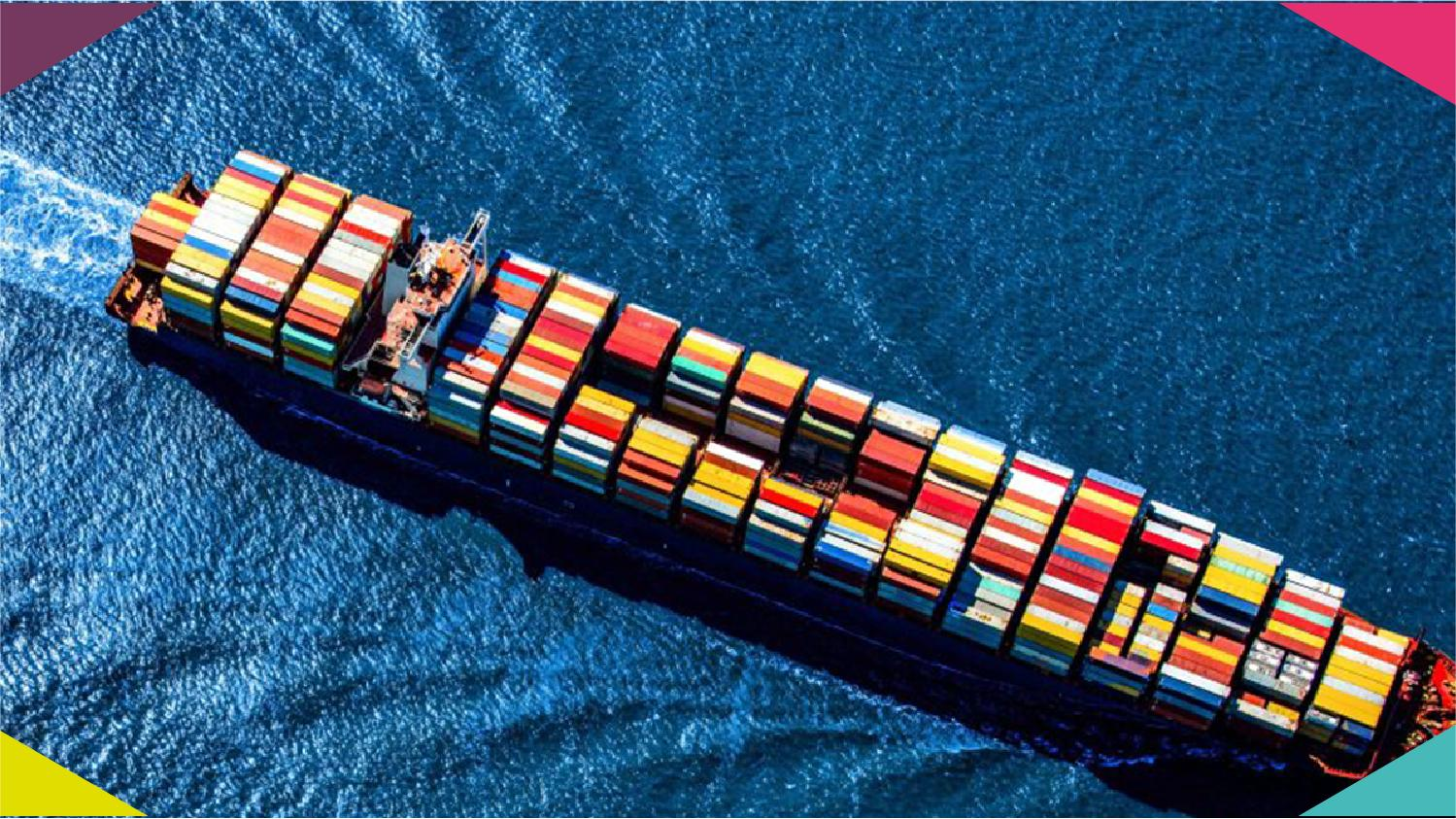
Because of the vast distances involved, sea freight remains the most cost-effective solution for large-scale imports. Instead of relying on expensive alternatives, most businesses utilize Full Container Load (FCL) or Less than Container Load (LCL) services for their bulk shipments. Consequently, sea transport handles approximately 90% of the total trade volume between China and the South Pacific region.
Furthermore, air freight provides a vital lifeline for high-value or urgent goods that cannot wait for ocean transit. Despite the higher costs, air transport ensures that critical supplies reach remote island locations within a matter of days. While sea routes might take weeks, air cargo maintains the flow of electronics, medical supplies, and perishable items.
| Method | Cost Range | Transit Time | Best For |
|---|---|---|---|
| Sea Freight (FCL) | $1,800 – $3,500 | 18 – 30 Days | Bulk Goods |
| Sea Freight (LCL) | $80 – $150/CBM | 22 – 35 Days | Small Shipments |
| Air Freight | $4.50 – $8.00/kg | 3 – 7 Days | Urgent Cargo |
| Express Service | $8.00 – $15.00/kg | 2 – 5 Days | Documents/Samples |
How Does Sea Freight Compare to Other Shipping Options?
Ocean transport offers unparalleled capacity for heavy machinery and construction materials required for Pacific infrastructure projects. In addition, sea freight carbon emissions per ton-mile are significantly lower than air transport, supporting modern sustainability goals. However, the longer lead times require meticulous inventory planning to prevent stockouts during peak demand seasons.
Notably, rail freight is not a viable option for this specific route due to the lack of trans-continental tracks connecting China to the Pacific islands. Indeed, the only alternative to direct sea or air routes is a hybrid sea-air solution via major hubs like Singapore or Brisbane. Clearly, choosing the right method depends on your specific balance between budget constraints and delivery speed requirements.
| Priority | Recommended Option | Key Advantage | Trade-off |
|---|---|---|---|
| Lowest Cost | Ocean Freight LCL | Minimal Expense | Longest Transit |
| Maximum Speed | Air Freight | Rapid Delivery | High Cost |
| Large Volume | Ocean Freight FCL | Cost Efficiency | Port Congestion |
| Small/Urgent | Express Service | Door Delivery | Weight Limits |
Navigating Customs Brokerage and Compliance in 2026
Documentation accuracy is the cornerstone of successful customs brokerage in the South Pacific island nations. Because each country has distinct import regulations, your freight forwarder must manage Commercial Invoices, Packing Lists, and Certificates of Origin with precision. Additionally, recent 2026 updates to biosecurity laws in countries like Fiji require strict adherence to wooden packaging standards.
Consequently, failing to provide correct paperwork can result in heavy fines or cargo impoundment at the port of discharge. Furthermore, working with an expert agent ensures that you benefit from any applicable trade agreements between China and Pacific nations. Successful importers always verify that their broker has a valid license and a clean compliance record with regional authorities.
The Benefits of Door to Door Logistics in Island Nations
Managing the final mile of delivery is often the most challenging aspect of shipping to remote island locations. Door to door services simplify this process by handling everything from the Chinese factory to the final destination warehouse. Therefore, businesses can focus on their core operations while the logistics provider manages trucking, shipping, and local distribution.
Reliability in the final leg of the journey is particularly important for businesses operating in Papua New Guinea or the Solomon Islands. Instead of dealing with multiple local contractors, a single point of contact streamlines communication and reduces the risk of cargo loss. Additionally, comprehensive door-to-door solutions often include temporary warehousing and cargo consolidation services for better efficiency.
Which Option Should You Choose? Decision Framework
Selecting the ideal method depends heavily on your cargo volume, budget, and the specific urgency of the shipment. If your priority is cost savings for non-urgent goods, ocean freight is the undisputed winner for the China-Pacific route. However, if you are shipping to shipping from China to Australia or nearby hubs for transshipment, air freight might be necessary for time-sensitive retail launches.
Market data suggests that 2026 transit times have stabilized, yet seasonal peaks in October and January still cause capacity crunches. Therefore, booking your shipments at least three weeks in advance is highly recommended for ocean cargo. Without a doubt, consulting with a professional agent will help you identify the most efficient route based on current carrier performance and port conditions.
Real Case Studies: South Pacific Shipping Success
Case Study 1: Solar Panel Distribution to Fiji. Route: Shenzhen to Suva. Cargo: 15 CBM LCL solar equipment. Shipping Method: Sea Freight LCL. Total Landed Cost: $2,450 (Q1 2026 rates). Transit Time: 22 days door-to-port. Key Insight: Proper palletization reduced damage rates to zero despite multiple transshipments.
Case Study 2: Construction Machinery to PNG. Route: Shanghai to Port Moresby. Cargo: 40HQ container of excavators. Shipping Method: Sea Freight FCL via direct carrier. Total Landed Cost: $5,100 (Q2 2026 rates). Transit Time: 28 days. Key Insight: Pre-clearing customs documentation saved 5 days of port storage fees.
Case Study 3: Retail Electronics to Vanuatu. Route: Guangzhou to Port Vila. Cargo: 500kg of consumer electronics. Shipping Method: Air Freight. Total Landed Cost: $3,200. Transit Time: 6 days. Key Insight: Utilizing air freight allowed the client to meet a critical holiday shopping deadline.
2026 Market Intelligence and Cost Trends
As of early 2026, freight rates from China to the South Pacific have seen a 12% stabilization compared to the volatile fluctuations of previous years. Moreover, new port developments in the region are gradually reducing the average turnaround time for large container vessels. Nevertheless, fuel surcharges remain a variable factor that importers must account for in their annual logistics budgets.
Specifically, the industry average for a 20GP container currently ranges between $1,200 and $1,800 depending on the specific island destination. Additionally, the rise of green shipping corridors is encouraging more carriers to adopt eco-friendly fuels, which may influence pricing in the latter half of 2026. Note: Freight rates are subject to change based on fuel costs, carrier capacity, and seasonal demand. Contact us for a current quote tailored to your specific shipment.
Final Thoughts on South Pacific Logistics
Mastering the logistics landscape between China and the South Pacific requires a blend of global reach and local expertise. By understanding the nuances of sea and air freight, businesses can effectively navigate the challenges of island trade. Furthermore, prioritizing digital compliance and choosing the right freight forwarder china south pacific will ensure your long-term success in this growing market.
Effective planning and strategic selection of shipping methods are the keys to maintaining a competitive edge in 2026. Whether you are shipping bulk commodities or urgent retail goods, the right logistics partner makes all the difference.

Need a tailored shipping solution?
Streamline your supply chain today by partnering with an expert freight forwarder china south pacific. Our team provides customized solutions to ensure your cargo arrives safely and on schedule across all major Pacific island ports. Send Inquiry