
Freight Forwarder China French Polynesia: 2026 Shipping Guide
Navigating the complex logistics routes between Asian manufacturing hubs and the South Pacific requires a specialized freight forwarder China French Polynesia. Businesses often struggle with the vast distances and specific customs regulations unique to island territories. By partnering with a reliable partner like DSV-Freight, you can ensure your supply chain remains resilient and cost-effective throughout 2026. This comprehensive guide explores the most efficient shipping methods, current market rates, and strategic insights for importing goods successfully into Tahiti and beyond.
What Are the Primary Shipping Methods to French Polynesia?
Shipping from China to French Polynesia primarily involves two main modes of transport: sea freight and air freight. While the geographical isolation of the islands makes air transport vital for high-value goods, the majority of heavy cargo moves via the ocean. Consequently, choosing the right method depends heavily on your budget, timeline, and the nature of the products being imported.
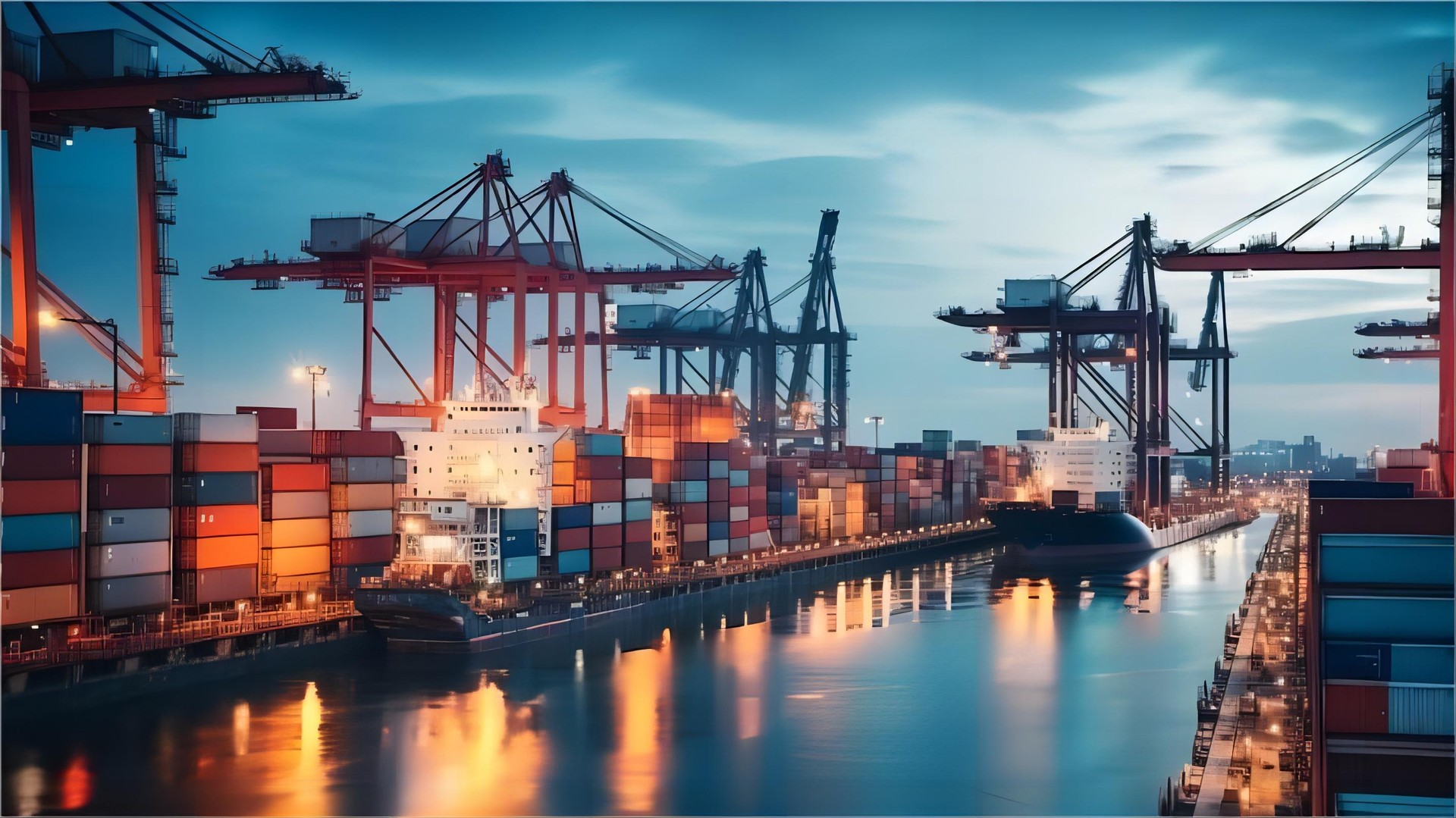
Consider sea freight as your primary solution for large-scale shipments or heavy machinery. This method offers the lowest cost per unit, although it requires significantly longer transit times. Moreover, businesses must decide between Full Container Load (FCL) and Less than Container Load (LCL) based on their specific volume requirements.
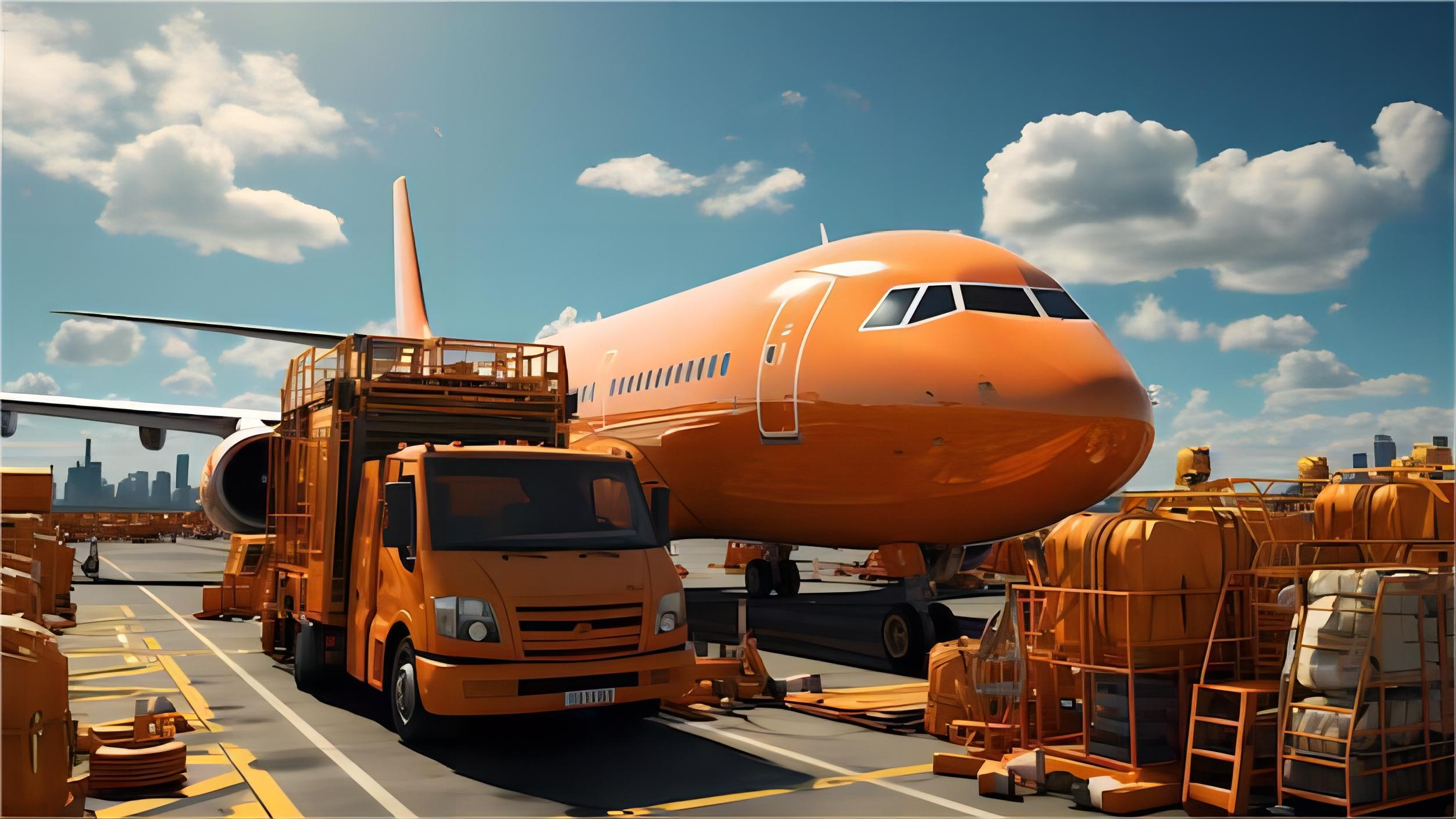
Alternatively, air freight serves as the fastest way to bridge the gap between Chinese factories and Papeete. Although it carries a higher price tag, the speed and security it provides are unmatched for electronics, pharmaceuticals, or urgent spare parts. Furthermore, air cargo reduces the need for extensive warehousing and inventory holding costs.
| Method | Transit Time | Cost Level | Best For |
|---|---|---|---|
| Sea Freight (FCL) | 30-45 Days | Low | Bulk Goods |
| Sea Freight (LCL) | 40-55 Days | Moderate | Small Batches |
| Air Freight | 5-9 Days | High | Urgent Cargo |
| Express Service | 3-5 Days | Very High | Samples/Docs |
Ocean Freight: FCL vs LCL
Full Container Load (FCL) shipping involves renting an entire 20ft or 40ft container for your goods alone. This approach is generally safer and faster because the container remains sealed from the point of origin until it reaches the destination. Meanwhile, Less than Container Load (LCL) allows multiple shippers to share space in a single container, making it ideal for smaller volumes.
Smaller businesses often prefer LCL to maintain cash flow while still benefiting from ocean freight pricing. However, LCL involves more handling and longer processing times at consolidation hubs in major Chinese ports like Shanghai or Shenzhen. Therefore, you should calculate whether the volume of your cargo justifies the fixed cost of an FCL container.
How Does Sea Freight Compare to Other Shipping Options?
Evaluating the landscape of South Pacific logistics reveals that sea freight remains the backbone of trade for any freight forwarder China French Polynesia. While other regions might utilize rail networks, the maritime nature of French Polynesia excludes rail as a direct option. Consequently, the comparison focuses strictly on ocean, air, and hybrid solutions.
Ocean freight costs significantly less than air alternatives, often saving companies thousands of dollars on large shipments. For example, shipping a 40HQ container might cost between $3,500 and $5,000, whereas the same volume via air would be prohibitively expensive. Nevertheless, the trade-off is a transit time that can exceed six weeks depending on transshipment points.
Hybrid solutions like sea-air services are occasionally available via hubs like Singapore or Los Angeles. These strategies aim to balance cost and speed by using ships for the long haul and planes for the final leg. However, for the China-Tahiti route, direct ocean services or standard air freight remain the most reliable choices for most importers.
| Strategy | Cost Range | Transit Time | Key Limitation |
|---|---|---|---|
| Direct Ocean | $2,500-$4,200 | 30-35 Days | Fixed Schedules |
| Transshipment | $2,000-$3,500 | 40-50 Days | Delay Risk |
| Standard Air | $6-$12 per kg | 7-10 Days | Volume Limits |
| Express Couriers | $15-$25 per kg | 3-5 Days | High Expense |
Essential Customs Brokerage and Import Documentation
Navigating the bureaucratic requirements of French Polynesia is a critical task for any importer. Because the territory has specific tax structures like the ‘Taxe de Mise en Consommation’, accurate documentation is non-negotiable. Utilizing a professional customs brokerage service ensures that your cargo does not get stuck at the Port of Papeete.
Standard documentation includes the Commercial Invoice, Packing List, and the Bill of Lading or Air Waybill. Additionally, certain products such as food or chemicals may require specific certificates of origin or sanitary permits. Consequently, failing to provide these documents can lead to expensive demurrage charges and lengthy delays.
Customs officials in 2026 have increased their focus on digital filings and compliance with environmental standards. Therefore, your freight forwarder China French Polynesia must be adept at using the latest electronic data interchange systems. Indeed, proactive preparation of paperwork is the most effective way to minimize landed costs.
Required Document Checklist
Every shipment must be accompanied by a detailed commercial invoice stating the value and description of goods in French or English. Moreover, the packing list should clearly identify the contents of each crate or pallet to facilitate physical inspections. Finally, ensure that the Bill of Lading matches the physical cargo to avoid discrepancies during the clearance process.
Which Option Should You Choose for Your Business?
Choosing between logistics options requires a clear understanding of your business priorities and inventory cycles. If your primary goal is to minimize expenditure and you have flexible lead times, sea freight is the logical choice. Conversely, businesses dealing with seasonal trends or perishable items must prioritize speed through air transport.
Budget-conscious shippers should aim for FCL whenever possible to achieve the lowest shipping rates per cubic meter. For shipments under 15 CBM, LCL is typically more economical, though it requires better planning for the longer transit window. Additionally, always factor in the ‘total landed cost’ which includes duties, taxes, and local delivery fees.
Volume thresholds often dictate the switch from one method to another. Generally, if your shipment weighs more than 500kg, sea freight becomes significantly more cost-effective than air. For very small parcels or urgent documents, express service providers offer the best reliability and tracking capabilities.
Case Studies: Real-World Shipping Scenarios
Examining real-world examples helps illustrate the practical challenges and costs associated with this specific trade route. These cases reflect typical market conditions observed in early 2026. Each scenario highlights how a freight forwarder China French Polynesia manages different cargo types and priorities.
Case Study 1: Solar Panel Installation. A construction firm needed to move a large volume of solar panels from Ningbo to a project site in Moorea. They chose FCL shipping to ensure the fragile panels remained untouched during transit. By utilizing a 40HQ container, they optimized their space and reduced the per-unit shipping cost significantly.
Case Study 2: Boutique Fashion Launch. A retail brand in Papeete required a new collection from a manufacturer in Guangzhou within two weeks. Given the tight deadline, they opted for air freight. Although the cost was higher, the rapid delivery allowed them to meet their marketing launch date and capture seasonal sales.
Case Study 1: Industrial Equipment
Route: Shanghai, China to Papeete, French Polynesia. Cargo: Machinery parts, 18 CBM, 4,200 kg. Container: 20GP Full Container. Shipping Details: Direct ocean service via major carrier. Sea Transit: 34 days. Total Landed Cost: $4,150. Key Insight: Choosing FCL for an 18 CBM load provided better security than LCL at a similar price point.
Case Study 2: Consumer Electronics
Route: Shenzhen, China to Faa’a Airport, Tahiti. Cargo: Smartphones and tablets, 2 CBM, 450 kg. Shipping Method: Air Freight. Transit Time: 8 days door-to-door. Total Landed Cost: $5,800. Key Insight: High-value electronics justified the premium air freight cost to reduce theft risk and inventory lag.
Door to Door Logistics and Final Mile Delivery
Successful importing does not end when the ship docks at the harbor; the final mile is often the most complex. A comprehensive door to door service manages every step from the factory floor in China to your warehouse in Tahiti. This seamless integration reduces the administrative burden on your staff and minimizes the risk of communication gaps.
Local delivery in French Polynesia can be challenging due to the geography of the archipelago. While Papeete is the main hub, moving goods to outer islands like Bora Bora or Raiatea requires additional coastal shipping or small aircraft. Consequently, your forwarder must have a strong local network to coordinate these secondary legs efficiently.

Tracking technology has become a standard requirement for modern logistics in 2026. Most professional forwarders now provide real-time updates through digital platforms, allowing you to monitor your cargo’s progress across the Pacific. Furthermore, this transparency helps you manage customer expectations and plan your local operations more effectively.
How to Reduce Shipping Costs in 2026
Reducing your logistics expenses requires a combination of strategic planning and carrier negotiation. One of the most effective methods is to consolidate shipments from multiple suppliers into a single FCL container. Moreover, booking your shipments at least 3-4 weeks in advance can help you secure lower ‘early bird’ rates from carriers.
Avoid peak seasons if your schedule allows, as rates typically spike before the Chinese New Year and during the Q4 holiday rush. During these periods, space becomes limited and surcharges increase significantly. Additionally, optimizing your packaging to reduce wasted volume can lead to substantial savings, especially in LCL and air freight.
Global trade patterns also influence costs for other regions we serve, including Australia, Europe, and North America. By understanding these broader trends, you can better anticipate price fluctuations in the South Pacific market. Finally, always request a detailed quote that breaks down all potential surcharges to avoid hidden fees.
Mastering Logistics with a Freight Forwarder China French Polynesia
Successfully managing international trade between China and French Polynesia requires a deep understanding of maritime routes, air cargo capacity, and local customs laws. Whether you prioritize the cost-effectiveness of sea freight or the rapid speed of air transport, selecting a knowledgeable partner is essential. By following the strategies outlined in this guide, businesses can navigate the complexities of 2026 logistics with confidence.
Remember that the cheapest option is not always the best if it results in delays or damaged goods. Focus on reliability, transparent communication, and comprehensive service coverage. As a leading freight forwarder China French Polynesia, we are committed to helping your business grow by providing world-class shipping solutions that bridge the distance across the Pacific.
Ready to streamline your logistics?
Streamline your South Pacific supply chain today with a professional freight forwarder China French Polynesia. Contact our expert team at DSV-Freight to receive a customized 2026 shipping quote tailored to your business needs. Visit our website to start your inquiry: Visit https://toplogisticslt.com/
Request Quote