

China to Fiji Container Shipping Rates: 2026 Freight Cost Guide
Navigating the complexities of international trade requires a clear understanding of costs and logistics. For businesses looking to import goods, finding competitive china to fiji container shipping rates is essential for maintaining healthy profit margins. This guide provides a comprehensive breakdown of current freight prices, transit schedules, and expert tips for 2026. Furthermore, we examine the latest market trends to help you optimize your supply chain and reduce unnecessary expenses.
What Are the Current China to Fiji Container Shipping Rates in 2026?
Current market conditions in 2026 show a stabilization in the South Pacific trade lanes after the fluctuations of previous years. Importers should expect to pay between $1,500 and $3,500 for standard containers depending on the specific Chinese port of origin and the chosen service level. These prices reflect the latest fuel surcharges and port efficiency metrics observed in early 2026. Furthermore, the demand for consumer goods in Fiji continues to drive consistent vessel rotations from major hubs like Shanghai and Shenzhen.
Specifically, the ocean freight costs to Suva are influenced by seasonal demand and carrier capacity. During the peak season from August to October, rates typically increase by 15-25% due to higher volumes. Consequently, booking your shipment at least 3-4 weeks in advance is recommended to secure the best possible pricing. Moreover, choosing a reliable freight forwarder can provide access to negotiated contract rates that are not available to the general public.
Note: Freight rates are subject to change based on fuel costs, carrier capacity, and seasonal demand. Contact us for a current quote tailored to your specific shipment.
FCL vs LCL: Determining the Best Method for Your Cargo
Choosing between Full Container Load (FCL) and Less than Container Load (LCL) is a primary decision for any importer. For shipments exceeding 15 cubic meters, sea freight in the form of a 20ft container is usually the most cost-effective option. This method provides exclusive use of the container, which reduces the risk of damage and simplifies the loading process. Additionally, FCL shipments generally experience faster transit times because they do not require consolidation at the port of origin.
On the other hand, LCL shipping from Shanghai to Fiji is ideal for smaller volumes that do not justify the cost of a full container. You only pay for the space you occupy, which is measured in cubic meters (CBM). However, LCL shipments often involve more handling and longer transit times due to the consolidation and deconsolidation phases. Therefore, businesses must weigh the cost savings against the potential for slight delays in delivery schedules.
| Shipping Method | Average Cost (2026) | Best For | Transit Time |
|---|---|---|---|
| 20GP FCL | $1,600 – $2,200 | Heavy/Bulk Cargo | 18-25 Days |
| 40HQ FCL | $2,800 – $3,800 | High Volume Goods | 18-25 Days |
| LCL (per CBM) | $140 – $220 | Small Shipments | 25-35 Days |
How Does Sea Freight Compare to Other Shipping Options?
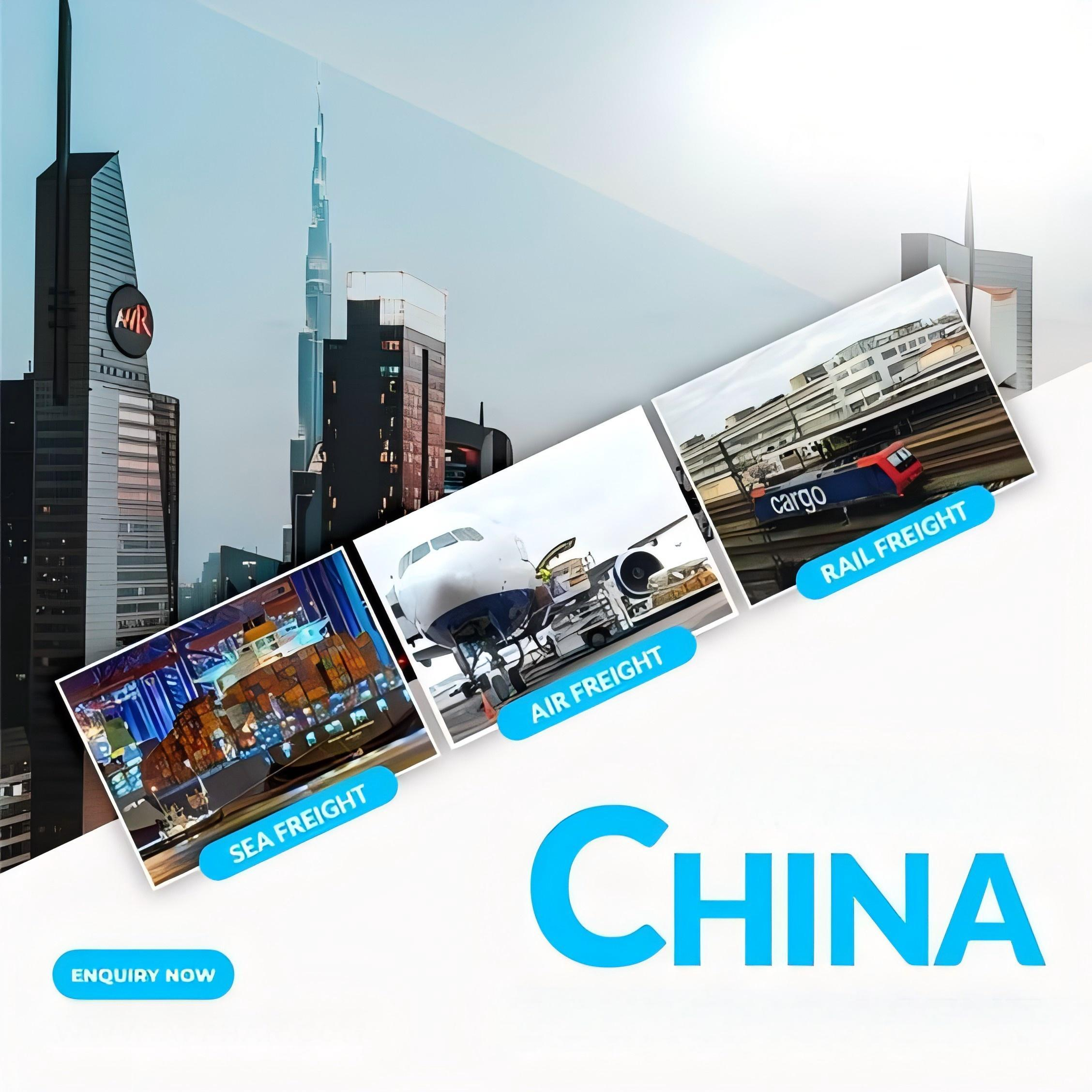
While ocean transport is the backbone of Fiji trade, comparing it to other modes like air freight is necessary for time-sensitive cargo. Air transport offers the fastest delivery, typically reaching Fiji within 3 to 7 days, but at a significantly higher price point. Specifically, air freight costs are calculated based on weight or volume, making it expensive for heavy items. Consequently, most businesses reserve air shipping for urgent spare parts, electronics, or medical supplies.
In contrast, sea freight remains the dominant choice for machinery, furniture, and construction materials due to its high weight capacity. Although the transit time is longer, the cost per unit is significantly lower, which is vital for maintaining competitive retail prices in Fiji. Furthermore, sea transport is more environmentally friendly, producing fewer emissions per ton of cargo compared to air alternatives. Importers must therefore balance their need for speed with their budgetary constraints when selecting a shipping method.
| Shipping Method | Cost Range | Transit Time | Best For |
|---|---|---|---|
| Sea Freight | $1,500 – $3,800 | 20-30 Days | Bulk/Large Goods |
| Air Freight | $6,000 – $15,000 | 3-7 Days | Urgent/High Value |
| Courier/Express | $15 – $25 per kg | 3-5 Days | Samples/Docs |
Key Factors Influencing Your Shipping Costs
Several variables determine the final China to Fiji container shipping rates you will pay. Fuel prices, often referred to as the Bunker Adjustment Factor (BAF), fluctuate based on global oil markets and directly impact carrier surcharges. Additionally, port congestion at major hubs like Ningbo or Shanghai can lead to unexpected delays and additional storage fees. Consequently, staying informed about global logistics trends is essential for accurate budgeting.
Moreover, the specific port of discharge in Fiji plays a role in the total landed cost. Shipping to the Port of Suva is generally more frequent and competitive than shipping to Lautoka, although the latter may be closer to your final destination. In addition, the type of cargo you are transporting, such as hazardous materials or refrigerated goods, requires specialized handling and equipment. Therefore, always provide detailed cargo specifications when requesting a quote to avoid hidden charges.
Navigating Fiji Customs and Documentation Requirements
Successful importing requires a thorough understanding of customs brokerage procedures in Fiji. Every shipment must be accompanied by a commercial invoice, a detailed packing list, and a Bill of Lading. Furthermore, Fiji customs authorities require a Certificate of Origin to determine the eligibility for preferential tariff rates under regional trade agreements. Accuracy in these documents is paramount, as errors can lead to lengthy delays and heavy fines at the border.
Additionally, certain items like agricultural products or chemicals may require import permits from specific Fijian government agencies. Consequently, we recommend consulting with a local expert before your goods depart from China. This proactive approach ensures that all regulatory requirements are met, allowing for a smooth clearance process upon arrival. Notably, the Fiji Revenue and Customs Service (FRCS) has digitized many processes in 2026, which has improved efficiency for compliant importers.
Effective Strategies to Lower Your Total Shipping Costs
Reducing your logistics expenses requires a strategic approach to planning and execution. One effective method is to utilize a door to door service, which consolidates various costs into a single, manageable rate. This often eliminates the need for multiple intermediaries and reduces the risk of administrative errors. Furthermore, optimizing your packaging to maximize container space can significantly lower your LCL costs per cubic meter.
Another strategy involves timing your shipments to avoid the peak season surcharges that occur late in the year. If your inventory levels allow, shipping during the first or second quarter of 2026 can yield substantial savings on ocean freight. Additionally, consolidating multiple small orders into a single FCL shipment can be much cheaper than paying for multiple LCL consignments. Finally, always compare quotes from several freight forwarders to ensure you are receiving the most competitive market rate.
Real-World Case Studies: China to Fiji Logistics Success
Case Study 1: Electronics from Shenzhen to Suva. Route: Shenzhen to Suva. Cargo: Consumer Electronics, 15 CBM, 4500 kg. Container: 20GP. Shipping Details: Carrier: Major Carrier. Port of Loading: Shenzhen. Port of Discharge: Suva. Route Type: Direct. Cost Breakdown: Ocean Freight: $1,650. Origin Charges: $450. Destination Charges: $400. Customs: $550. Total Landed Cost: $3,050. Timeline: Booking to Loading: 4 days. Sea Transit: 22 days. Customs Clearance: 3 days. Total Door-to-Door: 29 days. Key Insight: Early booking during the 2026 Q1 period secured a lower rate before the seasonal peak.
Case Study 2: Furniture from Foshan to Lautoka. Route: Guangzhou to Lautoka. Cargo: Home Furniture, 8 CBM, 1200 kg. Container: LCL. Shipping Details: Carrier: Regional Specialist. Port of Loading: Guangzhou. Port of Discharge: Lautoka. Route Type: Transshipment via Singapore. Cost Breakdown: Ocean Freight: $1,280. Origin Charges: $300. Destination Charges: $350. Customs: $400. Total Landed Cost: $2,330. Timeline: Booking to Loading: 6 days. Sea Transit: 28 days. Customs Clearance: 4 days. Total Door-to-Door: 38 days. Key Insight: Utilizing LCL allowed the small business to maintain stock without the expense of a full container.
Case Study 3: Solar Panels from Ningbo to Suva. Route: Ningbo to Suva. Cargo: Renewable Energy Equipment, 55 CBM, 12000 kg. Container: 40HQ. Shipping Details: Carrier: Global Carrier. Port of Loading: Ningbo. Port of Discharge: Suva. Route Type: Direct. Cost Breakdown: Ocean Freight: $3,100. Origin Charges: $600. Destination Charges: $550. Customs: $800. Total Landed Cost: $5,050. Timeline: Booking to Loading: 5 days. Sea Transit: 24 days. Customs Clearance: 2 days. Total Door-to-Door: 31 days. Key Insight: Direct routing minimized the risk of damage for sensitive solar components during transshipment.
Which Option Should You Choose? A Decision Framework
Selecting the right shipping strategy depends on your specific business priorities and cargo characteristics. If your primary goal is cost minimization and you have large volumes, FCL sea freight is the undisputed winner. However, if you are shipping smaller quantities or testing a new market, LCL provides the flexibility you need without a massive upfront investment. Importers should also consider regional trends, such as shipping from China to Australia, as these routes often share the same vessel networks.
Budget priority: Choose Sea Freight FCL for the lowest cost per unit. Speed priority: Choose Air Freight for delivery within a week. Small volume: Choose LCL to pay only for the space you use. High-value/Fragile: Choose FCL or Air Freight to minimize handling. By applying this framework, you can make informed decisions that align with your 2026 business objectives and ensure a reliable supply chain from China to Fiji.
Final Thoughts on Shipping from China to Fiji
Mastering the nuances of china to fiji container shipping rates is a critical skill for any successful importer in 2026. By understanding the differences between FCL and LCL, navigating customs requirements, and implementing cost-saving strategies, you can significantly improve your bottom line. Furthermore, staying updated on market trends and working with experienced partners will help you overcome the challenges of international logistics.
Whether you are shipping electronics, furniture, or industrial machinery, the right transport strategy ensures your goods arrive safely and on time. We encourage you to use the data and frameworks provided in this guide to plan your next shipment with confidence. Remember that consistency and proactive communication with your freight forwarder are the keys to long-term success in the Fiji trade route.
Need a tailored shipping solution?
Ready to optimize your supply chain with the most competitive china to fiji container shipping rates? Our team of logistics experts is standing by to provide you with a customized quote and professional guidance for your 2026 shipments. Visit our homepage to start your inquiry today and experience seamless international shipping.