


China to Fiji Cargo Service: 2026 Shipping Rates and Logistics Guide
Successfully managing a china to fiji cargo service requires a strategic approach to Pacific logistics and international trade regulations. As global markets evolve in 2026, businesses must prioritize reliability and cost-efficiency to remain competitive in the Fijian marketplace. You can streamline your entire supply chain by partnering with an experienced provider like Toplogisticslt for all your shipping needs.

How Does Sea Freight Compare to Other Shipping Options?
Choosing the right china to fiji cargo service depends heavily on your specific budget and delivery timeline requirements. Sea freight remains the most popular choice for bulk commodities and large machinery due to its superior cost-efficiency. However, air freight offers unmatched speed for high-value electronics or urgent medical supplies that need to reach Suva or Nadi quickly.
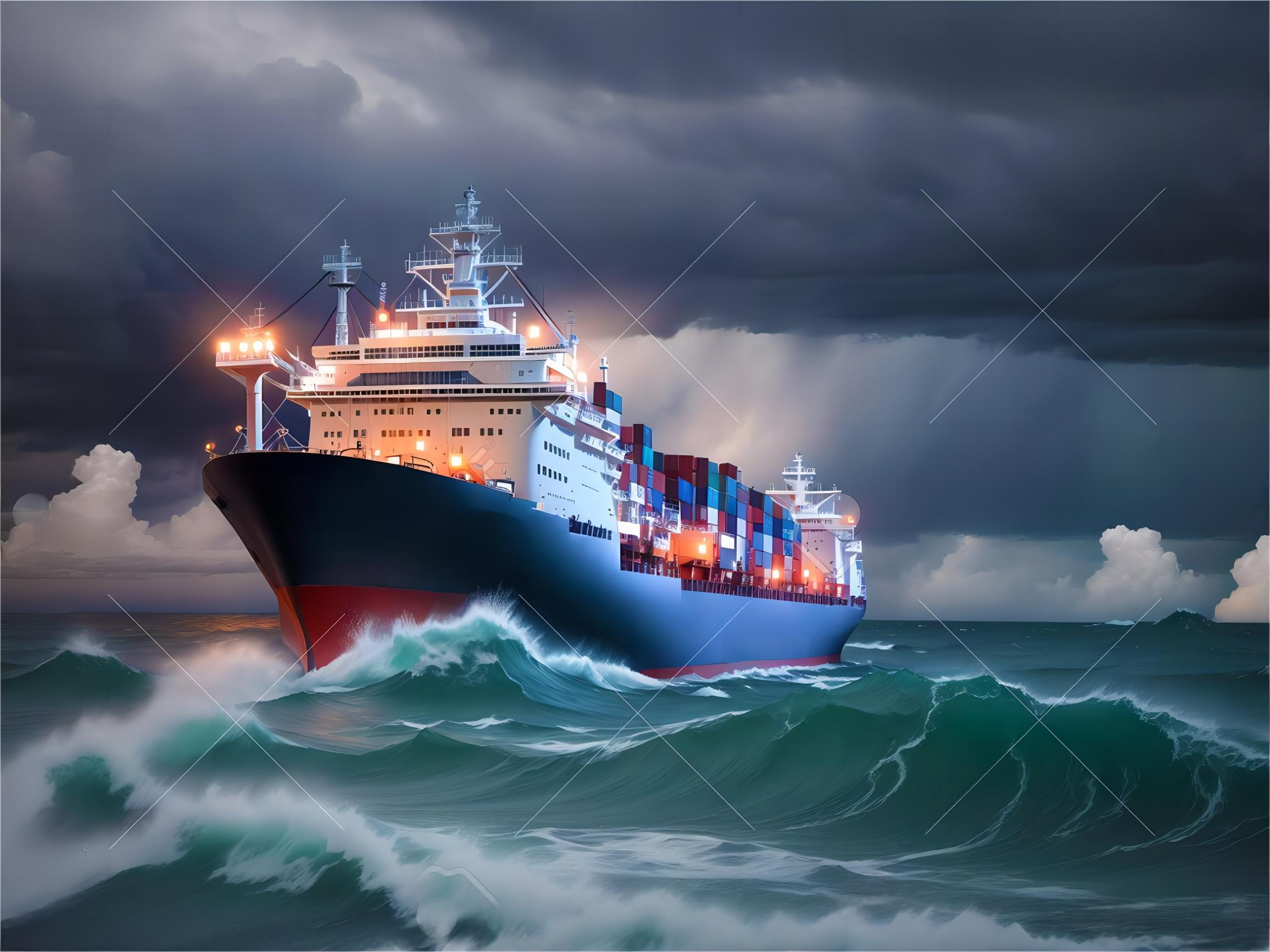
Moreover, the lack of rail infrastructure between these regions means that sea and air are the only viable primary transport modes. Consequently, shippers must decide between Full Container Load (FCL) and Less than Container Load (LCL) when opting for ocean transport. FCL provides exclusive use of a container, whereas LCL allows you to share space and costs with other importers.
In addition, hybrid solutions like sea-air combinations are gaining traction in 2026 to balance costs and speed. For instance, cargo might be shipped via sea to a major hub like Sydney before being flown to Fiji. This approach can often save up to 30 percent compared to pure air freight while arriving much faster than standard ocean routes.
| Sea Freight (FCL) | $1,800 – $2,900 | 22 – 30 Days | Bulk Goods |
| Sea Freight (LCL) | $80 – $150/CBM | 25 – 35 Days | Small Pallets |
| Air Freight | $4.50 – $8.50/kg | 3 – 7 Days | Urgent Items |
| Express Courier | $9.00 – $15.00/kg | 2 – 4 Days | Documents/Samples |
What are the Primary Sea Freight Routes to Fiji?
Utilizing a professional sea freight service is the backbone of Fiji’s import economy. Most shipments originate from major Chinese hubs such as Shanghai, Ningbo, and Shenzhen. These ports offer frequent departures and competitive freight rates due to the high volume of trade between the two nations.
Furthermore, the primary ports of discharge in Fiji are Suva and Lautoka. Suva serves as the main commercial gateway, while Lautoka is essential for the western side of Viti Levu. Transit times typically vary based on whether the vessel is direct or involves transshipment in hubs like Busan or Singapore.
Meanwhile, market data from early 2026 suggests that direct routes have become more frequent to meet rising demand. Shippers should account for seasonal weather patterns in the Pacific which can occasionally impact delivery schedules. Planning your shipments at least four weeks in advance is highly recommended during the peak Q4 season.
When Should You Choose Air Freight for Fiji Cargo?
If your business operates on tight deadlines, air freight is the most effective solution for your china to fiji cargo service. This method significantly reduces the risk of damage or theft for sensitive items. Indeed, the speed of air transport allows for much lower inventory carrying costs for high-value merchandise.
Additionally, Nadi International Airport acts as the primary hub for air cargo entering the country. Most international carriers operate regular flights from Guangzhou and Hong Kong into Nadi. From there, goods are distributed via local networks to Suva or other islands within the archipelago.
Nevertheless, the cost per kilogram for air transport is substantially higher than ocean freight. Therefore, businesses usually reserve this method for spare parts, fashion items, or perishable goods. It is vital to compare current market rates as fuel surcharges can fluctuate monthly in 2026.
Understanding Customs Brokerage and Regulations in Fiji
Navigating the complexities of Fiji Revenue and Customs Service (FRCS) requires specialized knowledge. Engaging a reliable customs brokerage professional can prevent costly delays and ensure compliance with all local laws. Specifically, you must provide accurate commercial invoices and detailed packing lists for every shipment.
Furthermore, Fiji has specific biosecurity requirements to protect its unique ecosystem. All wooden packaging materials must be treated and marked according to ISPM 15 standards. Failure to comply with these regulations can result in immediate quarantine or expensive fumigation fees at the port of entry.
Consequently, it is essential to classify your goods correctly using the Harmonized System (HS) codes. This classification determines the applicable import duties and Value Added Tax (VAT) rates. Professional forwarders will help you calculate these landed costs before your cargo even leaves China.
| Commercial Invoice | Customs | Valuation | Digital/Original |
| Packing List | Port Authority | Cargo Audit | Digital/Original |
| Bill of Lading | Carrier | Title of Goods | Original/Telex |
| Certificate of Origin | Customs | Duty Preference | Official Form |
The Benefits of Door to Door Logistics Solutions
Many modern businesses prefer a comprehensive door to door service to simplify their operations. This model covers every step of the journey from the supplier’s warehouse in China to the final destination in Fiji. By using a single point of contact, you reduce the risk of communication errors between different logistics providers.
Moreover, this integrated approach often includes inland trucking, export clearance, ocean freight, and final delivery. This is particularly beneficial for companies without dedicated logistics departments. It allows business owners to focus on sales and marketing rather than tracking individual containers across the ocean.
Indeed, the transparency provided by door-to-door services is invaluable in 2026. Real-time tracking technologies allow you to monitor your china to fiji cargo service at every milestone. As a result, you can provide your customers with accurate delivery estimates and improve overall satisfaction.
Which Option Should You Choose for Your Cargo?
Determining the best shipping strategy requires a careful analysis of your volume and budget. If your shipment is over 15 cubic meters, FCL sea freight is almost always the most economical choice. Conversely, for smaller volumes, LCL allows you to benefit from sea freight rates without needing to fill an entire container.
Additionally, you should consider the urgency of the shipment. If the goods are needed for a specific project launch, the higher cost of air freight may be justified by the time saved. Meanwhile, for routine inventory replenishment, a well-planned sea freight schedule is the most sustainable approach for your bottom line.
Notably, many shippers are now looking at regional hubs. For instance, comparing the costs of shipping from China to Australia versus direct Fiji routes can sometimes reveal cost-saving transshipment opportunities. Always consult with your freight forwarder to explore these alternative logistics strategies.
Case Studies: Successful Shipments to Suva and Lautoka
Real-world examples illustrate the efficiency of a well-managed china to fiji cargo service. These cases highlight the importance of proper planning and choosing the right transport mode for specific product types. Below are two scenarios based on typical 2026 market conditions and logistics patterns.
Case Study 1: Solar Panel Installation in Suva. Route: Ningbo, China to Suva, Fiji. Cargo: Solar panels and inverters, 28 CBM, 4,500 kg. Container: 20GP Full Container. Shipping Details: Major carrier via direct route. Ocean Freight: $2,100. Origin Charges: $350. Destination Charges: $420. Customs and Duties: $1,100. Total Landed Cost: $3,970. Timeline: 25 days door-to-door. Key Insight: Direct shipping prevented handling damage to fragile panels.
Case Study 2: Boutique Fashion Apparel. Route: Guangzhou, China to Nadi, Fiji. Cargo: High-end garments, 1.5 CBM, 320 kg. Container: LCL Shipment. Shipping Details: Transshipment via Singapore. Ocean Freight: $240. Origin Charges: $180. Destination Charges: $210. Customs and Duties: $650. Total Landed Cost: $1,280. Timeline: 32 days door-to-door. Key Insight: LCL provided the most cost-effective solution for a small-scale retail business.
Cost-Saving Strategies for Fiji Importers in 2026
Reducing your overall shipping expenditure requires more than just finding the lowest freight rate. For example, optimizing your packaging can significantly reduce the volume of LCL shipments, directly lowering your costs. Furthermore, consolidating multiple small orders from different Chinese suppliers into one FCL container can save thousands in documentation fees.
In addition, staying informed about seasonal rate fluctuations is crucial. Freight rates typically spike during the months leading up to the Chinese New Year and the year-end holiday season. By scheduling your shipments during off-peak periods, you can often secure much lower rates and better vessel availability.
Finally, always request a comprehensive quote that includes all potential surcharges. Hidden fees like port congestion surcharges or fuel adjustment factors can quickly inflate your budget. A transparent china to fiji cargo service provider will provide a detailed breakdown of all costs upfront.
Mastering Your Logistics from China to Fiji
To summarize, navigating the china to fiji cargo service landscape in 2026 demands a balance of speed, cost, and regulatory compliance. Whether you choose the massive capacity of sea freight or the rapid transit of air cargo, success depends on meticulous planning and expert partnership.
Furthermore, understanding the nuances of Fiji’s customs regulations and port operations will prevent unnecessary delays. By implementing the strategies discussed in this guide, you can build a resilient and efficient import operation that supports your business growth. Trust in professional logistics solutions to bridge the gap between Chinese manufacturing and the Fijian market.

Get Your Shipping Quote Today
Ready to optimize your supply chain with a reliable china to fiji cargo service? Our expert team is standing by to provide you with a customized quote and professional logistics advice. Contact us today to ensure your next shipment arrives safely and on time. Send Inquiry: https://toplogisticslt.com/
Request Quote