

Cheap Shipping from China by Sea Italy: A 2025 Comprehensive Guide
Finding cheap shipping from China by sea Italy is a critical objective for businesses aiming to optimize their global supply chain and reduce overhead costs. By collaborating with an experienced logistics partner like TopLogisticsLT, importers can access competitive rates while ensuring their cargo moves efficiently across international waters. This guide explores the essential factors that influence maritime freight pricing and provides actionable strategies to help you secure the most economical shipping solutions for your Italian business operations.

How Does Cheap Shipping from China by Sea Italy Compare to Other Shipping Options?
Specifically, evaluating different transportation modes is necessary to determine if sea freight is truly the best fit for your specific cargo needs. While ocean transport is generally the most cost-effective method for large volumes, other alternatives like air or rail might be more suitable depending on your deadlines. Consequently, understanding the trade-offs between speed and cost allows you to make an informed decision that aligns with your business goals.
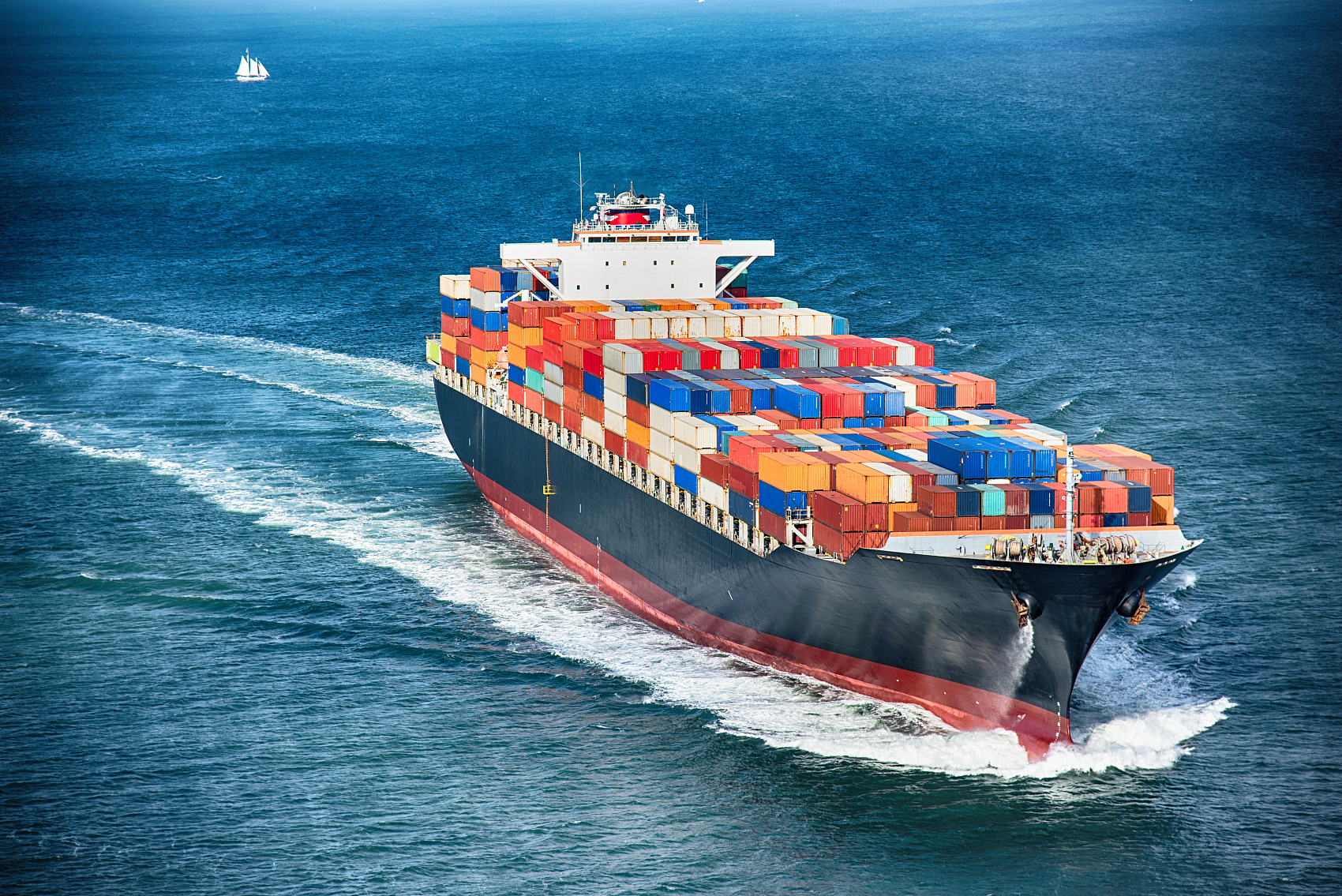
Moreover, sea freight offers a massive capacity advantage that air freight simply cannot match, especially for bulky or heavy items. In contrast, rail freight serves as a middle ground, offering faster transit times than the sea but at a higher price point. Therefore, businesses must weigh the urgency of their inventory needs against the potential savings offered by maritime routes.
Additionally, hybrid solutions such as sea-air combinations can sometimes provide a balance of speed and economy for specific logistics scenarios. However, for the majority of large-scale imports, the traditional sea route remains the champion of affordability. You should consider the following comparison to see how these methods stack up against each other in the current market.
| Shipping Method | Cost Range (USD) | Transit Time | Best For |
|---|---|---|---|
| Sea Freight (FCL) | $2,000 – $4,200 | 30 – 40 Days | Large Bulk Shipments |
| Air Freight | $8,000 – $15,000+ | 5 – 8 Days | High-Value Goods |
| Rail Freight | $4,000 – $6,500 | 18 – 25 Days | Mid-Urgency Cargo |
| Express Courier | $15,000+ | 3 – 5 Days | Small Samples |
Understanding FCL and LCL for Sea Freight to Italy
Choosing between Full Container Load (FCL) and Less than Container Load (LCL) is a fundamental step in securing sea freight services. Specifically, FCL involves renting an entire container for your goods, which is ideal for shipments exceeding 15 cubic meters. Consequently, this method often results in a lower cost per unit and faster handling since the container remains sealed from the origin to the destination.
On the other hand, LCL allows multiple shippers to share space within a single container, making it a viable option for smaller volumes. Although the cost per cubic meter is higher in LCL, the total price is usually lower for small batches of goods. Furthermore, LCL requires more handling at consolidation hubs, which can slightly increase the risk of delays or minor damage during transit.
Indeed, businesses should calculate their total volume carefully before deciding on a specific container type. If your shipment is close to the threshold of a full container, upgrading to FCL might actually save money by eliminating consolidation fees. Meanwhile, small startups often find LCL to be the perfect entry point for testing new products in the Italian market.
Factors Influencing Cheap Shipping from China by Sea Italy
Several variables impact the final price you pay for ocean transport, ranging from fuel surcharges to seasonal demand spikes. For instance, the peak season from August to October often sees a significant rise in rates as retailers prepare for the holiday rush. Additionally, geopolitical events and port congestion can cause unexpected fluctuations in the global shipping market.
Specifically, the choice of departure and arrival ports plays a major role in determining the overall transit cost. Shipping from major hubs like Shanghai or Shenzhen to large Italian ports like Genoa or Trieste is generally cheaper due to higher vessel frequency. Consequently, smaller or more remote ports may involve additional feeder vessel costs and longer waiting times.
Furthermore, the type of goods being shipped can influence the requirements for specialized equipment, such as refrigerated containers for perishable items. As a result, standard dry cargo is almost always the cheapest to move. Importers should also stay informed about current bunker adjustment factors (BAF) which carriers apply to account for fuel price volatility.
| Port of Loading | Port of Discharge | Avg. Transit Time | Typical 40HQ Rate |
|---|---|---|---|
| Shanghai | Genoa | 32 Days | $3,200 – $4,000 |
| Shenzhen | Naples | 35 Days | $3,100 – $3,900 |
| Ningbo | Trieste | 30 Days | $3,300 – $4,100 |
| Qingdao | Venice | 38 Days | $3,400 – $4,200 |
Strategies for Securing Cheap Shipping from China by Sea Italy
Implementing smart logistics strategies can lead to substantial savings over the long term for your import business. One effective approach is to book your shipments at least 3-4 weeks in advance to secure better rates and guaranteed space on vessels. Moreover, consolidating multiple small orders into a single FCL shipment can drastically reduce your per-unit logistics expenses.
Another vital strategy involves optimizing your packaging to maximize the use of available container space. Specifically, reducing empty space within boxes and pallets ensures you are not paying to ship air. Furthermore, negotiating Incoterms like FOB (Free On Board) allows you to maintain better control over the ocean freight portion of the journey, often leading to lower costs than CIF (Cost, Insurance, and Freight).
Additionally, utilizing door to door services can simplify the process and sometimes offer bundled discounts. By streamlining the entire journey from the factory floor to your warehouse, you minimize the number of intermediaries taking a cut. Consequently, this integrated approach often results in a more predictable and transparent pricing structure.
Navigating Customs and Documentation in Italy
Accurate documentation is essential to avoid costly delays and fines at the Italian border during the import process. Specifically, you must ensure that your commercial invoice, packing list, and Bill of Lading are all perfectly aligned with the actual cargo. Furthermore, obtaining a professional customs brokerage service can help you navigate the complexities of EU trade regulations and VAT requirements.
Moreover, understanding the specific HS codes for your products is crucial for calculating the correct import duties and taxes. Incorrect classification can lead to overpayment or legal issues with the Italian Customs Agency. Therefore, investing time in proper classification during the planning stage is a wise move for any serious importer.
Indeed, certain products may require additional certifications, such as CE marking for electronics or phytosanitary certificates for agricultural goods. Without these documents, your cargo could be held at the port for weeks, incurring expensive demurrage and detention fees. As a result, proactive preparation is the best defense against unexpected logistics costs.
Real-World Case Studies of China-Italy Shipments
Reviewing actual shipping scenarios provides valuable insights into what you can expect in terms of costs and timelines. These examples reflect the current market conditions as of early 2025 and highlight the practical application of the strategies discussed above. Specifically, they demonstrate how different cargo types and volumes affect the final landed cost.
Case Study 1: Electronics from Shenzhen to Milan via Genoa. A tech distributor imported 12 CBM of consumer electronics using LCL shipping. The ocean freight cost was approximately $950, with origin and destination charges adding another $450. Transit time from the port of loading to the warehouse was 38 days, including 4 days for customs clearance. Key Insight: Choosing LCL allowed for frequent inventory replenishment without the need for a full container.
Case Study 2: Industrial Machinery from Ningbo to Naples. A manufacturing firm shipped a 40HQ container filled with factory equipment. The total ocean freight rate was $3,850 during a moderate demand period. Origin charges were $350, and Italian destination fees amounted to $500. The door-to-door transit took 34 days. Key Insight: Using FCL minimized handling risks for sensitive machinery and provided the lowest possible cost per cubic meter.
Note: Freight rates are subject to change based on fuel costs, carrier capacity, and seasonal demand. Contact us for a current quote tailored to your specific shipment.
Managing Your Budget for Cheap Shipping from China by Sea Italy
Budgeting for international logistics requires a comprehensive view of all potential costs beyond just the ocean freight rate. Specifically, you must account for insurance, trucking fees, and potential storage costs at the port. Consequently, creating a detailed landed cost model helps you determine the true profitability of your imported goods.
Furthermore, consider the impact of currency fluctuations on your shipping budget, especially when dealing with USD-denominated freight rates. Some businesses use forward contracts to lock in exchange rates and stabilize their logistics expenses. Additionally, always maintain a small contingency fund to cover unexpected events like port strikes or weather-related rerouting.
While price is important, you should also evaluate the reliability and service quality of your freight forwarder. A slightly higher rate from a reputable provider can save you thousands in the long run by preventing lost cargo or extreme delays. Therefore, the goal should be to find the best value rather than simply the lowest headline price.
Which Option Should You Choose?
Deciding on the right shipping method depends heavily on your specific business priorities and the nature of your products. If your primary goal is to minimize costs and you have flexible lead times, sea freight is undoubtedly the superior choice. However, if you are launching a time-sensitive marketing campaign, you might need to consider air freight for a portion of your stock.
For those looking for a balance between speed and cost, rail freight offers a compelling alternative for the China-Italy route. Specifically, it can cut transit times by nearly 40% compared to sea freight while remaining significantly cheaper than air transport. Ultimately, your choice should reflect a strategic assessment of your inventory turnover and customer expectations.
Importers with very large, heavy shipments should almost always stick with FCL sea freight to maximize economy. In contrast, those moving high-value, low-volume items might find that the increased security and speed of air transport justify the higher expense. Use the following criteria to guide your final decision-making process.
Budget Priority Selection
If your main concern is the bottom line, choose FCL sea freight for large volumes or LCL for smaller batches. This method provides the lowest entry cost for international trade. Always plan for a 40-day window to ensure your supply chain remains stable.
Speed Priority Selection
When time is of the essence, air freight is the only viable option to get goods from China to Italy in under 10 days. This is best for seasonal trends or emergency stock replacements. Be prepared for significantly higher shipping invoices in exchange for this rapid delivery.
Final Thoughts on Affordable China-Italy Shipping
To summarize, achieving cheap shipping from China by sea Italy requires a combination of early planning, smart container selection, and choosing the right logistics partner. By understanding the differences between FCL and LCL and staying informed about market trends, you can significantly reduce your transportation overhead. Furthermore, proper documentation and port selection play vital roles in ensuring a smooth and cost-effective import process.
Ultimately, the key to success in international trade lies in balancing cost-savings with reliability. While the sea route remains the most economical choice for the majority of goods, staying flexible with your logistics strategy allows you to adapt to changing market conditions. Start optimizing your supply chain today to enjoy the benefits of affordable maritime freight between China and Italy.

Ready to streamline your logistics?
Ready to secure the most competitive rates for your next shipment? Contact TopLogisticsLT today to get a customized quote for cheap shipping from China by sea Italy and let our experts streamline your international logistics. Visit our website to learn more about our comprehensive freight solutions.
Request Quote