

Shipping from China to Cook Islands

Services

What we do

Services

img

Sea Freight From China To Cook Islands

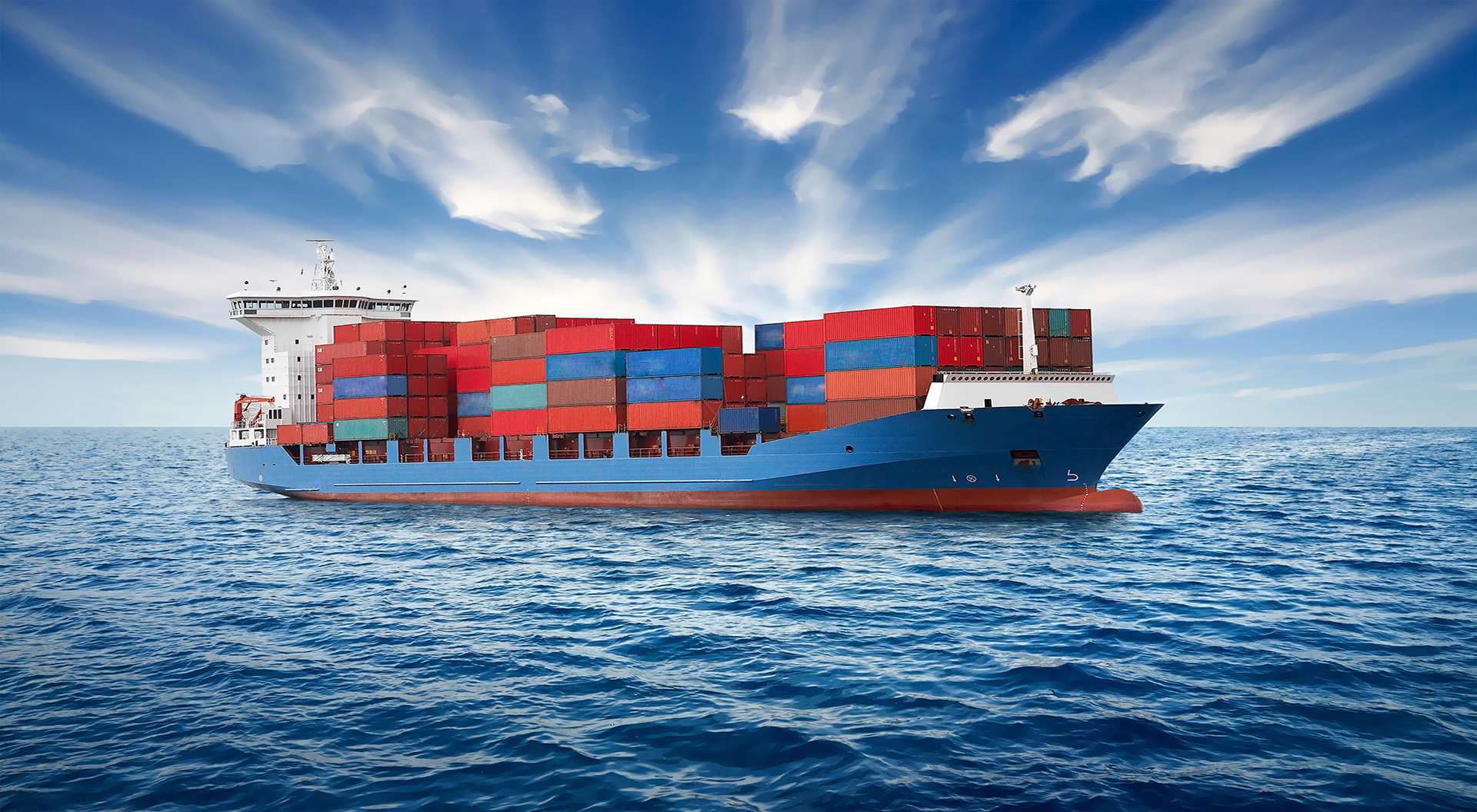
Top Logistics Ltd offers sea‑freight services from major Chinese ports including Shanghai, Ningbo, Shenzhen, Guangzhou, Qingdao, and Xiamen to the Cook Islands via hubs such as Auckland (New Zealand) and occasionally Suva (Fiji) or Papeete (Tahiti). Containers or break‑bulk cargo travel on mainline services from China to these hubs, then transfer to regional vessels calling Avatiu Harbour (Rarotonga) and, where available, outer‑island ports. We select sailings that align reliably with Pacific feeder schedules, coordinate export documentation and port handling at all stages, and negotiate realistic free‑time so containers can be unpacked without rush. Sea freight is best for building materials, timber, furniture, hotel/villa fit‑out, food and beverages in volume, vehicles and machinery (subject to local rules), and general merchandise where freight cost per cubic metre is crucial.
img

Air Freight From China To Cook Islands

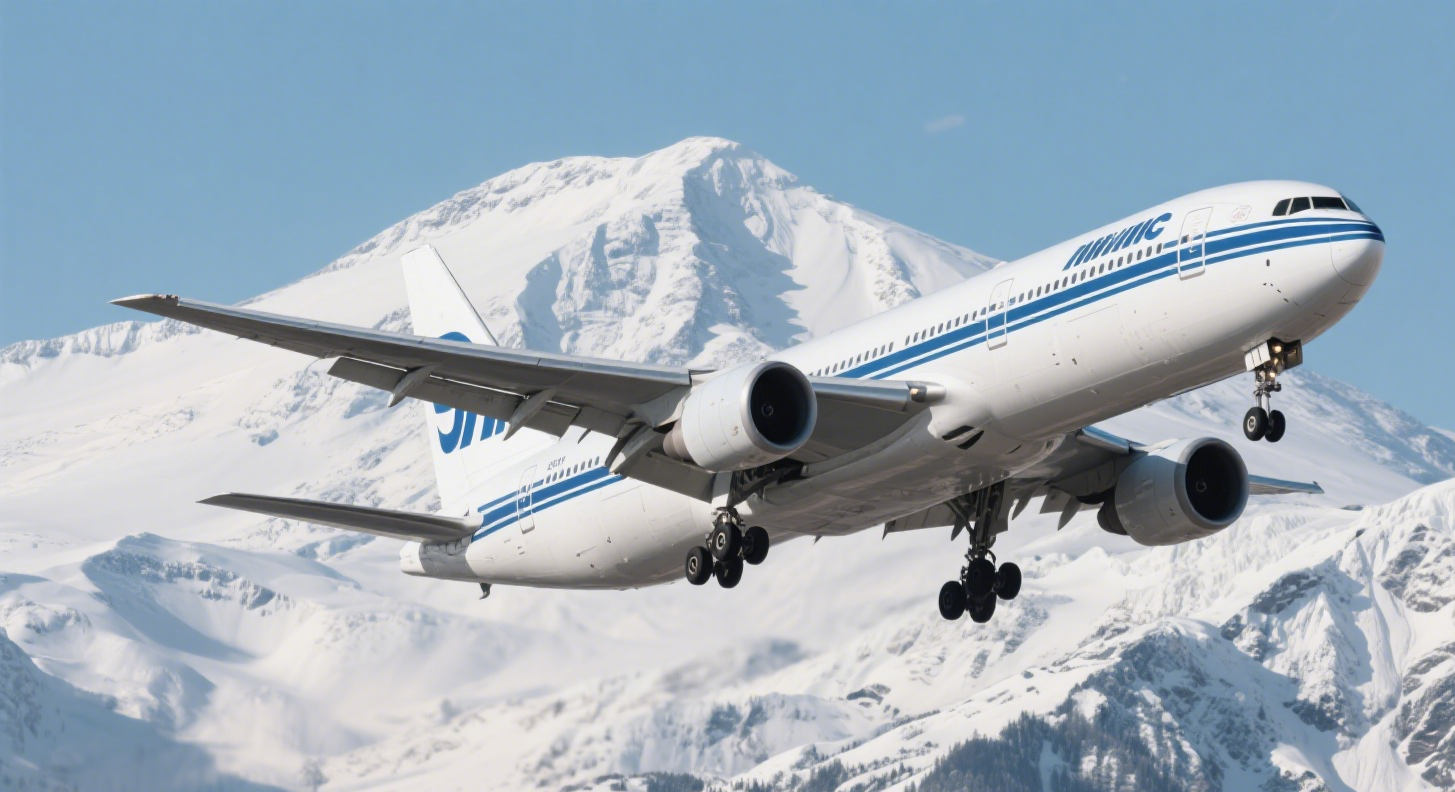
For urgent or high‑value goods, Top Logistics Ltd provides air‑freight from Chinese gateways such as Shanghai Pudong, Guangzhou, Shenzhen, Beijing, Chengdu, and Hong Kong to Rarotonga International Airport (RAR), typically via Auckland, Sydney, or other regional hubs. We design routings that give safe connection margins and secure capacity for electronics, pharmaceuticals, critical construction components, yacht and marine spares, fashion, and high‑value retail items. Our team handles factory pickup and export clearance in China, books suitable services with reputable airlines, monitors each flight leg, coordinates customs and biosecurity checks in Rarotonga, and arranges prompt delivery to hotels, resorts, shops, homes, or onward freight for outer islands.
img

Door to Door Shipping from China to Cook Islands

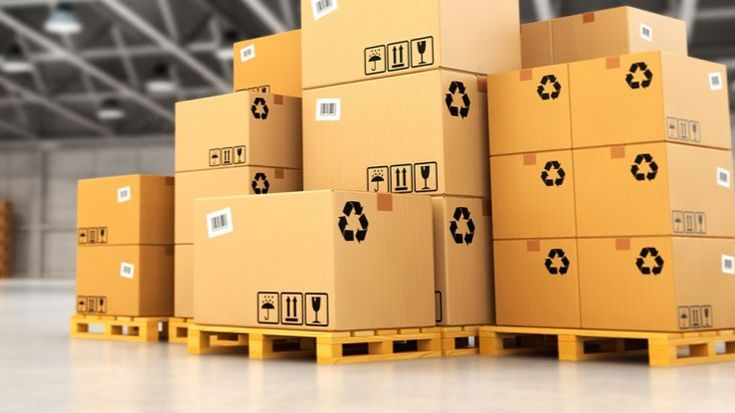
Top Logistics Ltd delivers door‑to‑door shipping from Chinese suppliers directly to receivers across the Cook Islands. We collect shipments from factories throughout China, consolidate where helpful, prepare export documentation, and move your cargo by sea or air via Australasian/Pacific hubs to Rarotonga. With our local partners we then manage port or airport handling, customs and quarantine procedures, and final‑mile delivery to construction sites, resorts, retail outlets, government facilities, and residences on Rarotonga and, when required, handover to inter‑island vessels or flights serving Aitutaki and other islands. You receive one all‑inclusive quotation and work with a single operations contact instead of juggling several forwarders along the route.

FCL Shipping from China To Cook Islands

Top Logistics Ltd provides full‑container‑load (FCL) services using 20GP, 40GP, and 40HQ containers, along with open‑top or flat‑rack equipment for oversized machinery or project cargo. We supervise stuffing and sealing at Chinese factories or consolidation depots, ensure lashing and weight distribution can withstand a long ocean voyage and multiple transfers, and book mainline services that connect smoothly with Pacific feeders into Avatiu. Once containers arrive in Rarotonga, we coordinate customs and biosecurity inspections, terminal handling, devanning if required, and local distribution or inter‑island transfer. FCL is the ideal solution for hotel/resort developments, supermarket replenishment, renewable‑energy projects, and bulk building materials where you want maximum control, minimal handling, and the lowest freight cost per unit.

LCL Shipping from China To Cook Islands

For shipments that do not fill a container, Top Logistics Ltd offers less‑than‑container‑load (LCL) consolidation from Chinese hubs such as Shenzhen, Guangzhou, Shanghai, and Ningbo into Auckland or other regional hubs and then on to Rarotonga. We receive cartons from multiple suppliers at our China warehouses, palletise and label each consignee’s cargo, and load shared containers on Asia–Australasia services. At the hub, containers are devanned in CFS facilities; Cook Islands‑bound freight is regrouped into regional LCL or pallet services to Avatiu. Upon arrival, we manage customs/quarantine clearance and delivery to your address or to local carriers serving outer islands. LCL is particularly suitable for smaller retailers, guest‑house operators, tradespeople, and private importers who source a mix of products from various Chinese factories.

Features

More Services Shipping from China To Cook Islands

img

Pickup and Delivery

Top Logistics Ltd will provide most fuel efficient pickup service China
img

Warehousing

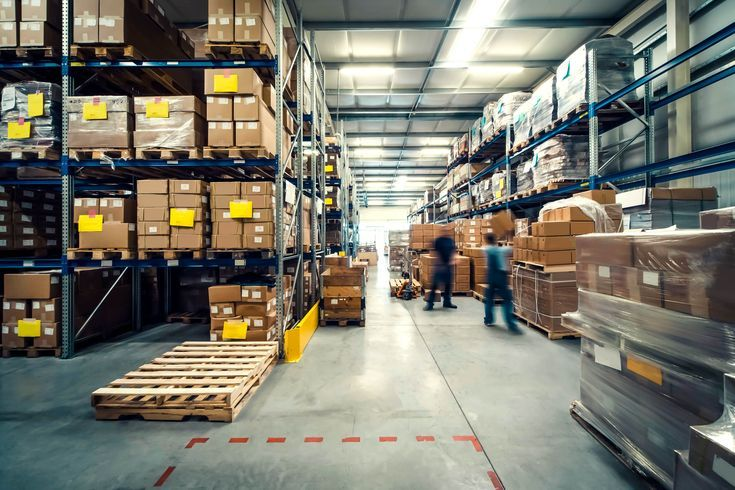
We provide free warehousing services for any of your goods.
img

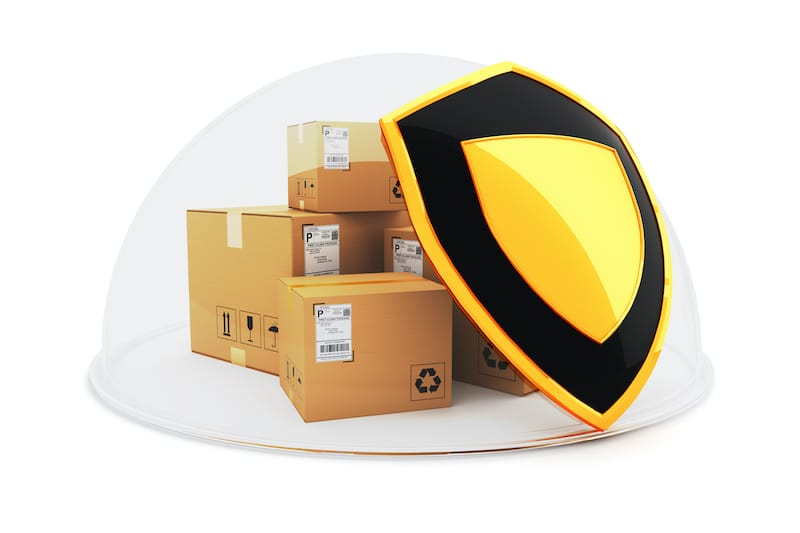
Cargo Insurance

The cargo insurance protects your goods all the way to any Any FBA Warehouse
img

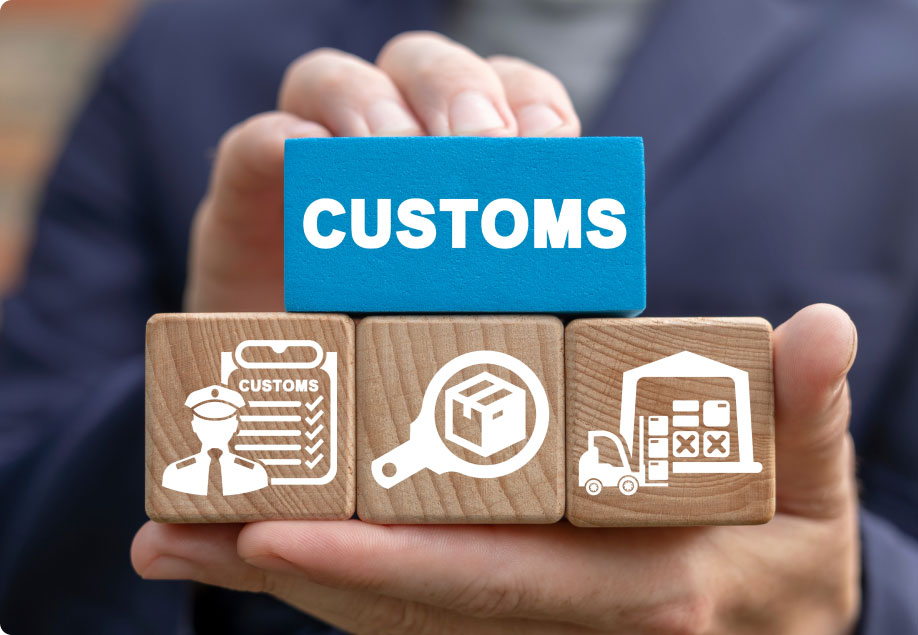
Custom Clearance

We handle all paperwork and other details for you.

img

Loading Inspection

Ensure safe packaging and loading of goods in your suppliers' factory.
Here We Are

GET ANYTYPE QUOTE FROM HERE.

Your Best Freight Forwarder from China to Cook Islands

  • Provide the best ocean freight from China to Cook Islands
  • Provide the competitive air freight from China to Cook Islands
  • The professional work for customs clearance in China
  • Provide the free warehouse service and loading solution
  • The container loading supervision service
  • Pick up and delivery service in China
  • 24/7 online support
What customers also want to know

Professional Shipping from China to Cook Islands: The Ultimate FAQ Guide

Transit time depends on mode, route, and your exact origin and destination:

  • Sea freight (FCL/LCL):

    • China port → Pacific hub (usually Auckland): about 18–28 days depending on port pair and carrier.
    • Hub → Rarotonga by feeder: typically 5–10 days, depending on sailing frequency and weather.
    • Including pickup in China, export formalities, hub handling, customs in Rarotonga, and local delivery, most door‑to‑door sea shipments take roughly 30–45 days. LCL tends toward the upper end because of extra consolidation/de‑consolidation steps.
  • Air freight:

    • China airport → Rarotonga via Auckland/Sydney or similar: usually 3–6 days airport‑to‑airport.
    • Adding pickup, export clearance, customs/quarantine, and last‑mile delivery, door‑to‑door transit is typically 5–9 days.

Top Logistics Ltd always checks current sailing and flight schedules and feeder availability before confirming ETAs, especially as Pacific services can be less frequent than major trade‑lane routes.

We plan from the feeder backwards rather than from China forwards:

  • First we identify confirmed feeder sailing dates from Auckland (or other hubs) to Rarotonga.
  • Then we choose China departures that arrive several days before those feeders, not just on the theoretical last‑possible connection.
  • We monitor the mainline vessel’s progress; if there is a delay, we work with the hub terminal and carrier to prioritise your containers onto the next available feeder or switch to an alternative connection if offered.
  • For truly critical components, we may recommend splitting the order—main volume by sea, a small urgent quantity by air via Auckland—to protect your project timeline even if a feeder is missed.

This planning approach significantly reduces the risk of cargo getting stuck at a hub waiting for the next monthly or fortnightly sailing.

Yes, consolidation is often the only economical way for Cook Islands shipments:

  • In China, Top Logistics Ltd collects from your different suppliers and moves everything into consolidation warehouses in Shenzhen, Guangzhou, Shanghai, or Ningbo.
  • We standardise carton labels, palletise by project or island, and create a master packing list that clearly details items and quantities per supplier and per final consignee.
  • All goods then move as one or a few consolidated FCLs or large LCL lots to the hub and onwards to Rarotonga.

At customs in the Cook Islands, your broker still has clear information to prepare entries; cargo can be cleared under a single declaration or several, depending on your structure. Consolidation reduces main‑leg freight and handling costs while maintaining traceability for customs and your accounting.

Because your cargo faces a long voyage, multiple handlings, and high humidity, we recommend:

  • Reinforced cartons (double‑wall) with realistic unit weights to avoid crushing.
  • Strong pallets or wooden crates for heavy or fragile goods such as tiles, sanitary ware, glazing, and machinery.
  • Water and moisture protection using plastic liners, shrink‑wrap, and desiccants, particularly for textiles, electronics, and metal goods.
  • Clear, durable English labels indicating consignee, island, project or PO number, and room/area (for FF&E), to make hub and site sorting faster and reduce mis‑routing.

Where supplier packing is clearly inadequate, Top Logistics Ltd can re‑pack or reinforce at origin, showing you photos and any incremental cost so you can push suppliers to adopt the higher standard on future orders.

The Cook Islands generally rely on import duties and VAT/GST‑type consumption taxes rather than income tax:

  • Customs duties are calculated on the CIF value (cost + insurance + freight) at the Cook Islands port/airport, based on HS classification.
  • Value‑added or consumption tax is applied on the customs value plus duty and some charges at the prevailing rate.
  • Certain goods (alcohol, tobacco, vehicles, and some electronics or environmental risk items) may attract additional excise duties or levies.

If you provide HS codes, product descriptions, values, and Incoterms, Top Logistics Ltd can obtain a landed‑cost estimate through local brokerage partners so you understand expected duty and tax before committing to large orders. Final amounts are always determined by Cook Islands Customs at clearance.

Yes. For hospitality projects we:

  • Break the bill of quantities into logical phases—shell and core materials, MEP equipment, finishes, furniture, soft furnishings, then OS&E.
  • Align each phase with appropriate sailings and feeders so heavy and low‑value items arrive first, high‑value décor and equipment arrive closer to the installation window.
  • If containers arrive before a phase is ready, we arrange short‑term storage at the hub or in Rarotonga, releasing them in a controlled sequence rather than all at once.
  • When requested, we pack containers by building or room type, so your crew can unload and place items directly in the correct zones, reducing on‑site re‑handling.

This staged‑delivery model helps keep sites tidy, reduces damage, and limits port storage and demurrage charges.

Yes, several categories need extra attention:

  • Foodstuffs, meat, dairy, plants, and seeds require health or phytosanitary certificates and must comply with local biosecurity rules; some products may be restricted.
  • Pharmaceuticals and medical devices may need approvals from health authorities.
  • Firearms, ammunition, and certain security equipment are tightly controlled or prohibited.
  • Telecommunications and radio equipment may require licensing or type approval.

Before you ship, Top Logistics Ltd can review your product list with local regulatory contacts and confirm which items are allowed, which require permits or specific certificates, and whether any need to travel separately from general cargo to avoid holding up entire consignments.

We provide origin‑side controls to reduce obvious errors:

  • At our consolidation hubs we can perform carton counts, visual condition checks, and label verification against supplier packing lists.
  • For high‑value or sensitive goods, we can arrange independent pre‑shipment inspections, including photos, dimensional checks, and simple functional tests where practical.
  • During container loading we record photos and seal numbers, giving you an audit trail of what was shipped and how it was stowed.

These checks don’t replace full factory QA, but they significantly reduce the risk of missing items, wrong models, or clearly inadequate packing only being discovered once goods reach Rarotonga.

After cargo has cleared customs in Rarotonga:

  • We work with local carriers operating coastal vessels or inter‑island flights to move cargo on to islands such as Aitutaki, Atiu, or others.
  • Packaging is checked to ensure it’s suitable for the smaller vessels/aircraft and potentially rougher handling; if necessary, we reinforce or re‑pack before onward movement.
  • We align dispatch with island vessel/flight timetables, which may be weekly or less frequent, and coordinate with your local contact so there is capacity and labour ready to receive.

Planning inter‑island legs early—often at the same time we book from China—avoids finished goods piling up in Rarotonga while waiting for space on a small boat or aircraft.

Given the long distance, multiple transshipment points, and exposure to Pacific weather, cargo insurance is strongly recommended:

  • Carrier liability is strictly limited and usually covers only a fraction of your actual loss in the event of damage, loss, or general average.
  • Risks include heavy seas, container movement, handling incidents at busy hubs, and delays that can affect sensitive or time‑critical goods.

Through recognised insurers, Top Logistics Ltd can arrange:

  • All‑Risks marine cargo insurance for most general merchandise.
  • Named‑perils policies where All‑Risks is not available (e.g., certain used machinery).
  • Project‑level policies for resort, infrastructure, or renewable‑energy programmes covering multiple shipments over time.

We help you set an appropriate insured value (commonly CIF + 10%), issue certificates quickly, and coordinate surveys and claims documentation if something goes wrong during the journey.

Don’t Take Our Words for it

Listen to What Our Clients Say about Our Freight Forwarding Service

Code Quality

The overall code quality of the international logistics system demonstrates a solid engineering foundation. The architecture is well-structured, with clear separation between freight management, customs clearance, tracking, and billing modules, which improves maintainability and scalability. Naming conventions are consistent and business-oriented, making complex logistics workflows such as multi-leg transportation, carrier allocation, and door-to-door delivery easier to understand and extend. Error handling and data validation are implemented thoughtfully, reducing risks in high-volume shipment processing. Overall, the codebase reflects a strong balance between performance, reliability, and long-term extensibility, which is critical for global freight operations.

Sakira K. Lilliam
Ceo of Axone

Design Quality

The design quality of the international logistics platform emphasizes clarity, efficiency, and usability. The interface is clean and well-organized, allowing users to manage shipments, track cargo status, and access transportation details with minimal effort. Visual hierarchy and consistent layout improve navigation across freight booking, documentation, and delivery modules. The design effectively supports complex logistics operations while maintaining a professional and modern appearance.

Jon D. William
Founder of Mixbix

Customer Support

Our customer support team delivers responsive and knowledgeable assistance throughout the entire international logistics process. From shipment booking and cargo tracking to customs clearance and final delivery, inquiries are handled promptly with clear, accurate communication. The team understands complex transportation routes, carrier schedules, and documentation requirements, ensuring potential issues are resolved before they impact delivery timelines. This high level of support builds trust and provides customers with confidence in every shipment.

Sofia Harvey
Chairman News grove