

Shipping from China to USA

Services

What we do

Services

img

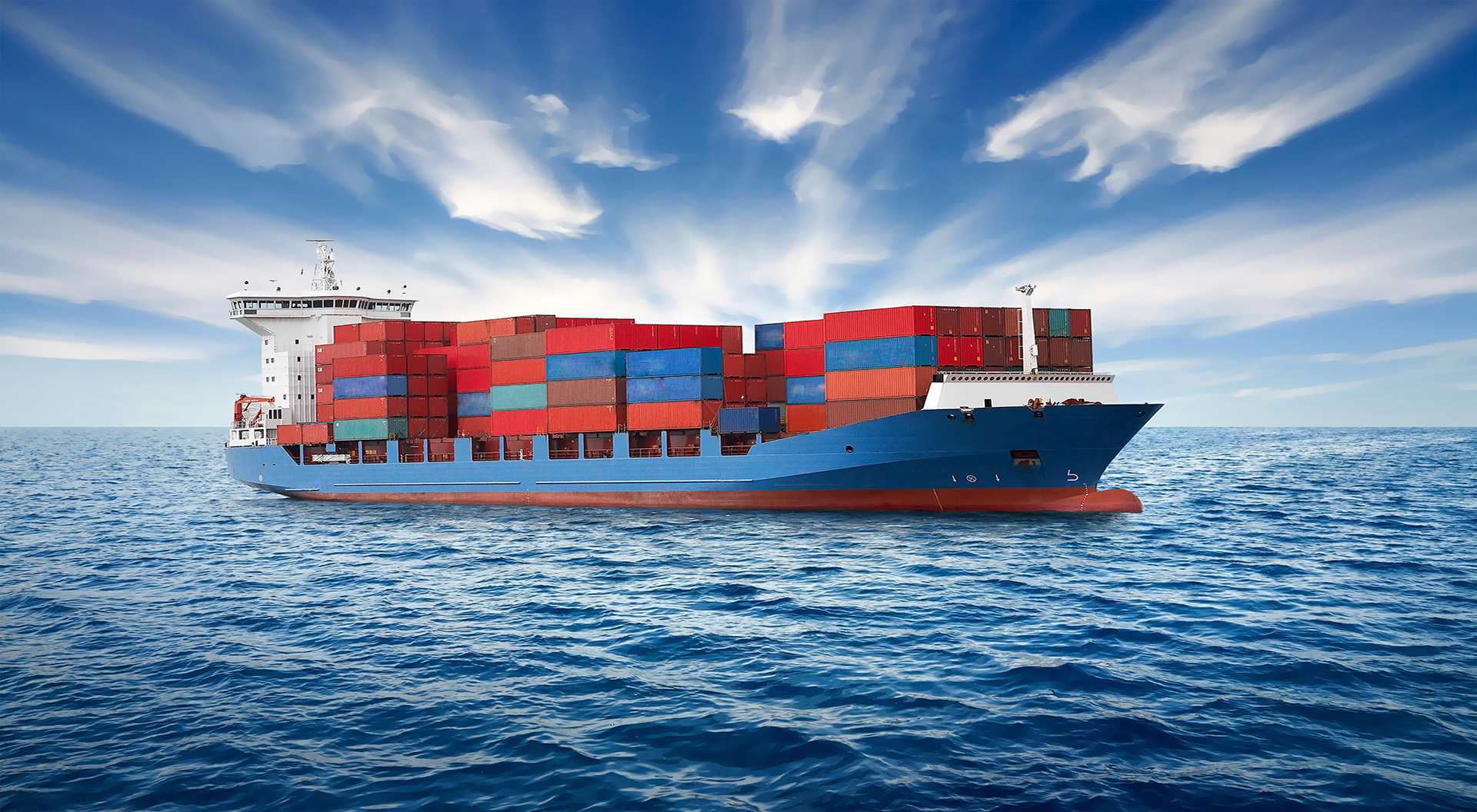
Sea Freight From China To American Samoa

Top Logistics Ltd arranges sea freight shipments from China to American Samoa via major Chinese ports such as Shanghai, Ningbo, and Shenzhen, routing cargo through selected Pacific transshipment ports before onward delivery. Sea freight supports both FCL and LCL cargo, offering structured sailing schedules, professional container handling, and cost-effective transportation for long-distance ocean routes. This solution is suitable for general merchandise, construction materials, household goods, and commercial supplies destined for American Samoa.
img

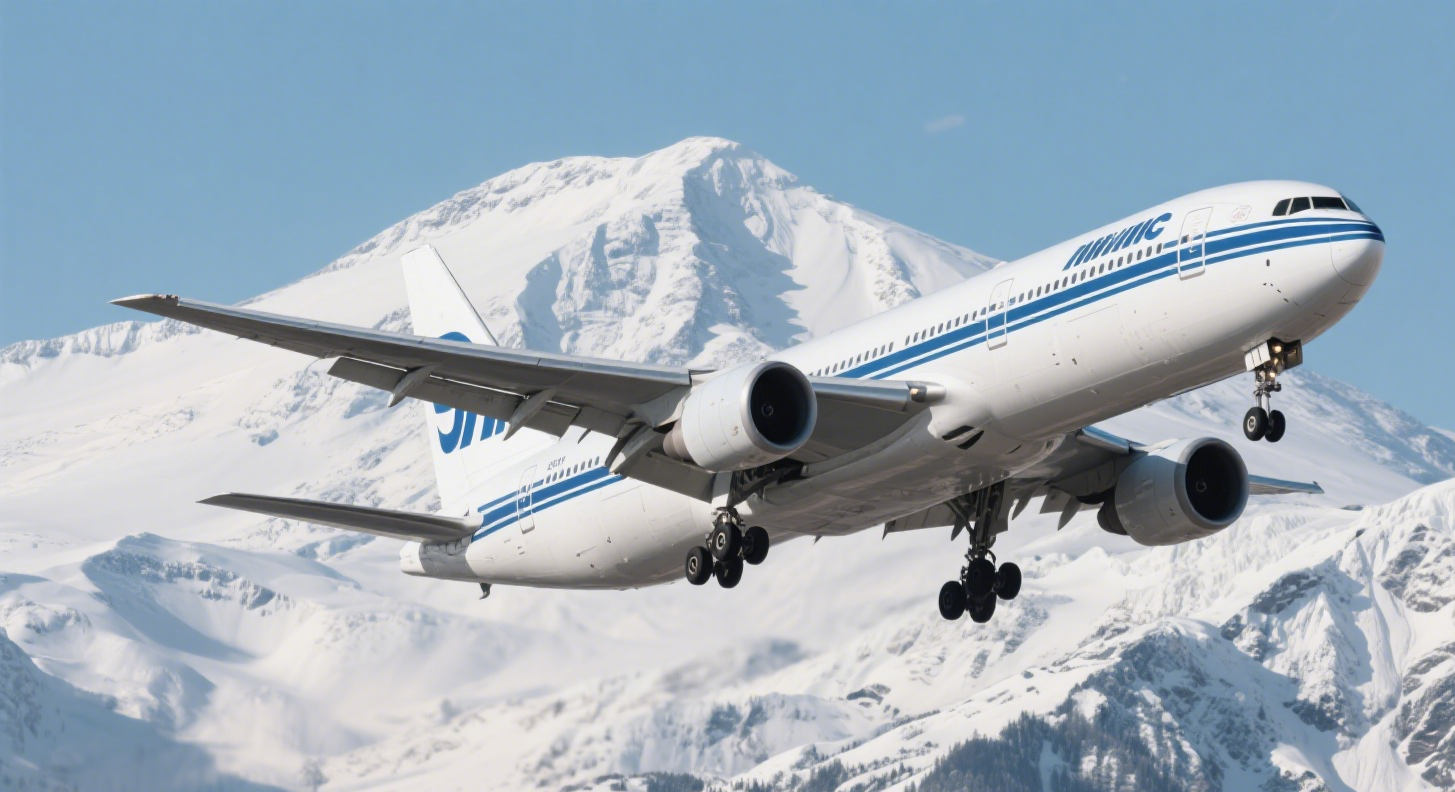
Air Freight From China To American Samoa

Top Logistics Ltd provides air freight solutions from key Chinese international airports to Pacific gateway airports serving American Samoa. This option is designed for urgent, high-value, or time-sensitive cargo requiring reduced transit times. Air freight services include export documentation coordination, cargo security control, and transfer management at transit hubs. Common air shipments include electronics, medical supplies, samples, spare parts, and critical commercial goods.
img

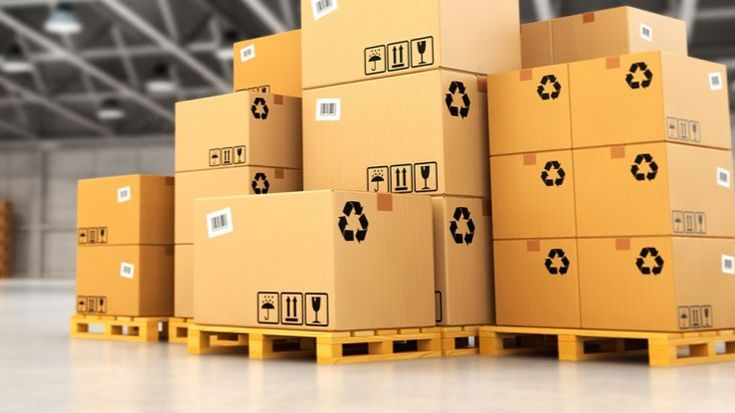
Door to Door Shipping from China to American Samoa

Top Logistics Ltd offers door-to-door shipping services from China to American Samoa, covering factory pickup, export customs clearance, international transportation, transshipment handling, and final delivery. Each shipment is planned according to cargo type, delivery location, and transit routing requirements. Door-to-door solutions reduce coordination complexity and provide consistent shipment control for businesses supplying the American Samoan market.

FCL Shipping from China To American Samoa

Top Logistics Ltd provides FCL full container load shipping from China to American Samoa using dedicated 20GP, 40GP, and 40HQ containers. FCL services are suitable for heavy, high-volume, or sensitive cargo requiring exclusive container usage.

Services include secure container loading, optimized carrier selection, controlled transshipment operations, and full shipment visibility. FCL shipping is commonly used for machinery, building materials, commercial equipment, and bulk supplies.

LCL Shipping from China To American Samoa

Top Logistics Ltd offers LCL less-than-container-load shipping from China to American Samoa for small and medium-sized shipments. Cargo is professionally consolidated, packed, and handled to ensure safe long-distance transportation.

LCL services include coordinated transshipment handling, destination deconsolidation, and customs support. This option allows importers to manage shipping costs while maintaining cargo protection and delivery reliability.

Features

More Services Shipping from China To American Samoa

img

Pickup and Delivery

Top Logistics Ltd will provide most fuel efficient pickup service China
img

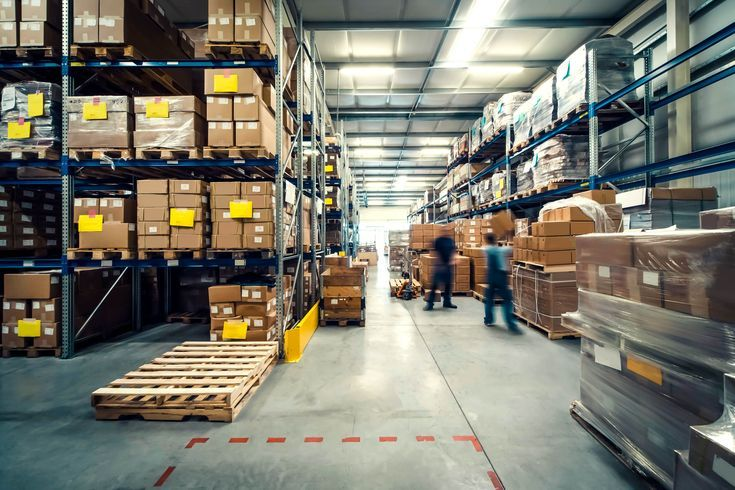
Warehousing

We provide free warehousing services for any of your goods.
img

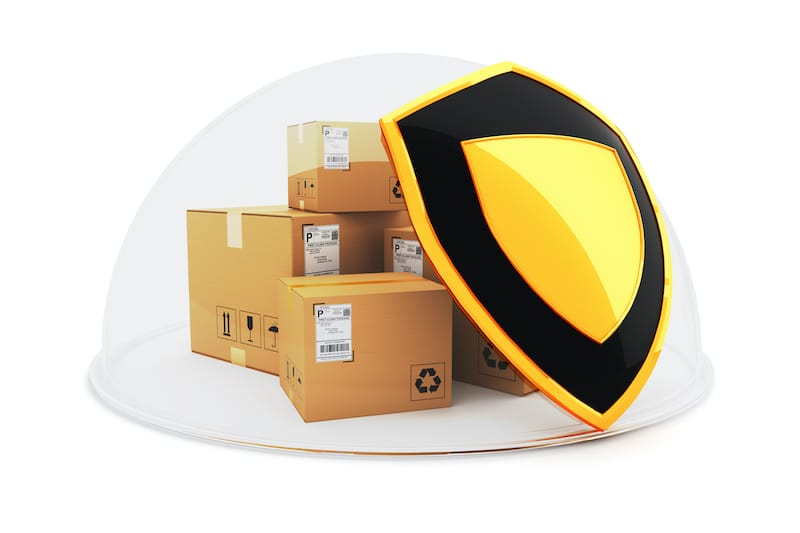
Cargo Insurance

The cargo insurance protects your goods all the way to any Any FBA Warehouse
img

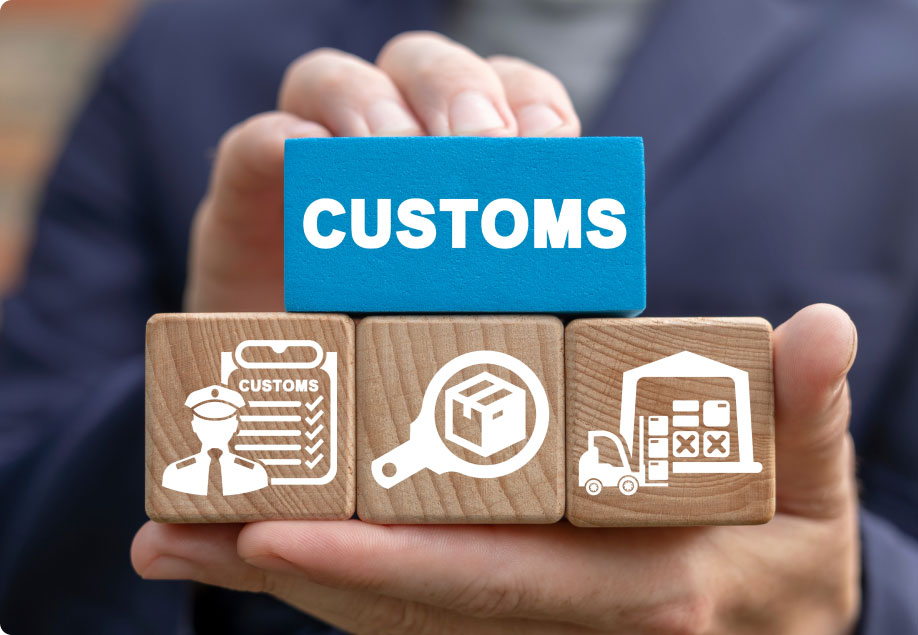
Custom Clearance

We handle all paperwork and other details for you.

img

Loading Inspection

Ensure safe packaging and loading of goods in your suppliers' factory.
Here We Are

GET ANYTYPE QUOTE FROM HERE.

Your Best Freight Forwarder from China to American Samoa

  • Provide the best ocean freight from China to American Samoa
  • Provide the competitive air freight from China to American Samoa
  • The professional work for customs clearance in China
  • Provide the free warehouse service and loading solution
  • The container loading supervision service
  • Pick up and delivery service in China
  • 24/7 online support
What customers also want to know

Professional Shipping from China to American Samoa: The Ultimate FAQ Guide

No. For trade and customs, American Samoa is outside the U.S. customs territory. It has its own customs authority, duty rates and import rules, even though it uses the U.S. dollar and a U.S. ZIP code (96799).

Consequences for you:

  • Don’t assume “shipping to American Samoa = shipping to USA.”
  • U.S. CBP rules and U.S. duty rates do not automatically apply; local American Samoa Customs decides classification, valuation, and duties.
  • If your buyer wants to re‑route via a U.S. mainland port (Los Angeles, Honolulu, etc.), that may become a real U.S. import first, with U.S. customs compliance and duties, then a separate leg to American Samoa.

The main seaport is Pago Pago (PPG). There are no large direct services from China; you’re almost always using transshipment:

  • Typical sea route 1 (via U.S. West Coast):
    China main port → Los Angeles/Long Beach or Oakland → feeder vessel to Pago Pago

    • Transit China → US West Coast: ~14–18 days
    • US West Coast → Pago Pago: often 1 sailing every 2–4 weeks, ~10–16 days at sea
    • Overall door‑to‑port: usually 30–45 days, depending on transshipment wait.
  • Typical sea route 2 (via Pacific hub):
    China → Pacific hub (e.g. Auckland, Apia, sometimes Honolulu) → Pago Pago

    • Similar or slightly longer total time, but may be better for certain carriers.
  • Air freight:

    • No direct flights from China. You’d use China → Auckland/Honolulu/Apia → Pago Pago combinations.
    • Frequency is limited; capacity is tight.
    • Door‑to‑airport is often 5–10 days if everything lines up, but prices are high and space is not guaranteed.

Always ask your forwarder what exact transshipment port and carrier they are using and how often the Pago Pago feeder runs; missing a feeder can add 2–4 more weeks.

Standard set for commercial ocean shipments:

  • Commercial invoice
    • Seller/buyer info;
    • Detailed product descriptions (not just “parts”);
    • HS code suggestion;
    • Unit price, total price, currency (USD recommended);
    • Trade term (FOB/CFR/CIF, etc.).
  • Packing list
    • Package count and type;
    • Net/gross weight per package;
    • Volume; container number.
  • Bill of Lading (seaway bill or negotiable B/L).
  • Certificate of Origin (for correct duty treatment; China origin should be clear).
  • Product‑specific certificates where required, e.g.:
    • Health/sanitary/phyto certificate for food, plants, some animal products;
    • MSDS for chemicals;
    • Compliance/technical specs for electrical goods.

Delays usually come from:

  • Very vague descriptions (“electronic goods,” “hardware”) that don’t match HS codes;
  • Invoice missing unit prices or realistic value;
  • No supporting docs for sensitive products (food, chemicals, pharma, seeds, etc.).

Work with the buyer’s customs broker in Pago Pago before shipping to confirm if their customs requires any permits or extra certificates for your product.

American Samoa has its own tariff schedule and applies:

  • Import duty based on HS code and CIF value;
  • Possible excise or special taxes on certain goods (e.g. alcohol, tobacco, vehicles, some consumer goods).

To avoid surprises:

  • Ask your buyer to have their local customs broker:
    • Confirm the HS code they will use;
    • Provide duty + any excise + local taxes for that code.
  • Use that info to help the buyer pre‑calculate landed cost at CIF price you agree.

Do not guess duty with U.S. rates or assume “duty‑free because it’s a U.S. territory.” That’s a common and costly misconception.

LCL to Pago Pago is possible but often involves multiple hubs and higher relative costs:

  • LCL usually goes: China → big hub (e.g. Los Angeles or Auckland) → de‑consolidation → re‑consolidation → Pago Pago.
  • Each extra handling adds time and risk of delays or mis‑routing.
  • Destination charges for LCL (unloading, warehouse, documentation) at Pago Pago can be quite high per m³/ton.

Rough rule of thumb (to be refined with your forwarder):

  • If you have > 12–15 m³ or > 8–10 tons, compare LCL vs a 20′ FCL.
  • Once close to those volumes, a small FCL is often cheaper and much more predictable to American Samoa.

For very small or irregular shipments, LCL is fine—but get a full breakdown of destination LCL charges before you decide it’s “cheap.”

This is a common structure, especially when the importer or their agent is in the USA:

  • Scenario A – U.S. company is your buyer:

    • You ship CFR/FOB to Los Angeles (or other port).
    • The U.S. buyer acts as importer into the U.S. (pays U.S. duties + handles compliance).
    • Then they move goods as domestic freight or export to American Samoa.
    • You don’t get involved in the American Samoa side at all.
  • Scenario B – Buyer is in American Samoa but uses a U.S. forwarder:

    • You deliver to a designated U.S. forwarder/warehouse.
    • They handle U.S. arrival and subsequent sea/air leg to Pago Pago, often via long‑standing contracts with island carriers.

Pros:

  • Many more sailings and competitive rates to U.S. West Coast;
  • Forwarder or trading company in the U.S. may handle all complexity.

Cons:

  • The first leg becomes a real U.S. import (with its own duty and regulatory burdens), unless they use complex in‑bond arrangements;
  • Two customs regimes instead of one, if not managed correctly.

For you as a Chinese exporter, the safest contract model is often to sell FOB/CFR to a U.S. port if the buyer chooses to route via the U.S., and let them handle everything beyond that point.

Yes. Being a small island territory, American Samoa is very protective of its environment and public health. Expect tight controls on:

  • Food, meat, dairy, and plant products

    • Likely need sanitary/phyto certificates;
    • Subject to quarantine inspection;
    • Some items may be prohibited to prevent pests/disease.
  • Live plants, seeds, soils, and animals

    • Strongly regulated; check with buyer’s Dept. of Agriculture contacts and customs broker before shipping even samples.
  • Chemicals, pesticides, hazardous materials

    • Require full MSDS and may need prior approval/permits;
    • Some banned substances following U.S./international conventions.
  • Used vehicles, used electronics, scrap

    • American Samoa may restrict or tightly regulate these to control waste and environmental impact.

Before you quote or ship any of these:

  • Have the buyer’s customs broker confirm in writing:
    • The product is importable;
    • What permits/approvals/certificates are required;
    • Duty and potential extra taxes.

Never “test ship” sensitive goods without documentation; island ports have very limited storage and can hold or order re‑export at the importer’s expense.

Yes. Although customs itself cares mainly about classification and safety, market and utility compatibility are critical:

  • Electrical products must be suitable for 120V/60Hz and U.S.-type plugs/sockets;
  • For some categories (e.g. lighting, household appliances), buyers or local authorities may expect evidence of compliance with UL/ETL/CE‑equivalent safety standards;
  • Manuals and safety labels in English are essential; Samoan is local language but English is widely used for technical materials.

From a logistics and clearance perspective:

  • Prepare technical datasheets, conformity declarations, and test reports up front;
  • Send them to the buyer and their broker so they can show, if asked, that the goods meet reasonable safety norms.

This reduces the risk of on‑arrival questions that slow clearance or create liability disputes.

On a small, remote island with its own customs system, DDP is very hard for a Chinese exporter to manage correctly.

More practical choices:

  • FOB Chinese port / CFR Pago Pago

    • You handle export and main carriage;
    • Buyer nominates forwarder or broker in Pago Pago to clear and pay duties/taxes.
    • Very common and low‑risk for you.
  • CIF Pago Pago

    • Same as CFR but you also buy marine insurance.
  • DAP (Delivered at Place, duties & taxes unpaid)

    • You pay for transport to a named place in American Samoa;
    • Buyer handles local customs and tax payment.
    • Only consider this if your forwarder has a reliable agent there.
  • DDP (you pay everything including duties/taxes) is usually not recommended unless you:

    • Have an excellent local logistics partner with transparent pricing;
    • Fully understand American Samoa’s duty and tax regime;
    • Are ready to absorb valuation disputes and regulatory changes.

For a first few shipments, CFR or CIF Pago Pago is typically the safest.

Because Pago Pago often has only one or a few calls per month, timing is critical:

  • Ask your forwarder for a 3‑month sailing schedule showing:

    • ETD China port;
    • ETA transshipment port;
    • ETD to Pago Pago;
    • ETA Pago Pago.
  • Count backward from the intended sailing:

    • Container must usually gate in 2–4 days before vessel departure in China;
    • Allow enough time for inland trucking, export customs, and any inspections.
  • For factories prone to delay:

    • Avoid promising “we’ll catch this sailing” unless production is already nearly finished;
    • If you miss the planned transshipment, the next ship may be weeks later, not days.

Share the sailing plan with your buyer so they understand that missing one vessel can shift ETA by an entire month.

Don’t Take Our Words for it

Listen to What Our Clients Say about Our Freight Forwarding Service

Design Quality

The design quality of the international logistics platform emphasizes clarity, efficiency, and usability. The interface is clean and well-organized, allowing users to manage shipments, track cargo status, and access transportation details with minimal effort. Visual hierarchy and consistent layout improve navigation across freight booking, documentation, and delivery modules. The design effectively supports complex logistics operations while maintaining a professional and modern appearance.

Jon D. William
Founder of Mixbix

Code Quality

The overall code quality of the international logistics system demonstrates a solid engineering foundation. The architecture is well-structured, with clear separation between freight management, customs clearance, tracking, and billing modules, which improves maintainability and scalability. Naming conventions are consistent and business-oriented, making complex logistics workflows such as multi-leg transportation, carrier allocation, and door-to-door delivery easier to understand and extend. Error handling and data validation are implemented thoughtfully, reducing risks in high-volume shipment processing. Overall, the codebase reflects a strong balance between performance, reliability, and long-term extensibility, which is critical for global freight operations.

Sakira K. Lilliam
Ceo of Axone

Features Availability

The platform offers comprehensive feature availability to support end-to-end international logistics operations. Key functions such as freight booking, real-time shipment tracking, customs documentation management, carrier coordination, and delivery status updates are consistently accessible and reliable. These features ensure smooth handling of complex transportation workflows and provide users with full operational visibility at every stage of the supply chain.

Warleman Joliues
Co-Founder Carion ltd