

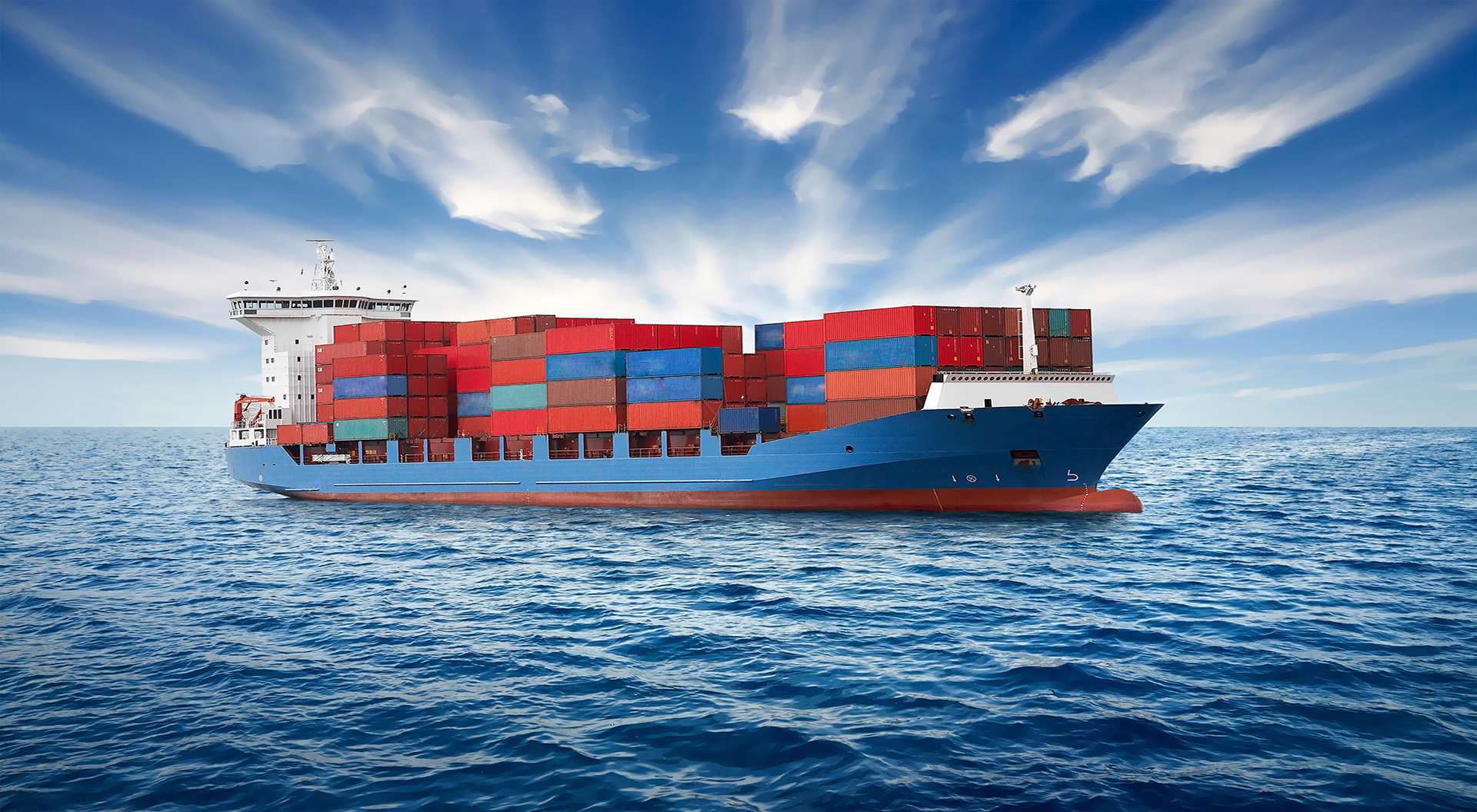
Top Logistics Ltd provides structured and dependable shipping services from China to Guinea-Bissau, supporting importers, traders, NGOs, and regional distributors with organized freight management and practical delivery planning. With experience managing West Africa routings that often rely on transshipment and feeder connections, we arrange secure ocean transportation, realistic schedule selections, and compliant shipping documentation prepared to match your cargo type, shipment size, and required delivery timeline.
From supplier pickup in China to final delivery in Guinea-Bissau, Top Logistics Ltd manages the full logistics chain, including export booking, loading supervision, freight forwarding coordination, customs clearance support, and inland delivery arrangements. Whether you ship general merchandise, equipment, spare parts, or consolidated cargo, we focus on stable transit planning and smoother clearance procedures to keep China–Guinea-Bissau shipments predictable and under control.
Top Logistics Ltd offers cost-effective and reliable sea freight services from China to Guinea-Bissau via major Chinese ports and suitable West Africa routing options into Bissau. Supported by coordinated carrier planning and controlled cargo handling, we help reduce avoidable delays and keep shipment milestones transparent. Sea freight is a strong solution for commercial goods, construction supplies, and heavier cargo where economical transportation and scalable capacity are priorities.

For urgent, time-sensitive, or high-value shipments, Top Logistics Ltd arranges fast and secure air freight from China to Guinea-Bissau through major airline networks and workable transit connections. We prioritize uplift reliability, export coordination, and end-to-end tracking to keep your shipment moving with fewer disruptions. Air freight solutions can include documentation support and delivery planning aligned with flight availability and local clearance requirements.
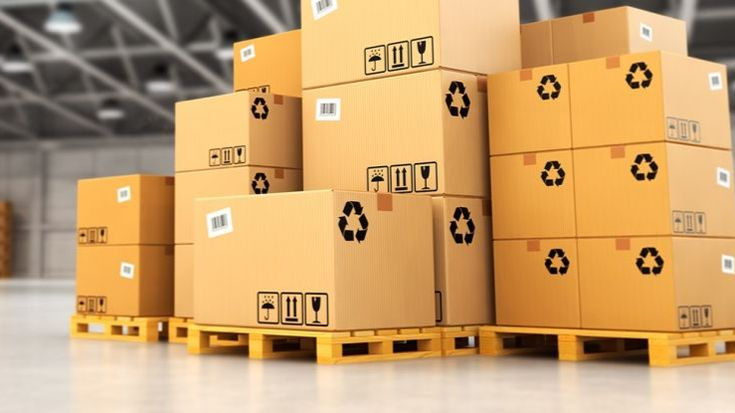
Top Logistics Ltd provides fully managed door-to-door shipping from China to Guinea-Bissau, covering each step from supplier pickup to final delivery. Services can include export paperwork preparation, international transport, customs clearance coordination, duty/tax planning, and last-mile delivery to your warehouse, office, or project location. With centralized coordination and shipment visibility, we simplify cross-border logistics while balancing speed, cargo security, and overall landed cost.

Top Logistics Ltd handles Full Container Load (FCL) shipping from China to Guinea-Bissau for shippers who need dedicated container space, clearer scheduling, and reduced handling exposure. We support standard container options such as 20GP, 40GP, and 40HQ, with coordinated booking and practical sailing selections. FCL is ideal for higher-volume cargo that benefits from sealed container movement and better cost predictability.
For smaller volumes or consolidated orders, Top Logistics Ltd offers flexible LCL (Less than Container Load) shipping from China to Guinea-Bissau. Through structured consolidation schedules and controlled cargo handling from origin warehouse to destination deconsolidation, we help keep freight moving smoothly while minimizing unnecessary delays. LCL is a practical option to reduce shipping spend when you do not have enough volume for a full container, while still maintaining reliable transit planning.
Top Logistics Ltd will provide most fuel efficient pickup service China
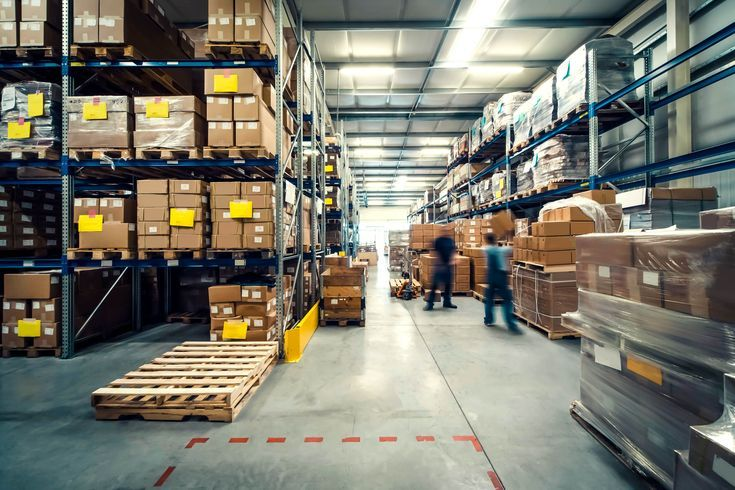
We provide free warehousing services for any of your goods.

The cargo insurance protects your goods all the way to any Any FBA Warehouse
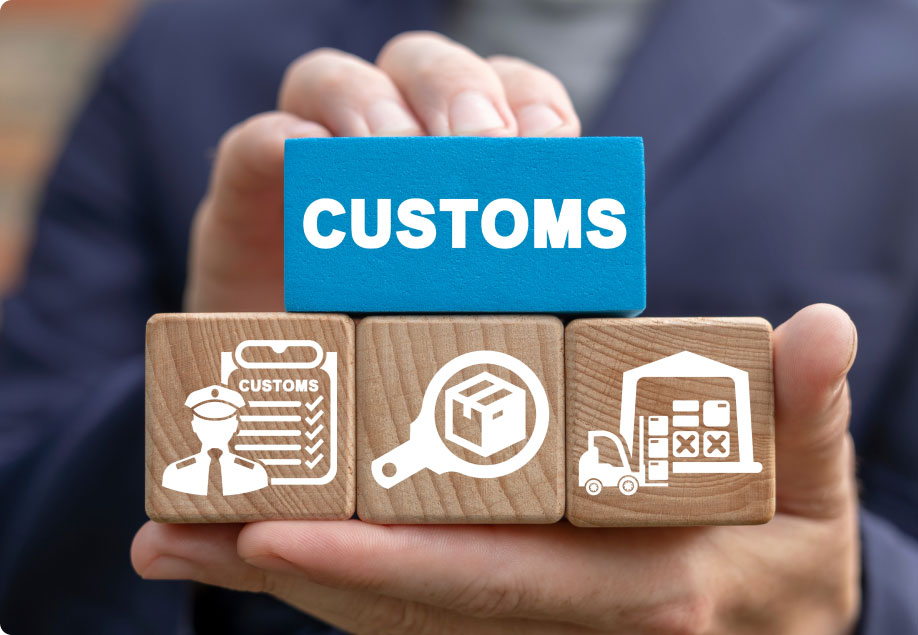
We handle all paperwork and other details for you.

Ensure safe packaging and loading of goods in your suppliers' factory.
Most ocean imports go through the Port of Bissau. From China, shipments typically travel on mainline services to a regional West Africa hub and then connect by feeder into Bissau. Because feeder frequency can be limited, schedule reliability depends heavily on making the correct transshipment connection. We focus on routings with realistic connection time, stable feeder operators, and clear cutoff planning at origin to reduce rolled cargo risk.
Sea freight transit is usually measured in weeks and can vary significantly due to transshipment timing, feeder schedules, and port conditions. The most common cause of extended transit is waiting for the next feeder sailing after a missed connection. For planning, we build a timeline that separates factory readiness, port cutoff, mainline sailing, feeder connection, and local release—so you can see where buffer time is needed and which steps you can control.
Yes. Clearance delays often occur when documents are incomplete or inconsistent—especially invoice values, consignee/importer names, and vague product descriptions. Guinea-Bissau customs and banks/agents may also require clarity on payment terms and the exact nature of goods. To reduce risk, we standardize the Commercial Invoice and Packing List, ensure the Bill of Lading matches exactly, and prepare supporting product details (photos/spec sheets) for items that commonly trigger questions.
At minimum, most shipments require a Commercial Invoice, Packing List, and Bill of Lading (or Air Waybill for air). Depending on the cargo, additional documents may be needed such as certificates of origin, product conformity documents, MSDS for chemicals, or other permits. We confirm requirements based on your commodity and advise how to format descriptions and values to match local clearance expectations and avoid reissuance or amendments after sailing.
It depends on volume and risk tolerance. LCL works for small shipments, but it adds consolidation/deconsolidation steps and destination handling charges that can be relatively high in smaller markets. FCL reduces handling touches and can be more secure and predictable, especially for fragile goods or mixed cartons. We calculate the break-even point based on your CBM, cargo sensitivity, and expected destination charges in Bissau—so you choose based on total landed cost, not just ocean freight.
The most common surprises are storage charges when clearance is slow, port handling fees, documentation/release fees, and for containers, demurrage and detention if pickup is delayed. These costs rise quickly if the consignee is not ready with funds, importer documentation, or trucking. We help avoid this by pre-alerting documents before arrival, confirming payment responsibility under the Incoterms, and arranging delivery in advance so cargo can move immediately after release.
Yes, but door delivery requires realistic planning. Road conditions, limited trucking availability, and seasonal weather can affect inland timing and equipment choice. If delivery is to a site with limited access, we may need smaller trucks, staged deliveries, or manual offloading support. We confirm delivery address accuracy, contact details, unloading requirements, and whether the consignee can receive during working hours to prevent failed delivery attempts and extra costs.
NGO cargo often has strict timelines, donor documentation requirements, and sensitive clearance expectations. We manage this by confirming consignee legal details, document wording, and any exemption or special handling needs early. We also plan for arrival coordination with the local agent so that release, storage, and delivery scheduling are aligned with project deadlines. Where possible, we recommend splitting shipments so critical items move by air while bulk goods move by sea.
Cargo categories that frequently require additional review include chemicals, batteries, telecom equipment, used machinery, and branded consumer goods. Even if permitted, missing MSDS, unclear technical specs, or inconsistent model/serial information can cause holds. We recommend providing product data sheets, clear labeling, and precise invoice descriptions, and we select carrier options that can handle any special documentation requirements.
LCL cargo is handled more times, which increases damage risk. We recommend reinforced cartons, palletization where suitable, stretch wrapping, corner protection, moisture barriers, and clear handling marks. For fragile equipment, export crating is often cost-effective compared with replacement and delay costs. We also advise cargo insurance because carrier liability is limited; we help set insured value correctly and explain what evidence is needed if a claim occurs.
The design quality of the international logistics platform emphasizes clarity, efficiency, and usability. The interface is clean and well-organized, allowing users to manage shipments, track cargo status, and access transportation details with minimal effort. Visual hierarchy and consistent layout improve navigation across freight booking, documentation, and delivery modules. The design effectively supports complex logistics operations while maintaining a professional and modern appearance.
Our customer support team delivers responsive and knowledgeable assistance throughout the entire international logistics process. From shipment booking and cargo tracking to customs clearance and final delivery, inquiries are handled promptly with clear, accurate communication. The team understands complex transportation routes, carrier schedules, and documentation requirements, ensuring potential issues are resolved before they impact delivery timelines. This high level of support builds trust and provides customers with confidence in every shipment.
The platform offers comprehensive feature availability to support end-to-end international logistics operations. Key functions such as freight booking, real-time shipment tracking, customs documentation management, carrier coordination, and delivery status updates are consistently accessible and reliable. These features ensure smooth handling of complex transportation workflows and provide users with full operational visibility at every stage of the supply chain.