


Shipping from China to Anguilla

Services

What we do

Services

img

Sea Freight From China To Anguilla

Top Logistics Ltd arranges sea freight shipments from China to Anguilla via major Chinese ports such as Shanghai, Ningbo, and Shenzhen, routing cargo through selected Caribbean transshipment ports before final delivery to the island. Sea freight supports both FCL and LCL cargo, offering organized sailing schedules, professional container handling, and cost-efficient transportation for long-distance ocean movements. This option is suitable for commercial supplies, building materials, household goods, and general merchandise.

img

Air Freight From China To Anguilla

Top Logistics Ltd provides air freight solutions from key Chinese international airports to Caribbean gateway airports serving Anguilla. This mode is designed for urgent, high-value, or time-sensitive cargo requiring shorter transit times. Air freight services include export documentation coordination, cargo security control, and transfer management at regional hubs. Common air shipments include electronics, medical supplies, samples, spare parts, and critical commercial goods.

img

Door to Door Shipping from China to Anguilla

Top Logistics Ltd offers door-to-door shipping services from China to Anguilla, covering factory pickup, export customs clearance, international transportation, transshipment handling, and final delivery. Each shipment is planned according to cargo type, destination location, and routing requirements. Door-to-door solutions reduce coordination complexity and provide consistent shipment control for businesses supplying the Anguilla market.


FCL Shipping from China To Anguilla

Top Logistics Ltd provides FCL full container load shipping from China to Anguilla using dedicated 20GP, 40GP, and 40HQ containers. FCL services are suitable for heavy, high-volume, or sensitive cargo requiring exclusive container usage.

Services include secure container loading, optimized carrier selection, controlled transshipment operations, and full shipment visibility. FCL shipping is commonly used for machinery, commercial equipment, and bulk supplies.

LCL Shipping from China To Anguilla

Top Logistics Ltd offers LCL less-than-container-load shipping from China to Anguilla for small and medium-sized shipments. Cargo is professionally consolidated, packed, and handled to ensure safe international transportation.

LCL services include coordinated transshipment handling, destination deconsolidation, and customs support. This option allows importers to manage logistics costs while maintaining cargo safety and delivery reliability.

Features

More Services Shipping from China To Anguilla

img

Pickup and Delivery

Top Logistics Ltd will provide most fuel efficient pickup service China
img

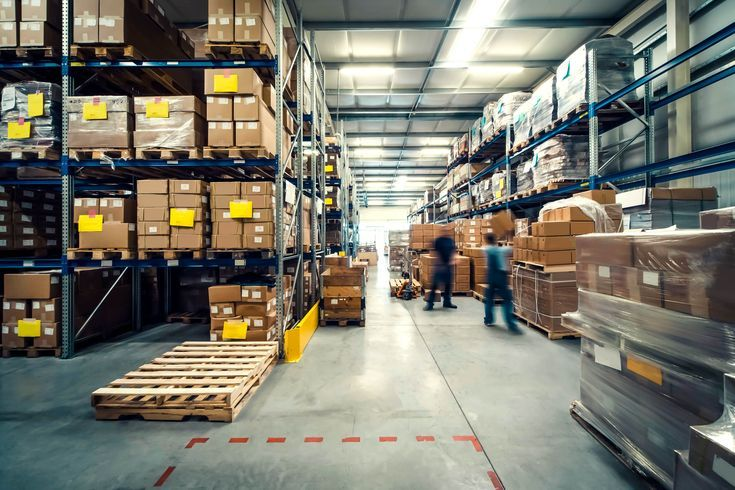
Warehousing

We provide free warehousing services for any of your goods.

img

Cargo Insurance

The cargo insurance protects your goods all the way to any Any FBA Warehouse
img

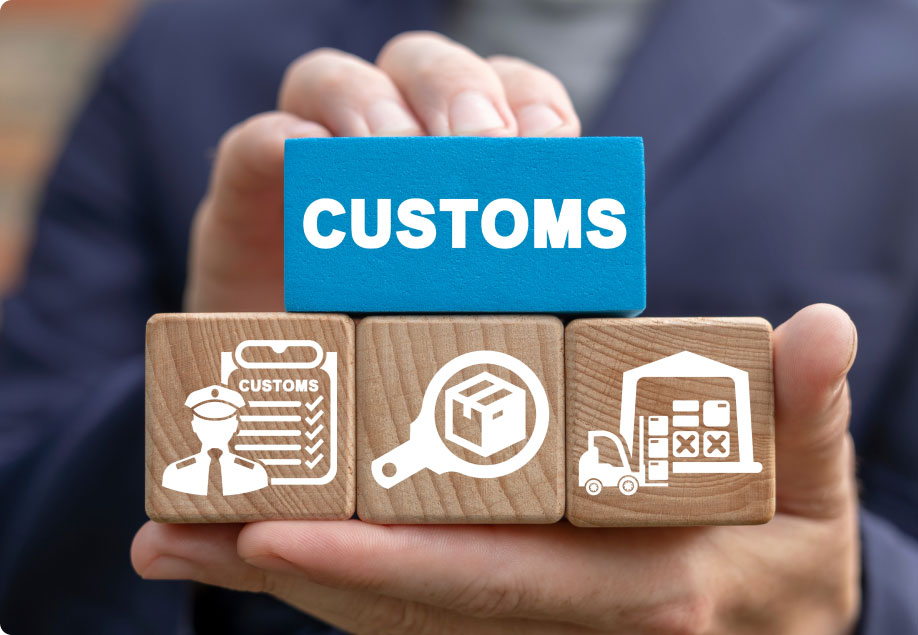
Custom Clearance

We handle all paperwork and other details for you.

img

Loading Inspection

Ensure safe packaging and loading of goods in your suppliers' factory.

Here We Are

GET ANYTYPE QUOTE FROM HERE.

Your Best Freight Forwarder from China to Anguilla

  • Optimize your logistics with Top Logistics Ltd‘s exceptional ocean freight services, expertly designed for shipments from China to Anguilla.
  • Benefit from Top Logistics Ltd‘s fast and economical air freight options, specifically crafted for your needs when shipping from China to Anguilla.
  • Top Logistics Ltd offers seamless customs clearance in China, handling regulations with precision for your shipments.
  • Take advantage of Top Logistics Ltd‘s free warehouse services and tailored loading solutions to ensure smooth cargo handling.
  • Protect your cargo’s security and condition with Top Logistics Ltd’s thorough container loading supervision, offering careful oversight throughout.
  • Enjoy effortless pick-up and delivery across China with the dedicated logistics team at Top Logistics Ltd.
  • Receive 24/7 support from Top Logistics Ltd, providing personalized assistance and real-time shipment updates.
What customers also want to know

Professional Shipping from China to Anguilla: The Ultimate FAQ Guide

There is no direct mainline service from China to Anguilla. Cargo almost always moves via one or two hubs:

  • Typical sea routes (FCL/LCL):

    • China main port → US East Coast hub (e.g. Miami, Port Everglades, Jacksonville) → Caribbean feeder → Road Bay, Anguilla; or
    • China → Caribbean hub (e.g. Kingston, Port of Spain, sometimes St. Maarten) → feeder/barge to Anguilla.
  • Sea transit times (port to port):

    • China → US East Coast / major Caribbean hub: 25–35 days;
    • Hub → Anguilla: typically 3–10 days at sea, but feeders might sail only weekly or even fortnightly.

Allow 35–50 days door‑to‑port depending on routing and how often the feeder runs. Missing a feeder can easily add 1–2 weeks.

For urgent or high‑value goods, we sometimes use air to St. Maarten (SXM) or Antigua (ANU) plus a short sea/air leg into Anguilla; see Q2.

In practice, a lot of freight for Anguilla moves via nearby islands because of vessel frequency and capacity:

  • Direct to Road Bay (sea freight):

    • Simpler paperwork (one customs regime);
    • But fewer sailings and fewer carriers;
    • Port is small, so equipment and storage are limited.
  • Via St. Maarten (SXM) or Antigua (ANU):

    • More frequent ships and flights;
    • You can ship FCL or LCL to SXM/ANU, then:
      • Short barge/ferry or small vessel to Anguilla, or
      • Airfreight for light/high‑value cargo.
    • This often reduces total transit time and can improve reliability.

For some customers, we arrange: China → Miami → St. Maarten (FCL/LCL) → short sea leg to Anguilla. The best option depends on your volume, urgency, and how comfortable your consignee is handling hand‑off at a neighboring island.

You shouldn’t, if it’s structured correctly:

  • When cargo goes to a US port or a neighboring island only as a transit hub:

    • It must stay under a transit/bonded status or move as in‑transit cargo, not be formally imported there.
    • No duties are paid in the US or St. Maarten; duties are only paid when the goods enter Anguilla’s customs territory.
  • If the buyer or their agent imports the cargo into the US or a neighboring island first, and then re‑exports to Anguilla:

    • Then you have two customs events (and potentially two sets of duties).

To avoid this:

  • Make the final consignee (or their Anguilla broker) clear from the start that the cargo is destined for Anguilla;
  • Ensure the forwarding instructions say “in transit to Anguilla” at intermediate ports.

Top Logistics Ltd designs routings explicitly as transit, not import‑and‑re‑export, unless the buyer specifically asks otherwise.

Customs in Anguilla is relatively small but thorough. The usual core documents:

  • Commercial invoice

    • Full shipper/consignee details;
    • Clear, specific product descriptions (e.g. “ceramic wall tiles 30x30cm”, not just “building materials”);
    • HS code suggestion;
    • Unit price and total price in USD or XCD;
    • Trade term (FOB/CFR/CIF, etc.).
  • Packing list

    • Package type and count;
    • Net/gross weights, volume;
    • Container number(s) or AWB number.
  • Bill of Lading / Air Waybill

    • Correct consignee and notify party;
    • If cargo moves via a hub, the B/L must show Anguilla as the final destination or via‑port route.
  • Certificate of Origin (especially useful for correct duty rate);

  • Product‑specific documents as needed:

    • Health/sanitary/phyto certificates (food, plants);
    • MSDS (chemicals, batteries, paints);
    • Technical specification sheets for electrical goods.

Common causes of delay:

  • Vague or generic descriptions not matching HS code;
  • Obvious undervaluation;
  • Missing certificates for food/chemicals or goods that look like they should have them.

Send draft docs to the buyer’s Anguilla broker before you load; they can flag problems early.

Anguilla applies:

  • Import duty based on HS code and CIF value (cost + insurance + freight);
  • Goods and Services Tax (GST) at a standard rate (currently 13% for most items) on the dutiable value;
  • Possible surcharges or environmental levies on certain categories (vehicles, electronics, some plastics, etc.).

To avoid surprise costs:

  1. Have the Anguilla consignee’s customs broker:

    • Confirm the HS code they will use;
    • Provide indicative duty rate + GST + any special levies.
  2. Run a simple landed cost calculation using your real CIF price, not a “wishful” value.

That allows your buyer to see a realistic landed cost per unit before ordering, instead of arguing about taxes when the cargo is already on the quay at Road Bay.

Because Anguilla is small, LCL can look attractive for low volumes but has some hidden aspects:

  • LCL typically moves: China → major hub (e.g. Miami, Kingston, St. Maarten) → re‑consolidation → Anguilla;
  • Each extra handling step adds delay and risk of mis‑routing;
  • Destination LCL fees (unloading, handling, documentation, storage) can be disproportionately high per m³.

Rough guidance (to refine per case):

  • For shipments under 5–7 m³, LCL often still makes sense;
  • Around 7–10 m³ or > 3–4 tons, we always compare with a 20′ FCL;
  • Sometimes one small FCL to St. Maarten + short sea to Anguilla ends up cheaper and more predictable than repeated LCL.

We usually present both options, including estimated destination LCL charges, so you’re not misled by a low “ocean freight only” rate.

Constraints to factor in:

  • Feeder vessels into Anguilla and nearby hubs may be weekly or less frequent;
  • During Atlantic hurricane season (roughly June–November), sailings can be delayed, rerouted, or even canceled at short notice;
  • Road Bay has limited storage and berth capacity, so long port stays aren’t ideal.

Practical timing tips:

  • Ask for a multi‑week sailing plan for both mainline and feeder legs and work backwards from the desired arrival date;
  • Build in safety margin if your cargo is needed for a project or event—1 missed feeder can shift ETA by a week or more;
  • For critical shipments in peak storm months, consider:
    • Air to SXM/ANU + short sea/air to Anguilla, or
    • Shipping earlier than you normally would.

A good forwarder will warn you if your planned ETA falls in a period known for schedule volatility.

Yes, Anguilla has its own regulations, often similar to other Caribbean and UK‑influenced territories. Be particularly careful with:

  • Food, beverages, agricultural products

    • Likely to require sanitary/phyto certificates and compliance with local health standards;
    • Some meat and dairy may be restricted or require extra documentation.
  • Pharmaceuticals, medical devices, supplements

    • Typically need import licences and approvals from health authorities;
    • Labeling and registration requirements may apply.
  • Chemicals, pesticides, hazardous materials

    • Require MSDS and often prior approval;
    • Some chemicals may be prohibited or tightly controlled.
  • Used vehicles, used electronics, scrap and waste

    • Anguilla is small, so environmental and safety concerns are high;
    • Age limits, condition requirements, or outright bans may apply.

Before shipping any “sensitive” goods, make sure the buyer’s local customs broker or competent authority confirms in writing that:

  • The product is importable;
  • They know what permits and certificates are needed.

Do not rely on “we’ll see at arrival” on a tiny island with limited storage and high re‑export costs.

Yes. Anguilla follows North American electrical standards:

  • Voltage/frequency: 110–120V, 60Hz;
  • Plug type: U.S.‑style (Type A/B).

For appliances, electronics, and tools:

  • Make sure your products are compatible with 120V/60Hz and have the right plug (or supply approved adapters);
  • Prepare technical datasheets, safety test reports, and user manuals in English;
  • For building materials (e.g. roofing, windows) consider whether they meet hurricane‑resistant standards—not a customs issue, but a real buying concern.

Providing these documents up front makes life easier for your buyer and their broker, and reduces the chance of clearance questions about product safety.

For 1–50 kg B2B samples or B2C orders, you have three main options:

  • International courier (DHL, FedEx, UPS, etc.)

    • Fastest (often 3–7 working days);
    • Courier handles most customs processes;
    • Higher per‑kg rates, but reliable for urgent/high‑value items.
  • Postal services (China Post → Anguilla Post)

    • Lowest cost, but:
      • Transit can be 2–6 weeks;
      • Tracking is limited once it leaves China;
      • Higher risk of delay or “no update” events.
  • Regional consolidators via a hub (e.g. Miami or SXM)

    • Parcels consolidated in China, flown/sailed to a hub, then distributed to Anguilla;
    • Price and reliability vary by provider.

Whichever method you choose:

  • Always use clear item descriptions and realistic values;
  • Ask your logistics provider about Anguilla’s low‑value thresholds, GST and handling fees, so your customer isn’t surprised with disproportionate charges at pickup.
Don’t Take Our Words for it

Listen to What Our Clients Say about Our Freight Forwarding Service

Code Quality

The overall code quality of the international logistics system demonstrates a solid engineering foundation. The architecture is well-structured, with clear separation between freight management, customs clearance, tracking, and billing modules, which improves maintainability and scalability. Naming conventions are consistent and business-oriented, making complex logistics workflows such as multi-leg transportation, carrier allocation, and door-to-door delivery easier to understand and extend. Error handling and data validation are implemented thoughtfully, reducing risks in high-volume shipment processing. Overall, the codebase reflects a strong balance between performance, reliability, and long-term extensibility, which is critical for global freight operations.

Sakira K. Lilliam
Ceo of Axone

Customer Support

Our customer support team delivers responsive and knowledgeable assistance throughout the entire international logistics process. From shipment booking and cargo tracking to customs clearance and final delivery, inquiries are handled promptly with clear, accurate communication. The team understands complex transportation routes, carrier schedules, and documentation requirements, ensuring potential issues are resolved before they impact delivery timelines. This high level of support builds trust and provides customers with confidence in every shipment.

Sofia Harvey
Chairman News grove

Design Quality

The design quality of the international logistics platform emphasizes clarity, efficiency, and usability. The interface is clean and well-organized, allowing users to manage shipments, track cargo status, and access transportation details with minimal effort. Visual hierarchy and consistent layout improve navigation across freight booking, documentation, and delivery modules. The design effectively supports complex logistics operations while maintaining a professional and modern appearance.

Jon D. William
Founder of Mixbix