

Shipping from China to Ethiopia

Services

What we do

Services

img

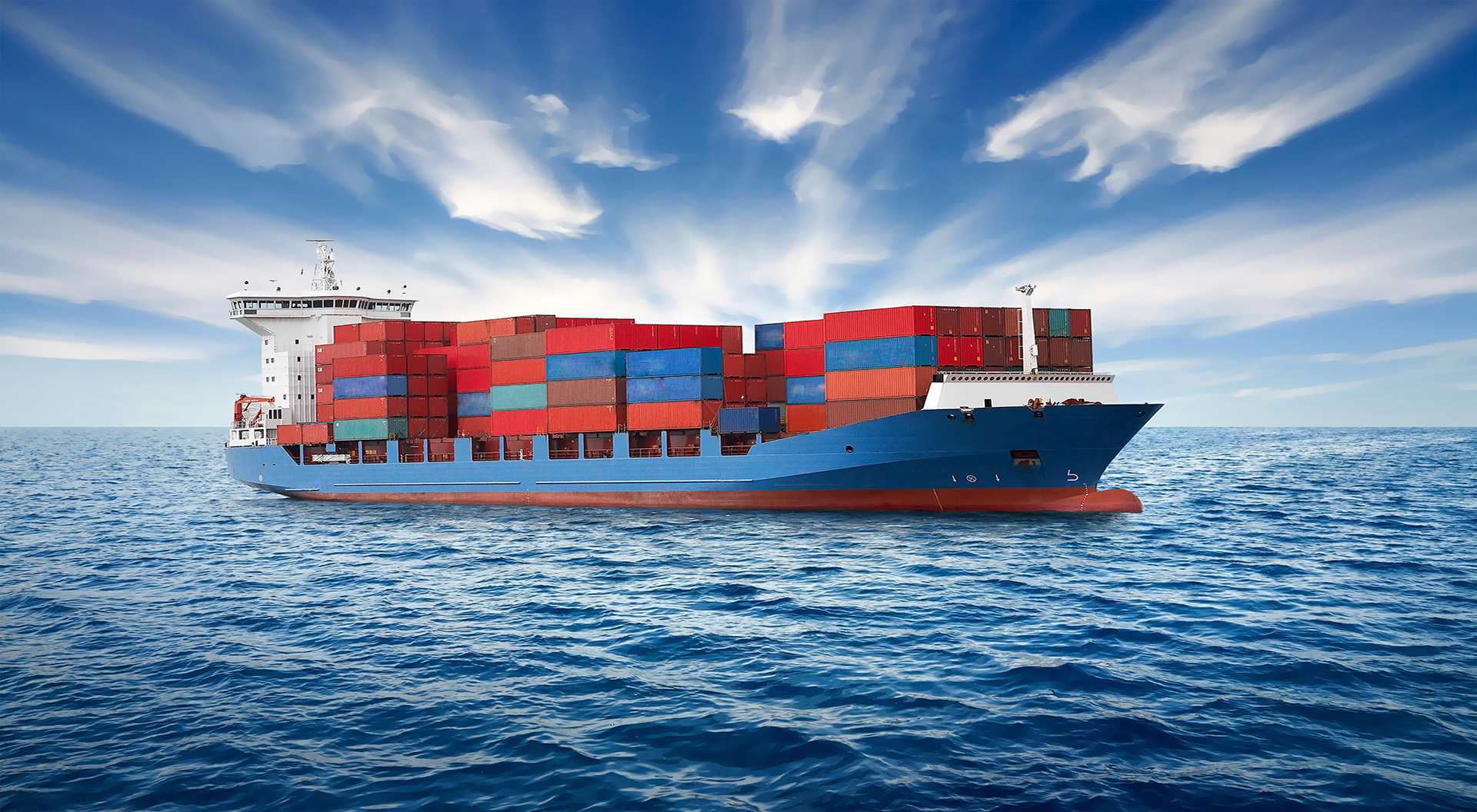
Sea Freight From China To Ethiopia

Top Logistics Ltd organises dependable sea freight from major Chinese ports such as Shanghai, Ningbo, Shenzhen, Qingdao, and Tianjin to the Port of Djibouti and Doraleh terminal—the main maritime gateways for Ethiopia. Using regular sailings and competitive FCL and LCL options, we manage container discharge, port handling, and transit documentation in Djibouti, then connect your cargo by rail or truck to Ethiopian dry ports such as Modjo, Semera, Kombolcha, Mekelle, and Gelan. Ocean freight via Djibouti is the most economical solution for large‑volume imports of textiles, FMCG, construction materials, vehicles, and project equipment for the Ethiopian market.
img

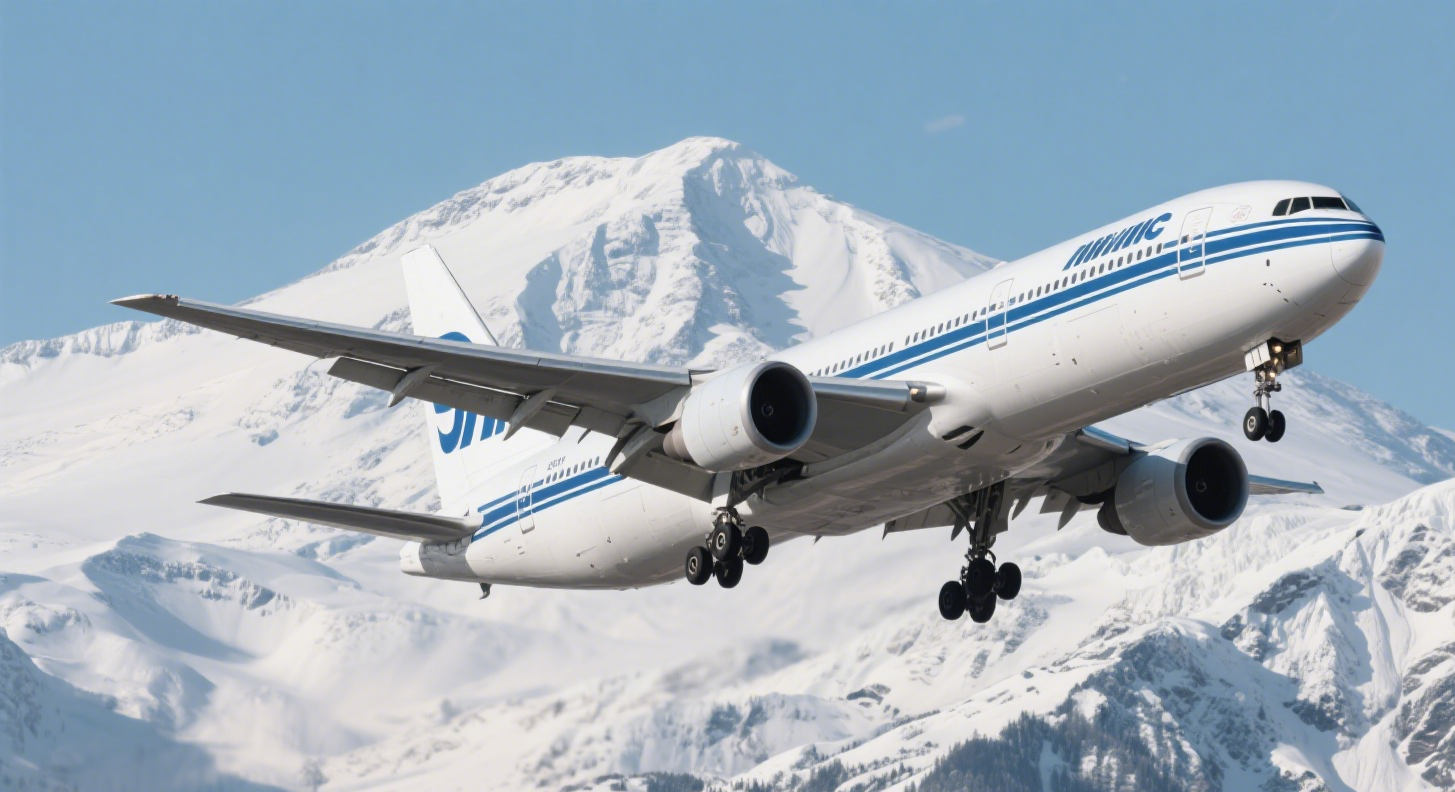
Air Freight From China To Ethiopia

Top Logistics Ltd offers fast and secure air freight from key Chinese airports to Addis Ababa Bole International Airport, often using direct or one‑stop connections operated by leading carriers. Tailored for urgent, high‑value, or temperature‑sensitive shipments, our air services include optimised routing, priority handling, and full documentation support to ensure rapid clearance and reliable delivery to Addis Ababa and onward to other Ethiopian cities. This mode is well‑suited to electronics, pharmaceuticals, samples, perishable inputs, and critical project spares.

img

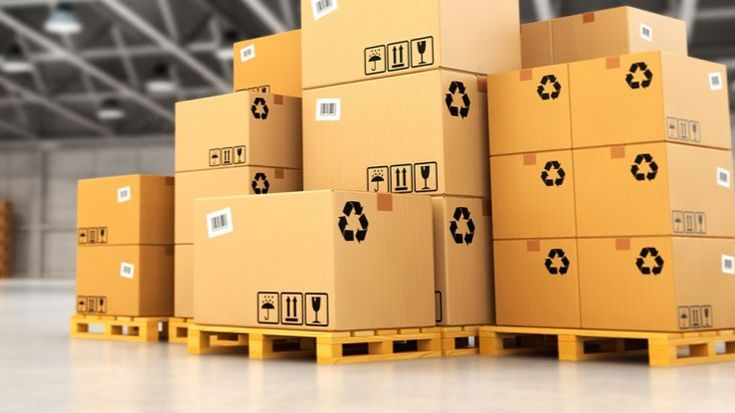
Door to Door Shipping from China to Ethiopia

Top Logistics Ltd provides integrated door‑to‑door logistics from China to Ethiopia, combining sea, rail, air, and road as required. We coordinate factory pick‑ups in China, arrange export customs, manage sea transport to Djibouti, organise port handling and transit procedures, and move cargo by rail or truck to Ethiopian dry ports and final destinations. For air freight, we manage airport‑to‑door delivery directly from Addis Ababa. This end‑to‑end solution simplifies your operations, reduces the need to coordinate multiple agents, and gives full visibility of costs and transit times along the China–Ethiopia corridor.

FCL Shipping from China To Ethiopia

Top Logistics Ltd specialises in Full Container Load (FCL) shipments from China to Ethiopia via Djibouti, offering 20GP, 40GP, and 40HQ containers for high‑volume or heavy cargo. We supervise secure stuffing at origin, arrange robust lashing suitable for long sea and inland journeys, and select carriers with strong performance on the Asia–Red Sea lanes. Once in Djibouti, we fast‑track container handling and onward movement to Ethiopian dry ports. FCL is ideal for garments, industrial inputs, construction supplies, machinery, and supermarket stock where low per‑unit freight, reduced handling, and enhanced cargo security are essential.

LCL Shipping from China To Ethiopia

Top Logistics Ltd provides Less than Container Load (LCL) services from China to Ethiopia, allowing smaller shipments to share container space. We consolidate LCL cargo at key Chinese ports, ship containers to Djibouti, then deconsolidate and re‑consolidate where needed for rail or truck transport to Ethiopian dry ports or Addis Ababa. LCL is a cost‑effective option for spare parts, small batches, test orders, and multi‑SKU consignments supplying Ethiopian distributors, workshops, and retailers.

Features

More Services Shipping from China To Ethiopia

img

Pickup and Delivery

Top Logistics Ltd will provide most fuel efficient pickup service China
img

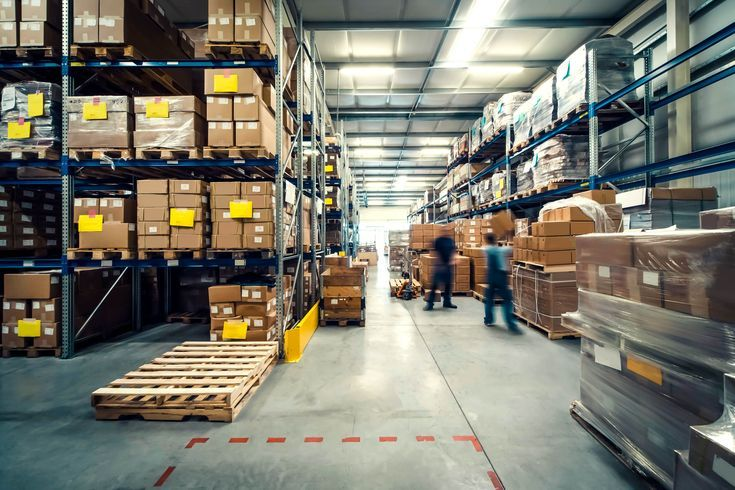
Warehousing

We provide free warehousing services for any of your goods.
img

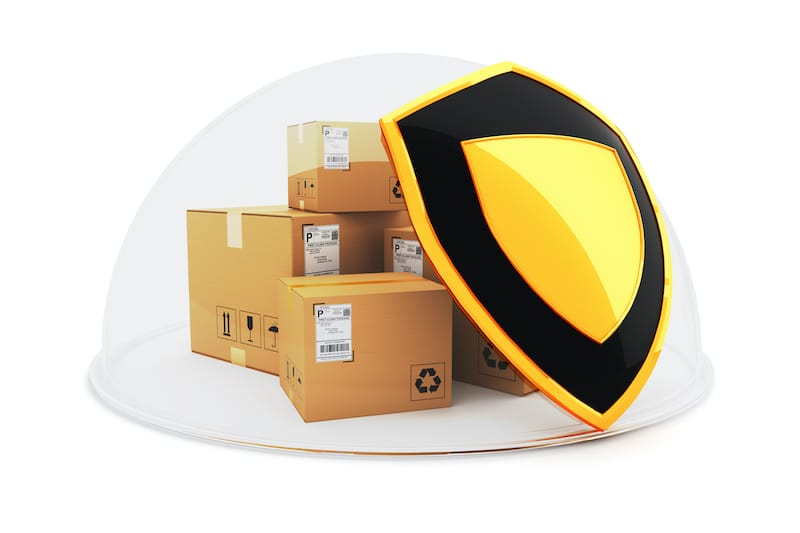
Cargo Insurance

The cargo insurance protects your goods all the way to any Any FBA Warehouse
img

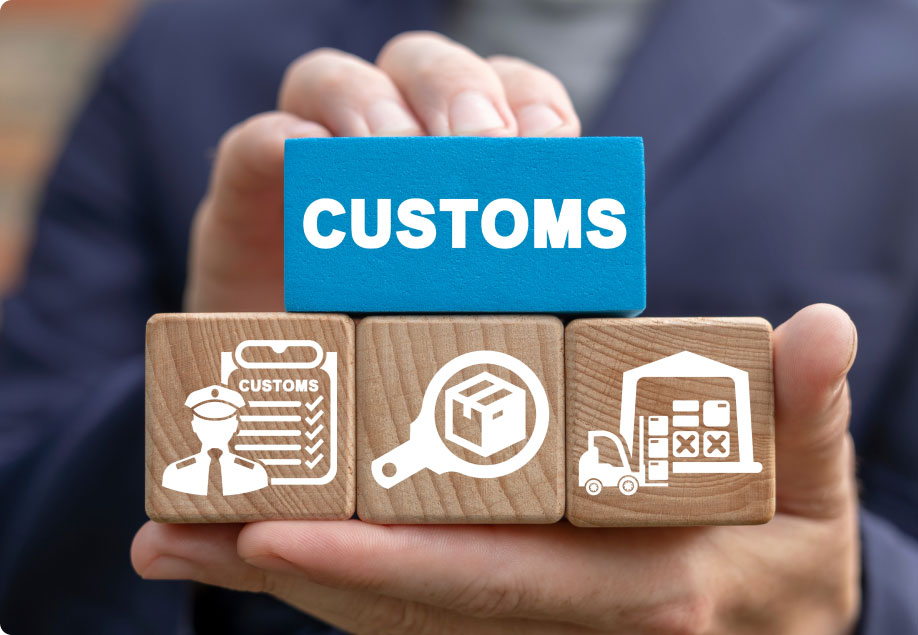
Custom Clearance

We handle all paperwork and other details for you.

img

Loading Inspection

Ensure safe packaging and loading of goods in your suppliers' factory.

Here We Are

GET ANYTYPE QUOTE FROM HERE.

Your Best Freight Forwarder from China to Ethiopia

  • Provide the best ocean freight from China to Ethiopia
  • Provide the competitive air freight from China to Ethiopia
  • The professional work for customs clearance in China
  • Provide the free warehouse service and loading solution
  • The container loading supervision service
  • Pick up and delivery service in China
  • 24/7 online support
What customers also want to know

Professional Shipping from China to Ethiopia: The Ultimate FAQ Guide

For sea freight, the journey has two main stages: ocean transport to Djibouti and inland transport to Ethiopia. From Chinese ports like Shanghai, Ningbo, or Shenzhen to Djibouti usually takes about 18–25 days at sea. Port handling, customs/transit processing, and rail or road movement to Ethiopian dry ports add another 7–15 days, depending on destination and congestion. Overall door‑to‑door transit from China to Addis Ababa is commonly 30–40 days, and to inland industrial parks or northern cities about 35–45 days. Air freight from China to Addis Ababa—via direct or one‑stop routes through hubs such as Hong Kong, Guangzhou, Dubai, or Istanbul—typically delivers door‑to‑door in 4–8 days, including export handling in China and customs clearance in Ethiopia. Top Logistics Ltd analyses carrier schedules and seasonal conditions to offer realistic ETAs for each shipment.

Ethiopia is landlocked and uses Djibouti as its main seaport. When your containers arrive in Djibouti, they are placed under transit bond rather than being cleared for Djibouti consumption. A transit declaration is lodged with Djiboutian customs and Ethiopian Revenue & Customs Authority (ERCA) using the correct consignee, dry port, and transport information. The cargo is then moved by rail or truck to Ethiopian dry ports such as Modjo, Semera, or Kombolcha, where final import clearance takes place. Duties and taxes are assessed by Ethiopian customs based on HS codes and CIF value (cost + insurance + freight to Ethiopia). Top Logistics Ltd coordinates closely with brokers in both Djibouti and Ethiopia, ensures transit documents are accurate, and monitors movements so containers are not delayed at the port or border.

Core documents include a commercial invoice, packing list, and the relevant transport document—ocean bill of lading for sea, or air waybill for air shipments. Ethiopia’s banking and customs systems often require:

  • Certificate of origin.
  • Letter of credit or advance payment documentation where applicable.
  • Pre‑shipment inspection reports or Clean Report of Findings for certain goods as per NBE/ERCA requirements.
  • Sanitary or phytosanitary certificates for food and agricultural products.
  • Certificates of conformity and test reports for regulated items such as electrical goods, tyres, and construction materials.
  • MSDS and dangerous‑goods declarations for chemicals and batteries.
    Top Logistics Ltd reviews all documents from your Chinese suppliers before loading, verifies that descriptions, HS codes, quantities, values, and consignee details match Ethiopian customs and banking requirements, and aligns paperwork with the conditions of your letter of credit, if used. Early correction avoids issues with banks, customs, or foreign‑exchange authorities.

Ethiopia applies customs duties, excise tax on selected items, surtax, and VAT on imported goods. These are calculated on the customs value, typically CIF Djibouti plus inland freight to the Ethiopian entry point. The exact burden depends on HS classification, product type, and any applicable exemptions or investment incentives. Some capital goods, agricultural inputs, and machinery for approved investment projects may enjoy reduced duties or zero rates. Top Logistics Ltd uses your detailed product list and HS codes to work with Ethiopian customs specialists to estimate duties and taxes before shipment, so you know your approximate landed cost, can plan cash‑flow and pricing, and can evaluate whether to import finished goods or components.

FCL is usually preferred for Ethiopia because containers remain sealed from China through Djibouti to Ethiopian dry ports, with fewer handling steps and lower risk of loss or damage. FCL also tends to move faster through Djibouti terminals and on the Djibouti–Addis rail system. It is highly recommended for higher‑value goods, fragile items, and large volumes such as construction materials or textiles. LCL can still be efficient for small orders, spare parts, and lower‑value items; however, LCL cargo is consolidated and deconsolidated at additional depots, adding time and handling. Top Logistics Ltd evaluates each shipment’s size, value, and urgency to advise you on the most cost‑effective choice and can consolidate multiple supplier orders into shared FCLs when that makes economic sense.

By sea, the primary gateway is the Port of Djibouti and Doraleh terminal. From there, cargo is moved mainly to Modjo Dry Port, the largest inland port serving Addis Ababa and central Ethiopia. Other key dry ports include Semera (for Afar and northern regions), Kombolcha (for north‑central industrial zones), Mekelle, and Gelan or Kaliti for Addis Ababa suburbs and industrial parks. The chosen dry port affects inland freight cost, transit time, and customs office handling your clearance. Top Logistics Ltd selects the most appropriate combination of Djibouti terminal and Ethiopian dry port based on your final delivery location and cargo characteristics, optimising both time and cost.

After arrival at a dry port, customs clearance is performed and, once duties and taxes are settled, containers or loose cargo are released for onward delivery. For many routes, rail brings the containers close to central Ethiopia, and then trucks move them to warehouses and factories. In some corridors, trucks run directly from Djibouti to inland cities. Roads are improving but can be affected by weather, roadworks, or local restrictions. Top Logistics Ltd cooperates with vetted Ethiopian hauliers familiar with local regulations and security requirements, choosing proper equipment—container trailers, flatbeds, low‑beds for heavy equipment, box trucks for high‑value cargo—and coordinating off‑loading at industrial parks, city warehouses, or project sites.


Ethiopia hosts many humanitarian and development operations, which often benefit from duty and tax exemptions under specific agreements. These shipments must follow precise documentation and routing rules, including exemption letters, project codes, and detailed packing lists. Time sensitivity is high, especially for food aid and medical supplies. Top Logistics Ltd is experienced in handling such cargo: we align shipping documents with donor and government requirements, coordinate with relevant ministries and customs for exemption processing, and offer additional tracking and reporting. For sensitive or temperature‑controlled items, we arrange reefer containers, cold‑chain air services, and appropriate storage at Addis Ababa or regional hubs.

Cost savings come from optimising consolidation, mode selection, and scheduling. Consolidating multiple purchase orders into full containers substantially cuts per‑unit freight, port, and handling charges. Using sea freight for base volumes and air freight only for urgent or high‑value items balances cost and speed. Rail from Djibouti to Modjo is often more economical and reliable than long‑haul trucking alone. Top Logistics Ltd helps refine packaging to improve container utilisation, negotiates carrier contracts on Asia–Red Sea services, and plans shipping calendars to avoid peak congestion periods (such as Chinese New Year, Ramadan/Eid peaks, or local election periods) when rates rise and delays increase.

Delays can be caused by incomplete or inconsistent documents, missing Ethiopian import permits or pre‑shipment inspections, congestion at Djibouti, limited rail capacity during peak seasons, customs holds at dry ports, or regional disruptions in the Red Sea. Top Logistics Ltd mitigates these risks by checking all documentation thoroughly before loading, confirming with Ethiopian brokers what licences and inspections are required, booking space in advance on reliable ocean and rail services, and monitoring vessel and train movements closely. If bottlenecks arise in Djibouti or on particular corridors, we explore alternative sailing windows, rail departures, or road options and keep you fully informed with updated ETAs and contingency plans.

Don’t Take Our Words for it

Listen to What Our Clients Say about Our Freight Forwarding Service

Customer Support

Our customer support team delivers responsive and knowledgeable assistance throughout the entire international logistics process. From shipment booking and cargo tracking to customs clearance and final delivery, inquiries are handled promptly with clear, accurate communication. The team understands complex transportation routes, carrier schedules, and documentation requirements, ensuring potential issues are resolved before they impact delivery timelines. This high level of support builds trust and provides customers with confidence in every shipment.

Sofia Harvey
Chairman News grove

Design Quality

The design quality of the international logistics platform emphasizes clarity, efficiency, and usability. The interface is clean and well-organized, allowing users to manage shipments, track cargo status, and access transportation details with minimal effort. Visual hierarchy and consistent layout improve navigation across freight booking, documentation, and delivery modules. The design effectively supports complex logistics operations while maintaining a professional and modern appearance.

Jon D. William
Founder of Mixbix

Code Quality

The overall code quality of the international logistics system demonstrates a solid engineering foundation. The architecture is well-structured, with clear separation between freight management, customs clearance, tracking, and billing modules, which improves maintainability and scalability. Naming conventions are consistent and business-oriented, making complex logistics workflows such as multi-leg transportation, carrier allocation, and door-to-door delivery easier to understand and extend. Error handling and data validation are implemented thoughtfully, reducing risks in high-volume shipment processing. Overall, the codebase reflects a strong balance between performance, reliability, and long-term extensibility, which is critical for global freight operations.

Sakira K. Lilliam
Ceo of Axone