

Shipping from China to Chad

Services

What we do

Services

img

Sea Freight From China To Chad

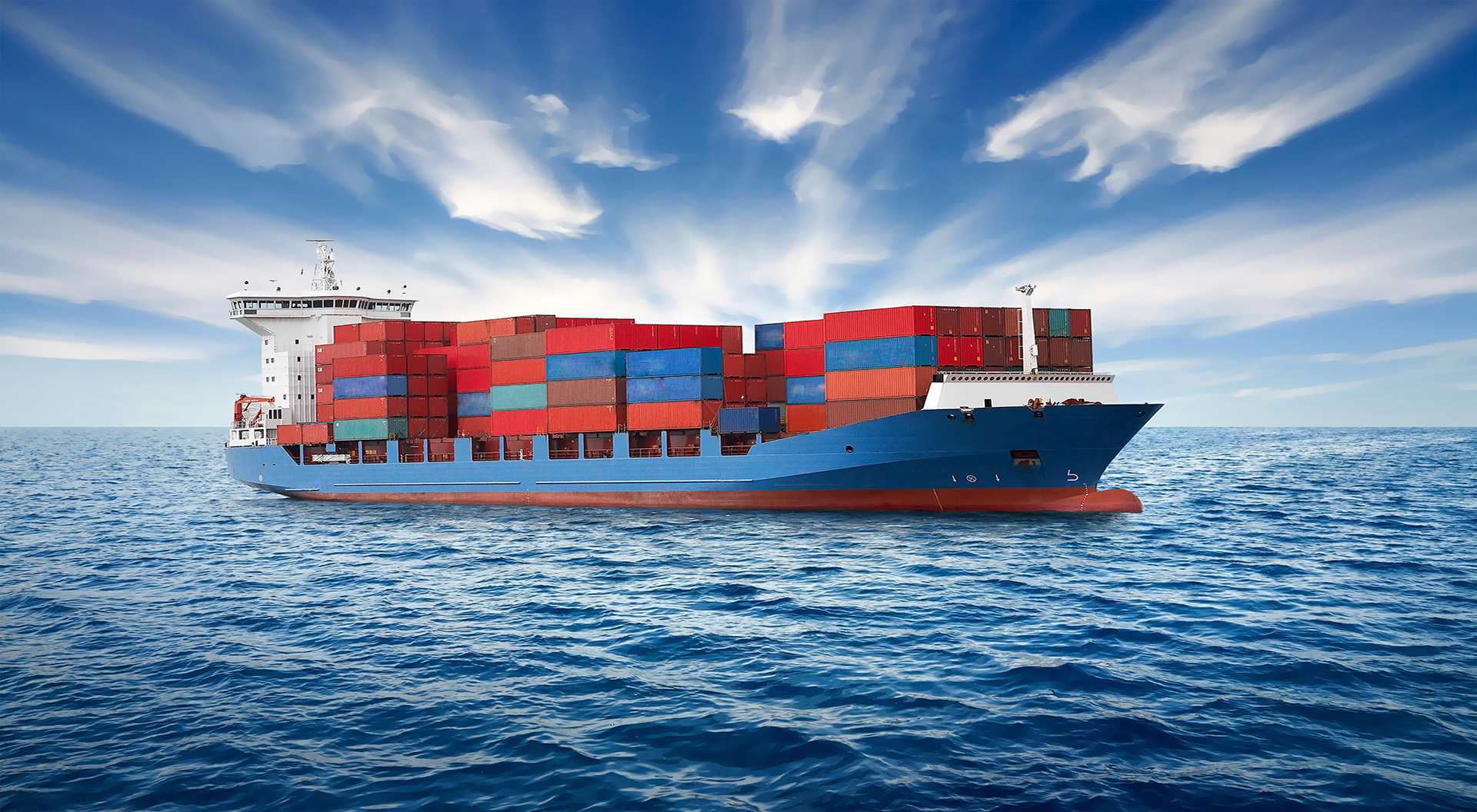
Top Logistics Ltd organises sea‑freight from major Chinese ports—Shanghai, Ningbo, Shenzhen, Guangzhou, Qingdao, Tianjin, Xiamen and others—to regional gateways primarily Douala and Kribi in Cameroon, with alternatives via Cotonou or Port Sudan for specific projects. Containers are discharged at these ports and then moved as bonded cargo by road (and where possible rail/river) toward Chad. We select Asia–West‑Africa services with stable transit times, negotiate realistic port free‑time, and coordinate handling, documentation, and corridor trucking so your cargo moves efficiently from quay to inland depots in N’Djamena or other Chadian cities. Sea freight is ideal for large volumes of construction materials, fuel‑related equipment, consumer goods, vehicles and parts (subject to rules), and project cargo where low cost per tonne is critical.
img

Air Freight From China To Chad

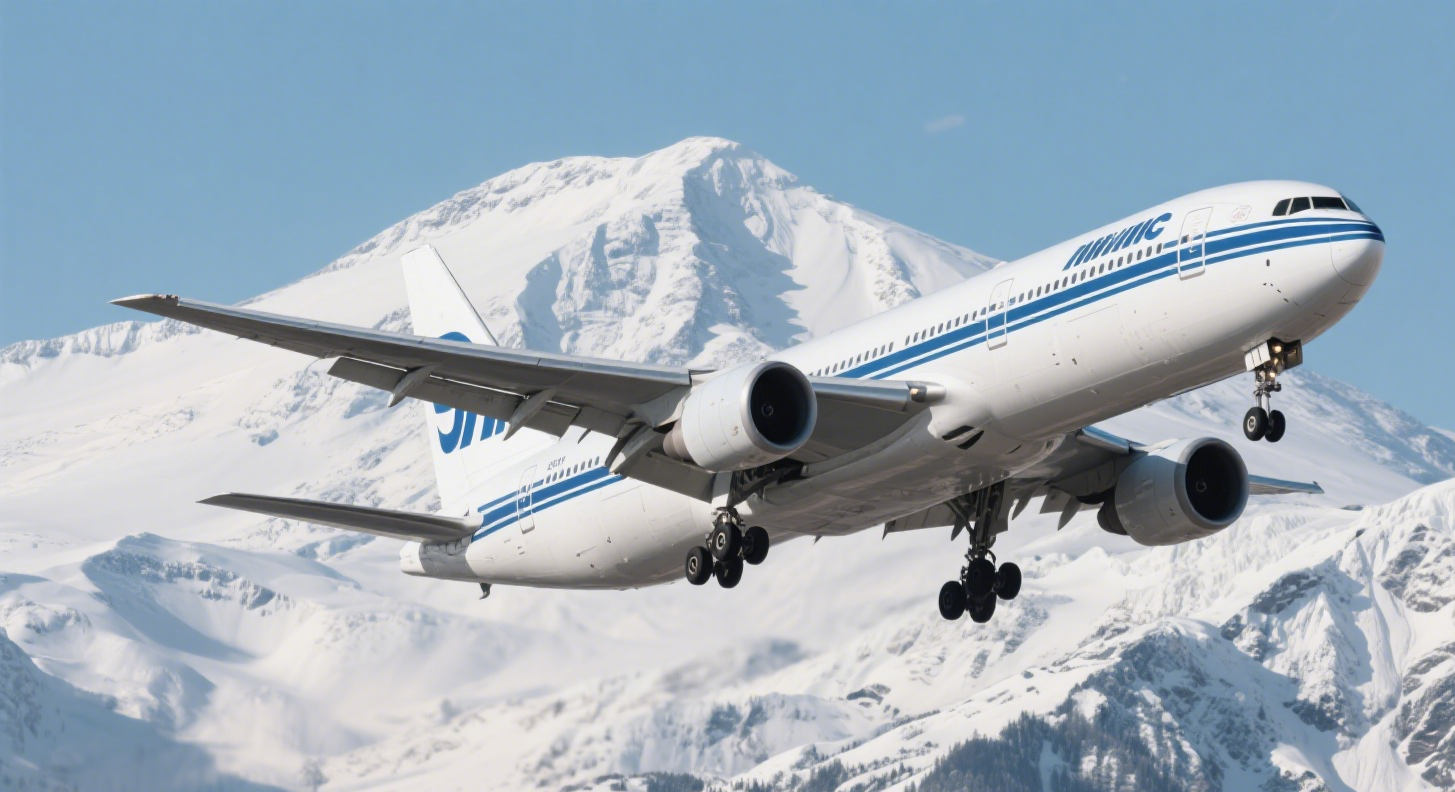
For urgent or high‑value shipments, Top Logistics Ltd provides air‑freight solutions from Chinese gateways such as Shanghai Pudong, Guangzhou, Shenzhen, Beijing, Chengdu, and Hong Kong to N’Djamena International Airport (NDJ), usually via hubs like Addis Ababa, Istanbul, Dubai, Doha, Paris, or Nairobi. This is suitable for telecom and IT equipment, pharmaceuticals, humanitarian supplies, critical oilfield or plant spares, and high‑value electronics. We arrange pickup and export clearance in China, book routings that balance speed, reliability, and budget, track every flight leg, coordinate pre‑alerts with your broker in N’Djamena, and organise rapid delivery to warehouses, NGO compounds, bases, or project locations.

img

Door to Door Shipping from China to Chad

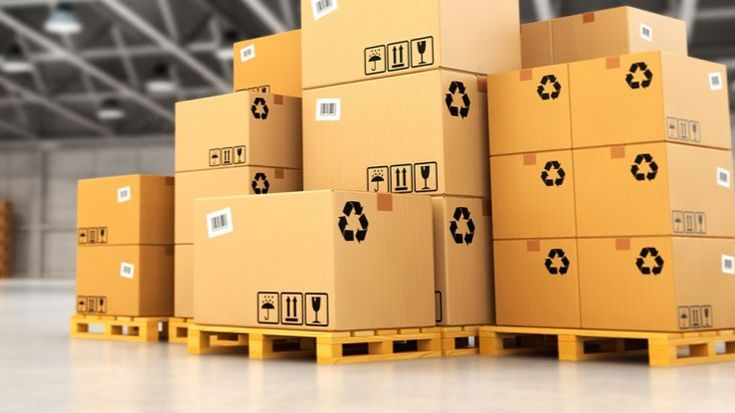
Top Logistics Ltd delivers door‑to‑door service from Chinese factories to final destinations across Chad. We collect from one or many suppliers in China, consolidate and pack as required, handle export documentation, and move cargo by sea or air to the selected African gateway. Our regional partners manage port operations, transit documents, cross‑border haulage through Cameroon, Nigeria or Sudan (depending on route), and border formalities into Chad. We then coordinate Chadian customs clearance and inland trucking to N’Djamena, Moundou, Sarh, Abeche, or remote oil, mining, and infrastructure sites. You get one all‑inclusive quote and a single operations contact instead of trying to assemble the corridor with multiple local agents.


FCL Shipping from China To Chad

Top Logistics Ltd offers full‑container‑load (FCL) services using 20GP, 40GP, and 40HQ containers, plus open‑top and flat‑rack units for oversized machinery and project cargo. We supervise container loading and sealing at Chinese factories or consolidation depots, ensuring correct weight distribution and securing for long ocean and corridor journeys, then book sailings to Douala, Kribi, or other agreed gateways. On arrival, containers move under bond as intact units along designated corridors to Chadian customs locations such as N’Djamena dry port, where they are cleared and unloaded at your depot or site. FCL is the best option for cement, steel, pipes, vehicles and parts (where allowed), plant equipment, and big FMCG shipments where you want minimal handling, lower pilferage risk, and the most economical freight per unit.

LCL Shipping from China To Chad

For smaller volumes, Top Logistics Ltd provides less‑than‑container‑load (LCL) consolidation from Chinese hubs like Shenzhen, Guangzhou, Shanghai, and Ningbo into West/Central African ports. At our China warehouses we receive cartons from different suppliers, palletise and label each consignee’s cargo, and load shared containers bound for Douala, Kribi, or other hubs. After devanning in bonded depots, Chad‑bound consignments are grouped on trucks (and where appropriate, barges or rail) moving under transit documents toward N’Djamena or other customs posts, where each shipment is cleared individually and delivered. LCL works well for NGOs, traders, and smaller companies importing mixed goods in modest volumes without enough cargo for full containers.

Features

More Services Shipping from China To Chad

img

Pickup and Delivery

Top Logistics Ltd will provide most fuel efficient pickup service China
img

Warehousing

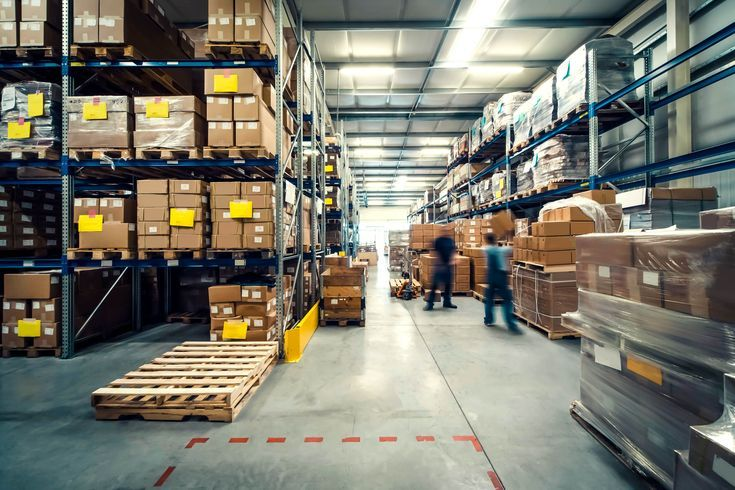
We provide free warehousing services for any of your goods.

img

Cargo Insurance

The cargo insurance protects your goods all the way to any Any FBA Warehouse
img

Custom Clearance

We handle all paperwork and other details for you.

img

Loading Inspection

Ensure safe packaging and loading of goods in your suppliers' factory.

Here We Are

GET ANYTYPE QUOTE FROM HERE.

Your Best Freight Forwarder from China to Chad

  • Provide the best ocean freight from China to Chad
  • Provide the competitive air freight from China to Chad
  • The professional work for customs clearance in China
  • Provide the free warehouse service and loading solution
  • The container loading supervision service
  • Pick up and delivery service in China
  • 24/7 online support
What customers also want to know

Professional Shipping from China to Chad: The Ultimate FAQ Guide

The main options are:

  • Douala / Kribi (Cameroon) → N’Djamena corridor

    • Often the primary route, using road transport from the port across Cameroon into western Chad.
    • Benefits: established logistics community, regular services from China, and a familiar route for hauliers.
    • Challenges: port congestion at Douala, seasonal road conditions, and security considerations in some stretches.
  • Cotonou (Benin) or Lagos (Nigeria) → Chad

    • Sometimes used for specific traffic or when Cameroonian ports are heavily congested or affected by local issues.
    • Typically longer overland distances and more border crossings.
  • Port Sudan → eastern Chad

    • Generally for special projects near the Sudanese border and subject to current political and security conditions.

Top Logistics Ltd assesses current port performance, road conditions, security reports, and your cargo’s destination inside Chad before recommending a route. For example, heavy equipment for a project in eastern Chad might benefit from a different approach than consumer goods to N’Djamena.

Risk control starts with planning and partner selection:

  • We use experienced regional hauliers with proven operations on Chad corridors, vetted drivers, and suitable insurance.
  • On higher‑risk stretches, we may arrange convoy operations and coordinate with local authorities or security providers, depending on current guidance and your risk tolerance.
  • We plan routes and timings to avoid night driving and minimise time spent in known trouble spots or informal parking areas.
  • For high‑value cargo we favour full containers with high‑security seals and, where feasible, plain outer packing that doesn’t advertise the contents.

We share route‑specific risk assessments with you so you can decide whether to split shipments, add extra security measures, or adjust schedules.

Yes. For humanitarian and development cargo:

  • We review your agreements with Chadian authorities (e.g., host country agreements, exoneration letters) to understand the duty and tax status of your shipments.
  • We work with your in‑country logistics staff and broker to make sure exemption paperwork (exoneration, project codes, approvals) is submitted before cargo reaches the border, not after.
  • Our documentation and packing lists can be tailored to donor reporting requirements, showing costs and quantities clearly split by project or grant.

From you, we mainly need: copies of exemption agreements, the local contact handling customs, and any donor‑specific document templates you must use. We then align the logistics side to those rules.

Catching problems in China is far cheaper than correcting them in Chad:

  • At our origin consolidation depots we can perform basic checks: carton counting, visual inspection for damage, and label verification against supplier packing lists.
  • For critical equipment or higher‑value shipments, we can arrange third‑party pre‑shipment inspections including photos, basic functionality checks, and sample testing.
  • We manage container loading ourselves or through trusted partners and record loading photos plus seal numbers, creating an auditable record of what left China and how it was secured.

These measures don’t replace full technical acceptance, but they significantly reduce nasty surprises when you open the container in N’Djamena.

In most cases, yes:

  • Without consolidation, you might pay minimum freight, port, and clearance charges on multiple small shipments, which quickly adds up.
  • With origin consolidation, Top Logistics Ltd collects all orders, repacks and labels if needed, and loads them into one or a few FCL containers or large LCL lots.
  • At the Chadian end, you can still split the cargo internally by project, donor, or site using our detailed master packing list.

Consolidation usually reduces your per‑unit freight and destination charges, and also keeps customs and corridor operations simpler than handling many small files.

The main delay sources are:

  • Document errors (mismatched values, missing details, inconsistent HS codes).
  • Port congestion or strikes at gateway ports.
  • Road conditions—especially in rainy seasons—causing trucks to slow or reroute.
  • Security or administrative checks at borders and checkpoints.

We can jointly control:

  • Document quality – by using our templates and letting us pre‑check paperwork before cargo leaves China.
  • Route and timing choices – avoiding peak congestion periods where possible and shipping early for critical projects.
  • Packaging and truck selection – ensuring cargo is robust enough and vehicles appropriate for the season, reducing breakdown‑related stops.

Other factors (strikes, weather) cannot be removed, but with buffer time and contingency plans we can reduce their impact.

Mixing everything in one container may appear cheaper but often creates complications:

  • Hazardous materials require special packing, labelling, and documentation and are subject to stricter port and corridor controls.
  • Regulated equipment (telecom, certain chemicals, medical items) may need permits or technical approvals, which can delay clearance.

Often the smartest structure is:

  • One or more containers for non‑regulated general cargo that can move and clear quickly.
  • Separate containers or LCL lots for DG and highly regulated goods, which we handle with the right paperwork and timelines.
  • If a small part of cargo is extremely urgent or sensitive, consider airfreight or a separate partial load.

Top Logistics Ltd helps you design groupings so that a single tricky item does not hold up everything else.

Cost control focuses on a few key levers:

  • Use sea + land as the default for non‑urgent items and reserve airfreight for genuinely urgent or high‑value cargo.
  • Consolidate orders from multiple suppliers into full containers as early as possible; FCL nearly always beats repeated small LCL shipments on unit cost.
  • Choose the right gateway and corridor after considering inland distance, port fees, and current congestion—not only the cheapest ocean rate.
  • Optimise packaging so you can safely load more cargo per container without damage, reducing the number of containers needed per year.
  • Share a rolling forecast so Top Logistics Ltd can negotiate space and rates with carriers based on expected volume instead of entirely spot bookings.

We can review recent shipments and show where changes in timing, consolidation, or routing could have cut landed cost without unacceptable extra transit time.

Requirements can change, but at times Chad or gateway countries may:

  • Require pre‑shipment inspection (PSI) or valuation checks for certain product groups.
  • Enforce conformity assessment schemes for some consumer or technical products, through recognised inspection companies.

Before each shipment, Top Logistics Ltd checks the current rules for your HS codes in both the gateway country and Chad, then:

  • Advises whether PSI or conformity certificates are required.
  • Helps book inspections in China with approved agencies where necessary.
  • Ensures that certificates, if needed, match your final shipping documents so customs recognises them.

Planning this early avoids surprises and long holds at port or border.

Given the long Trans‑ocean leg, multiple handling points, and challenging inland corridors, cargo insurance is strongly recommended:

  • Carrier liability (sea, road, air) is limited and often covers only a small fraction of your actual loss.
  • Risks include rough seas, handling damage, theft, accidents, and weather‑related incidents on remote roads.

Through recognised insurers, Top Logistics Ltd can arrange:

  • All‑Risks marine cargo insurance for most general goods, covering a wide range of external physical loss or damage for the whole journey.
  • Named‑perils policies where All‑Risks is unavailable (e.g., some second‑hand machinery or specific bulk cargoes).
  • Project‑wide policies covering multiple shipments for large or long‑term programmes.

We help you set an appropriate insured value (commonly CIF + 10%), issue certificates quickly, and coordinate surveys and claim documentation should any incident occur.


Don’t Take Our Words for it

Listen to What Our Clients Say about Our Freight Forwarding Service

Customer Support

Our customer support team delivers responsive and knowledgeable assistance throughout the entire international logistics process. From shipment booking and cargo tracking to customs clearance and final delivery, inquiries are handled promptly with clear, accurate communication. The team understands complex transportation routes, carrier schedules, and documentation requirements, ensuring potential issues are resolved before they impact delivery timelines. This high level of support builds trust and provides customers with confidence in every shipment.

Sofia Harvey
Chairman News grove

Code Quality

The overall code quality of the international logistics system demonstrates a solid engineering foundation. The architecture is well-structured, with clear separation between freight management, customs clearance, tracking, and billing modules, which improves maintainability and scalability. Naming conventions are consistent and business-oriented, making complex logistics workflows such as multi-leg transportation, carrier allocation, and door-to-door delivery easier to understand and extend. Error handling and data validation are implemented thoughtfully, reducing risks in high-volume shipment processing. Overall, the codebase reflects a strong balance between performance, reliability, and long-term extensibility, which is critical for global freight operations.

Sakira K. Lilliam
Ceo of Axone

Design Quality

The design quality of the international logistics platform emphasizes clarity, efficiency, and usability. The interface is clean and well-organized, allowing users to manage shipments, track cargo status, and access transportation details with minimal effort. Visual hierarchy and consistent layout improve navigation across freight booking, documentation, and delivery modules. The design effectively supports complex logistics operations while maintaining a professional and modern appearance.

Jon D. William
Founder of Mixbix