

Top Logistics Ltd provides reliable, cost‑efficient freight solutions from China to the Federated States of Micronesia (FSM), supporting importers, government agencies, NGOs, construction projects, retailers, and hotels across Yap, Chuuk, Pohnpei, and Kosrae. Using established Asia–Pacific shipping routes and trusted island‑logistics partners, we design secure, compliant transport plans that suit your cargo type, sailing schedules, and budget.
From factory pick‑up in China to final delivery at ports, warehouses, stores, and project sites throughout FSM, Top Logistics Ltd manages the entire logistics chain: export formalities in China, ocean and air transport via regional hubs, Micronesian customs clearance, and local distribution. Whether you are moving foodstuffs, building materials, household goods, vehicles, or small consolidated consignments, we ensure a smooth, transparent, and hassle‑free China–FSM shipping experience.
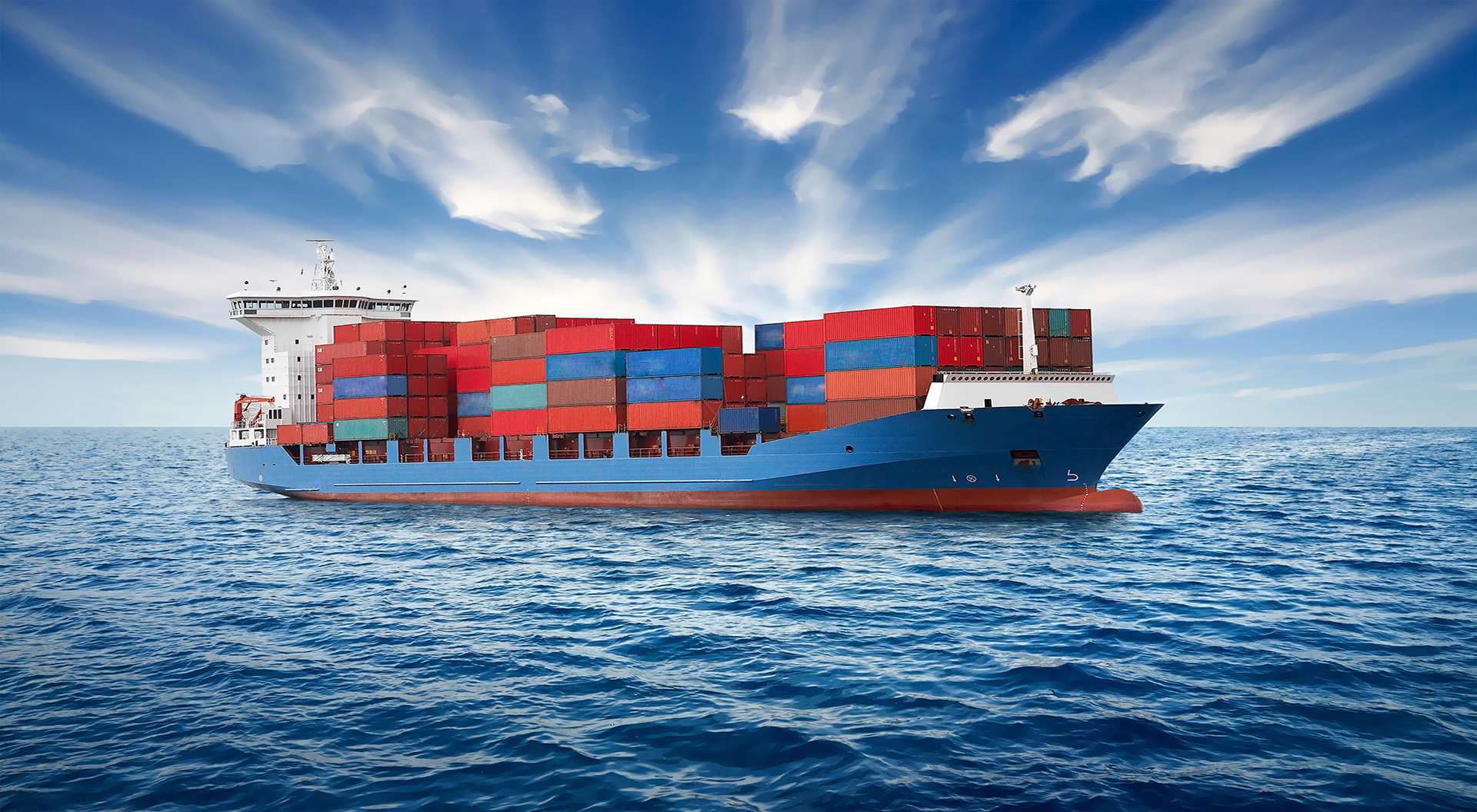
Top Logistics Ltd organises dependable sea freight from major Chinese ports such as Shanghai, Ningbo, Shenzhen, and Qingdao to FSM ports including Colonia (Yap), Weno (Chuuk), Kolonia (Pohnpei), and Lelu (Kosrae). Sailings usually operate via regional hubs like Guam or other Micronesian transshipment ports on scheduled island services. With competitive FCL and LCL options and careful handling of containers and breakbulk cargo, ocean freight is the most economical solution for groceries, construction materials, hardware, furniture, vehicles, and general merchandise serving FSM communities.
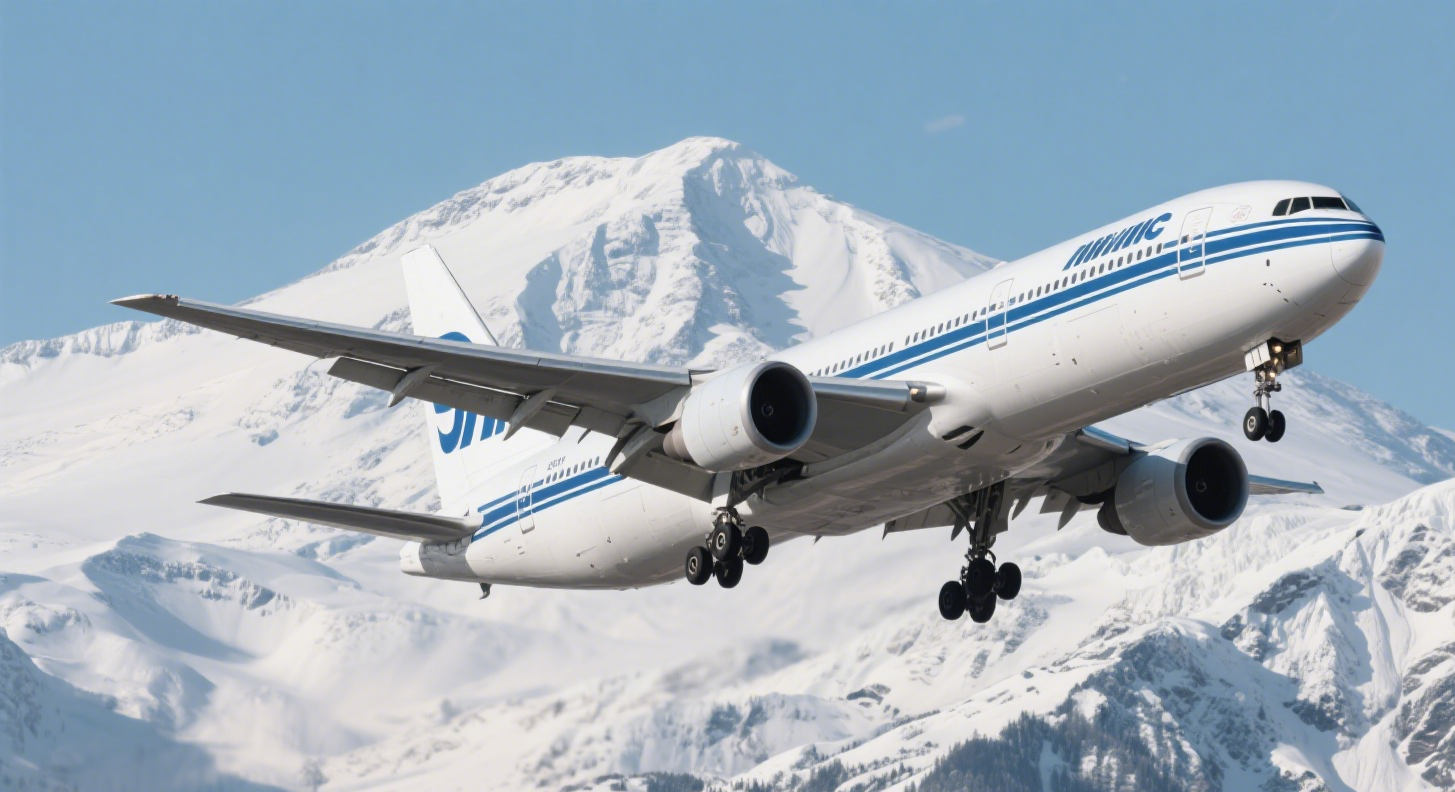
Top Logistics Ltd offers fast and secure air freight from key Chinese airports to FSM airports such as Yap, Chuuk, Pohnpei, and Kosrae, typically routed through hubs like Guam, Honolulu, Manila, Tokyo, or Seoul. Designed for urgent, high‑value, or temperature‑sensitive goods, our air solutions feature optimised connections, priority handling, and full documentation support, ensuring quick transit and reliable delivery to government agencies, hospitals, retailers, and hotels across the islands.
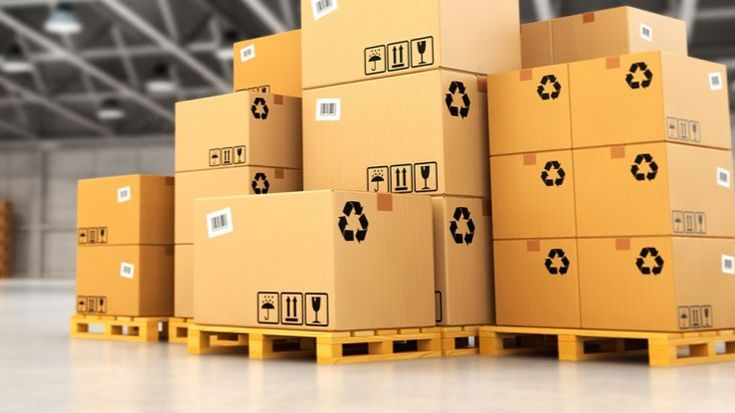
Top Logistics Ltd delivers integrated door‑to‑door logistics from China to FSM by combining sea, air, and island‑distribution services. We collect cargo at Chinese factories, handle export customs, manage the main‑leg transport and transshipment at regional hubs, then coordinate Micronesian customs clearance and final delivery to ports, stores, warehouses, and project locations on each island state. This end‑to‑end service removes the need to work with multiple agents, improves shipment visibility, and keeps your China–FSM supply chain simple and predictable.

Top Logistics Ltd specialises in Full Container Load (FCL) shipping from China to FSM, offering 20GP, 40GP, and 40HQ containers for high‑volume or heavy cargo. We ensure secure stuffing at origin, select carrier services that connect smoothly to Micronesian island routes, and monitor containers through each hub. FCL is ideal for bulk food imports, hardware and construction supplies, appliances, hotel and resort equipment, and government or aid project cargo where low unit freight cost, reduced handling, and better cargo security are critical.
Top Logistics Ltd provides Less than Container Load (LCL) shipping from China to FSM, allowing small and medium‑sized consignments to share container space. We consolidate LCL at main Chinese ports, ship to regional hubs, and then deconsolidate and re‑build loads for on‑carriage to each FSM island. LCL keeps shipping costs manageable for importers who do not yet have enough volume for full containers—ideal for spare parts, sample orders, small retail ranges, and NGO supplies for remote communities.
Top Logistics Ltd will provide most fuel efficient pickup service China
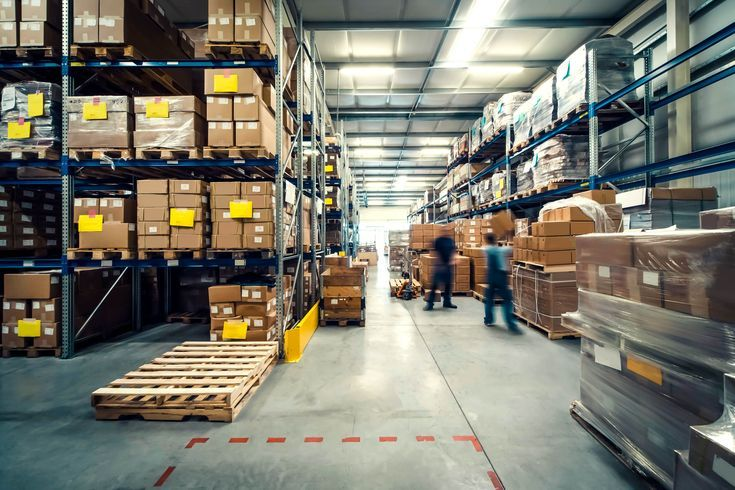
We provide free warehousing services for any of your goods.
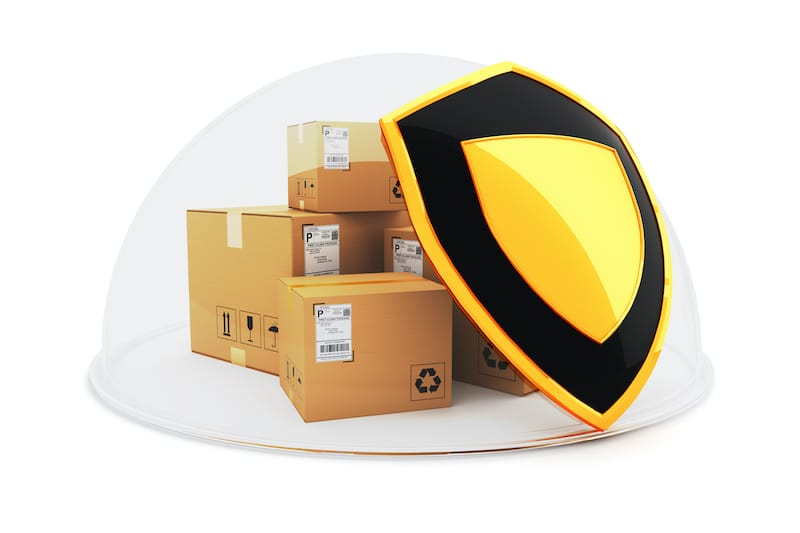
The cargo insurance protects your goods all the way to any Any FBA Warehouse
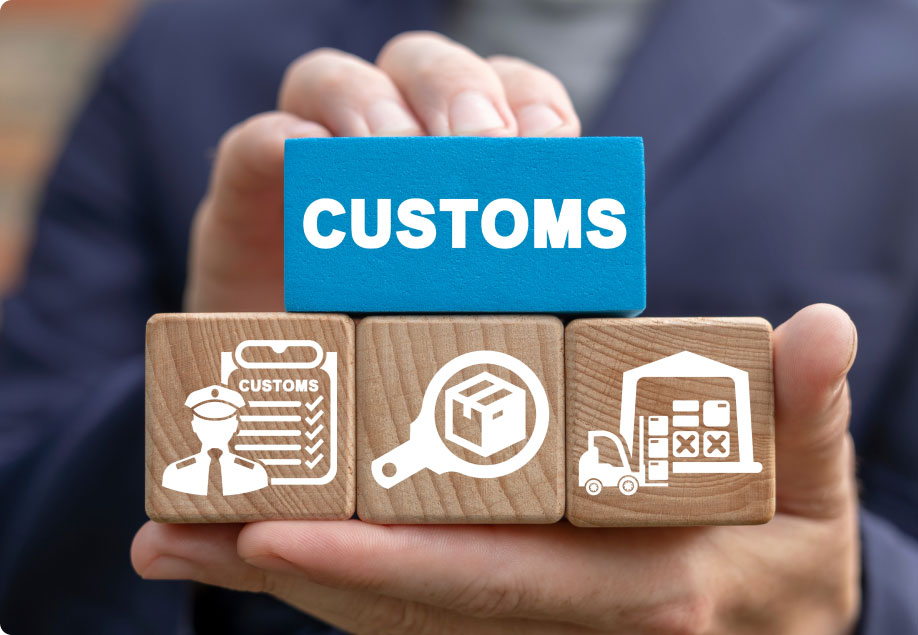
We handle all paperwork and other details for you.

Ensure safe packaging and loading of goods in your suppliers' factory.
Sea freight to Micronesia always involves multi‑stop island services. From main Chinese ports (Shanghai, Ningbo, Shenzhen) to a regional hub such as Guam or another Micronesian transshipment port generally takes about 10–18 days at sea. Feeder or island‑hopping services to Yap, Chuuk, Pohnpei, and Kosrae can add 7–20 days depending on the vessel rotation and weather. Including export procedures, transshipment, customs clearance, and local delivery, total door‑to‑door sea transit is usually 30–45 days, and occasionally longer if sailings are infrequent. Air freight from China to FSM via Guam, Honolulu, Manila, Tokyo, or Seoul typically takes 4–9 days door‑to‑door, factoring in flight schedules, connections, and customs clearance. Variations come from limited sailing and flight frequencies, the need for transshipment, and weather conditions in the Pacific. Top Logistics Ltd checks current schedules for each island and proposes routes that offer the best compromise between time and cost.
Each FSM state (Yap, Chuuk, Pohnpei, Kosrae) follows national customs regulations under FSM law but processes entries at its own ports. On arrival, the carrier submits a manifest and your customs broker or agent files an import declaration with a commercial invoice, packing list, bill of lading or air waybill, and any required certificates. Customs officers review classification and valuation, calculate applicable duties and taxes, and may physically inspect goods. Certain categories such as alcohol, tobacco, vehicles, and firearms have special rules or higher duties. Top Logistics Ltd works with local customs agents on each island to ensure documents are correct, duties are calculated properly, and inspections are coordinated efficiently so that cargo is released with minimal storage or delay.
Standard documents are a commercial invoice, packing list, and transport document (ocean bill of lading or air waybill). Depending on the cargo you may also need:
Customs duties in FSM are charged according to HS classification and are generally applied to the CIF value (cost, insurance, and freight) of goods. In addition to import duty, there may be excise taxes on alcohol, tobacco, and certain luxury goods. Some items imported by government bodies, aid projects, or under specific agreements may be eligible for exemptions or reduced rates, but these must be approved in advance. Top Logistics Ltd uses your product descriptions and HS codes to work with local customs agents to estimate duties and taxes for each island before you ship, giving you a realistic landed‑cost forecast so you can plan prices and budgets.
FCL is usually preferred for higher volumes or for valuable or fragile goods, because your cargo remains sealed in a dedicated container through hubs and on island vessels, reducing handling and risk of loss. It also tends to move more smoothly on irregular island services, which may prioritise full containers. FCL is ideal for supermarket loads, construction supplies, and major project cargo. LCL is useful when you have limited volume—typical for small retailers, spare‑parts importers, or NGOs—but involves additional consolidation and deconsolidation at hubs and sometimes repacking into smaller containers or breakbulk, which can extend transit and add handling risk. Top Logistics Ltd compares FCL and LCL options for each shipment and can sometimes combine several of your orders into one FCL to capture FCL benefits at a lower total cost.
FSM ports include Yap, Weno (Chuuk), Kolonia (Pohnpei), and Lelu (Kosrae). Because direct deep‑sea calls from China are rare, containers and breakbulk cargo usually move via regional hubs such as Guam or other Micronesian transshipment points served by liner services from Asia. The chosen hub influences sailing frequency, available vessel space, and local handling charges. Some hubs provide more regular connections but slightly higher costs; others may be cheaper but with longer waiting times between island sailings. Top Logistics Ltd analyses route options for your specific island and cargo, selecting the combination of hub and carrier that offers predictable schedules and competitive overall cost.
In FSM, most delivery is port‑centric due to the small land area of each island. After customs clearance, goods are typically moved by truck, pickup, or small flatbed from the port or airport to warehouses, shops, hotels, schools, or project sites. Road distances are short, but infrastructure may be basic and off‑loading equipment limited. Top Logistics Ltd works with local transport partners who understand each island’s conditions, arrange appropriate vehicles and labour, and coordinate off‑loading—whether by forklift, crane, or manual handling. We also provide proof of delivery and can assist with storage arrangements for customers who need temporary warehousing near the port.
Many shipments to Micronesia support public‑sector, education, health, or disaster‑relief projects, which may qualify for duty exemptions or special handling. These often require detailed documentation, including exemption letters, grant or project references, and very clear packing lists. Timing is also critical, especially for medical supplies and emergency relief. Top Logistics Ltd is familiar with such requirements and works with government and NGO contacts to align shipping documents, pre‑clear exemptions where possible, and ensure that cargo is prioritised during loading, discharge, and local delivery. We can also provide enhanced tracking and reporting suitable for donor or audit requirements.
Key levers are consolidation, route choice, and shipment planning. Consolidating multiple purchase orders into fewer, fuller containers significantly reduces per‑unit freight and port fees. Scheduling shipments to match pre‑announced island vessel rotations avoids long wait times at hubs. For non‑urgent goods, sea freight is far cheaper than air; air should be reserved for high‑value or time‑critical items. Top Logistics Ltd helps design consolidation programs at origin, optimises packaging for better container utilisation, negotiates favourable contracts with carriers serving Micronesia, and advises on shipment timing so you avoid rate peaks or periods of known port congestion.
Delays can arise from incomplete documents, missed cut‑offs at Chinese ports, infrequent island sailings, bad weather or typhoons in the Pacific, port congestion at hubs, and customs or quarantine holds at island ports. Top Logistics Ltd mitigates these risks by thoroughly checking all documents before loading, booking space well in advance on the appropriate sailing for your target island, and monitoring vessels and weather systems along the route. If a connection is missed or a sailing is cancelled, we work with carriers to shift containers to the next service and update you with revised ETAs. For customs or quarantine queries, our local partners coordinate inspections promptly to minimise storage and detention costs.
Our customer support team delivers responsive and knowledgeable assistance throughout the entire international logistics process. From shipment booking and cargo tracking to customs clearance and final delivery, inquiries are handled promptly with clear, accurate communication. The team understands complex transportation routes, carrier schedules, and documentation requirements, ensuring potential issues are resolved before they impact delivery timelines. This high level of support builds trust and provides customers with confidence in every shipment.
The platform offers comprehensive feature availability to support end-to-end international logistics operations. Key functions such as freight booking, real-time shipment tracking, customs documentation management, carrier coordination, and delivery status updates are consistently accessible and reliable. These features ensure smooth handling of complex transportation workflows and provide users with full operational visibility at every stage of the supply chain.
The overall code quality of the international logistics system demonstrates a solid engineering foundation. The architecture is well-structured, with clear separation between freight management, customs clearance, tracking, and billing modules, which improves maintainability and scalability. Naming conventions are consistent and business-oriented, making complex logistics workflows such as multi-leg transportation, carrier allocation, and door-to-door delivery easier to understand and extend. Error handling and data validation are implemented thoughtfully, reducing risks in high-volume shipment processing. Overall, the codebase reflects a strong balance between performance, reliability, and long-term extensibility, which is critical for global freight operations.